2 hrs ago
Article Questions Pakistan’s Naval Collision and Mecca Pact Commitments
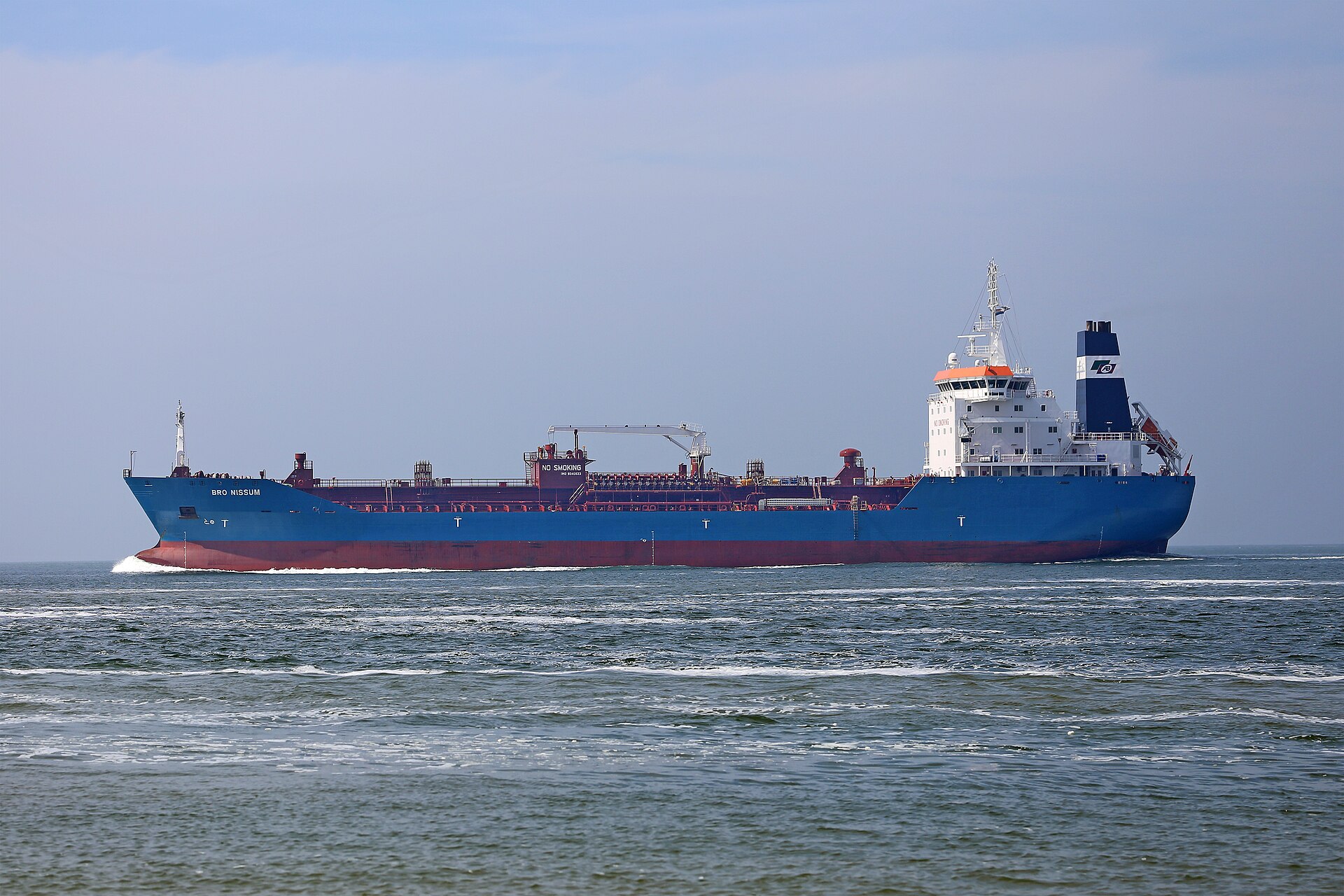
A commentary asks whether Pakistan’s naval ship deliberately created a dangerous incident with an Indian warship.
The incident happened in international waters near Oman.
The author connects it to a defense agreement involving Pakistan, Saudi Arabia, and Turkey.
That agreement says an attack on one member should be treated as an attack on all three.
Pakistan has described the agreement as defensive and has been reluctant to fight the Houthis in Yemen.
The author thinks Pakistan might have wanted India to respond angrily.
Such a response could have created an emergency that Pakistan might use as an excuse not to help Saudi Arabia.
However, the article does not present proof that the collision was deliberately staged.
It also compares the theory with disputed claims about Pakistan’s role in the 2001 Indian Parliament attack.

A commentary links Pakistan’s naval collision with India to its reluctance to meet commitments under the Makkah Joint Defence Agreement.
The agreement among Saudi Arabia, Turkey, and Pakistan is described as a mutual-defense pact modeled on NATO’s Article 5, but without an enforcement mechanism or joint command.
The article says Pakistan views the pact mainly as protection against India and has sought to define it as strictly defensive.
Pakistan’s PNS Hunain reportedly collided with an Indian Navy warship in international waters about 220 kilometers east of Oman.
The author speculates that the collision was intended to provoke an Indian response that could give Pakistan grounds to avoid helping Saudi Arabia, but India exercised restraint.
- Who
- Pakistan, India, Saudi Arabia, and Turkey are the principal countries discussed; the incident involved Pakistan’s PNS Hunain and an Indian Navy warship.
- What
- A Pakistani corvette collided with an Indian warship, while the commentary speculates that the incident may have been a deliberate provocation linked to Pakistan’s defense-pact obligations.
- Where
- In international waters approximately 220 kilometers east of Oman, in the north Arabian Sea.
- When
- The collision reportedly occurred on Tuesday evening; the article does not provide a calendar date.
- Why
- The author suggests Pakistan may have sought an India-related crisis to create a possible justification for avoiding military commitments to Saudi Arabia, but this motive is presented as speculation.
Author’s interpretation
Official and alternative framing
Purpose of the naval incident
Author’s interpretation
The author speculates that Pakistan may have deliberately provoked India to create a security crisis and obtain an excuse for not meeting its Makkah pact commitments.
Official and alternative framing
The article provides no confirmed evidence establishing that the collision was deliberately staged; Pakistan’s military spokesperson has described the pact as purely defensive and based on collective deterrence.
Pakistan’s defense obligations
Author’s interpretation
The commentary argues that Pakistan entered the pact largely as insurance against India and never intended to become involved in fighting the Houthis or confronting Iran.
Official and alternative framing
Pakistan has publicly emphasized that the agreement has no aggressive element, while its past parliamentary position on Yemen was to remain neutral but defend Saudi Arabia’s territorial integrity and holy sites if they were attacked.
2001 Parliament attack comparison
Author’s interpretation
The author cites a scholarly hypothesis that the attack helped Pakistan shift troops from the Afghan border toward India and thereby reduce pressure to stop fleeing al-Qaeda members.
Official and alternative framing
The article presents this as a hypothesis and quotes officials and researchers who questioned possible intelligence involvement; it does not establish the allegation as proven fact.
Key facts
- Agreement
- The Makkah Joint Defence Agreement involves Saudi Arabia, Turkey, and Pakistan and is described as modeled on NATO’s Article 5.
- Agreement limitations
- The pact reportedly has no enforcement mechanism or joint command structure.
- Collision site
- Approximately 220 kilometers east of Oman in international waters.
- Pakistani vessel
- PNS Hunain, identified as the Pakistani corvette involved in the collision.
- Indian response
- India summoned Pakistan’s envoy and lodged a strong protest; the article says the Indian warship’s captain exercised restraint.
- Relevant bilateral agreement
- India said the incident contravened Article 10 of the 1991 agreement on advance notice of military exercises, manoeuvres, and troop movements.
- Author’s assessment
- The alleged false-flag motive is a possibility proposed by the commentary, not an established finding.
Quotes
Unnamed Indian source quoted by The Times of India
An unnamed source cited by The Times of India regarding the naval collision
“Even under extreme provocation, the Indian warship’s captain exercised extreme restraint”
 firstpost.com

Bruce Riedel
Former CIA officer and National Security Council staffer who wrote about the 2001 Parliament attack
“I asked myself then and still do: who benefited from this attack?”
firstpost.com
Sources
Related news
Why Pakistan’s Mecca Pact May Not Shield It From India
Mecca Pact Faces First Test After Houthi Strike
Pakistan Hesitates as Houthi Attack Tests Mecca Defence Pact
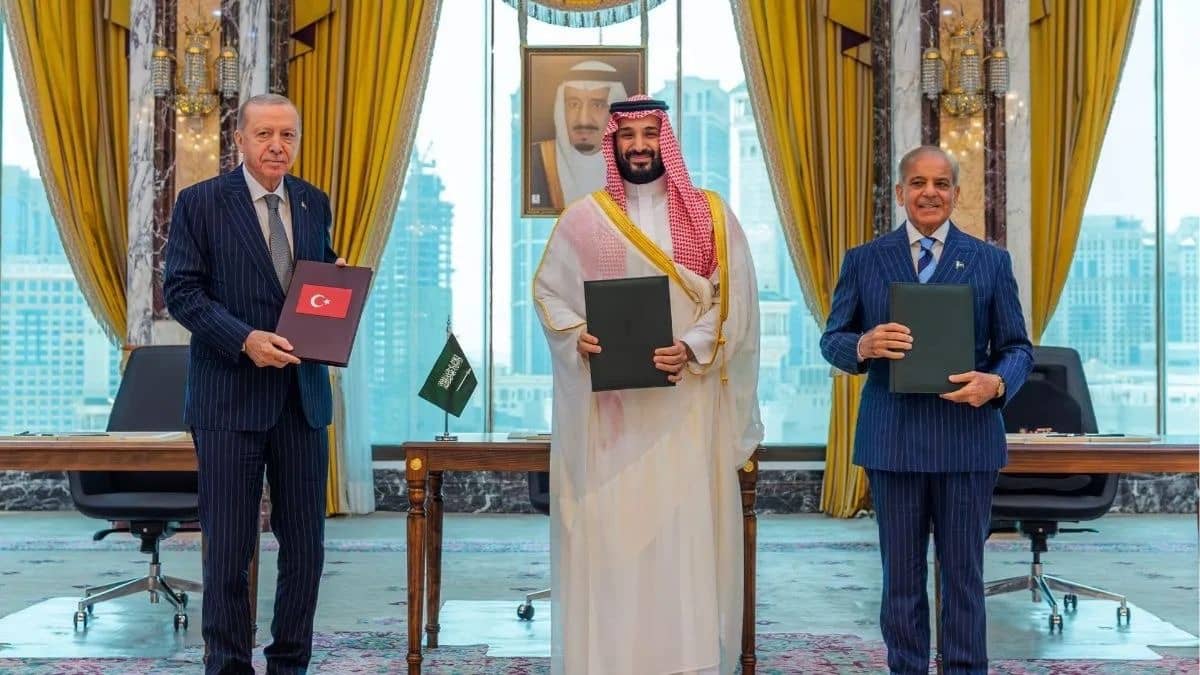
Pakistan Reaffirms Mecca Pact Duties After Saudi Drone Interception

Pakistan Rules Out Immediate Military Action After Houthi Attacks
India's Response to Mecca Pact Faces Strategic Test
CBSE Announces 2026 Special Exams for West Asia Students
Asian Games 2026 Men’s Cricket Schedule Sets Knockout Path

L&T Targets Up to 30% of Global Modularisation Market

Saudi Oil Exports Rerouted Through Oman as Europe Faces Shortfall