2 hrs ago
Pakistan Reaffirms Makkah Pact Duties After Drone Interception Near Mecca
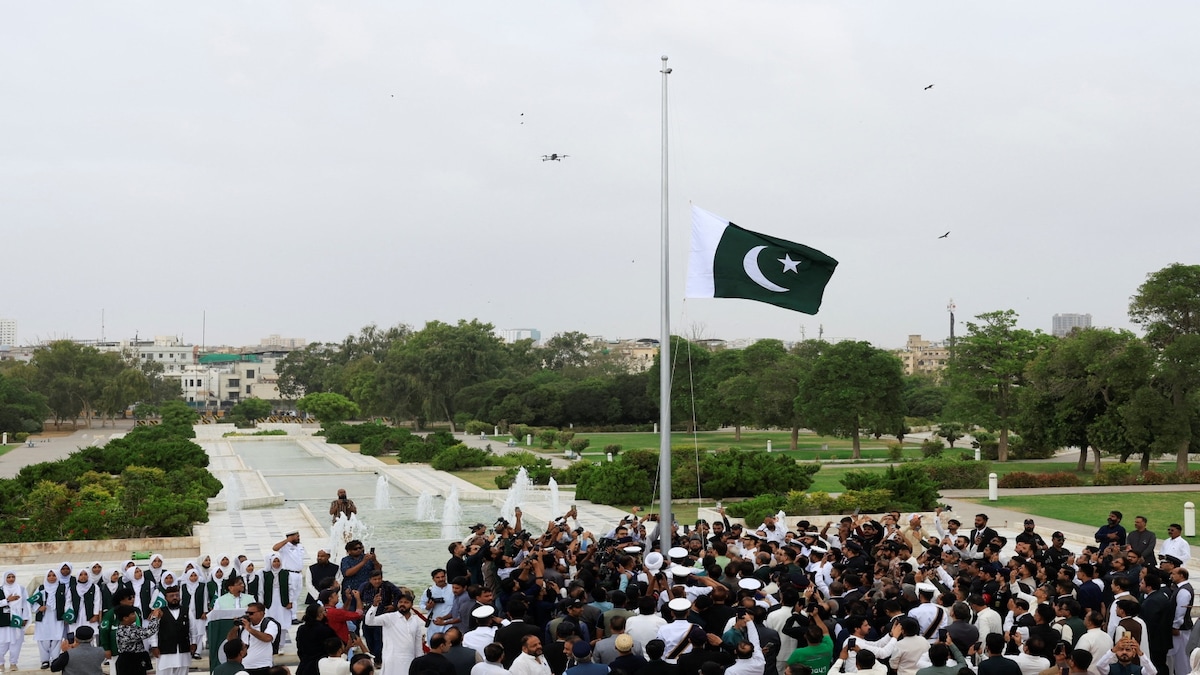
Saudi Arabia said it stopped a drone near the holy city of Mecca.
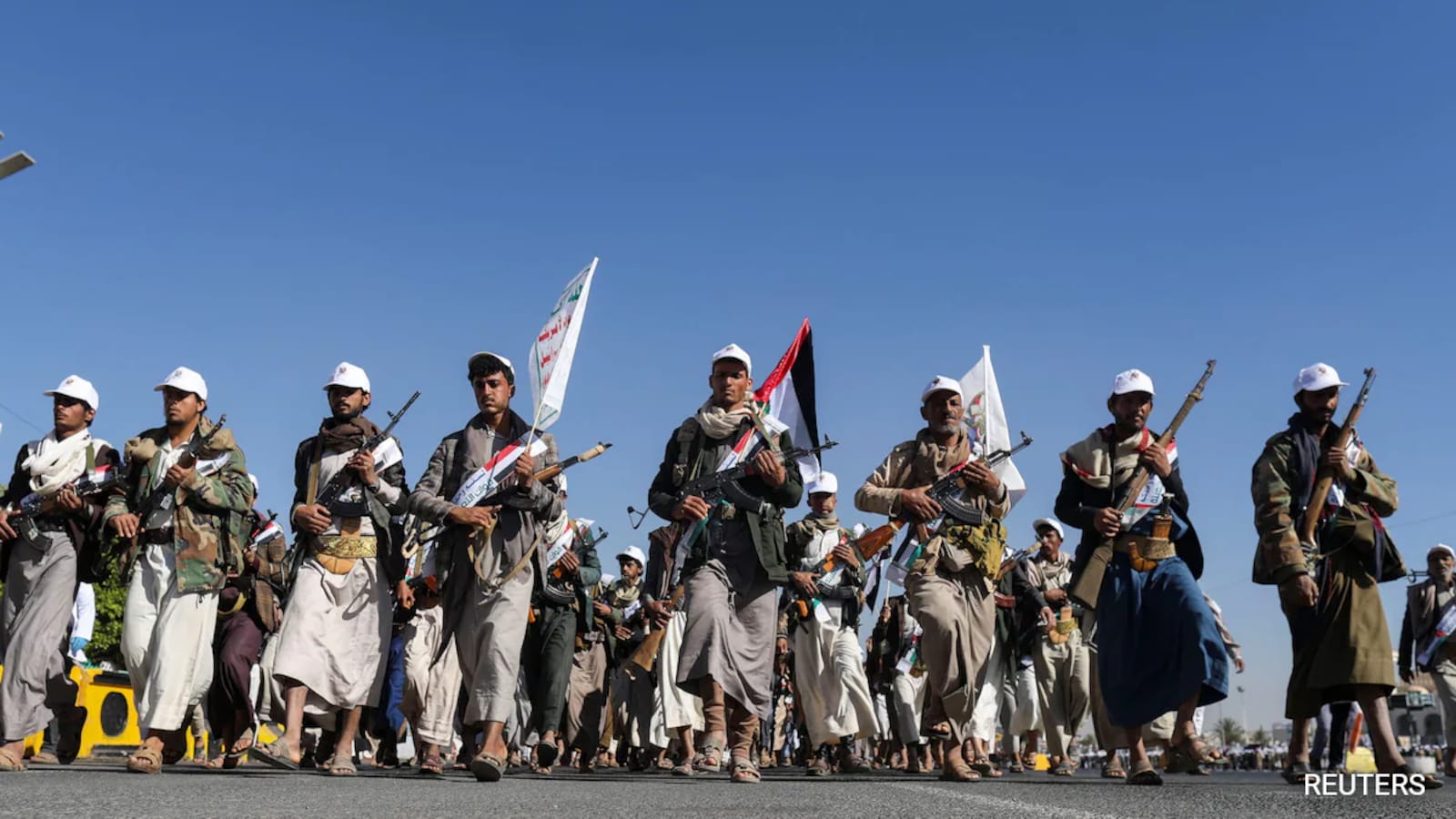
Saudi authorities blamed the drone on Yemen’s Houthis, but the Houthis denied targeting Mecca or any Islamic holy site.
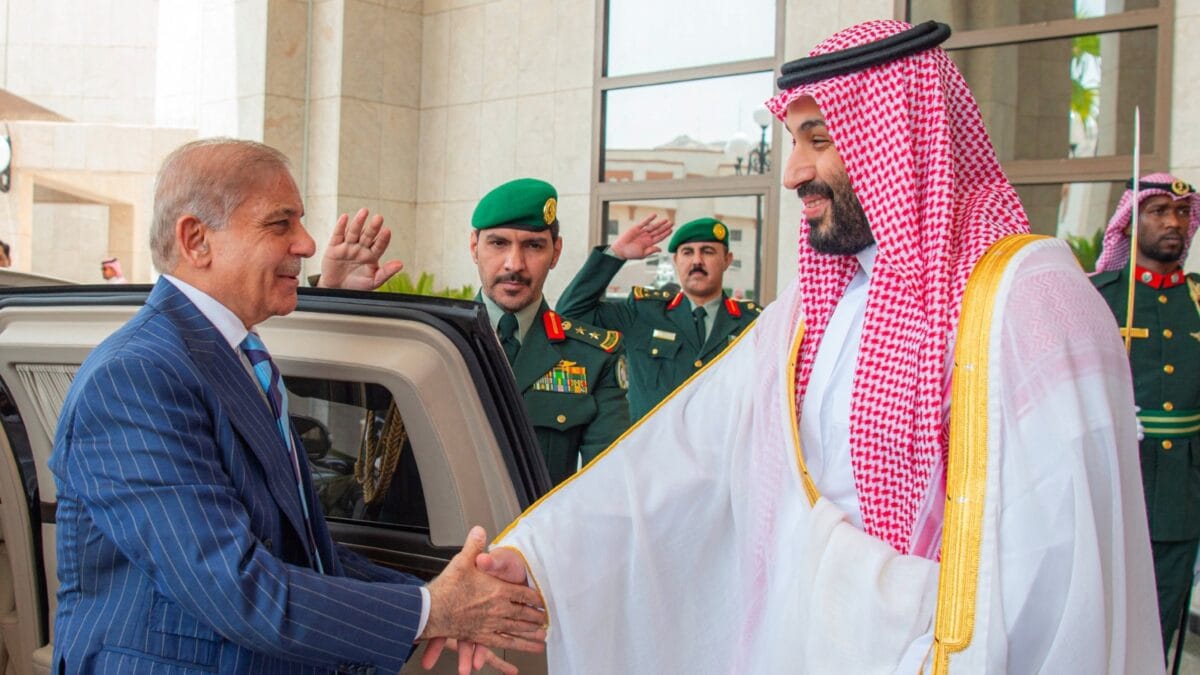
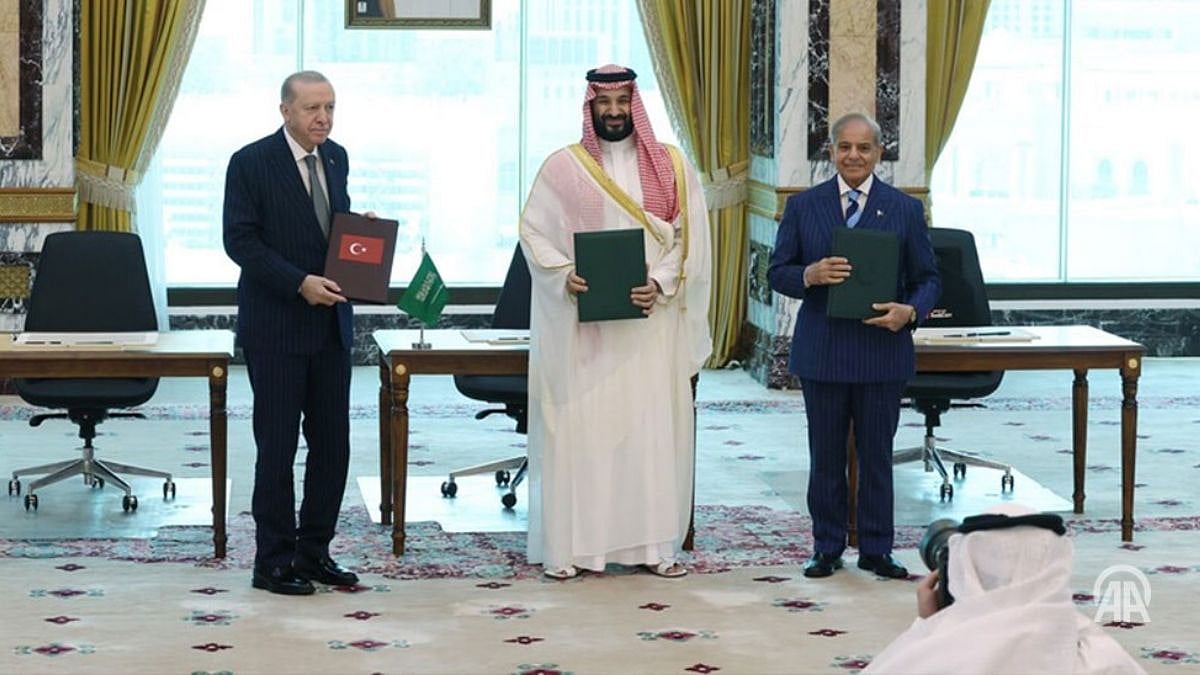
Pakistan’s defence minister said Pakistan would follow its duties under a new defence agreement with Saudi Arabia and Turkiye.
The agreement says the members should help defend one another if one is attacked.
Asif also said Pakistan would protect the holy sites even without the agreement.
Pakistan told Iran about Saudi Arabia’s concerns and said it did not expect Iran itself to open another front.
Pakistani officials called for calm and diplomatic efforts.
They are worried that fighting could spread and disrupt important sea routes.
Pakistan’s prime minister said the country stood with Saudi Arabia while urging all sides to avoid escalation.

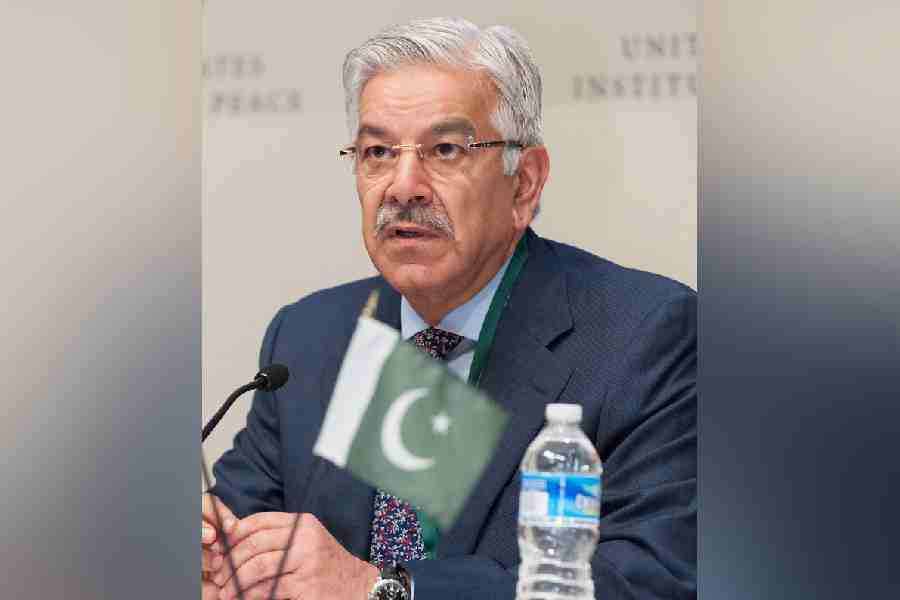
Pakistan’s Defence Minister Khawaja Asif said the country would fulfil its obligations under the Makkah Joint Defence Agreement.
Saudi Arabia said its air defences intercepted and destroyed a Houthi drone south of Mecca before it entered prohibited airspace.
The Houthis denied targeting Mecca or any Islamic holy site.
The agreement among Pakistan, Turkiye and Saudi Arabia treats an armed attack on one member as an attack on all three.
Pakistan urged restraint, conveyed Saudi Arabia’s message to Iran and stressed the importance of keeping regional maritime routes open.
- Who
- Pakistan, Saudi Arabia, Turkiye, the Houthis and Iran are central to the report; Khawaja Asif and Shehbaz Sharif spoke for Pakistan.
- What
- Pakistan reaffirmed its readiness to meet obligations under the Makkah Joint Defence Agreement after Saudi Arabia reported intercepting a Houthi drone near Mecca.
- Where
- The reported interception occurred south of Mecca along Saudi Arabia’s western coast; the agreement was signed in Mecca.
- When
- Saudi Arabia reported the interception on Tuesday; Asif spoke on Wednesday, and Pakistan reiterated its position on Thursday. The agreement was signed on August 7.
- Why
- Pakistan said it must help protect Saudi Arabia and the holy sites under its stated obligations, while seeking to prevent wider escalation and disruption of maritime trade routes.
Saudi and Pakistani Account
Houthi Denial and De-escalation Concerns
What happened near Mecca
Saudi and Pakistani Account
Saudi authorities said a Houthi drone was intercepted and destroyed south of Mecca before entering prohibited airspace.
Houthi Denial and De-escalation Concerns
The Houthis denied targeting Mecca or any Islamic holy site, creating a dispute over the intended target and circumstances.
Meaning of Pakistan’s response
Saudi and Pakistani Account
Pakistan said the Makkah agreement applied and that it would fulfil its obligations; Shehbaz Sharif also said Islamabad stood shoulder to shoulder with Riyadh.
Houthi Denial and De-escalation Concerns
Pakistan’s officials stressed that operational details would remain confidential and called for restraint, dialogue and diplomacy rather than coercive measures.
Iran and regional escalation
Saudi and Pakistani Account
Pakistan conveyed Saudi Arabia’s message to Iran and warned that non-state groups could act without formal state approval or support.
Houthi Denial and De-escalation Concerns
Asif said he did not expect Iran as a state to open another front and said Pakistan would work to prevent the conflict from expanding into additional theatres.
Key facts
- Agreement members
- Pakistan, Turkiye and Saudi Arabia.
- Signing date
- August 7, according to the reports.
- Defence provision
- An armed attack on one member is to be regarded as an attack on all three.
- Reported incident
- Saudi authorities said air defences destroyed a Houthi drone south of Mecca before it entered prohibited airspace.
- Houthi response
- The Houthis denied targeting Mecca or any Islamic holy site.
- Pakistan’s position
- Khawaja Asif said Pakistan would fulfil its duty under the agreement and protect the holy sites even without it.
- Maritime concerns
- Pakistan highlighted the economic importance of keeping the Strait of Hormuz and Bab el-Mandab open.
Quotes
Sajjad Haider Khan
Pakistan’s Foreign Office spokesperson
“However, when, how, where and what force will be used against what objectives, in which modes and matters — operational confidentiality requires us to be discreet at this stage.”
 CNBC TV 18
“If Makkah is attacked, there is no need for an agreement to protect it.”
 telegraphindia.com
CNBC TV 18
telegraphindia.com
CNBC TV 18
 rediff.com
Sources

Related news
Houthi Drone Near Mecca Tests Saudi-Pakistan Defense Pact

Pakistan Rules Out Immediate Military Action After Houthi Attacks
Pakistan Hesitates as Houthi Attack Tests Mecca Defence Pact
Pakistan, Saudi Arabia, Türkiye Hold First Makkah Pact Meeting

Pakistan Defers Military Action After Houthi Attacks on Saudi Arabia
Saudi Allies Face Questions Over Mecca Defence Pact

South Korea Weighs Hormuz Role Amid U.S. Pressure
Trump to Meet Arab Leaders as Iran War Escalates

Saudi Aramco Plans Partial East-West Pipeline Restart After Houthi Strikes

Photos Reveal Hidden Damage From Iranian Strikes on US Bases