1 hr ago
Oil Hits Five-Week High as Hormuz Supply Fears Return

Oil became more expensive because fighting between the United States and Iran raised fears about an important shipping route.
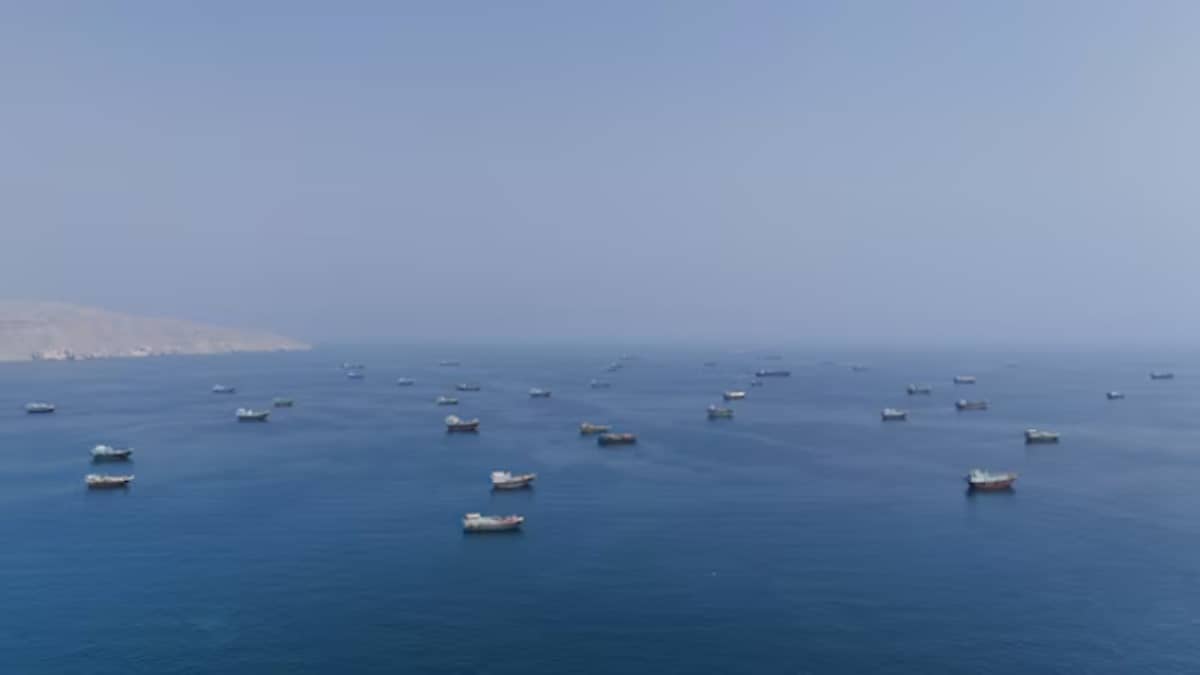
That route is called the Strait of Hormuz.
Many barrels of oil travel through it every day.
Reports said ships and tankers were attacked near the strait.
This made traders worry that oil deliveries could be disrupted.
United States refineries increased production to benefit from higher fuel prices.
Gasoline imports into the United States also fell.
Some officials said oil supplies were becoming more balanced, but major risks remained.

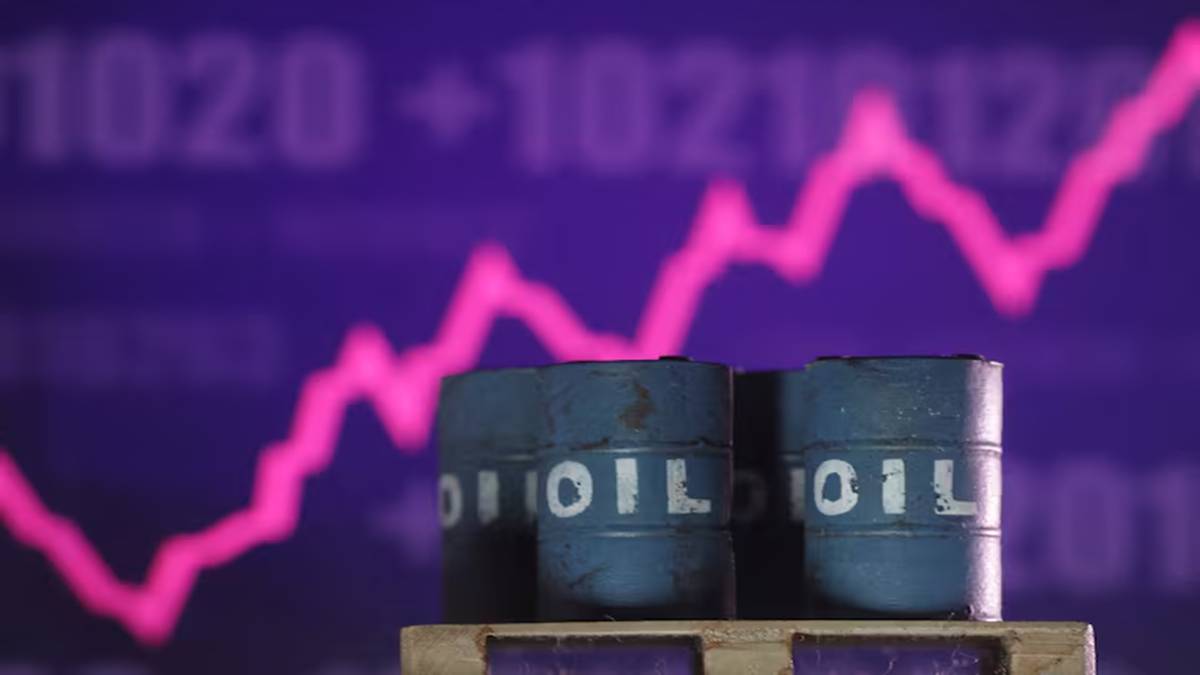
Oil prices rose to a five-week high after renewed United States-Iran fighting increased concerns about shipping through the Strait of Hormuz.
The United States reportedly struck two Iranian vessels, while two supertankers attempting to leave the waterway were reportedly hit by projectiles.
Crude prices are about 30% higher than when the conflict began in late February, with diesel prices rising even more sharply.
United States refinery activity reached its highest level in seven years, while gasoline imports fell to about 370,000 barrels a day.
Officials cited continued oil flows through Hormuz, but Iran’s Islamic Revolutionary Guard Corps said the fighting had tightened the strait’s restrictions.
- Who
- The United States, Iran, shipping companies, oil traders, United States refiners, and energy officials are involved.
- What
- Renewed United States-Iran fighting pushed oil prices to a five-week high and revived concerns about supplies passing through the Strait of Hormuz.
- Where
- The reported attacks and supply concerns center on the Strait of Hormuz, with Iran, Jordan, Bahrain, Kuwait, and the wider West Asia region involved.
- When
- The latest escalation followed another round of United States strikes; the article also references attacks on Tuesday and the previous day, and says the conflict began in late February.
- Why
- Markets feared a prolonged military confrontation and possible disruption to oil and fuel shipments through the Strait of Hormuz.
Supply-risk concerns
Supply-balance assessment
Impact of renewed fighting
Supply-risk concerns
The renewed conflict has shifted expectations toward a prolonged confrontation, raising fears that shipping through the Strait of Hormuz could be disrupted.
Supply-balance assessment
Chevron CEO Mike Wirth said global oil supply and demand were moving back toward balance after increased flows through the Strait of Hormuz in recent weeks.
Status of the Strait of Hormuz
Supply-risk concerns
Iran’s Islamic Revolutionary Guard Corps said the latest fighting had “only tightened the lock” on the waterway.
Supply-balance assessment
United States officials cited substantial ongoing flows through the strait and said additional oil was moving through pipelines that bypass it.
Key facts
- Oil price change
- Crude prices are about 30% higher than when the war began in late February.
- Strait of Hormuz flow
- Scott Bessent said 17 million barrels of crude moved through the waterway on August 31.
- Alternative transport
- Energy Secretary Chris Wright said exports averaged around 8 million barrels a day, with another 4 million to 5 million barrels moving through bypass pipelines.
- United States refinery activity
- Weekly refinery runs reached their highest level in seven years.
- Midwest refinery utilization
- Midwest refinery utilization reached 103.5% of capacity.
- United States gasoline imports
- Gasoline imports fell to about 370,000 barrels a day last week.
- Reported vessel attacks
- The United States reportedly struck two Iranian vessels, while two oil supertankers were reportedly hit by projectiles while leaving the strait.
Sources
Related news

Oil Surges Above $90 as Hormuz Risks Intensify

Oil Prices Surge Above $90 as US-Iran Tensions Escalate
Oil Prices Rise as US-Iran Strikes Threaten Hormuz Supplies

Oil Rises as US Strikes Iranian Launchers Near Hormuz

Oil Prices Rise Fourth Day as Hormuz Fears Grow

Oil Steadies as Trump Signals Iran Strikes May Be Brief
Commercial LPG and City Gas Prices Rise Across India
Iran Blacklists 11 More Vessels Over Hormuz Non-Compliance

International Law Tested by Attacks on Indian Seafarers

Iran War Escalation Renews Concern Over Civilian Death Toll