3 hrs ago
Trucks Jam Turkiye-Iran Border as Blockade Disrupts Trade
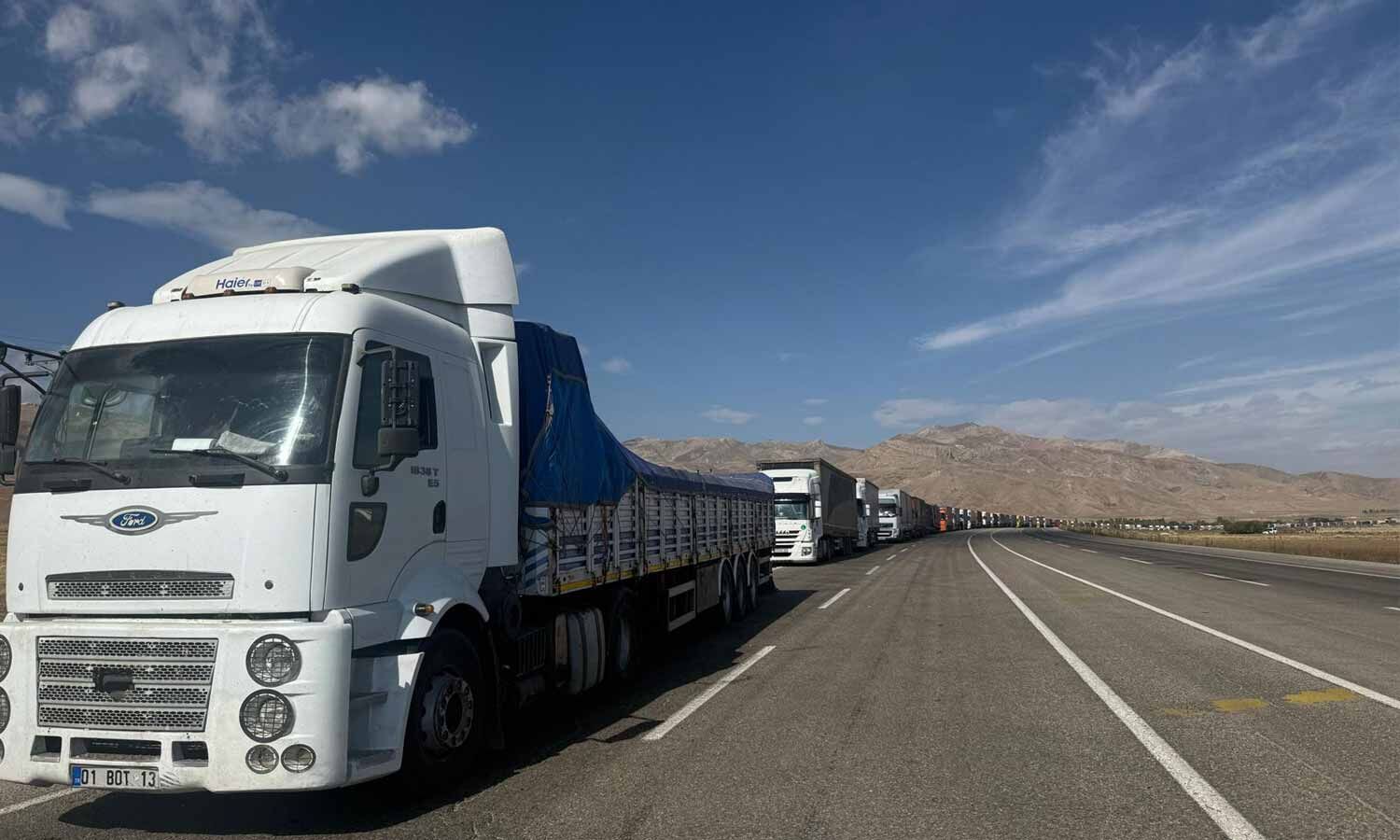
Many trucks are stuck at the border between Turkiye and Iran.
They are carrying important goods that Iran needs for factories and other businesses.
The article says a United States blockade has made it harder for Iran to use ships and ports.
Iran is therefore trying to move more goods by road through Turkiye and Pakistan.
However, the land crossings cannot handle all the extra trucks.
Some drivers wait for many days and earn less money because of the delays.
Drivers also complain about higher fuel and repair costs and a lack of basic facilities.
Iranian officials blame outside pressure and limited border capacity for the problem.
Turkiye and Pakistan say they are taking steps to process more trucks.

Hundreds of trucks are waiting for days at Turkiye's Gürbulak crossing into Iran.
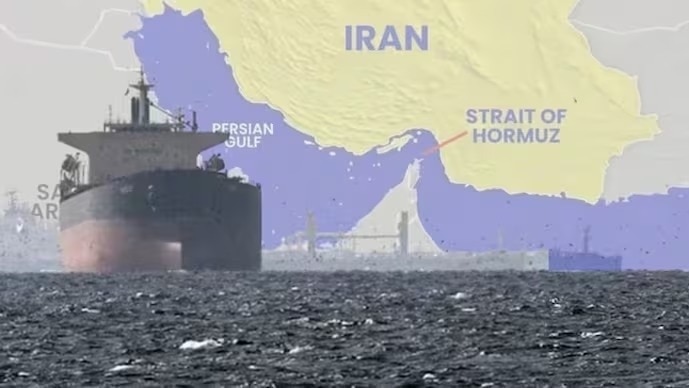
Iran is redirecting trade overland after a United States blockade restricted maritime imports and energy exports.
Truck waiting times at Gürbulak have more than quadrupled since the war began.
Iranian drivers report lower incomes, higher fuel and maintenance costs, and poor conditions while waiting.
Iran, Turkiye, and Pakistan are attempting to increase border capacity and keep crossings open longer.
- Who
- Iranian truck drivers, Iranian officials, and authorities in Turkiye and Pakistan are involved.
- What
- Hundreds of trucks are backed up at the Turkiye-Iran border as Iran shifts trade from sea routes to land.
- Where
- At the Gürbulak Border Crossing in eastern Turkiye, and at crossings between Iran and Pakistan.
- When
- The delays have worsened since the war began on February 28; the report describes conditions observed Tuesday.
- Why
- A United States blockade has restricted Iran's maritime trade, forcing more goods through already strained land crossings.
Iranian Officials and Drivers
Border and Logistics Authorities
Cause of the delays
Iranian Officials and Drivers
Iranian officials blame the United States blockade, war-related disruption, and neighboring countries' limited capacity; drivers also cite inspections, higher costs, and alleged bribery.
Border and Logistics Authorities
Turkish transport representatives say waiting times have already fallen from 30 to 22 days after more lanes and additional X-ray machines were introduced.
Can land trade replace sea trade?
Iranian Officials and Drivers
Iran is treating crossings through Turkiye and Pakistan as vital economic lifelines while maritime routes are restricted.
Border and Logistics Authorities
Economist Mohammad Farzanegan says limited infrastructure, regulations, border controls, and corruption mean overland trade cannot replace or compensate for the blockade.
Responsibility for border capacity
Iranian Officials and Drivers
An Iranian trade official says destination countries are unwilling to build infrastructure because it is unclear how long the disruption will last.
Border and Logistics Authorities
Turkish road officials say infrastructure improvements at Gürbulak are based on a three-year-old plan rather than solely on the current crisis.
Key facts
- Main crossing
- Gürbulak Border Crossing, Turkiye
- Truck queue
- An Iranian official said about 1,200 trucks were waiting, compared with roughly 200 normally.
- Reported wait times
- Some drivers reported waits of 12 to 25 days on the Iranian side; another driver had waited four days.
- Trade dependence
- Iran relied on the Gulf for more than 80% of its trade before the war, according to economist Mohammad Farzanegan.
- Economic impact
- Iran's economy contracted by more than 10% in the three months after March 20, while its non-oil economy contracted by 4.6%.
- Fuel costs
- One driver said Iranian truck fuel prices had risen by 25% since his previous trip.
- Border response
- Turkiye has added lanes and scanning capacity, while Iran and Pakistan plan to keep crossings open 24 hours a day.
Quotes
Amir Roshanbakhsh Ghanbari
Deputy head of an Iranian government trade-promotion agency
“I've been driving through this border gate for 15 years. I've never had to wait as long as now. We had to wait at the end of a seven-kilometer (4.3-mile) line. We used to wait, maximum, for three days here. Because of the war, the waiting times exceed five days.”
 thehansindia.com
“They are trying to create difficulties wherever they can, and they are holding nothing back. They are closing off routes, shutting down air routes, blocking land routes and trying to fuel internal divisions.”
thehansindia.com
Sources
Related news

Iran War Enters Sixth Month as Sanctions Reshape Economy
US Blockade Chokes Trade and Livelihoods in Iran's Bandar Abbas
Iran Economy Strained as US Sanctions Intensify During War

Hormuz Shipping Traffic Plunges 95% Amid Iran War
US-Iran War Deepens Tehran Economic Pain as Hormuz Diplomacy Continues
Iran Drafts Hormuz Reopening Terms as US Blockade Continues
Gulf Oil Workarounds Keep Markets Supplied as Costs Mount
Rubio says Trump remains open to deal with Iran

Oil Falls as Hormuz Shipments and Supply Risks Reemerge
Treasury Yields Hit 19-Year High as Stocks Tumble