

1 week ago
Court orders Gurgaon school to admit EWS lottery winner
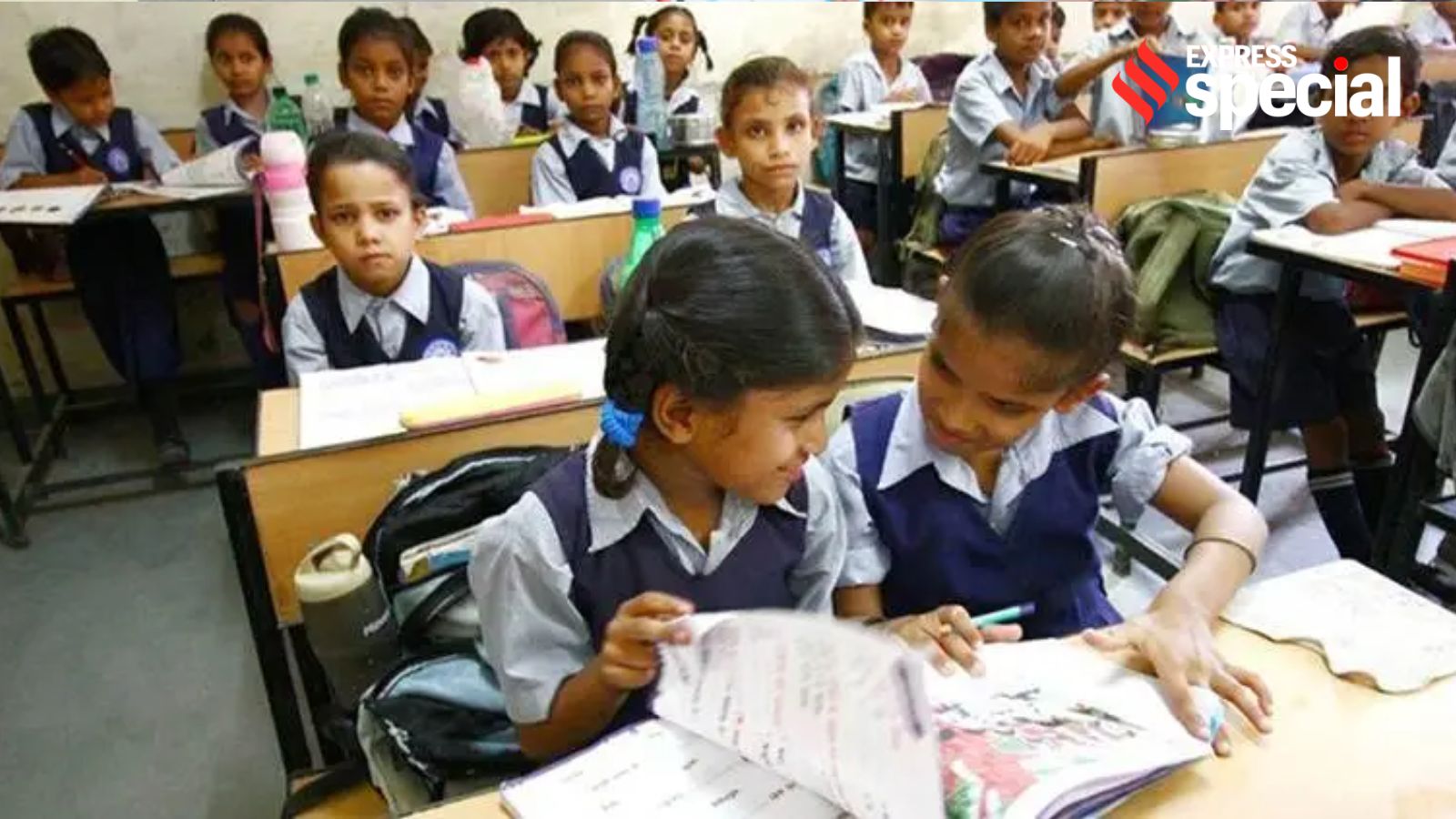
A four-year-old boy named Reyansh won a school seat through a government lottery.
The seat was meant for children from economically weaker families.
His school refused to admit him because his home was more than three kilometres away.
Reyansh’s family said the government system had already given him the seat.
They took the matter to court.
A lower court first refused to order immediate admission.
A district court later overturned that decision and ordered the school to admit him within 15 days.
The district court said the school could not reject a government-approved allotment on its own.
It also said the government application system should have shown families only schools in their neighbourhood.

Four-year-old Reyansh was allotted an EWS seat at The Shri Ram School Aravali on April 29.
The school refused admission, saying the family’s home was more than three kilometres away.
A Gurgaon district court ordered the school to admit Reyansh within 15 days.
The court said private schools cannot independently reject seats allotted by the competent state authority.
The school said it rejected 16 of 45 allotted EWS candidates over distance concerns.
- Who
- Reyansh, his father Rajpal Chauhan, The Shri Ram School Aravali, and Haryana education authorities.
- What
- A Gurgaon district court ordered the school to admit Reyansh after it rejected his EWS-quota seat.
- Where
- The dispute concerns The Shri Ram School Aravali and the family’s residence in Begumpur Khatola, Gurgaon.
- When
- The seat was allotted on April 29; the lower-court plea was dismissed on July 13, and the district court order was issued on August 18.
- Why
- The school cited the Haryana neighbourhood-distance requirement, while the family argued that the state’s lottery had already allotted the seat.
Family and Court
School
Effect of the lottery allotment
Family and Court
The family argued that the government’s scrutiny and lottery allotment should result in admission, and the district court said the school could not independently sit in appeal over that decision.
School
The school argued that the provisional computerised draw did not create an absolute or final right to admission.
Neighbourhood distance rule
Family and Court
The court said applicants should not be expected to understand the neighbourhood definition and criticised the portal for failing to filter schools by address.
School
The school said the boy’s address failed the distance requirement under Haryana’s Right to Education rules and that rejecting him followed departmental guidelines.
Rejected EWS admissions
Family and Court
The court said granting only one admission out of 45 allotted seats indirectly defeated statutory protections for economically weaker children.
School
The school stated that it rejected 16 allotted candidates after document verification because of distance concerns.
Key facts
- Student
- Reyansh, aged four
- Admission quota
- Economically Weaker Section quota under the Right to Education framework
- Seat allotment
- Made through a computerised lottery conducted by the Haryana Department of School Education on April 29
- School’s reason for rejection
- The family’s residence was more than three kilometres from the school
- District court direction
- The school must admit Reyansh within 15 days
- RTE allotments cited by school
- Forty-five students received EWS-quota allotments; one was admitted and 16 were rejected over distance
- Procedural issue
- The state admission portal did not automatically filter school choices according to residential addresses
Quotes
Dr Gagan Geet Kaur
Additional District Judge who issued the admission order
“The boy belongs to a poor family. The father is the only breadwinner and does odd jobs. We had to appeal after the lower court ruled in the school’s favour.”
 indianexpress.com
“It cannot be expected from the applicant, belonging to such section of society that he would know the definition of neighbourhood area/neighbourhood school.”
indianexpress.com
Sources
Related news
Allahabad High Court Seeks Five-Year RTE Data in Uttar Pradesh

What Indian Law Promises Every Government School Student
Calcutta High Court orders EWS certificate for NEET-UG aspirant

Bombay High Court Orders Reimbursement After Six-Year Medical Fee Fight
HC Questions Chandigarh Administration Appeal in Teacher Pay-Parity Case
Calcutta HC orders probe into unaffiliated schools in Kolkata, Howrah
Shinde Sena Challenges Shiv Sena’s 2018 Power Shift

Supreme Court Questions BCI Chairman’s Proposed Five-Year Tenure

BJP MPs Seek National Commission for General Category Interests
PUCL Urges CJI Action Over Rajasthan High Court Allegations

Supreme Court Questions IPS Deputation for CAPF Leadership Positions
