

3 weeks ago
What Indian Law Promises Every Government School Student

In India, every child between six and fourteen years old has a legal right to go to school for free.
The law promises that a school should be close enough to walk to, with safe buildings, clean drinking water, separate toilets for boys and girls, and a playground.
Teachers are not allowed to hit children or scare them, and a child cannot be kicked out of school just because it is hard for them to learn.
The law also says there should be enough teachers for the number of students in a class.
Children should get a hot, healthy meal at school every day, with just the right amount of calories and protein to help them grow.
Sometimes, these promises are broken, and children have to take dangerous routes to school, eat poor food, or study with too few teachers.
When that happens, videos and reports help people notice, and the National Human Rights Commission can step in to look into the problem.
Knowing what the law promises helps us see when schools are doing a good job and when they need help.

India's Article 21A and the RTE Act 2009 make free and compulsory elementary education a fundamental right for children aged 6 to 14.
The RTE framework requires a neighbourhood school within 1 km for primary classes and 3 km for upper primary, with the government responsible for mapping gaps.
The NHRC took suo motu cognisance of Vidisha, Madhya Pradesh students crossing the Betwa River on check-dam pillars to shorten a 13-km trip to about 1.5 km.
The NHRC also acted on reports from Liwali village, Rajasthan, where girls were allegedly searched and mistreated after Rs 1,000 went missing, with no money recovered.
Under PM POSHAN, primary meals must provide 450 calories and 12 grams of protein, and upper-primary meals 700 calories and 20 grams; the scheme reaches about 11.8 crore children across roughly 11.2 lakh schools.
Students in Barmer, Rajasthan locked school gates to protest having a single regular teacher for more than 150 students across Classes 1 to 12, far above the RTE pupil-teacher ratio norms.
- Who
- Government school students across India, including students in Vidisha (Madhya Pradesh), Liwali village in Sawai Madhopur (Rajasthan), Sitapur (Uttar Pradesh), and Barmer (Rajasthan); the National Human Rights Commission; the central and state governments.
- What
- A set of legal promises guaranteeing free and compulsory elementary education, neighbourhood schools within prescribed distances, safe facilities, no corporal punishment, teacher ratio norms, and nutritious mid-day meals under PM POSHAN — several of which were reported violated in specific incidents.
- Where
- India, specifically Vidisha in Madhya Pradesh, Liwali village in Sawai Madhopur and Barmer in Rajasthan, and Sitapur in Uttar Pradesh.
- When
- The RTE Act came into force on 1 April 2010; the incidents and NHRC actions were reported in 2026, with one source dated 30 July 2026.
- Why
- To explain the baseline entitlements every government school student has under law and to highlight where reported incidents fell short of those standards.
Legal-rights and child-welfare perspective
Implementation and state-resource perspective
Enforcement of school infrastructure and distance norms
Legal-rights and child-welfare perspective
Where children are forced to cross rivers or travel far beyond prescribed distances, the state is failing a legally guaranteed right, and the NHRC is right to intervene suo motu.
Implementation and state-resource perspective
India's scale makes universal compliance difficult in remote habitations; the remedy lies in phased government mapping and resource allocation rather than treating every gap as a violation.
Pupil-teacher ratio compliance
Legal-rights and child-welfare perspective
The Barmer protest reflects a clear breach of the RTE Act's staffing norms — a single regular teacher for over 150 students is far below what the law requires, and students should not have to protest to get it.
Implementation and state-resource perspective
Teacher deployment is a state responsibility with practical constraints such as rural postings and recruitment cycles; ratios are targets to be reached progressively through RMSA and state schemes.
Quality of mid-day meals
Legal-rights and child-welfare perspective
Thin potato curry and burnt rotis as shown in the Sitapur video fall short of the prescribed nutritional standards and undermine the law's promise of a nutritious meal.
Implementation and state-resource perspective
States decide local menus to meet centrally set benchmarks, so meal quality varies; individual viral incidents may not reflect the overall programme serving 11.8 crore children daily.
Key facts
- Legal basis
- Article 21A of the Indian Constitution and the Right of Children to Free and Compulsory Education Act, 2009
- RTE Act commencement
- 1 April 2010
- Distance norms
- 1 km for primary (Classes 1-5); 3 km for upper primary (Classes 6-8)
- Pupil-teacher ratio
- 30:1 at primary level; 35:1 at upper primary level; secondary-level 30:1 target from RMSA framework
- Minimum instructional days
- 200 working days for Classes 1-5; 220 for Classes 6-8
- PM POSHAN meal norms
- Primary: 450 calories and 12g protein; Upper primary: 700 calories and 20g protein
- PM POSHAN scale
- Roughly 11.8 crore children across about 11.2 lakh schools; Centre supplies about 26 lakh metric tonnes of foodgrains a year via FCI
Sources
Related news

NHRC issues notice over children crossing dam to school
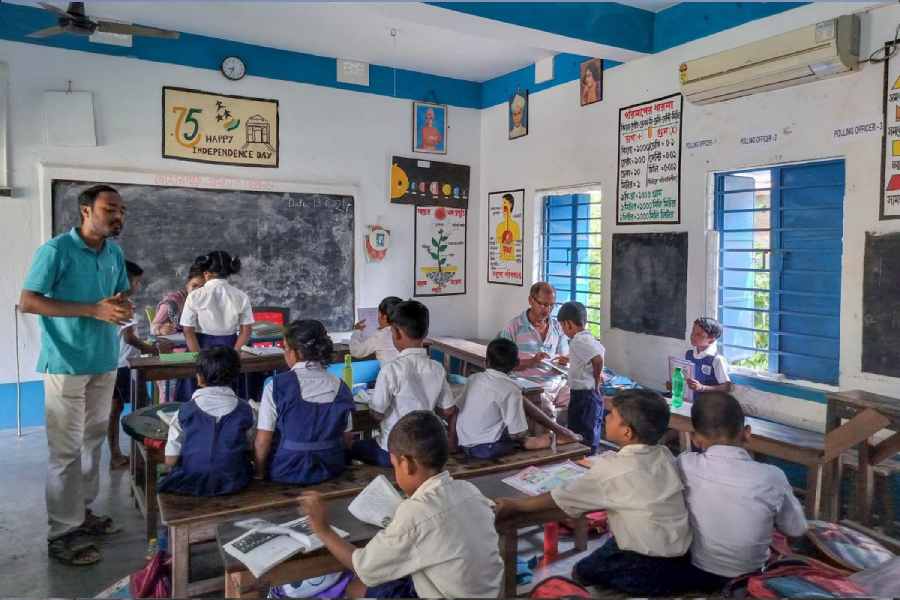
Rural Government Schools Face Teacher and Toilet Crisis
Allahabad High Court Seeks Five-Year RTE Data in Uttar Pradesh
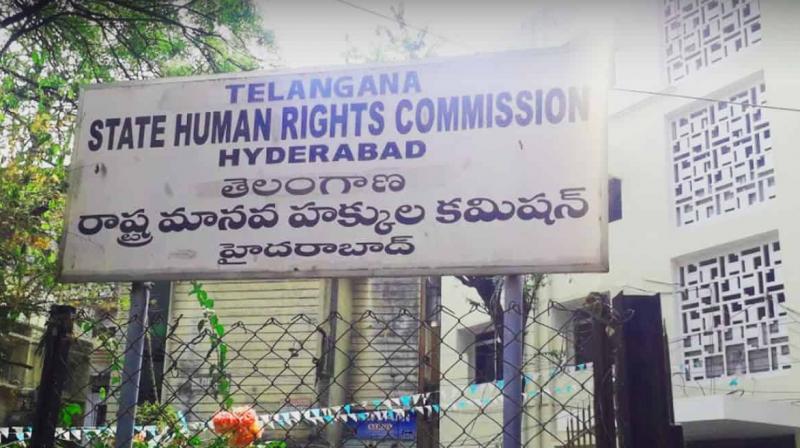
Telangana Human Rights Commission Orders Action on School Amenities
Court orders Gurgaon school to admit EWS lottery winner

Educating the vulnerable: no-detention masks tribal learning deficits
West Bengal Plans Inclusive Education Push For Specially-Abled Students

Tamil Nadu Assembly Seeks Permanent TET Exemption for Teachers

MP Teachers Boycott TET Amid Eligibility and Syllabus Confusion
