

3 days ago
How Foreign Rule and Institutions Reshaped Bharatiya Cultural Life

For a very long time, life in Bharat connected family, learning, farming, spirituality and community institutions.
Temples were not only places for worship; they also supported education, art, charity and local jobs.
Different medieval rulers changed political systems, and some temples were harmed while others received protection.
European colonial powers later introduced new laws, schools, offices and ways of classifying people.
English education created new opportunities but also reduced the place of some traditional knowledge.
Changes in farming and technology also weakened the cow’s older role in the rural ecosystem.
India became independent in 1947 and adopted its Constitution in 1950.
However, many earlier institutions continued after independence.
The article says India can use modern science and democracy while also reconnecting with its own knowledge and traditions.

Bharat’s culture historically connected family, community, education, agriculture, spirituality and local institutions.
Medieval rule brought changing systems of authority, taxation and law, with both temple destruction and periods of accommodation.
Temples often supported learning, art, charity, employment and community life beyond worship.
Colonial administration standardized law, education, revenue systems, policing, bureaucracy and social classification across much of Bharat.
Independent India retained many inherited institutions while facing the challenge of combining modern progress with civilisational roots.
- Who
- Bharat’s communities and institutions, medieval rulers, European colonial powers and independent India.
- What
- Centuries of political, legal, educational and economic change reshaped Bharatiya cultural life and its supporting institutions.
- Where
- Across Bharat, or the Indian subcontinent, with different regions experiencing different rulers and policies.
- When
- From the medieval period through European colonial rule, independence in 1947 and the constitutional era beginning in 1950.
- Why
- To explain how inherited systems changed cultural institutions and to consider how India can pursue progress while reconnecting with its roots.
Key facts
- Independence
- India achieved political independence in 1947.
- Constitution
- The Constitution was adopted in 1950.
- Indian Penal Code
- The Indian Penal Code was enacted in 1860 as an example of colonial legal codification.
- First all-India census
- The first all-India census exercise began in 1872.
- Colonial administration
- British rule developed an extensive centralized system involving law, courts, policing, revenue, bureaucracy, education and census administration.
- Traditional institutions
- Learning took place through gurukulas, pathshalas, temples, monasteries, families and community networks.
- Cultural change
- The article argues that visible traditions may remain while the institutional ecosystems supporting them change.
Sources
Related news
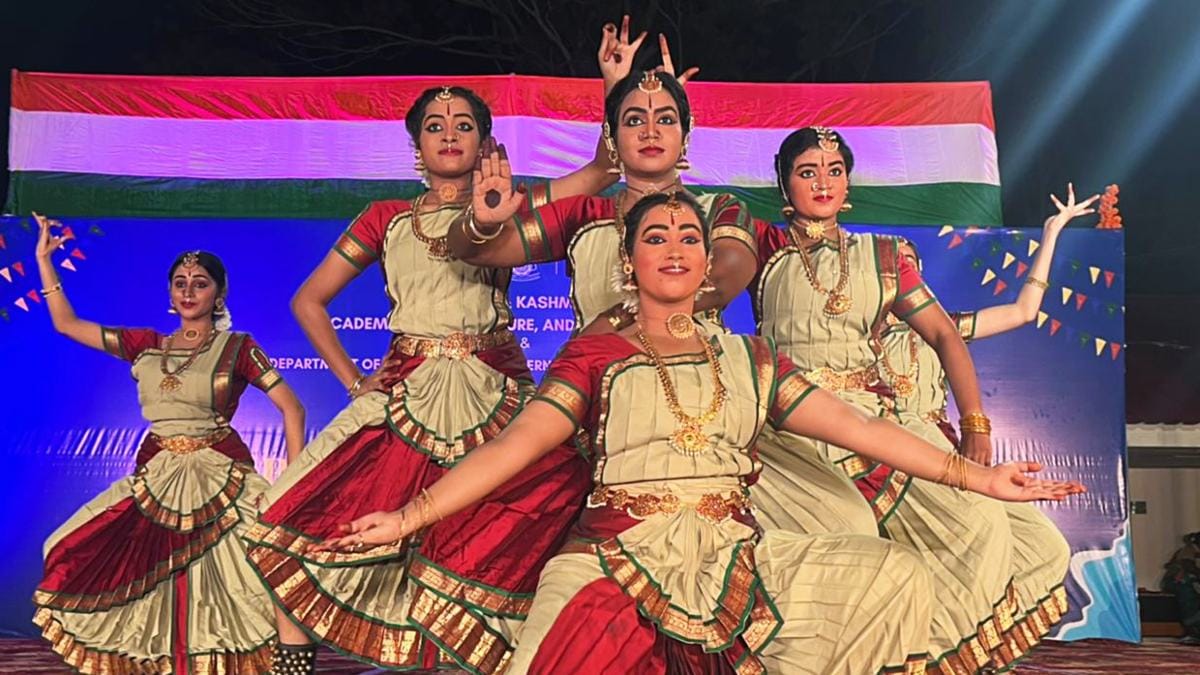
India’s Cultural Heritage Strengthens Its Global Soft Power
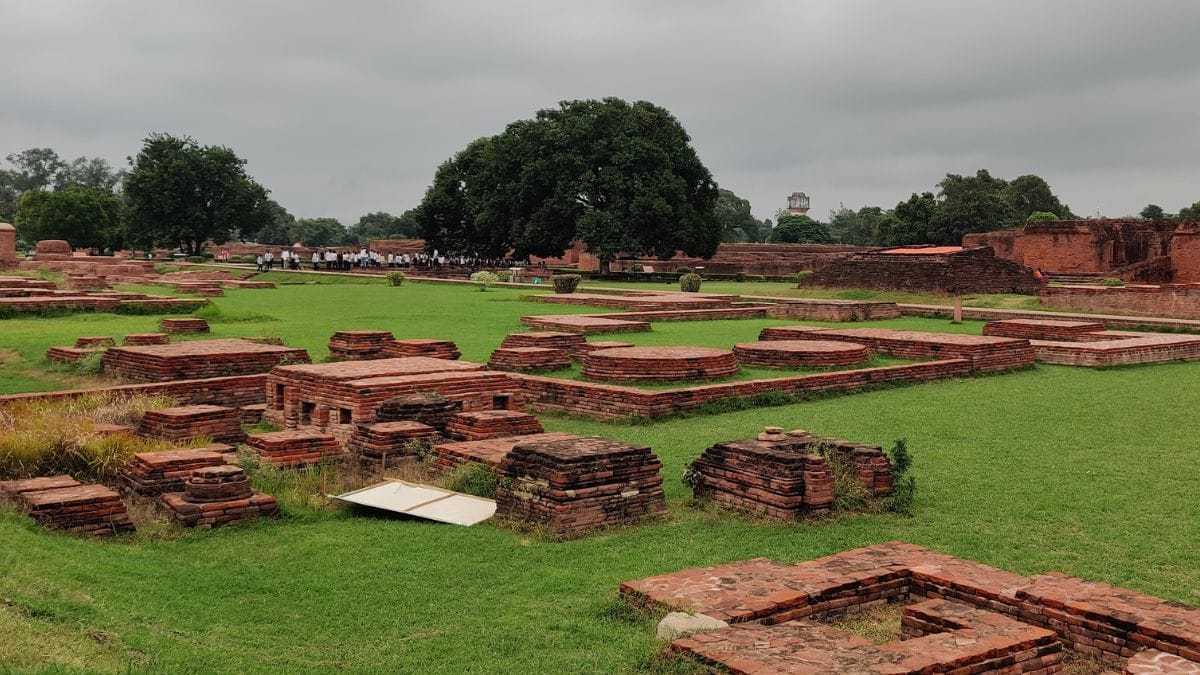
India’s Traditional Education Mostly Served Elites, Not Everyone

How Indigenous Sacred Traditions Endure Across the North East

Nourishing cultural roots in the digital age builds strong nations

India's Academic Freedom Hits Lowest Level Since 1900, Editorial Warns

Supreme Court Quashes 20-Year Conviction, Reaffirms Juvenile Legal Protections
Kerala HC Rules POCSO Overrides Muslim Marriage Law

Delhi-NCR Bus Assault Reignites Questions About Post-Nirbhaya Safety Laws

Bombay High Court Upholds Life Term in Wife’s Murder
