

1 week ago
India’s Cultural Heritage Strengthens Its Global Soft Power
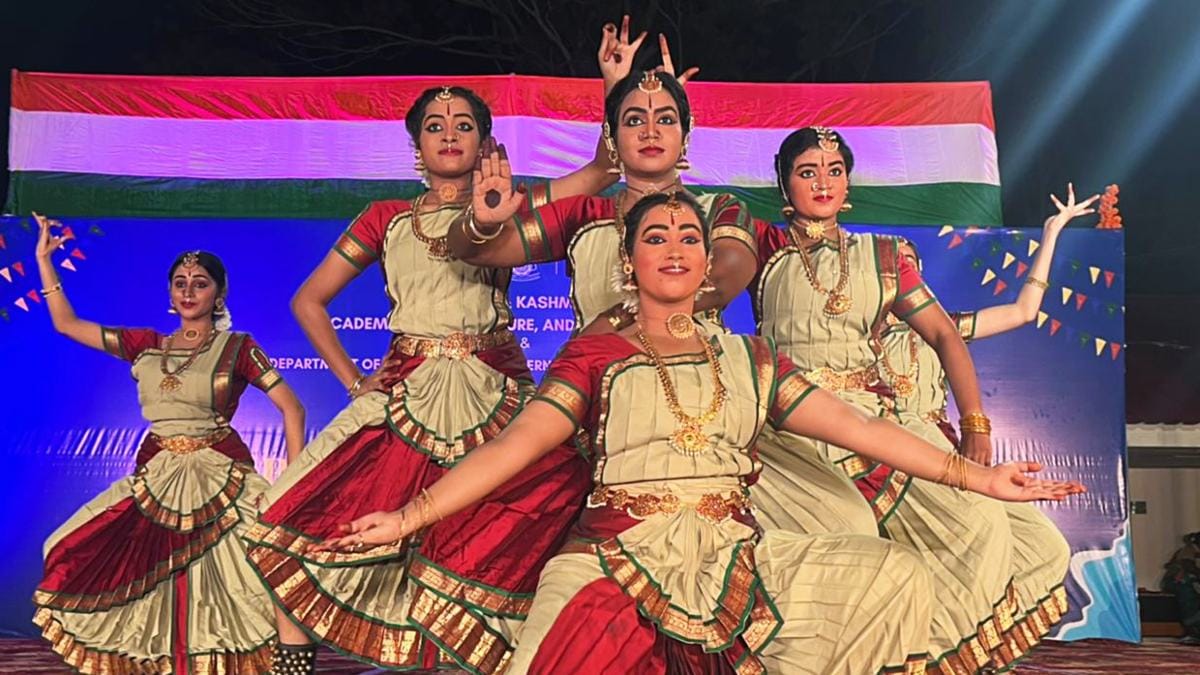
Soft power means influencing people through culture and ideas instead of force.
The article says India has used its culture to connect with people for thousands of years.
Its traditions include yoga, dance, food, films, monuments and religious festivals.
India’s culture has also changed by mixing with Greek, Muslim and other influences.
The author says this mixing made Indian civilisation diverse and dynamic.
UNESCO recognises many Indian heritage sites and cultural practices.
Yoga Day, celebrated internationally on 21 June, is one example of India’s cultural influence.
Cultural exchanges can help countries understand one another and reduce conflict.
The article argues that India should teach and protect this heritage for future generations.

India’s cultural and civilisational heritage is presented as a major source of soft power rooted in tolerance, inclusiveness and cultural exchange.
The article traces India’s heritage through Harappan, Buddhist, Jain, Hindu, Indo-Islamic and colonial-era influences.
India has 45 World Heritage sites and 16 elements on UNESCO’s Representative List of Intangible Cultural Heritage.
Yoga, classical dance, Bollywood, Indian cuisine and religious tourism are identified as important tools of cultural diplomacy.
The Indian Council for Cultural Relations, established in 1950, supports India’s cultural relations with countries worldwide.
- Who
- India, its cultural institutions and diaspora, and international organisations including UNESCO.
- What
- The article argues that India’s cultural and civilisational heritage is a powerful form of soft power and cultural diplomacy.
- Where
- India and countries around the world connected through Indian cultural practices, heritage sites, diaspora networks and cultural diplomacy.
- When
- The discussion spans ancient history to the present, including the establishment of the Indian Council for Cultural Relations in 1950, UNESCO recognitions in 2006 and later, and the creation of International Day of Yoga in 2014.
- Why
- The author says cultural exchange can promote tolerance, strengthen international relationships, rebuild trust and help prevent conflict.
Key facts
- Soft power
- Influence gained through culture, values and attraction rather than coercion or military force.
- Cultural institution
- The Indian Council for Cultural Relations was established in 1950 to strengthen India’s cultural relations worldwide.
- World Heritage sites
- India is described as having 45 World Heritage sites.
- Intangible heritage
- India has 16 elements on UNESCO’s Representative List of Intangible Cultural Heritage.
- International Day of Yoga
- The United Nations General Assembly recognised 21 June as International Day of Yoga after an initiative by Prime Minister Narendra Modi in 2014.
- 2006 recognition
- Aapravasi Ghat in Mauritius was inscribed on UNESCO’s World Heritage List in July 2006 with India’s support.
- Future nominations
- The article says Sarnath was inscribed in 2026 and a joint India-Mauritius nomination for Chhath Mahaparv was being sought for the 2027 cycle.
Quotes

Rabindranath Tagore
Indian poet and philosopher quoted on cultural exchange and India’s global cultural responsibility.
“India represents the wealth of mind which is for all. We acknowledge India’s obligation to offer to others the hospitality of her best culture. And India’s right to accept from others their best.”
 theprint.in
“India for thousands of years peacefully existed. We, of all nations of the World, have never been a conquering race. And that blessing is on our head. And therefore we live.”
theprint.in
Sources
Related news

Modi unveils India's soft power, sports vision on Independence Day
Bhagwat Says India Became Vishwaguru Through Service, Not Power

How Foreign Rule and Institutions Reshaped Bharatiya Cultural Life
India's Enduring Answer to Collapse Predictions on 79th Independence Day
Naidu Orders Speedy Construction of 5,000 Temples in Andhra Pradesh
UPI Accepted in 11 Countries, But Payments Vary
UPI Hits Record August Volume as Festive Demand Fuels Growth

India Probes Suspicious Outward Remittances Exceeding Rs 30,000 Crore
Telangana Promises Support for Telugu Language and Culture in Mauritius
