

3 weeks ago
India's Academic Freedom Hits Lowest Level Since 1900, Editorial Warns

Experts from a project called Varieties of Democracies check how free teachers and students are to learn and share ideas in countries around the world.
Their latest report says India is doing very poorly, worse than most of the 179 countries they studied.
In fact, the report says freedom in Indian universities is now lower than it has been since the year 1900.
This freedom has been dropping quickly since around 2013.
The report looks at things like whether universities can run themselves, whether teachers can choose what to research, and whether students and teachers can speak their minds.
The newspaper article blames the central government, which has been making more rules that universities must follow.
For example, new rules say university leaders do not have to be experienced professors anymore.
Teachers now need government permission for many of their activities, and some people who disagree with the government say they are punished.
Many teachers are so worried that they censor themselves instead of expressing their ideas.
The writers warn that this is bad for learning and for democracy, because universities should be places where people can question and debate.

The V-Dem Academic Freedom Index places India among the lowest 10-20% of 179 countries and territories for academic freedom.
India scored 0.14 on the index in 2025, 0.269 points lower than in 2015, with freedom at its lowest since 1900.
The sharpest decline occurred between 2013 and 2025, during rule by the Bharatiya Janata Party-headed central government.
New vice-chancellor selection rules allow candidates with 10 years' experience in industry, public administration or policy, not just scholars.
Government approval is now needed for research topics, conference themes and guest speakers, and dissenting professors and students face penalties.
- Who
- Indian universities, professors and students, assessed by the Varieties of Democracies (V-Dem) project, under the Bharatiya Janata Party-headed central government.
- What
- India's academic freedom has fallen to its lowest level since 1900, ranking among the bottom 10-20% of 179 countries and territories.
- Where
- India
- When
- Report data for 2025, with the sharpest decline occurring between 2013 and 2025.
- Why
- The editorial attributes the decline to the centralisation of education, erosion of institutional autonomy, and government control over research, teaching and campus life.
Critics of the Government's Education Reforms
The Central Government's Education Agenda
Centralisation of Higher Education
Critics of the Government's Education Reforms
Bringing institutions like the Indian Statistical Institute and Tata Institute of Social Sciences under uniform regulation subverts their self-governance systems and erodes institutional autonomy.
The Central Government's Education Agenda
The thrust to centralise education is meant to realise the National Education Policy 2020 aim of one coherent ecosystem of education, with the Vikshit Bharat Shiksha Adhishthan Bill making this process official.
Vice-Chancellor Selection Criteria
Critics of the Government's Education Reforms
New regulations letting non-scholars with 10 years' experience in industry, public administration or policy lead universities diminish the role of teachers and states and increase the dominance of non-academic persons and principles.
The Central Government's Education Agenda
The regulations broaden vice-chancellor eligibility so that a person with 10 years' experience in industry, public administration or policy, rather than only a professor with a decade's experience, may be considered.
Key facts
- Academic Freedom Score (2025)
- 0.14
- Drop Since 2015
- 0.269 points
- Global Position
- Among lowest 10-20% of 179 countries and territories
- Period of Sharpest Decline
- 2013-2025
- Index Publisher
- Varieties of Democracies (V-Dem) Academic Freedom Index
- Assessment Parameters
- Freedom to research and teach; institutional autonomy; academic exchange and dissemination; campus integrity; academic and cultural expression
- Policy Context
- National Education Policy 2020; Vikshit Bharat Shiksha Adhishthan Bill
- Institutions Affected
- Indian Statistical Institute; Tata Institute of Social Sciences
Sources
Related news
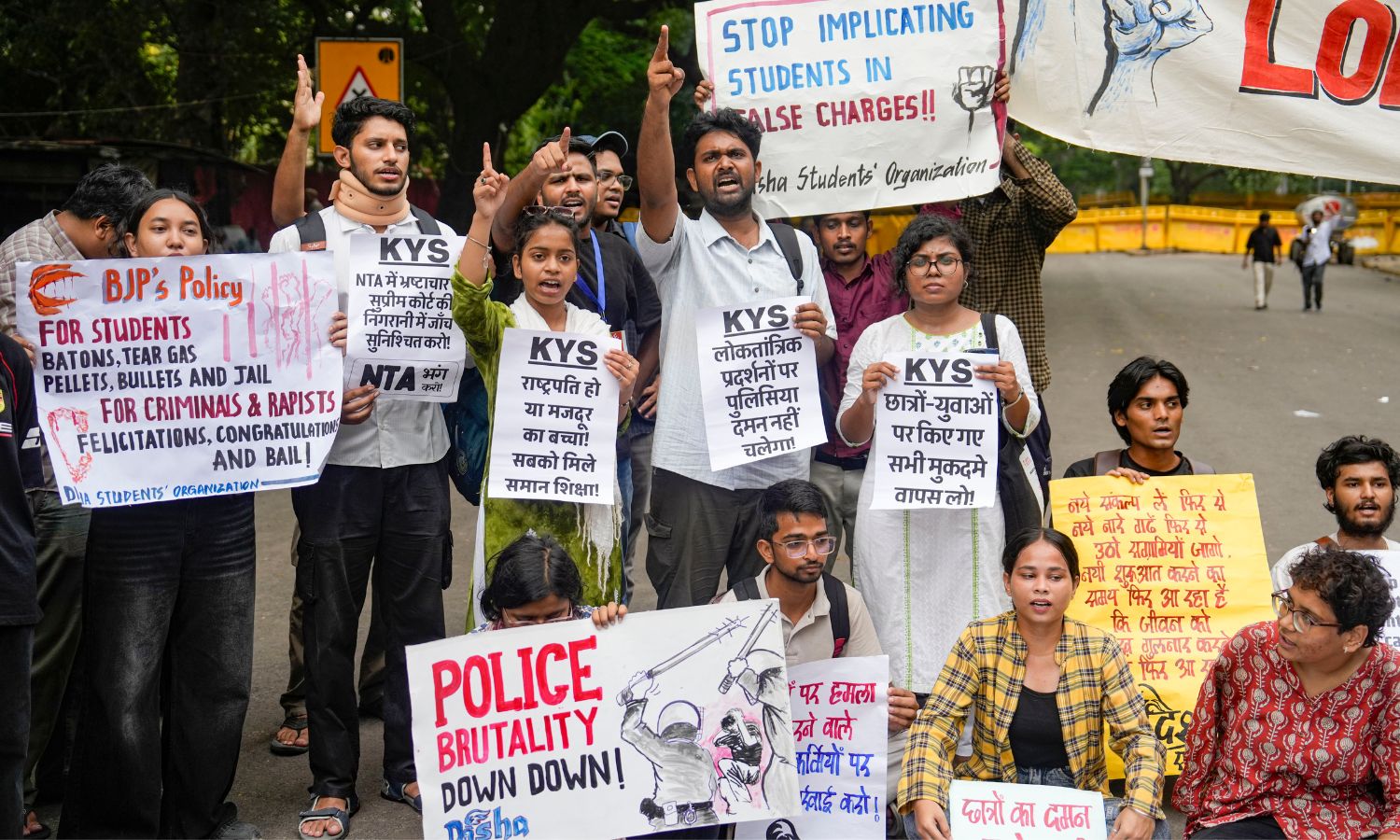
Academic Freedom Index 2026 Calls India an Autocratizing Country
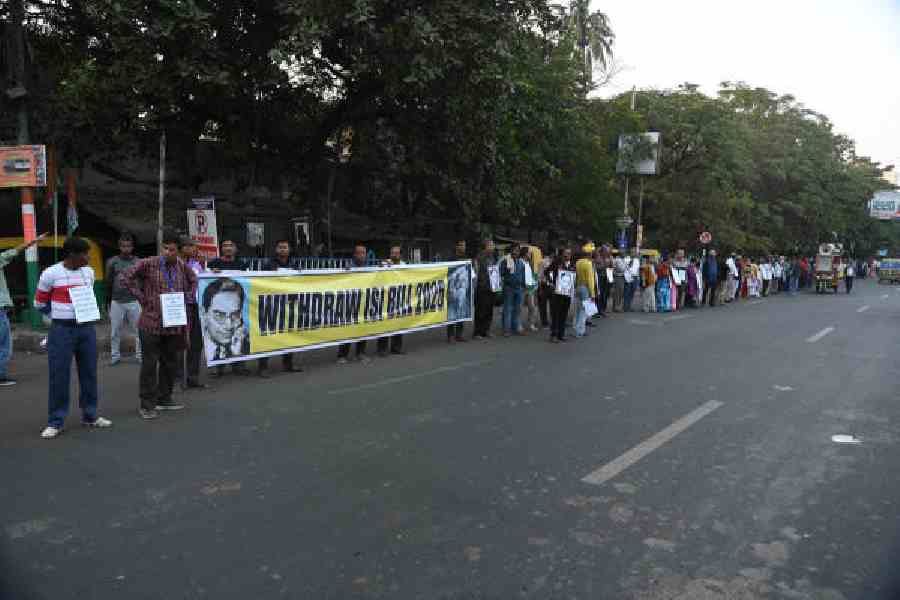
India's Higher Education Control Push Sparks Autonomy Debate
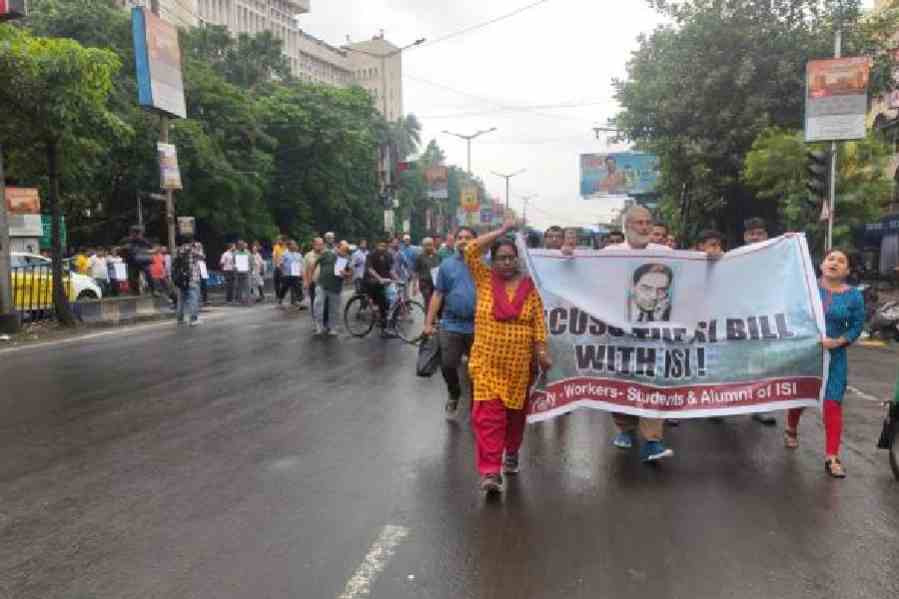
Academics Sign Petition Against Indian Statistical Institute Bill 2026
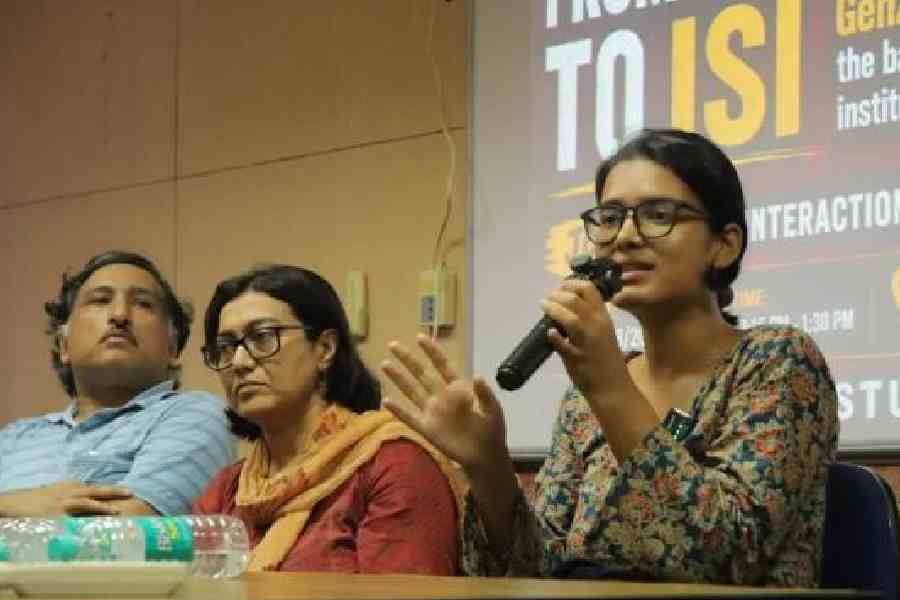
Student leader Neha Bora backs ISI autonomy fight against Bill
NCERT Granted Deemed University Status Despite Faculty Autonomy Concerns

NCERT Prepares Classes 10-12 Textbooks For Responsible AI Use

Ramesh Seeks Funds for 13 JNVs and Two AIIMS
Andhra Pradesh Government Schools Told to Prioritize Practical Skills

West Bengal, UNICEF Begin Workshop on Inclusive Education

India’s Exam Reform Must Begin in the Classroom
