

2 weeks ago
Nourishing cultural roots in the digital age builds strong nations

Imagine a big tree—its branches are tall, but its roots keep it safe in a storm.
This article says people and countries are like trees.
We live in a world with phones, the internet, and machines that can answer any question.
But even though we can talk to people everywhere, many people feel lonely and confused about who they are.
The article says remembering your culture—your language, stories, festivals, and traditions—is like having strong roots.
Countries like Japan, South Korea, and Italy stayed successful while still loving their traditions.
It says school should teach more than math and science; it should also teach kindness, honesty, and pride in your heritage.
Stories about brave and clever people from history help kids learn how to be good and strong.
You do not have to choose between old traditions and new ideas—the two can work together.
When people know where they came from, they feel confident and can do great things.

The essay argues that societies cannot truly progress by forgetting their roots, comparing deep cultural roots to a tree's survival in a storm.
Japan, South Korea, and Italy are cited as nations that modernized while preserving their traditions and cultural identity.
The writer contends education must build character—integrity, compassion, cultural awareness—not just careers and credentials.
Storytelling of epics, folk traditions, and figures like Raja Harishchandra, Rani Abbakka, Aryabhata, Buddha, and Swami Vivekananda is presented as vital for moral imagination.
The piece urges everyday actions such as reading local literature, learning a Bharatiya language, visiting heritage sites, and supporting artisans to nourish cultural roots.
- Who
- An unnamed Creative Economic Expert columnist, addressing young people, educators, and Indian (Bharatiya) society.
- What
- An opinion essay arguing that societies must preserve cultural roots—languages, traditions, stories, and values—to remain confident, innovative, and resilient while modernizing.
- Where
- Primarily India (referred to as Bharat), with Japan, South Korea, and Italy cited as examples.
- When
- Not specified; framed as a contemporary commentary on the digital age.
- Why
- Because despite unprecedented connectivity, loneliness, identity crises, and weakened cultural confidence are increasing, and deep roots build character and resilience.
Key facts
- Author
- Creative Economic Expert (unnamed in the article)
- Article type
- Opinion essay / op-ed, not a news report
- Central argument
- Modernity rooted in culture creates innovation; modernity without memory produces imitation
- Exemplar nations
- Japan, South Korea, Italy
- Historical figures cited
- Raja Harishchandra, Rani Abbakka, Aryabhata, Buddha, Swami Vivekananda
- Proposed actions
- Read local literature, learn local history, celebrate festivals meaningfully, visit heritage sites, learn a Bharatiya language, support artisans
- Tradition-innovation stance
- Tradition and innovation are complementary, not opposed
Sources
Related news

Two Gen Zs, One Bharat: Author Urges Rooting in Hindutva

Governor Calls On Youth To Blend Technology, Heritage
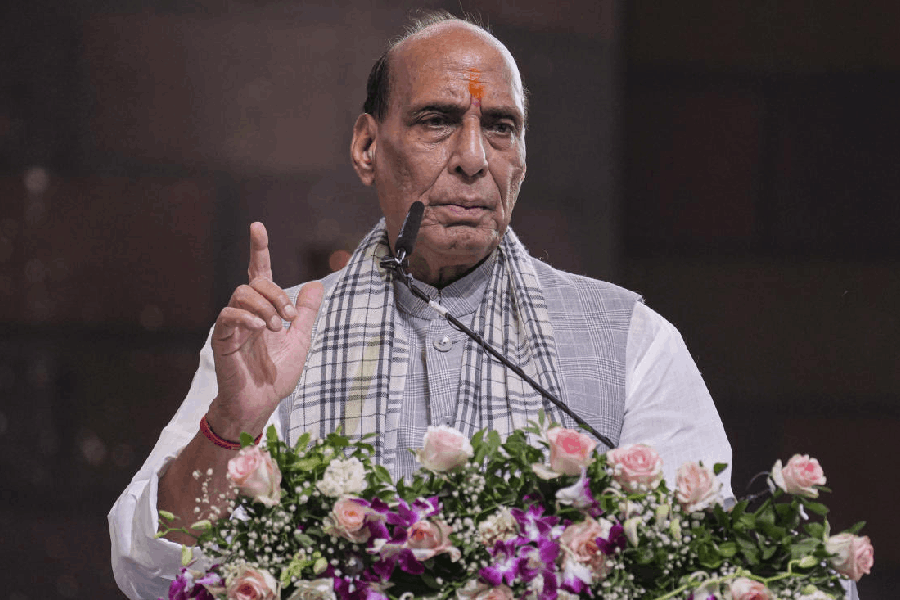
Rajnath Singh Urges Students to Pair Education With Character

Book Explores Civilisational Forces Behind Bharat’s Economic Rise

J&K L-G Urges Gurukul to Balance Values, Science and AI
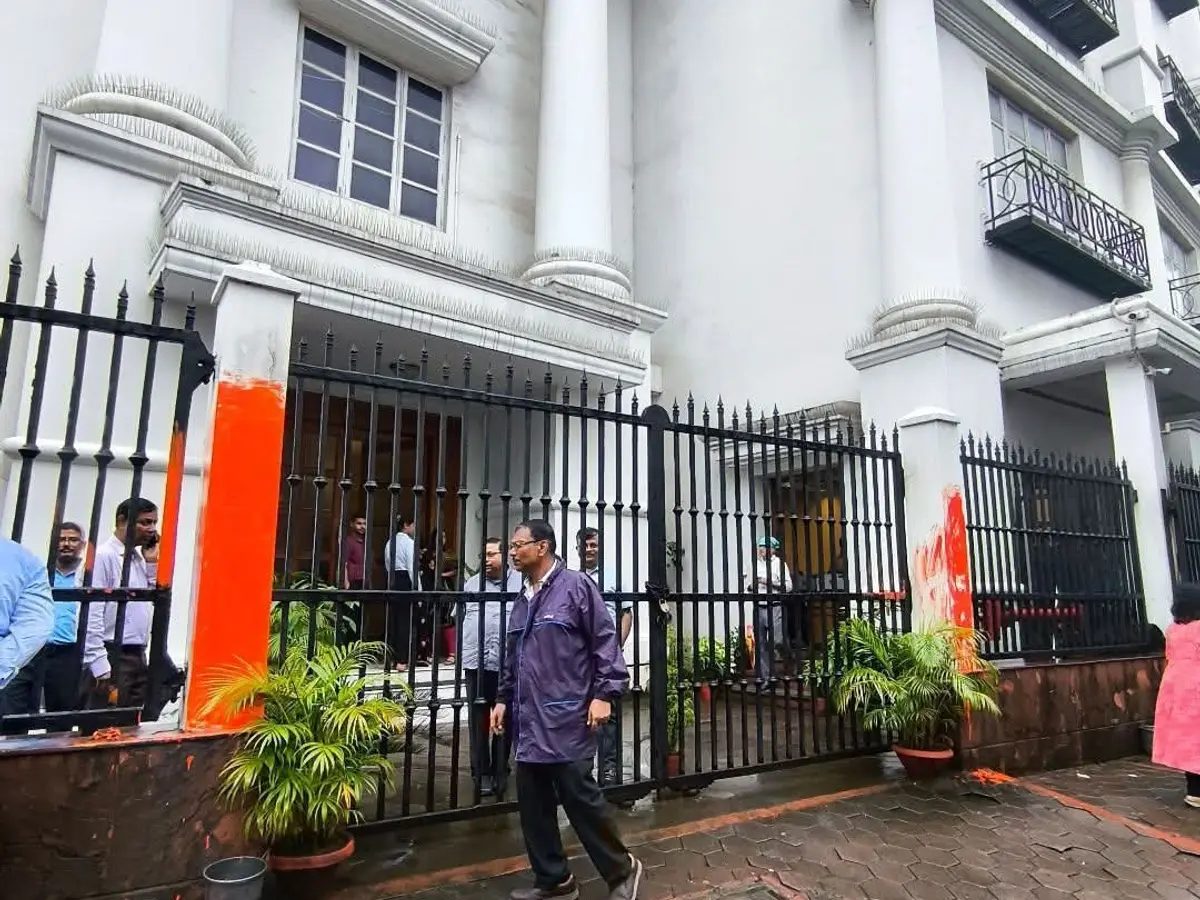
Saffron-Clad Men Paint Anandabazar Patrika Office Pillars

Amit Shah Congratulates ABVP on Panjab University Victory

Celina Jaitly Calls Film Return a Reclamation of Life

Meghalaya’s Beauty Faces Questions After Violent Shillong Rally

Nepal Flash Floods Spark Reflection on Human Helplessness
