1 day ago
Bombay High Court Upholds Life Term in Wife’s Murder

A court in Bombay upheld a man’s life sentence for killing his wife.
The incident happened in May 2016.
The injured woman told several people that her husband had stabbed her.
She died in hospital the next day.
Their young son also told the court that he saw his father attack his mother.
The man’s lawyer said there was no trustworthy eyewitness and questioned the knife evidence.
Prosecutors said the case had been proved properly.
The judges decided the woman’s statements and the son’s testimony were believable.

The Bombay High Court upheld a 52-year-old man’s life sentence for murdering his wife in 2016.
The court relied on the woman’s consistent oral dying declarations naming her husband as the attacker.
The couple’s young son testified that his father stabbed his mother in the stomach and back with a knife.
The defense argued there was no reliable eyewitness and that the knife evidence was not proven beyond reasonable doubt.
The court found the declarations voluntary, consistent and not the result of tutoring, and upheld the conviction.
- Who
- The Bombay High Court, a 52-year-old convicted man, his deceased wife and their son were central to the case.
- What
- The court upheld the man’s life sentence for murdering his wife and rejected his appeal.
- Where
- The attack occurred at the couple’s matrimonial home, followed by treatment at a hospital; the appeal was heard by the Bombay High Court.
- When
- The stabbing occurred on May 4, 2016; the woman died the next day, and the High Court order was dated August 28.
- Why
- The court found the woman’s oral dying declarations and the son’s testimony credible, consistent and free from evidence of tutoring.
Defense View
Prosecution and Court View
Eyewitness evidence
Defense View
The defense argued that there was no eyewitness to the incident apart from the minor son and questioned the reliability of the evidence.
Prosecution and Court View
The prosecution relied on the son’s testimony, while the court said he clearly and unequivocally identified his father as the attacker.
Dying declarations
Defense View
The defense claimed the wife’s statement to her brother in the ambulance was unreliable and should not be considered.
Prosecution and Court View
The prosecution and court said the woman consistently named her husband to three witnesses, and the court found the statements voluntary, coherent and not tutored.
Knife evidence
Defense View
The defense argued that use of the alleged knife was not proved beyond reasonable doubt.
Prosecution and Court View
The prosecution said the claim that the seized knife was not sent for forensic examination was incorrect, and the court relied on the son’s identification of the weapon.
Key facts
- Conviction
- Life imprisonment under Section 302 of the Indian Penal Code
- Trial-court order
- The conviction was issued in August 2018.
- Incident date
- May 4, 2016
- Victim’s death
- The woman died in hospital the day after the attack.
- Fine
- The man was fined Rs 50,000.
- Payment to sons
- The trial court ordered Rs 40,000 to be paid to the couple’s sons after the appeal period.
- Key evidence
- Oral dying declarations to three witnesses and testimony from the couple’s young son
Quotes

Bombay High Court
The Bombay High Court division bench hearing the murder conviction appeal
“The basic premise of the law on dying declaration is, ‘nemo moriturus praesumitur mentire’, i.e. a man will not meet his maker with a lie in his mouth, is the reason in law to accept the veracity of such a statement.”
 indianexpress.com
“What is of utmost importance is that prosecution witness 4 (son) has categorically and unequivocally deposed that the appellant (father) had dealt a knife blow on the stomach and back of the deceased (mother).”
indianexpress.com
Sources
Related news
Indore High Court Treats WhatsApp Messages as Dying Declaration

Gujarat High Court Grants Bail Over ‘Marwari Man’ Gap
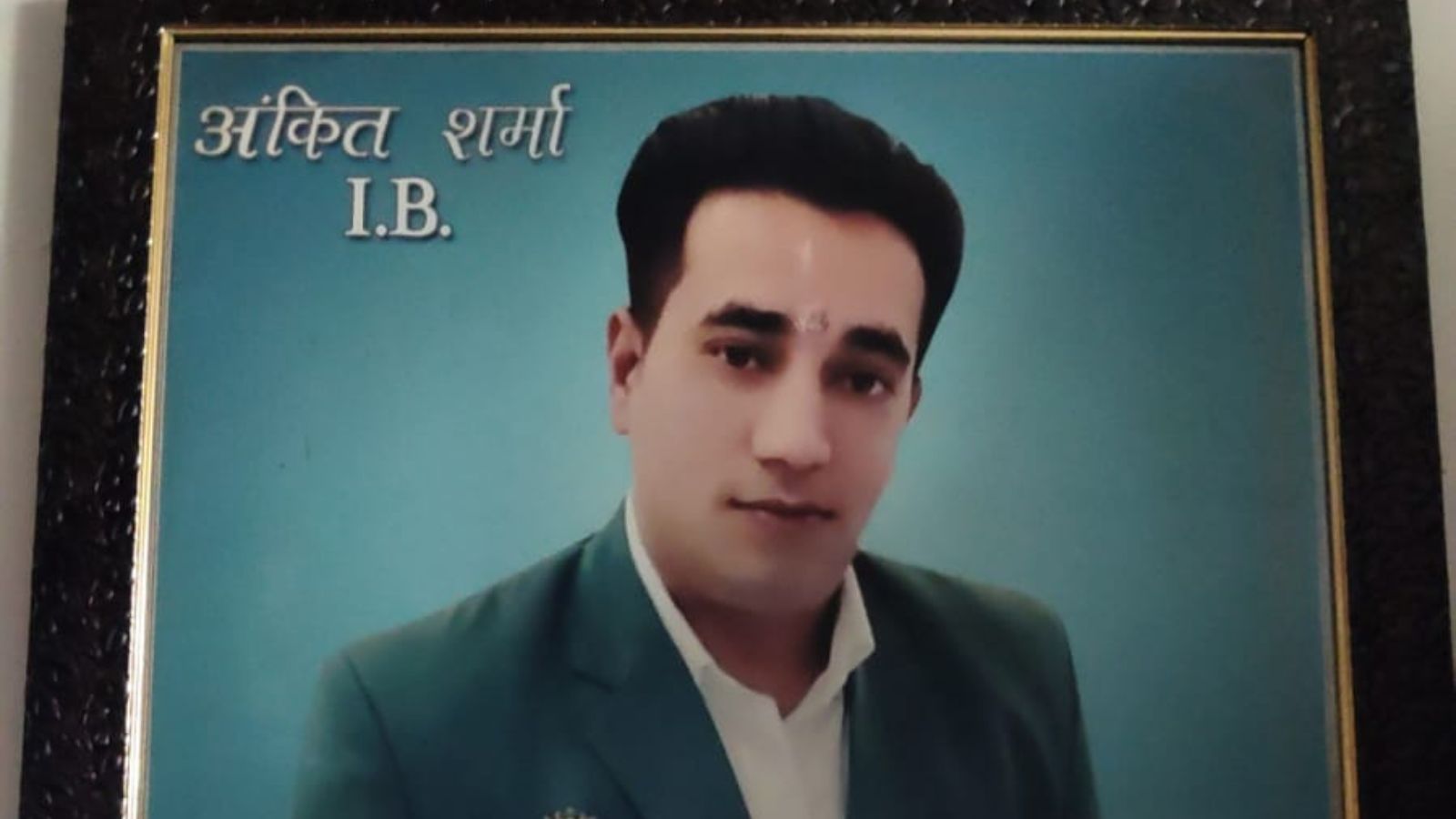
Two brothers challenge IB staffer murder conviction over sole witness

Mumbai Court Acquits Man in Son's Murder Case
Supreme Court Acquits Odisha Murder Convict After 22 Years
Kerala HC Rules POCSO Overrides Muslim Marriage Law

Delhi-NCR Bus Assault Reignites Questions About Post-Nirbhaya Safety Laws

Delhi court convicts man after linking dowry demands to death

How Foreign Rule and Institutions Reshaped Bharatiya Cultural Life