

1 hr ago
Supreme Court Rejects Trump Bid to Restrict Mail-In Voting
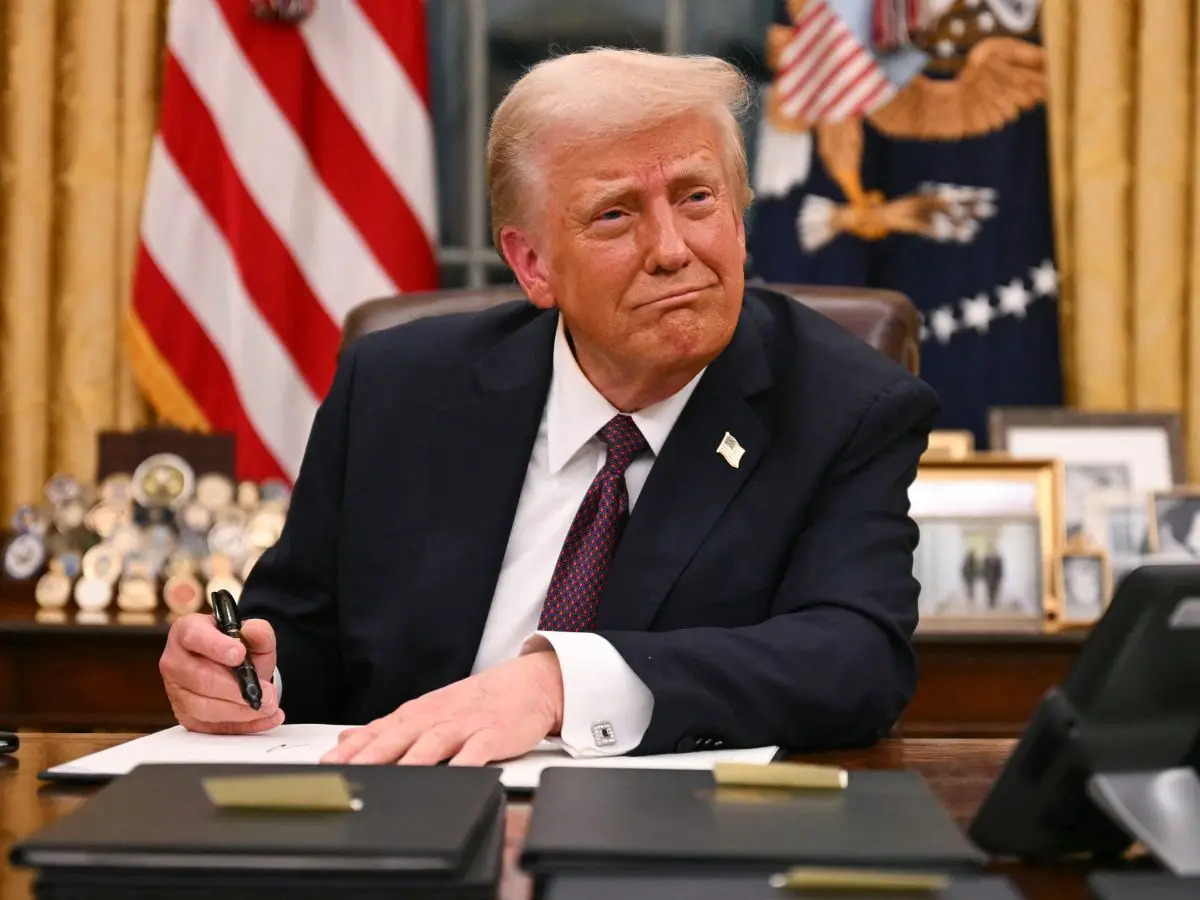
Mail-in voting lets people vote without going to a polling place.
They receive or request a ballot, fill it out at home and send it back or place it in an approved drop box.
Each state has different rules for using and returning these ballots.
Some states allow anyone to request one, while others require a specific reason.
The system became more common during the Covid-19 pandemic.
Nearly one-third of U.S. ballots are now cast by mail.
President Donald Trump says mail-in voting could allow cheating or duplicate ballots.
The U.S. Supreme Court rejected his attempt to restrict it before the 2026 midterm elections, so the current system remains in place for now.

The U.S. Supreme Court rejected President Donald Trump’s effort to restrict mail-in voting before the 2026 midterm elections.
Mail-in voting lets eligible voters complete ballots at home and return them by mail or through authorized drop boxes.
Rules differ by state, including eligibility, ballot verification, deadlines and whether voters need an excuse.
Nearly one-third of U.S. ballots are cast by mail, and its use expanded during the Covid-19 pandemic.
Trump calls mail-in voting vulnerable to fraud and supports paper ballots, same-day voting, voter identification and citizenship documentation.
- Who
- The U.S. Supreme Court, President Donald Trump and eligible U.S. voters.
- What
- The Supreme Court rejected Trump’s bid to restrict mail-in voting ahead of the 2026 midterm elections.
- Where
- Across the United States, under rules set by individual states.
- When
- Ahead of the 2026 midterm elections; mail-in voting expanded during the Covid-19 pandemic.
- Why
- Trump argues that mail-in voting is vulnerable to manipulation, while the ruling leaves the existing system in place for now.
Existing Mail-In Voting System
Trump’s Proposed Restrictions
Whether mail voting should remain available
Existing Mail-In Voting System
The existing system allows eligible voters to cast ballots without visiting polling stations, with states setting procedures for requesting, verifying and returning ballots.
Trump’s Proposed Restrictions
Trump wants to eliminate mail-in voting, arguing that it creates opportunities for cheating, fraud or duplicated ballots.
Election procedures
Existing Mail-In Voting System
Mail voting operates alongside different state rules, including various deadlines and eligibility requirements.
Trump’s Proposed Restrictions
Trump has called for paper ballots, same-day voting, voter identification and citizenship documentation.
Key facts
- Court decision
- The U.S. Supreme Court rejected Trump’s effort to restrict mail-in voting.
- Election timing
- The decision came ahead of the 2026 midterm elections.
- Mail voting share
- Nearly one-third of U.S. ballots are cast by mail.
- How ballots are returned
- Voters can return completed ballots by mail or through an authorized ballot drop box.
- State rules
- States set their own rules for eligibility, requests, verification and deadlines.
- Trump’s objection
- Trump describes mail-in voting as vulnerable to manipulation, fraud and duplicated ballots.
- Pandemic impact
- Many states expanded mail voting during the Covid-19 pandemic to limit crowds at polling stations.
Quotes

Donald Trump
President of the United States and opponent of mail-in voting
“We want to go to paper ballots. We want to go to same-day voting. We want to go to citizenship papers. And we want to go to voter ID. It's very simple. We want to get rid of mail-in voting.”
 wionews.com
“The elections are so screwed up. We have to get back in and we have to change it all.”
wionews.com
Sources
Related news
Supreme Court Rejects Trump Mail Ballot Restrictions Ahead of Midterms
Supreme Court Clears Hurdle for Trump's Mail Voting Restrictions

Judge Blocks Trump Mail-Voting Plan Ahead of Midterm Elections
Supreme Court Gives Trump Temporary Win on Mail-Ballot Restrictions
Judge Extends Block on Trump Mail Voting Restrictions
Appeals Court Rejects Trump Mail-Voting Restrictions as Supreme Court Weighs Rule

Global roundup: Drone shootdown, visa rulings and UPI charges

Trump EPA Ends Climate Regulations for Fossil-Fuel Power Plants

CTET 2026 Exam Dates Set for December 12 and 13
