

13 hrs ago
Engineering Education Links Theory With Hands-On Systems Learning
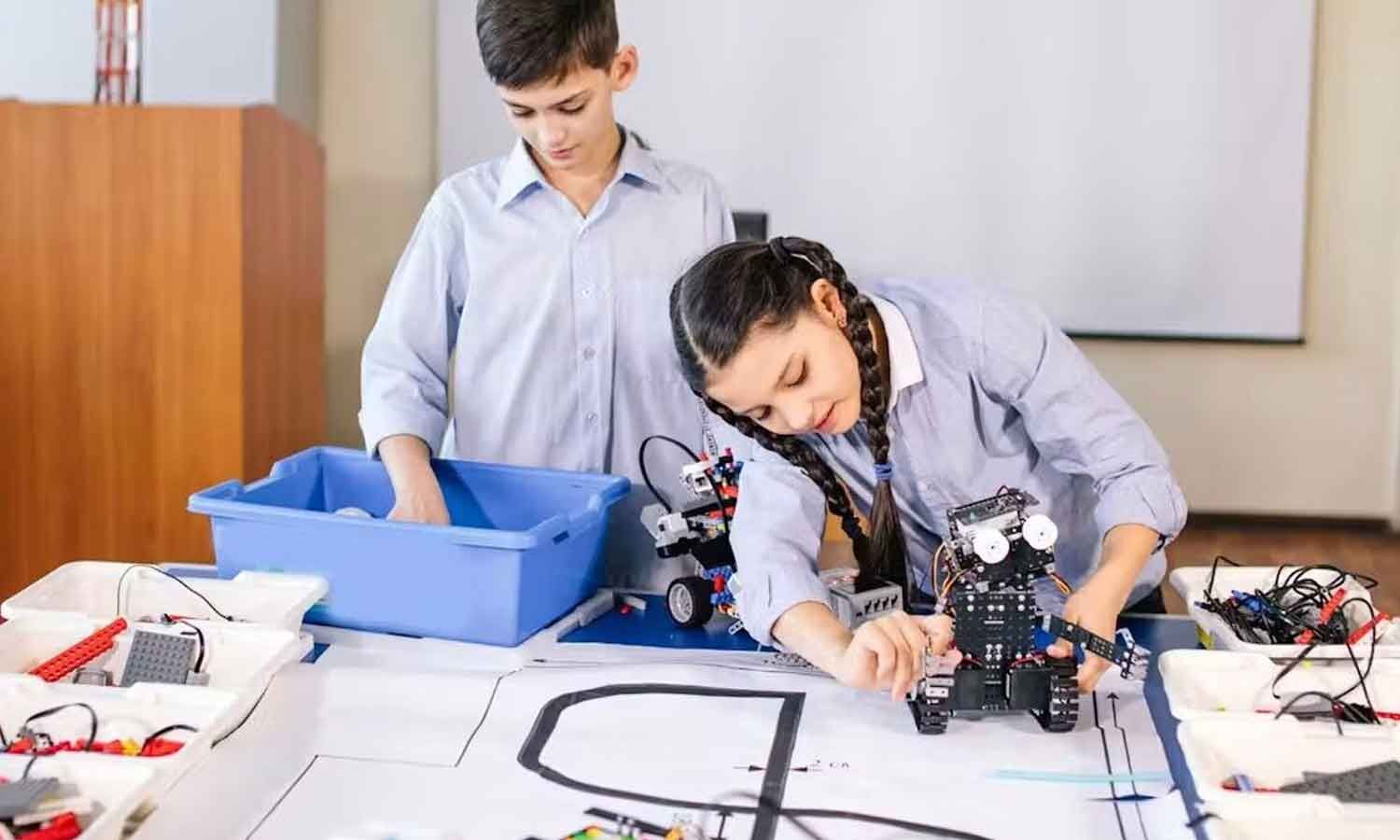
Engineering students learn important ideas from books and lectures.
They also need to see how those ideas work in real devices and systems.
Laboratories and simulations let students build, test and change their designs.
They can watch signals and measurements happen in real time.
This can make difficult topics easier to understand.
Modern engineering often combines electronics, software, communication and data.
Projects help students practise solving problems and working with others.
The goal is to use theory and practical learning together, not choose one over the other.

Connected technologies are increasing demand for engineers who understand hardware, software and data together.
Laboratories, simulations, workshops and mini-projects can help students apply theoretical concepts to real systems.
Interactive tools allow learners to build systems, observe signals, test ideas, troubleshoot problems and interpret results.
A student project demonstrated how graphical programming and data acquisition can make hardware integration and measurement more accessible.
Multidisciplinary projects, digital twins, design competitions and specialised laboratories can strengthen systems thinking and teamwork.
- Who
- Engineering educators and students, including staff and a student from Mahendra Engineering College, Tamil Nadu.
- What
- The article examines how hands-on experimentation, simulation and multidisciplinary projects can connect engineering theory with practical application.
- Where
- Engineering education settings, including laboratories and programmes at Mahendra Engineering College in Tamil Nadu.
- When
- As engineering systems become increasingly interconnected through automation, artificial intelligence, data-driven systems and connected devices.
- Why
- To help students understand system-level relationships, apply concepts, troubleshoot designs and prepare for changing engineering roles.
Key facts
- Core issue
- Students can find it difficult to connect theoretical concepts with real-time implementation.
- Learning methods
- Laboratories, simulations, workshops, mini-projects and design competitions support practical learning.
- Application areas
- Electronics, embedded systems, Internet of Things, signal processing and control engineering.
- Student project
- Nandha Kumar S developed a test system that read instrument signals and displayed measurements in real time.
- Skills developed
- Requirement definition, method selection, data collection, interpretation, error identification and solution refinement.
- Systems approach
- Modern engineering projects may combine electronics, software, communication systems, data analysis and mechanical components.
- Educational balance
- Fundamental theory explains why systems behave as they do, while hands-on work allows students to apply those principles.
Sources
Related news

KITS Idea Lab Connects Classroom Learning With Industry Needs

Engineering Degrees Expand Beyond Traditional Branches in AI Era

Governor urges India’s young engineers to cross academic boundaries

Kshatriya College Holds Robotics Workshop for B.Tech Students

Raptee.HV Opens Electric Mobility Centre at Engineering College

Higher Education Adapts to Changing Workforce Skill Demands

Anna University Student’s Death Highlights Serious Scrub Typhus Warning Signs

Readers Raise Concerns Over Dementia, Liquor, Climate, Campuses and Reading

Experts Urge Clean, Diverse Data for More Reliable AI

Tamil Nadu Unveils 2026-27 AI and Digital Technology Roadmap
