1 hr ago
Small Asteroid Detected Before Exploding Over Australia's Waters
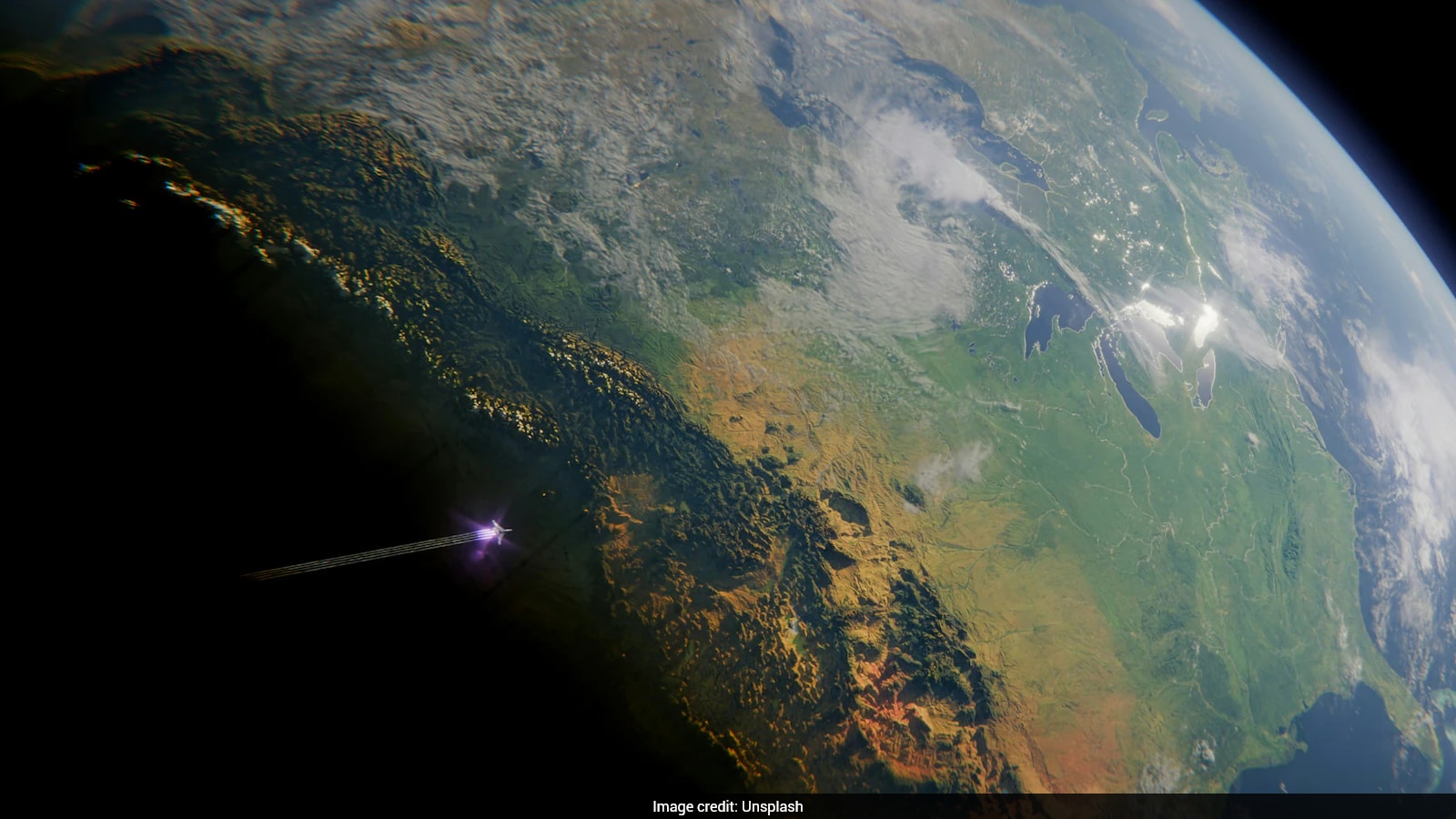
A very small space rock called 2026 RW1 came toward Earth on September 6, 2026.
Scientists spotted it before it reached our planet.
It entered the atmosphere near northwestern Australia and burned up over the Indian Ocean.
The rock was about as wide as a small person is tall.
It was too small to hurt people or buildings.
Scientists said this was only the 13th time they had found a space object before it arrived.
Events like this help scientists practice finding and tracking larger, more dangerous asteroids.
The event acted like a safe test of Earth’s asteroid-warning systems.

Object 2026 RW1 entered Earth’s atmosphere northwest of Australia on September 6, 2026.
The roughly 0.8-meter object burned up over the Indian Ocean and posed no threat.
Scientists said it was only the 13th small object detected before impact.
The Catalina Sky Survey reported the object, with earlier detections by Pan-STARRS.
NASA and the European Space Agency used the event to test planetary-defense tracking and warning systems.
- Who
- NASA, the European Space Agency, the Catalina Sky Survey, Pan-STARRS, and other planetary-defense teams monitored the object.
- What
- A roughly 0.8-meter object, designated 2026 RW1, entered the atmosphere and disintegrated.
- Where
- Over the Indian Ocean, northwest of Australia.
- When
- September 6, 2026, between approximately 16:00 and 16:30 UTC; NASA cited 12:14 p.m. EDT.
- Why
- The event provided a rare real-world test of asteroid detection, trajectory calculations, impact warnings, and communication systems.
Key facts
- Object
- 2026 RW1
- Estimated size
- About 0.8 meters, or roughly 1.5 to 5 feet
- Location
- Northwest of Australia over the Indian Ocean
- Outcome
- Burned up safely in the atmosphere
- Threat level
- No hazard to people or infrastructure
- First reporting organization
- Catalina Sky Survey
- Earlier detections
- Pan-STARRS
- Significance
- Only the 13th small object detected before impact
Quotes
Richard Moissl
Head of Planetary Defense at the European Space Agency
“A small natural object 1.5-5 feet (0.5-1.5m) is predicted to impact Earth's atmosphere just northwest of Australia and safely disintegrate today, Sept. 6, 12:14 p.m. EDT. While not a hazard, scenarios like this provide an invaluable test of our planetary defense capabilities to monitor for larger objects and predict impact threats”
 NDTV
NDTV
“The object was first reported to the Minor Planet Center by the Catalina Sky Survey, with earlier detections by Pan-STARRS, and the Center for Near-Earth Object Studies @NASAJPL calculated its trajectory and impact location - all funded by NASA's Planetary Defense Coordination Office.”
NDTV
Sources
Related news
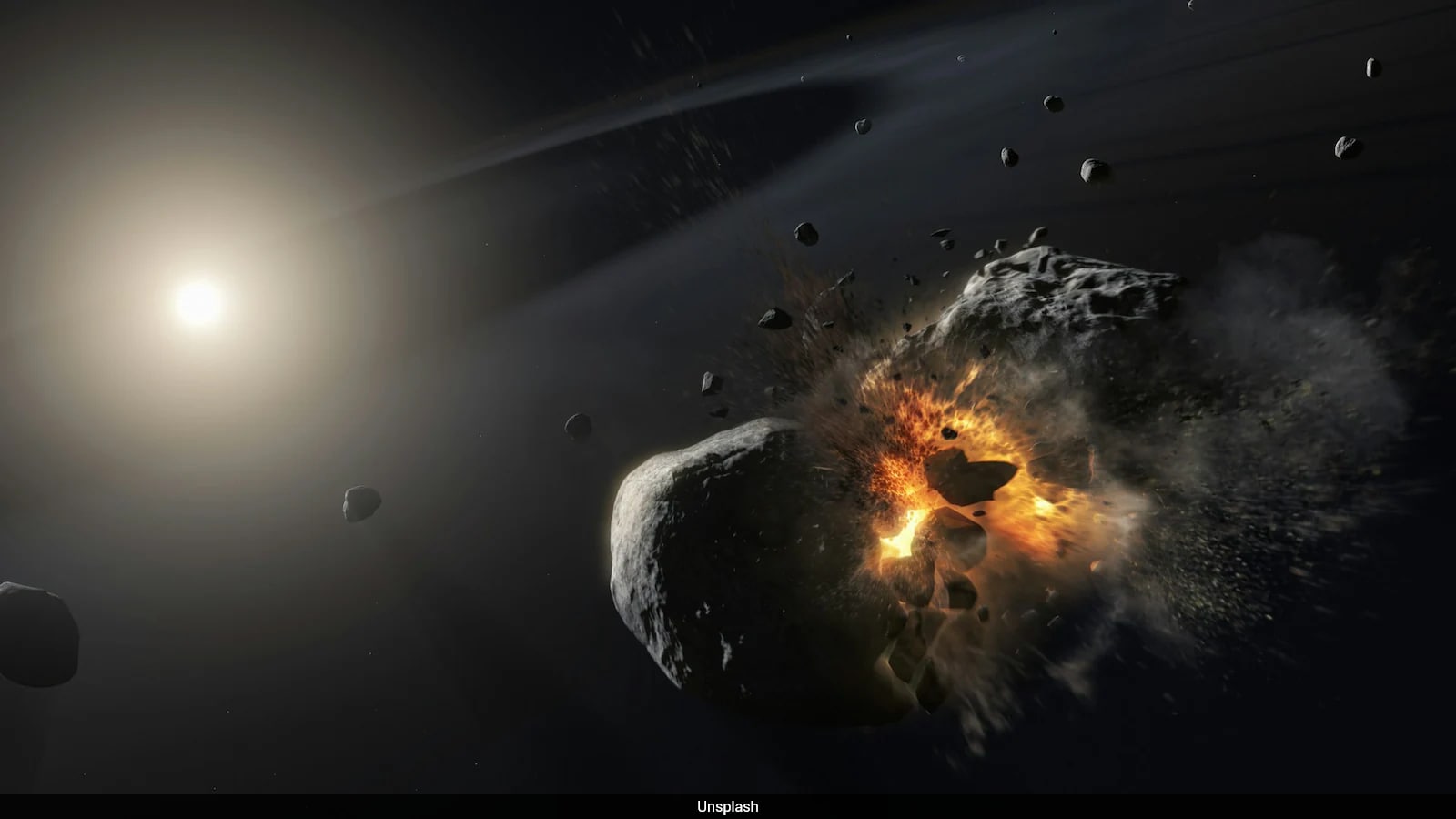
Nuclear Weapons Could Deflect Dangerous Asteroids, New Simulations Suggest
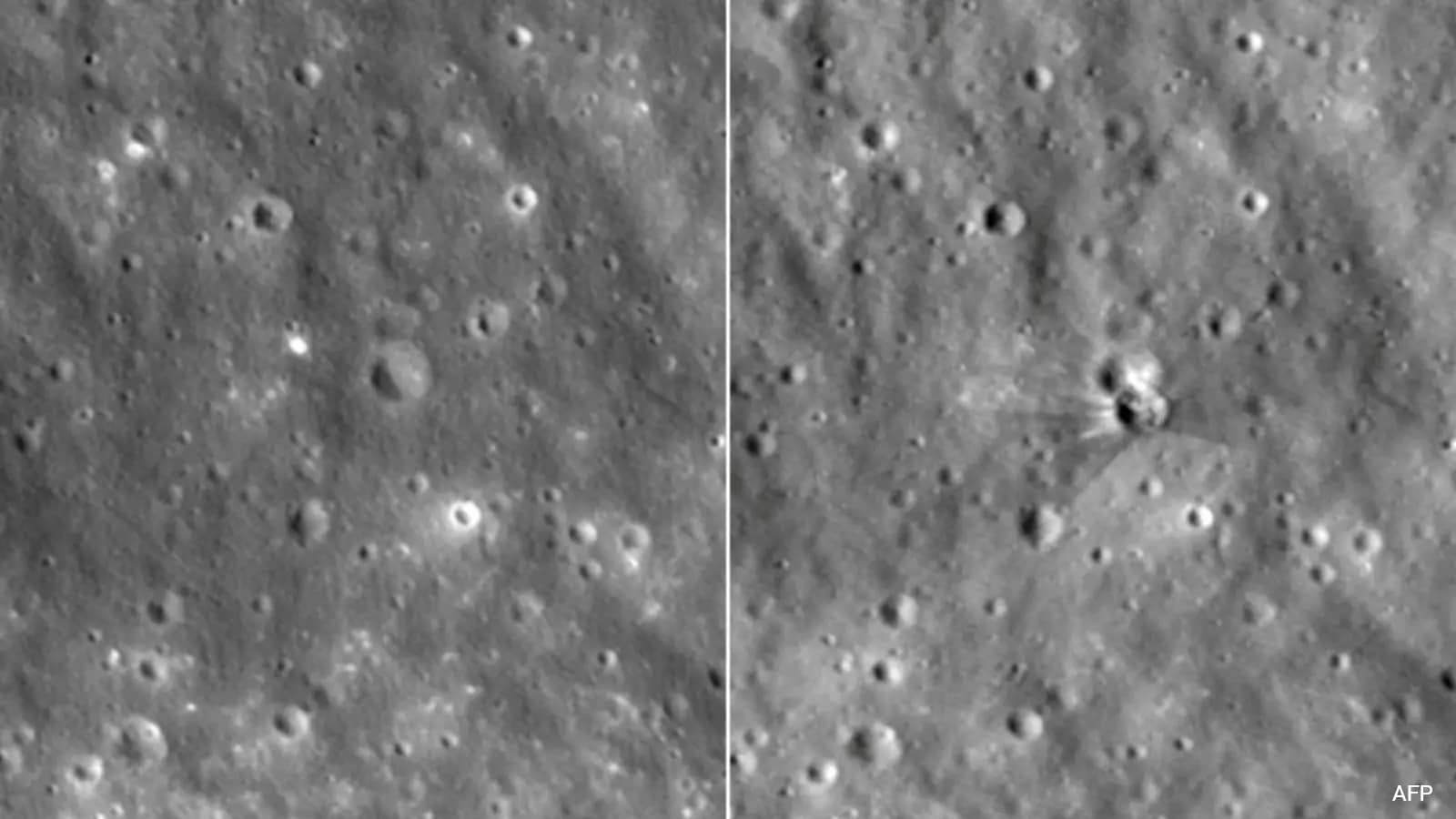
NASA Orbiter Reveals 60-Foot Crater From SpaceX Rocket Impact

Perseid Meteor Shower 2026 Peaks Under New Moon Skies
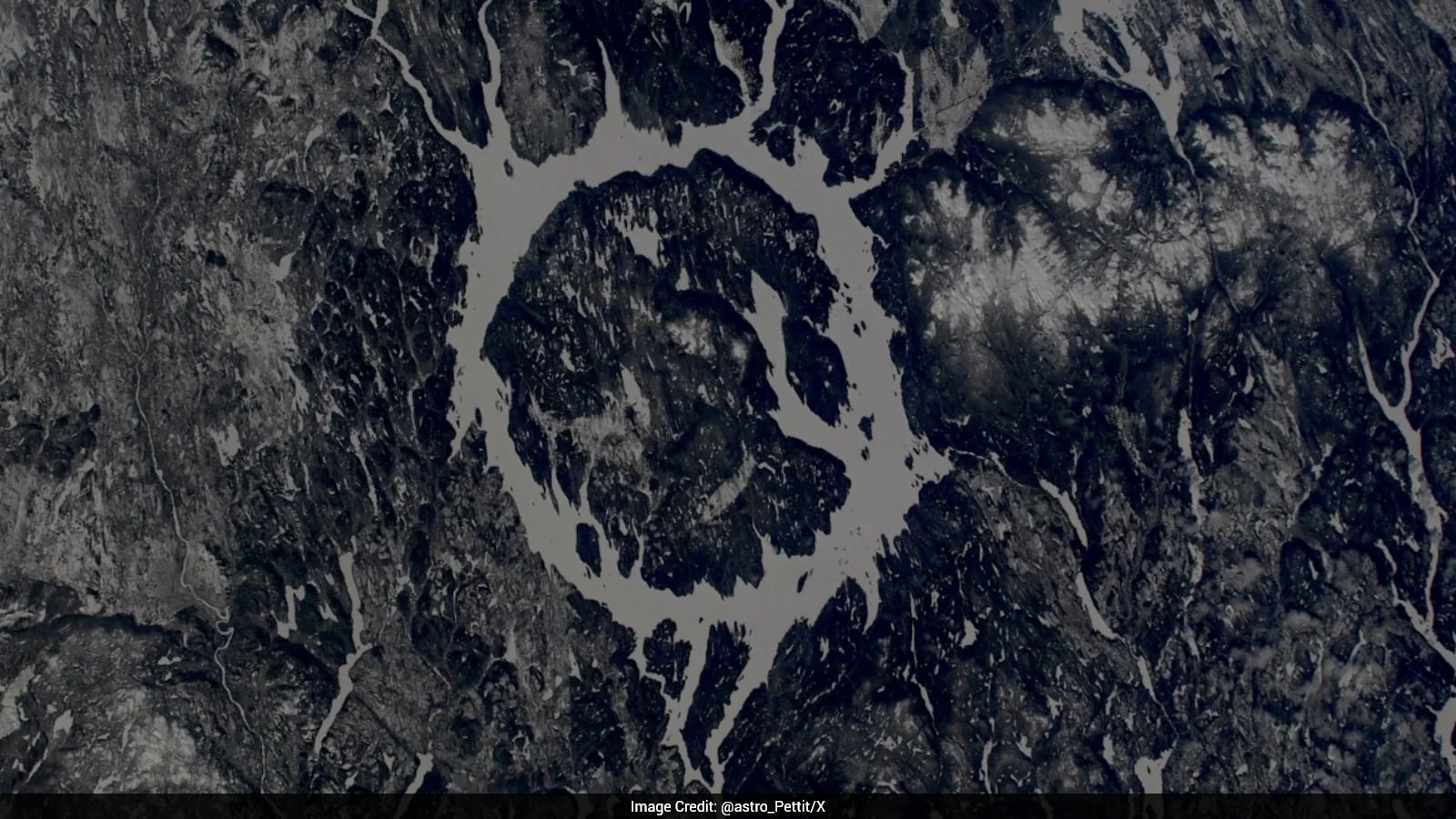
Astronaut Shares Ancient Manicouagan Crater View From Space

NASA Finds Earth Microbes Could Survive Near Moon’s South Pole

Mark Chapman moves to casual deal for Big Bash League

South Africa Drop Brevis For Australia ODI Series

North Korea’s Defense Minister Warns US Over Joint Military Drills

Karnataka Technicians Secure Overseas Jobs Through GTTC–NEPEAN Partnership