3 weeks ago
Perseid Meteor Shower 2026 Peaks Under New Moon Skies

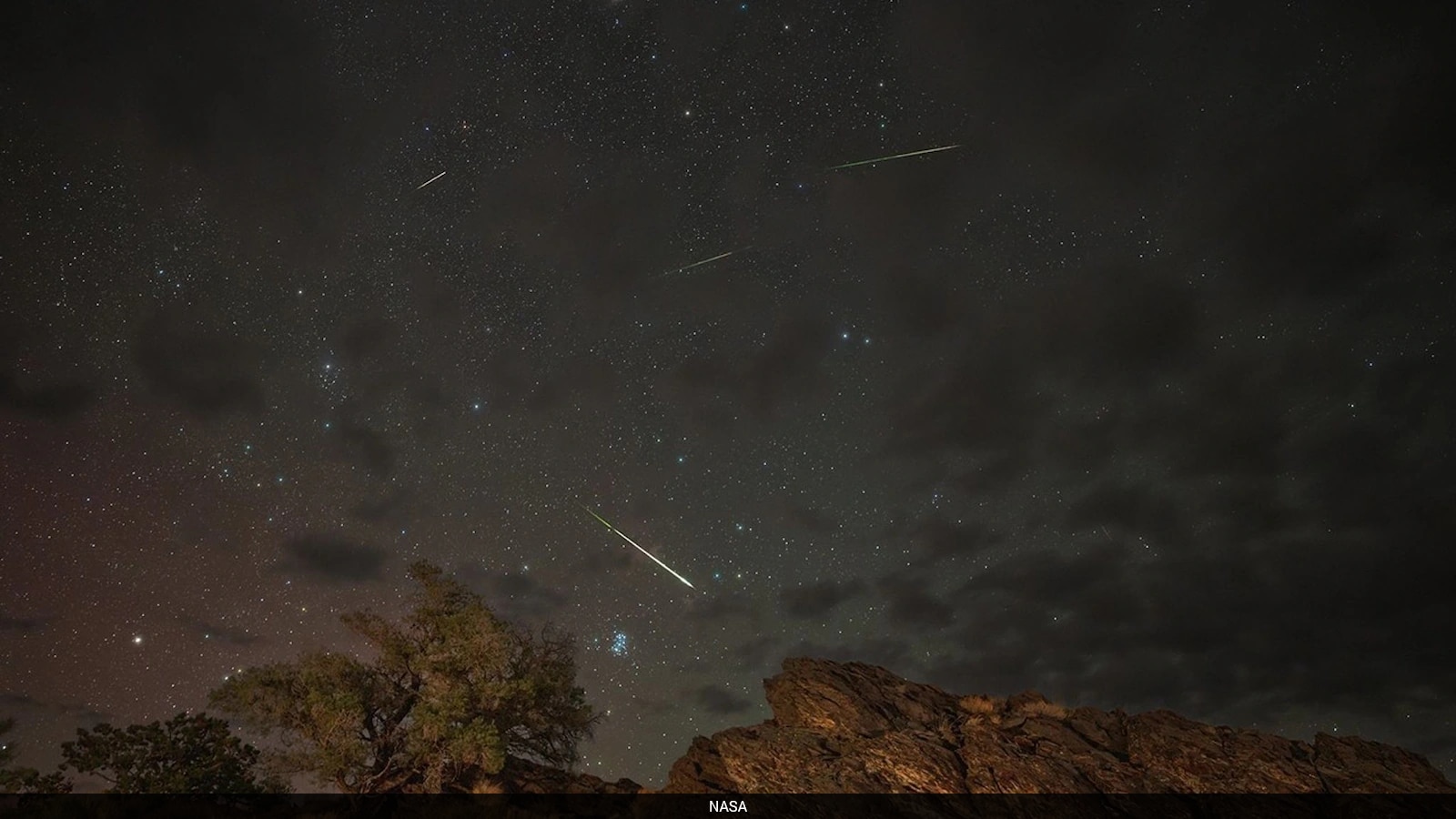
Every August, Earth passes through a trail of dust and rock left by a comet named Swift-Tuttle.
When those tiny bits hit our air, they burn up and look like shooting stars.
This year the show is extra special because the moon is new, so the sky is very dark and the stars shine brighter.
People might see more than 100 shooting stars in one hour.
Some are fireballs, which are extra big and bright streaks of light.
The best time to look is late at night until the early morning.
You don't need a telescope — just your eyes.
Find a dark place away from city lights, lie back, and look up.
Two nights before the peak, a bright meteor lit up the sky over Istanbul and was caught on cameras.
Astronomers say this could be one of the best meteor showers in years.

The Perseid meteor shower peaks on the night of August 12 into the early hours of August 13, 2026.
The peak coincides with a new moon, giving darker, moonless skies and excellent visibility of shooting stars.
At its best the shower can feature more than 100 meteors per hour, though 2026 forecasts are more modest at 50–100.
The meteors are debris from comet Swift-Tuttle that burns up about 100 km overhead as Earth passes through its trail.
A bright meteor was captured on cameras across Istanbul on August 10, and experts advise viewing from dark spots without a telescope.
- Who
- Skywatchers across the Northern Hemisphere, with viewing guidance from NASA, Space.com, the Natural History Museum, the Royal Observatory Greenwich, the International Meteor Organization and The Planetary Society.
- What
- The Perseid meteor shower reaches its annual peak, producing swift, bright meteors, long wakes of light and fireballs.
- Where
- Best seen from dark sites in the Northern Hemisphere, including India and the UK; a bright meteor was filmed over Istanbul, Turkey, on August 10.
- When
- Peak night of August 12 into the early hours of August 13, 2026; the shower is active from July 17 to August 24, 2026.
- Why
- Earth passes through debris shed by comet Swift-Tuttle that burns up about 100 km overhead, and the new moon keeps skies dark for better visibility.
Key facts
- Peak night
- August 12–13, 2026
- Active period
- July 17 – August 24, 2026 (Natural History Museum)
- Meteors per hour
- 100+ at best; 50–100 per NASA; 50–75 forecast by The Planetary Society
- Source
- Debris from comet Swift-Tuttle
- Best viewing time
- From 11pm until dawn (Space.com); midnight to 5:30am (Royal Observatory Greenwich)
- Moon phase
- New moon, darker skies
- Equipment
- None — visible to the naked eye
- Istanbul meteor
- Bright meteor filmed over Büyükçekmece at about 1am on August 10
Sources
Related news
How to Spot Perseid Meteor Shower Amid Solar Eclipse Parade

August 2026 Partial Lunar Eclipse Nears Totality, Misses India

Where to Watch Thursday’s Partial Lunar Eclipse Online
August 2026 Partial Lunar Eclipse Visible Across Americas, Europe

August 2026 Lunar Eclipse Will Peak In Early UTC Hours