54 mins ago
Pakistan Warns India Over Indus Waters Treaty at UN
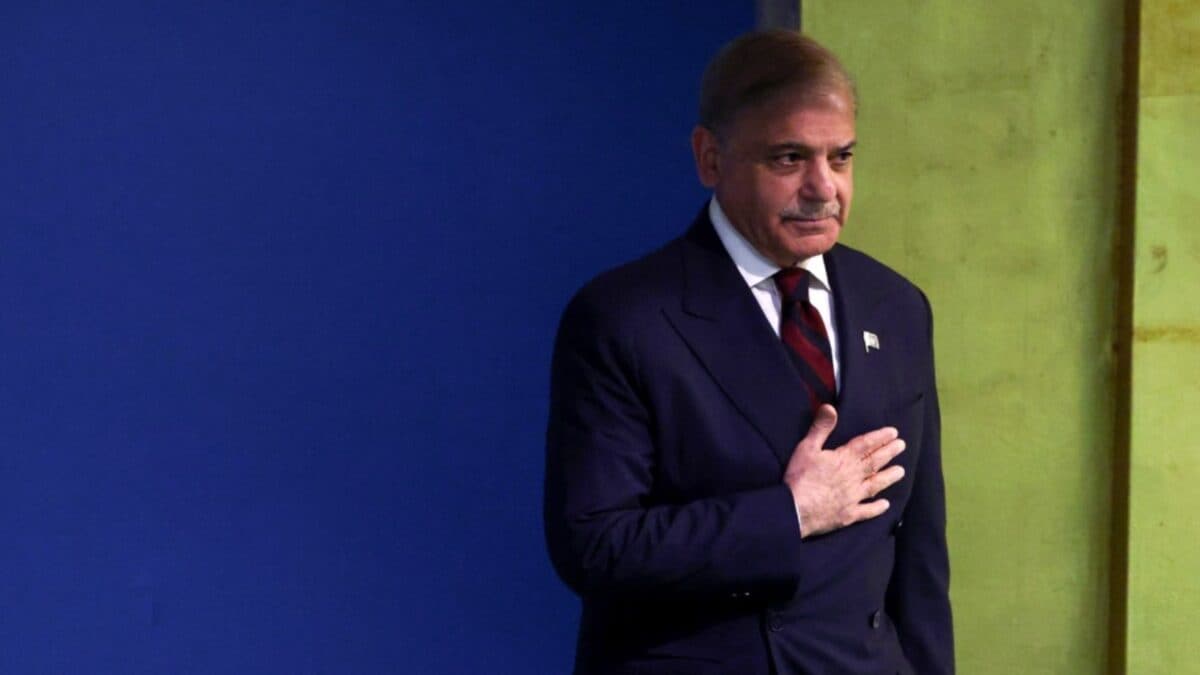
Pakistan and India share rivers under an agreement signed in 1960.
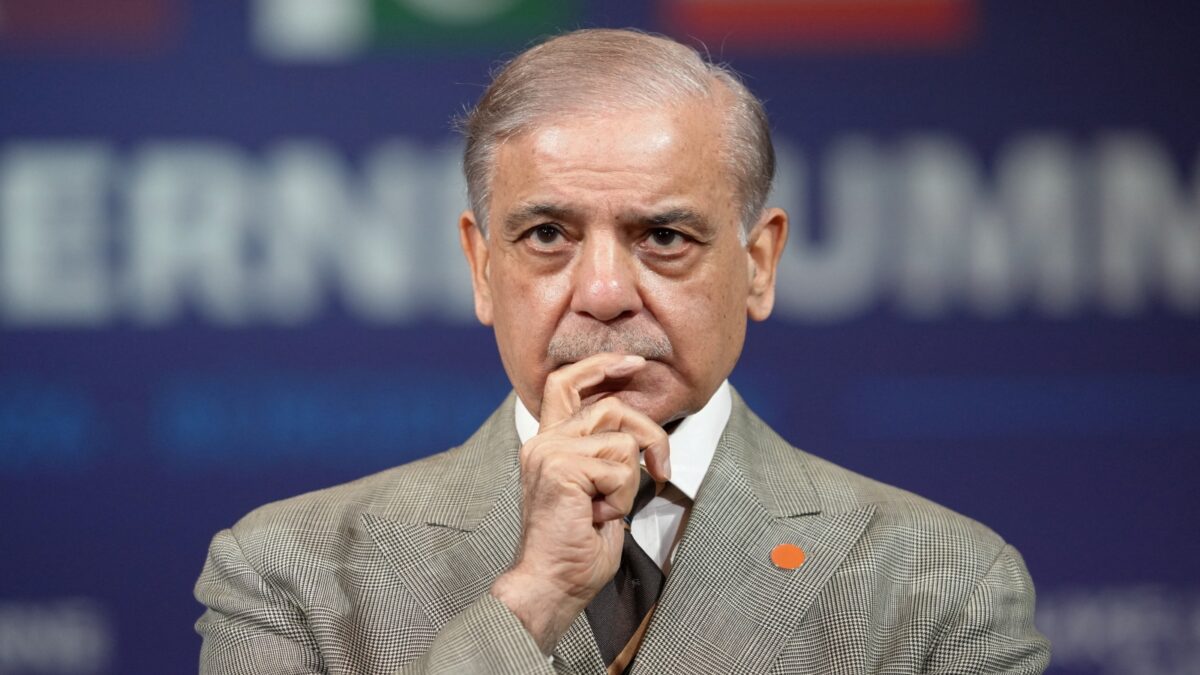
Pakistan’s prime minister, Shehbaz Sharif, said at the United Nations that India must not stop or redirect Pakistan’s water.
He warned that doing so would be treated as an act of war.
Pakistan says the water agreement is still legally active.
India says it has put the agreement on hold after a terrorist attack in Pahalgam in 2025.
India wants Pakistan to take strong and lasting action against cross-border terrorism first.
The two countries also disagree about what happened during their latest military confrontation.
Sharif praised Donald Trump for helping stop a wider conflict.
The dispute shows that relations between India and Pakistan remain very tense.

Pakistan Prime Minister Shehbaz Sharif warned that diverting or restricting Pakistan’s Indus water share would be treated as an act of war.
Sharif said the 1960 Indus Waters Treaty remains valid, binding and fully operative.
India says it placed the treaty in abeyance after the April 2025 Pahalgam terror attack, which killed 26 people.
New Delhi says the suspension will continue until Pakistan takes credible and irreversible steps against cross-border terrorism.
Sharif also praised Donald Trump over last year’s ceasefire, while Indian officials rejected Pakistan’s claims of military success.
- Who
- Pakistan Prime Minister Shehbaz Sharif and the Government of India.
- What
- Sharif warned that stopping, restricting or diverting Pakistan’s Indus water share would be treated as an act of war.
- Where
- At the United Nations General Assembly in New York.
- When
- Sharif made the remarks during the United Nations General Assembly on September 25, 2026, according to the reports.
- Why
- The warning followed India’s decision to place the Indus Waters Treaty in abeyance after the April 2025 Pahalgam terror attack; India links restoration to action against cross-border terrorism.
Pakistan’s Position
India’s Position
Status of the treaty
Pakistan’s Position
Pakistan says the Indus Waters Treaty remains valid, binding and fully operative, and that India’s unilateral decision to place it in abeyance has no legal basis.
India’s Position
India says it placed the treaty in abeyance after the Pahalgam terror attack and argues that the circumstances under which it was signed have fundamentally changed.
Water diversion
Pakistan’s Position
Pakistan says any attempt to stop, restrict or divert its share of the Indus waters would amount to an act of war.
India’s Position
The reports do not say that India has diverted Pakistan’s water share; New Delhi’s stated focus is maintaining the treaty’s abeyance until Pakistan acts against cross-border terrorism.
Military confrontation
Pakistan’s Position
Sharif described Pakistan’s military posture as having repulsed Indian operations and praised the armed forces for their role.
India’s Position
Indian officials dismissed Pakistan’s account, cited damaged runways and hangars, and said Pakistan’s military sought a ceasefire to avoid further operational losses.
Key facts
- Treaty
- The Indus Waters Treaty was signed in 1960 and governs the sharing of six rivers between India and Pakistan.
- Pakistan’s position
- Pakistan says the treaty remains valid, binding and fully operative.
- India’s position
- India says the treaty was placed in abeyance after the Pahalgam attack and that the circumstances surrounding it have fundamentally changed.
- Pahalgam attack
- The April 2025 attack killed 26 people, according to the reports.
- Pakistan’s warning
- Sharif said any attempt to stop, impede or divert Pakistan’s water share would be treated as an act of war.
- Sharif’s other remarks
- He praised Donald Trump for helping mediate a ceasefire last year and called for a UN-supervised plebiscite on Jammu and Kashmir.
- Indian response
- Indian officials rejected Pakistan’s claims of military success and said Pakistani forces had sought a ceasefire to prevent further operational losses.
Quotes

Shehbaz Sharif
Prime Minister of Pakistan speaking at the United Nations General Assembly
“Any attempt to stop, impede or divert Pakistan’s share of the waters will be treated as an act of war. India must make no mistake about it.”
 news18.com
Sources
Related news
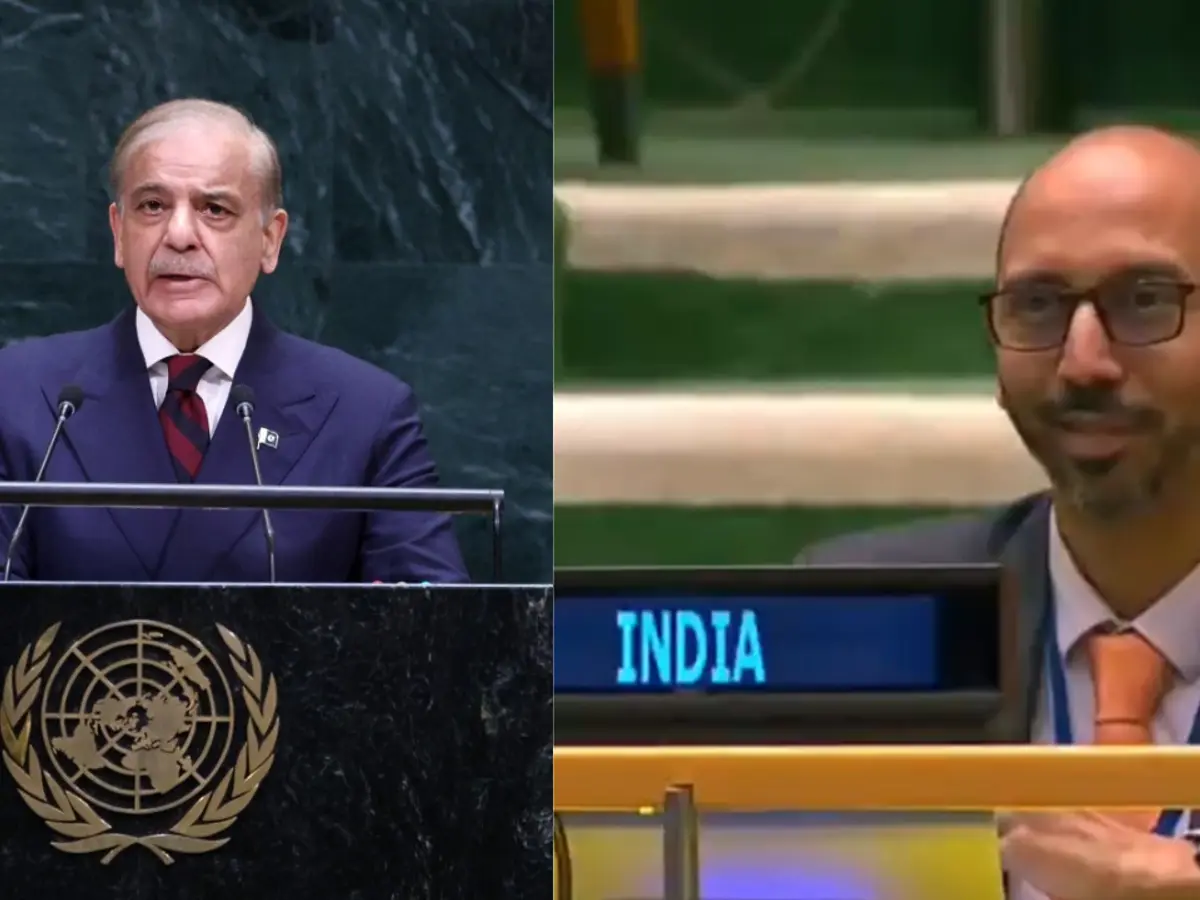
Sharif Raises Kashmir, Credits Trump During UN Conflict Speech
India Keeps Indus Treaty Suspended as Pakistan Warns Region
Sharif Urges Water Treaty Respect at SCO Summit
Pakistan Raises Indus Treaty Concerns as India Rejects Hague Ruling
India Rejects PCA Orders in Indus Waters Treaty Dispute
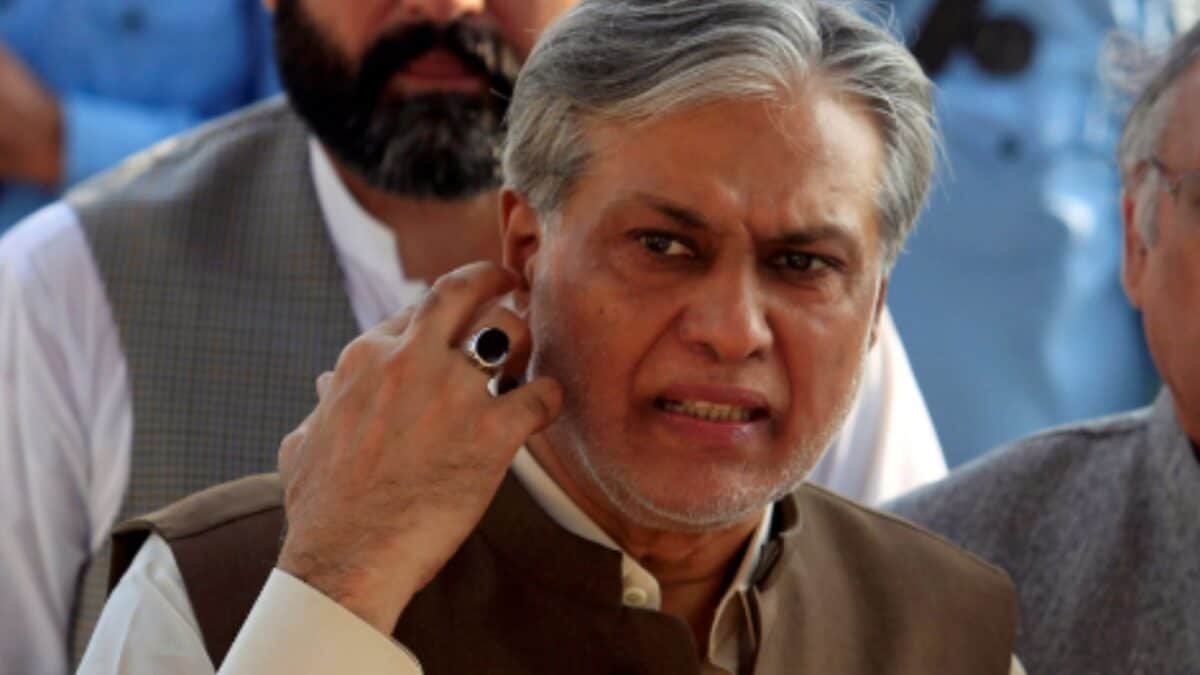
India, Pakistan Clash Over Indus Waters Treaty Compliance
Mandeep Bhandari Appointed CBSE Chairperson After On-Screen Marking Controversy
Mandeep K Bhandari Named New Chairman of CBSE
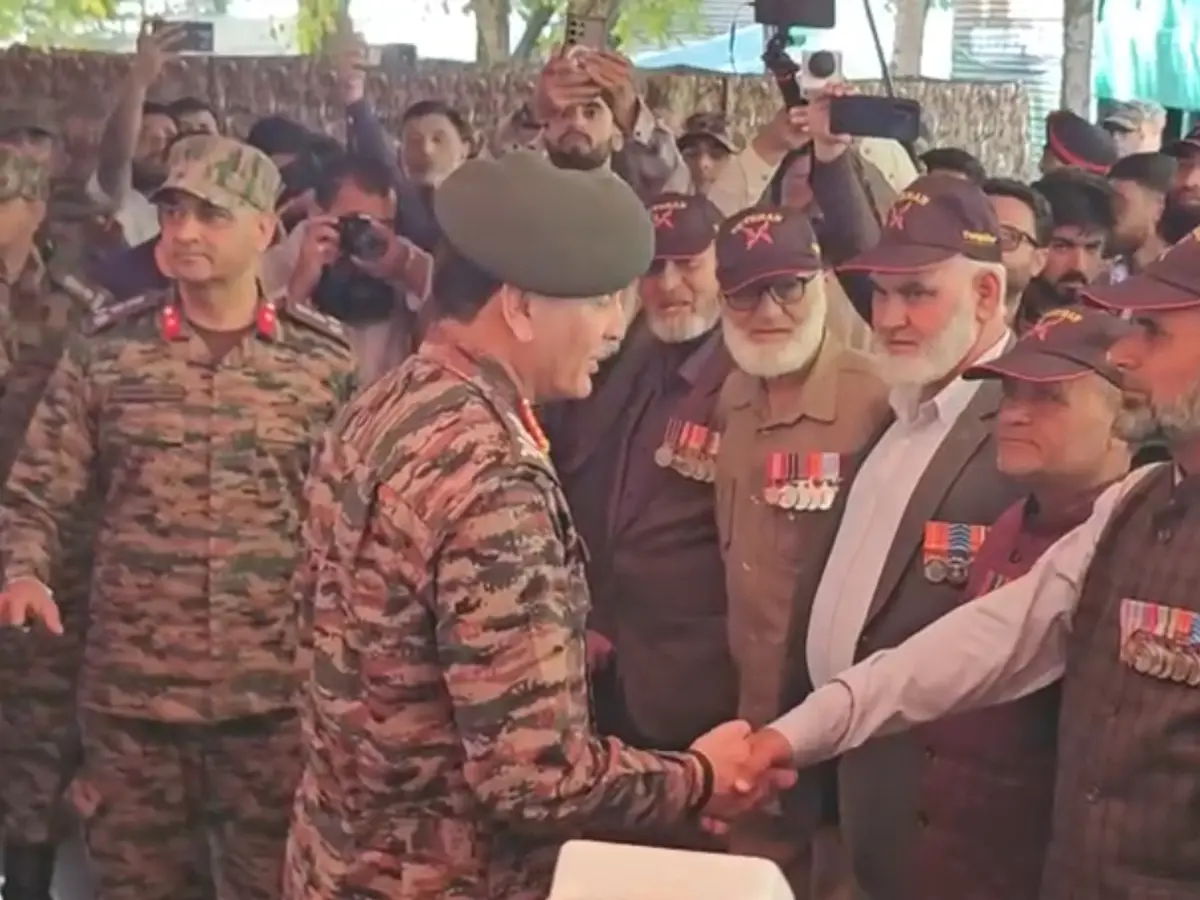
Army Chief Reviews LoC Readiness, Visits Eye Camp in Tangdhar

Congress MLAs Protest Against Election Chief in J&K Assembly