4 hrs ago
How Pakistan Has Raised Kashmir At The UNGA
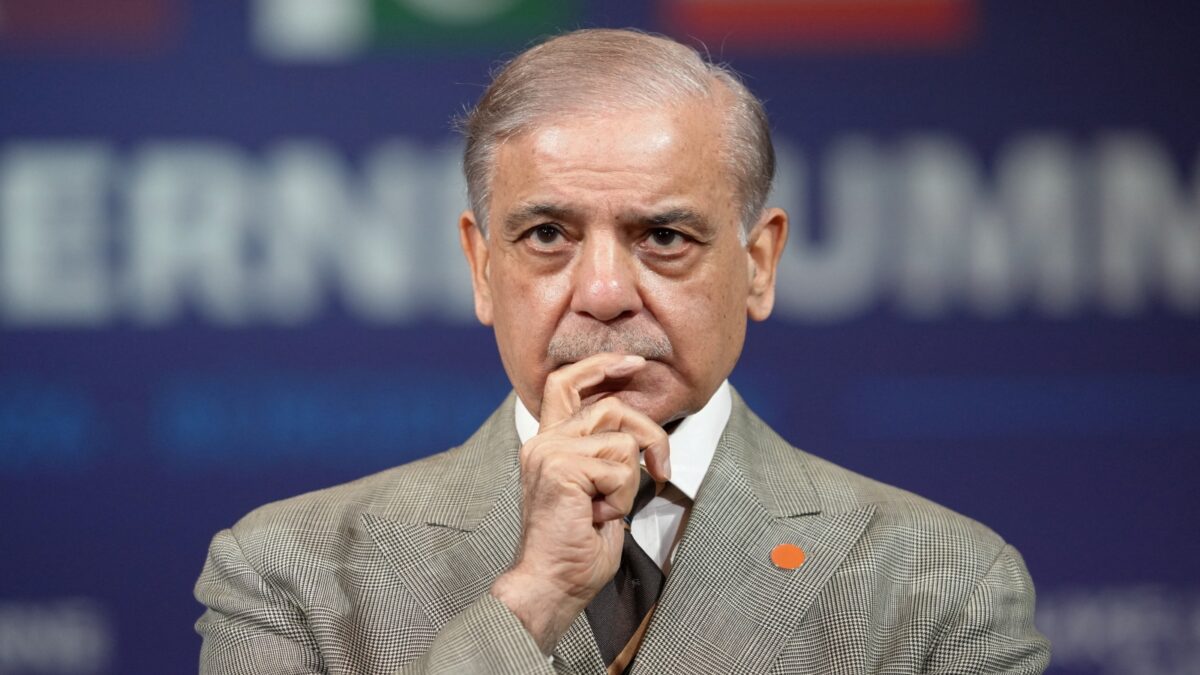
Pakistan often uses the United Nations General Assembly to discuss the Kashmir dispute.
Prime Minister Shehbaz Sharif is expected to continue this approach in 2026.
Earlier Pakistani leaders also raised Kashmir at the United Nations.
Zulfikar Ali Bhutto demanded a vote so Kashmiris could decide their future.
Nawaz Sharif described Kashmir as a serious danger because India and Pakistan have nuclear weapons.
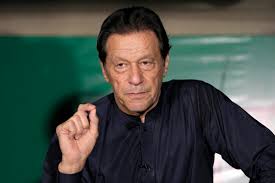
Imran Khan strongly criticized India after it removed the region’s special constitutional status in 2019.
Shehbaz Sharif has linked better relations and trade with India to progress on Kashmir.
India says Jammu and Kashmir is an integral part of India and rejects outside mediation.
India also accuses Pakistan of supporting terrorism across the border.

Pakistan is expected to emphasize Jammu and Kashmir during Prime Minister Shehbaz Sharif’s September 25, 2026, UNGA address.
Zulfikar Ali Bhutto established Pakistan’s forceful UN approach, invoking UN Resolution 47 and Kashmiris’ right to self-determination.
Nawaz Sharif presented Kashmir as a nuclear flashpoint and proposed a four-point peace initiative in 2015 and 2016.
Imran Khan devoted nearly 50 minutes of his 2019 UNGA speech to criticizing India’s abrogation of Article 370.
India rejects third-party mediation under the Simla Agreement and accuses Pakistan of supporting cross-border terrorism.
- Who
- Pakistan’s prime ministers and former leaders, including Shehbaz Sharif, Zulfikar Ali Bhutto, Nawaz Sharif and Imran Khan; India provides the opposing position.
- What
- Pakistan has repeatedly raised the Jammu and Kashmir dispute at United Nations General Assembly sessions.
- Where
- At the United Nations in New York, including the General Assembly and Security Council.
- When
- The approach spans the 1960s to Shehbaz Sharif’s expected address on September 25, 2026.
- Why
- Pakistan seeks international attention for its position on Kashmir, while India maintains that the territory is an integral part of India and that the dispute should not receive third-party mediation.
Pakistan’s Position
India’s Position
Status of Kashmir
Pakistan’s Position
Pakistan calls for the self-determination of Kashmiris and has demanded a plebiscite under its interpretation of UN Resolution 47.
India’s Position
India maintains that the entire Union Territory of Jammu and Kashmir is an inalienable and integral part of India.
International involvement
Pakistan’s Position
Pakistan has used the UNGA to internationalize the dispute, seek international action and demand investigations or mediation.
India’s Position
India rejects third-party mediation, citing the Simla Agreement and its requirement that disputes be settled bilaterally.
Security and regional stability
Pakistan’s Position
Pakistan warns that developments in Kashmir could threaten peace between two nuclear-armed states and links peace or trade dialogue to resolving the dispute.
India’s Position
India counters by accusing Pakistan of cross-border terrorism and describing it as a center for terror infrastructure and nuclear blackmail.
Key facts
- Upcoming address
- Shehbaz Sharif is scheduled to address the 81st United Nations General Assembly on September 25, 2026.
- Pakistan’s stated approach
- Pakistan has invoked UN resolutions, alleged human rights violations and warned about regional instability.
- Bhutto era
- Zulfikar Ali Bhutto advocated self-determination for Kashmiris and cited UN Resolution 47.
- Nawaz Sharif initiative
- Nawaz Sharif presented a four-point peace initiative in his 2015 and 2016 UNGA addresses.
- Imran Khan’s 2019 speech
- Imran Khan spoke for nearly 50 minutes after India abrogated Article 370 in August 2019.
- India’s response
- India cites the Simla Agreement to reject third-party mediation and accuses Pakistan of cross-border terrorism.
Sources
Related news
Erdogan Again Raises Kashmir at UN, Calls for Dialogue
Erdogan Raises Kashmir at UNGA After Turkey-Pakistan Defence Pact
Old Sharif Terrorism Remark Resurfaces With False UNGA Claim

Pakistan Plans to Raise Indus Waters Treaty at UNGA
Kashmiri Activist Accuses Pakistan of Crackdown in PoK at UN
Shehbaz Sharif Avoids Hafiz Saeed Questions at UNGA
Imran Khan’s PTI Delays Islamabad March Amid Government Blockades
Delhi Art Weekend 2026 brings art and workshops to Travancore
Pakistan Expands Curbs as Protests and Security Tensions Rise
Pakistan Locks Down Capital Ahead of Imran Khan Protest March