2 hrs ago
Letters Debate Domestic Labour, Himalayan Disasters, Prices And Dated Rules

This page contains letters about several important public issues.
One writer suggests that husbands could give wives regular money for the work they do at home.
The writer also says money should never replace respect or helping each other.
Several letters say the Himalayas are dangerous and fragile, so construction and big projects should be carefully controlled.
They also want countries to share climate information quickly.
Other writers discuss Nepal’s deadly floods, rescue work and whether leaders should be visibly present during disasters.
Some letters debate how governments should respond when onion and other food prices rise.
A final letter says old rules from the Manusmriti should not automatically guide life today.
Together, the letters ask for fairness, safety and responsible government action.

A reader proposes fixed monthly payments for wives’ domestic work, while stressing that respect and shared responsibilities must continue.
Letters call for tighter controls on Himalayan construction, faster climate information-sharing and possible limits on mining and large hydropower projects.
Writers describe Nepal’s flash floods as a major crisis, debate leadership visibility and seek greater international rescue support.
Readers offer differing responses to onion and essential-commodity prices, including buffer stocks, retail interventions and fair-price distribution.
A letter argues that Manusmriti should not determine modern conduct because some prescriptions subordinate women and lower castes.
- Who
- The letters are written by Vidya Gupta, Dattaprasad Shirodkar, Himangka Kaushik, S.S. Paul, Diya Mukherjee, Anwar Saeed, P.S.S. Durai, Brij B. Goyal, D. Bhattacharyya and Nibedita Das.
- What
- The contributors debate domestic labour, Himalayan environmental risks, Nepal’s floods, disaster leadership, food prices and the modern relevance of Manusmriti.
- Where
- The discussion concerns Indian households, Nepal and the Himalayas, with letters sent from Hooghly, Mumbai, New Delhi, Nadia, Calcutta, Ludhiana and North 24 Parganas.
- When
- The letters refer to Nepal’s floods as occurring last week and cite related articles dated September 1, September 2 and August 28; no year is given.
- Why
- The writers are responding to recent events and articles while proposing views on household fairness, environmental protection, disaster response, prices and social rules.
Reform And Conservation
Existing Measures And Practical Governance
Paying for domestic labour
Reform And Conservation
A fixed household payment could recognize domestic work and give wives money under their own control, but it should accompany respect and help.
Existing Measures And Practical Governance
Payment alone is insufficient and must not become a reason for husbands to withdraw from household responsibilities.
Development in the Himalayas
Reform And Conservation
Writers call for restricted construction, rapid climate cooperation and a possible moratorium on industrial mining and large hydropower projects in fragile areas.
Existing Measures And Practical Governance
The letters do not present a detailed defense of unrestricted development, but they frame the issue as a challenge requiring a different approach to development and diplomacy.
Responding to rising prices
Reform And Conservation
One writer favors the Centre’s buffer-stock release, retail interventions and decision to avoid export bans as a calibrated response.
Existing Measures And Practical Governance
Another urges the Bengal government to establish fair-price shops or authorized doorstep distribution to protect consumers from traders.
Key facts
- Domestic-work proposal
- A reader suggests giving a wife a fixed monthly amount for household work to spend as she chooses.
- Himalayan risks
- The letters mention earthquakes, landslides, avalanches, cloudbursts, flash floods and glacier-related disasters.
- Environmental proposals
- Suggestions include restricting construction in river corridors, sharing climate information and considering limits on mining and large hydropower projects.
- Nepal disaster
- Letters describe the flash floods as deadly and potentially Nepal’s worst disaster in a decade.
- Leadership debate
- One writer questions Narendra Modi’s decision to attend the Shanghai Cooperation Organisation summit rather than remain in India during the response.
- Food-price measures
- The Centre is described as releasing onion buffer stock, making retail interventions and avoiding export bans.
- Manusmriti criticism
- One contributor says its prescriptions on women and lower castes make it unsuitable as a modern conduct code.
Sources
Related news
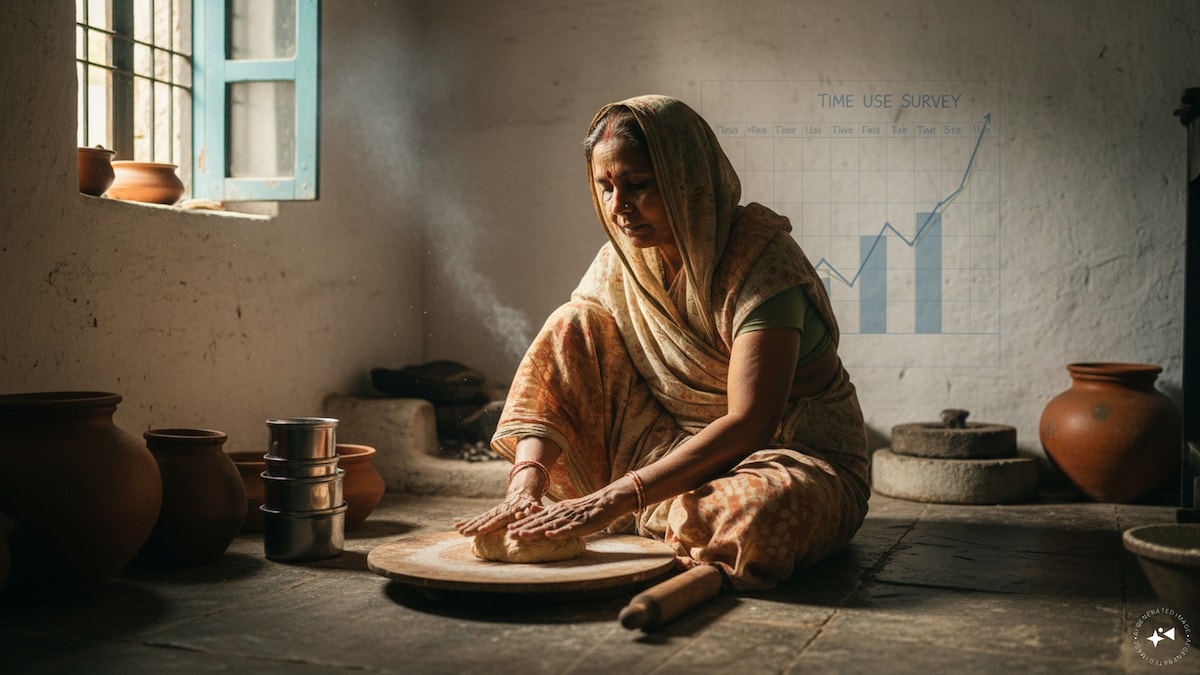
India’s Unpaid Household Work Debate Gains Attention After Viral Post

Monthly Homemaker Payment Sparks Debate Over Domestic Labour

Kiran Bedi: Marriage for Indian Women Is 'Nothing But Trauma'
Supreme Court values homemakers' unpaid work at Rs 30,000 monthly
Nepal PM Thanks India, China Amid Climate Compensation Demand

Letters highlight sanitary pad barriers and Nepal-Tibet floods

India GDP Base-Year Revision Triggers Political Growth Data Storm
BJP Plans Month-Long Mobilisation Around Modi’s 25 Years
JPC Examines FCRA Bill as BJP MP Arvind Thanks Leaders

India Hails GSLV-F17 Launch as Major Space Milestone