

2 weeks ago
Supreme Court values homemakers' unpaid work at Rs 30,000 monthly
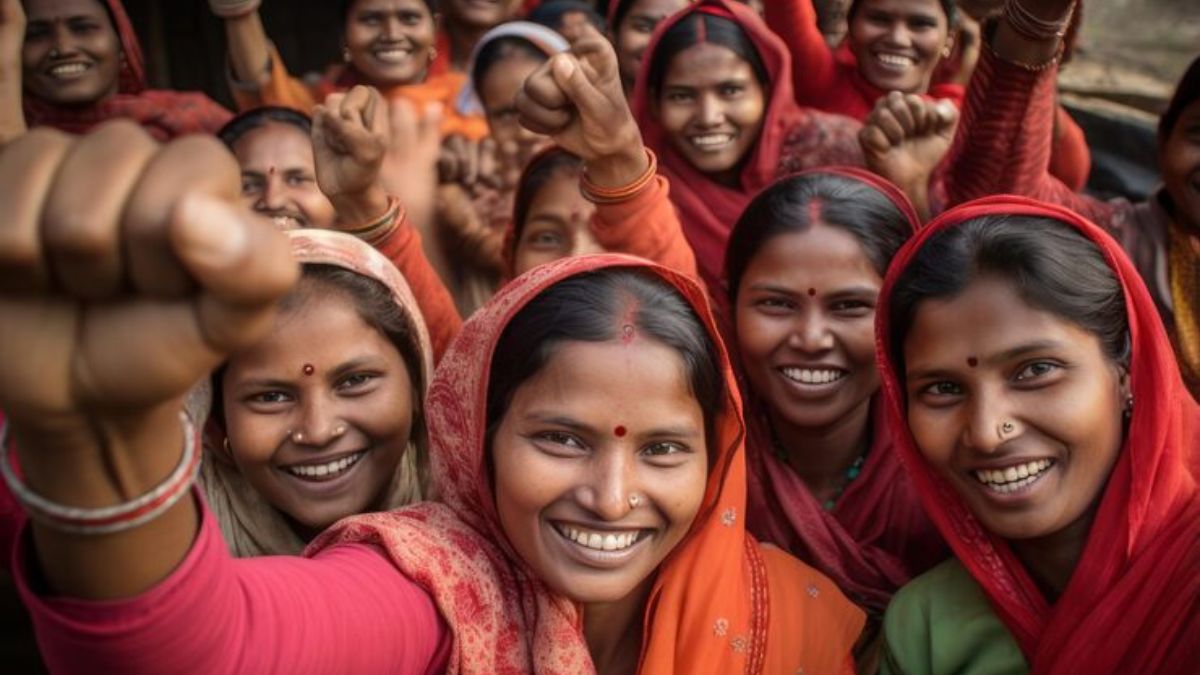
The Supreme Court of India made two important decisions about housework.
It said that the work done by homemakers is very valuable.
The court said this work is worth at least Rs.
30,000 every month.
It also said that housework is not only a woman's job.
Husbands and wives should share cooking, cleaning, and taking care of the family.
The court said that marrying someone does not mean marrying a maid.
A government survey shows that women do much more housework than men.
Women spend about five hours a day on unpaid housework, while men spend about one and a half hours.
Even women who have jobs still do most of the housework at home.
The court and experts say this work should be counted in India's economic statistics so it becomes visible and valued.

In Shishu Pal v. Surjeet (June 11, 2026), the Supreme Court declared homemakers' unpaid work is worth at least Rs. 30,000 monthly.
The court said women's unpaid work contributes an estimated 15-17% of India's GDP yet remains unrecognised.
On March 20, 2026, the court ruled household chores are a shared partnership responsibility, not a wife's unilateral obligation.
Time Use Survey 2024 data shows women aged 15-59 spend 305 minutes daily on unpaid domestic work versus 86 minutes for men.
Among those in the labour force, 94% of women still perform unpaid household chores daily, compared to 32% of men.
- Who
- The Supreme Court of India, homemakers, and authors Sunitha Bhaskar and Ujjaval Srivastava of the Ministry of Statistics and Programme Implementation
- What
- Supreme Court rulings valuing homemakers' unpaid work at at least Rs. 30,000 monthly and declaring household chores a shared partnership responsibility, supported by Time Use Survey data on unpaid work disparities
- Where
- India
- When
- June 11, 2026 (Shishu Pal v. Surjeet judgment); March 20, 2026 (earlier proceeding); Time Use Survey 2024 released in 2025
- Why
- To make women's invisible unpaid domestic work visible and address India's low female labour force participation rate of 31.7%
Key facts
- Key judgment
- Shishu Pal v. Surjeet, June 11, 2026
- Valuation of homemaker's unpaid work
- At least Rs. 30,000 monthly
- Women's unpaid work share of GDP
- 15-17%
- Female labour force participation rate
- 31.7%
- Women's daily unpaid domestic work
- 305 minutes (vs 86 minutes for men)
- Women in labour force doing daily chores
- 94% (vs 32% of men)
- Data source
- Time Use Survey 2024, released by MoSPI in 2025
- Earlier ruling
- March 20, 2026: household chores are a shared partnership responsibility
Quotes

Supreme Court Justice
A judge in the Indian Supreme Court
“"It is ironic to describe a homemaker as dependent on earning members, when in reality, the household’s functioning depends substantially on the homemaker."”
 financialexpress.com
“"You’re not marrying a maid, you are marrying a life partner. You have to equally participate in cooking, washing, everything."”
financialexpress.com
Sources
Related news
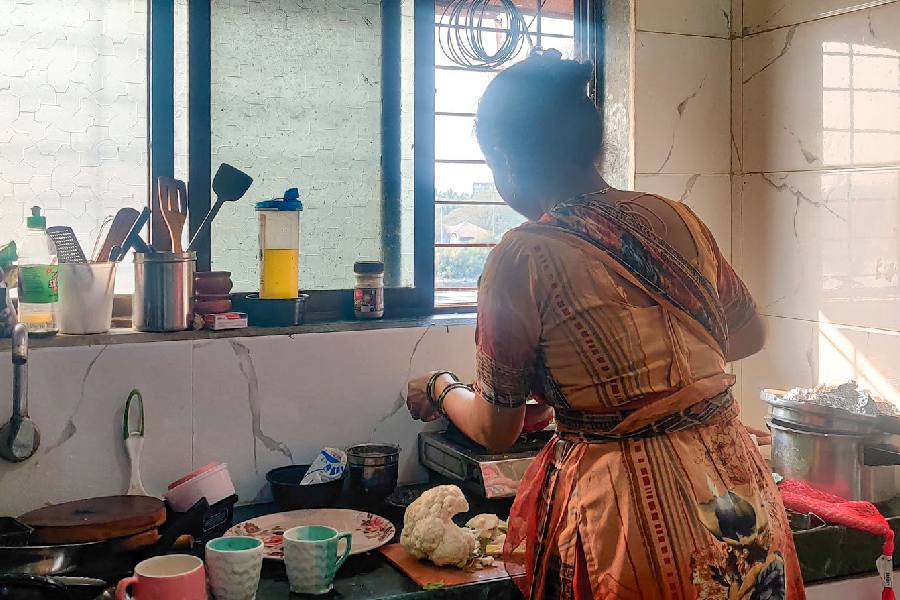
Indian Households Face Growing Gender Gap in Domestic Labour
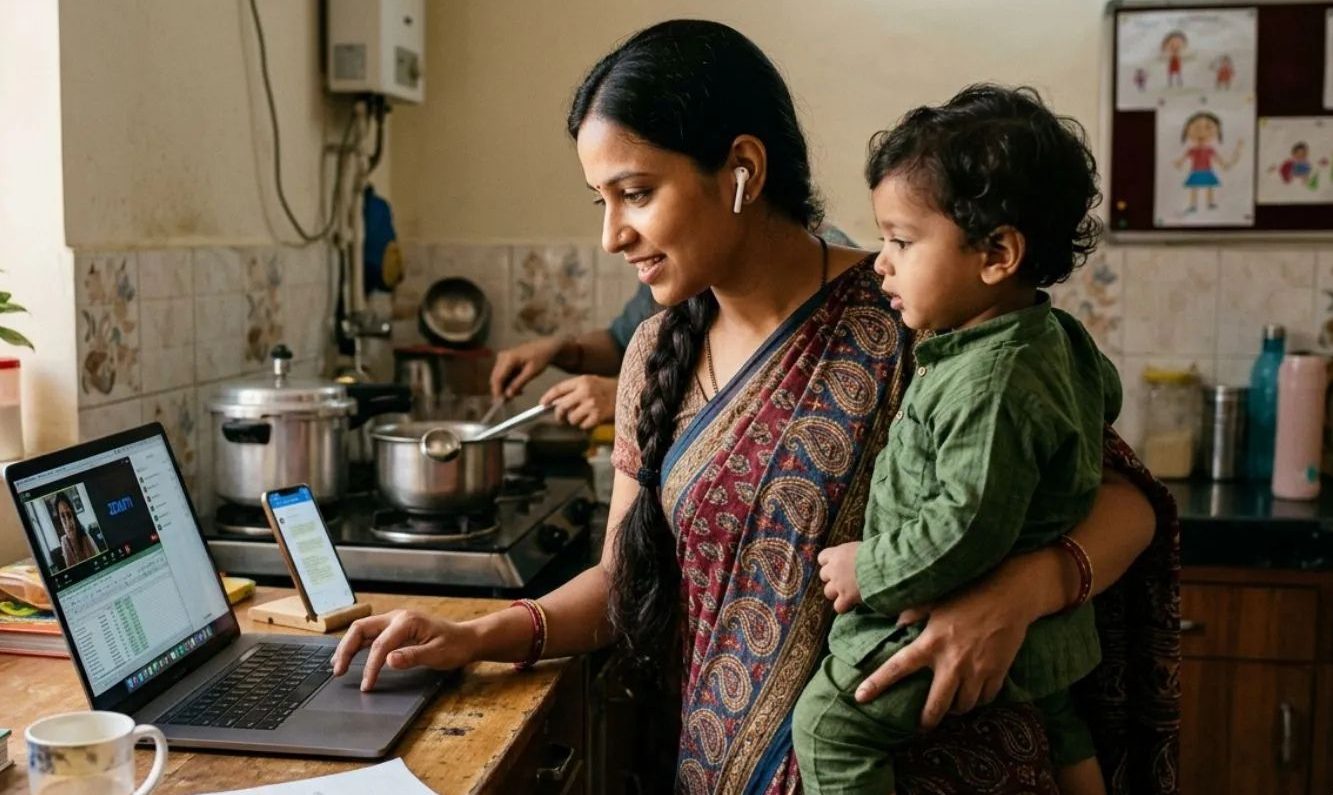
Women's Caregiving Work Is Never 'Just' a Hobby

Indian households' permission norms keep women from work and mobility

India’s Female Workforce Participation Rises, But Dual-Income Shift Unclear

Pakistan lags South Asia in women's employment, report finds
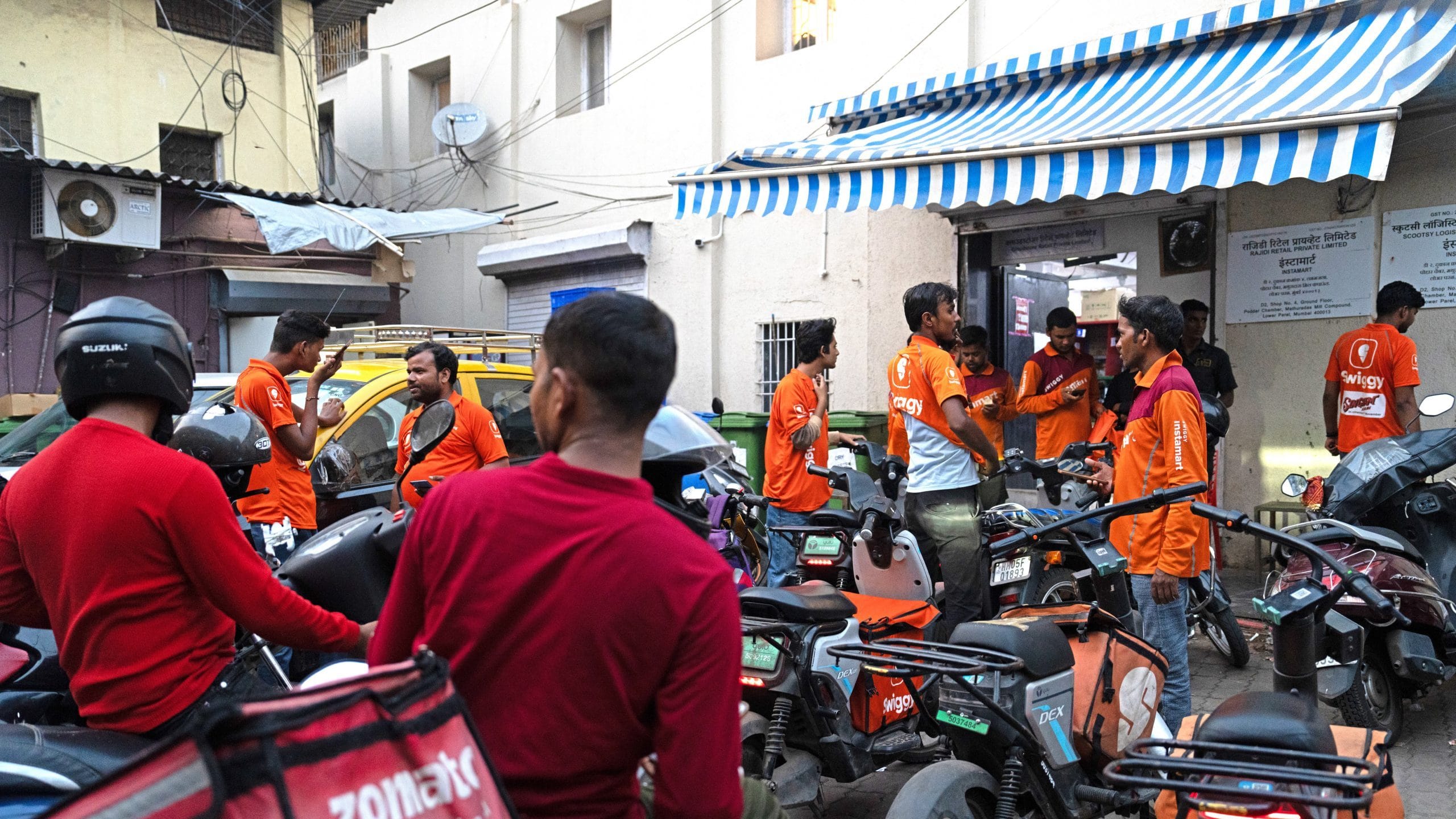
India’s Gig Economy Growth Leaves Women Behind, Study Finds

Mitsubishi Revives Pajero With 201PS Fifth-Generation SUV

IIM-Born CEO Says Australia’s Everyday Life Runs on Trust

UN Report Says 1.5°C Overshoot, Return Remains Possible

Uday Kotak Warns Global Bond Markets Face Roller-Coaster Volatility

Countrywide Visas Services, Reviews, and Complaints Explained
