4 days ago
Letters highlight sanitary pad barriers and Nepal-Tibet floods

One letter says getting a sanitary pad in some offices and colleges is too difficult.
People may have to scan a QR code, receive an OTP and show identification before getting one.
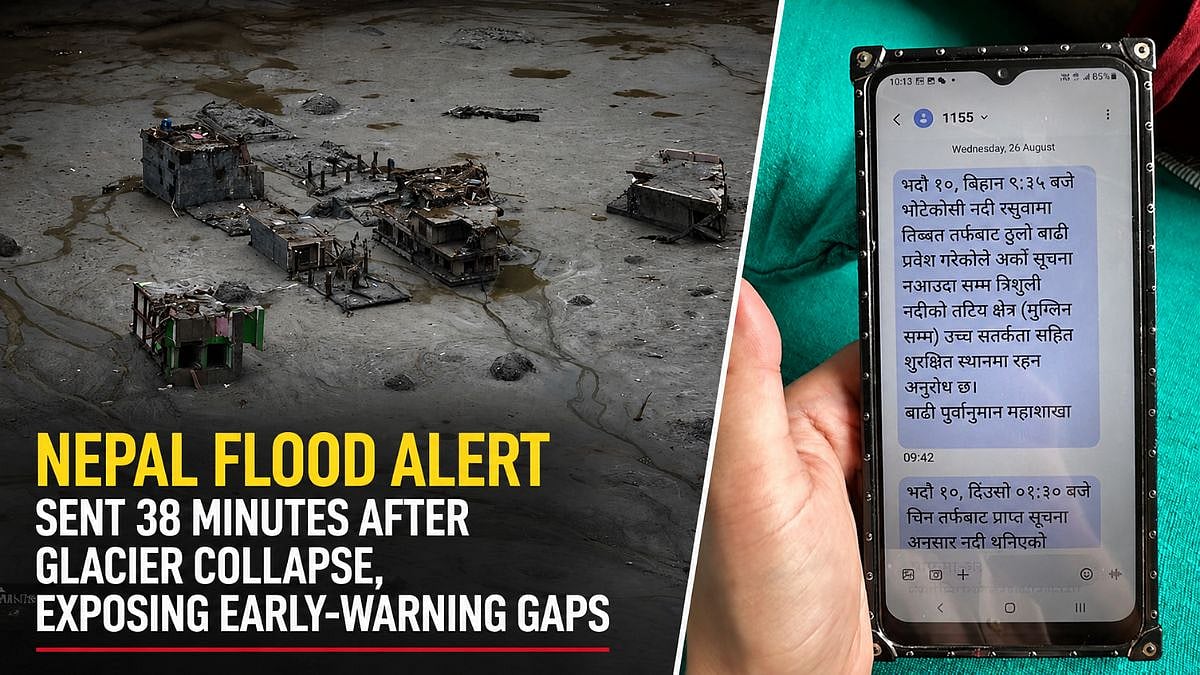
Other letters discuss deadly flash floods in Nepal and Tibet.
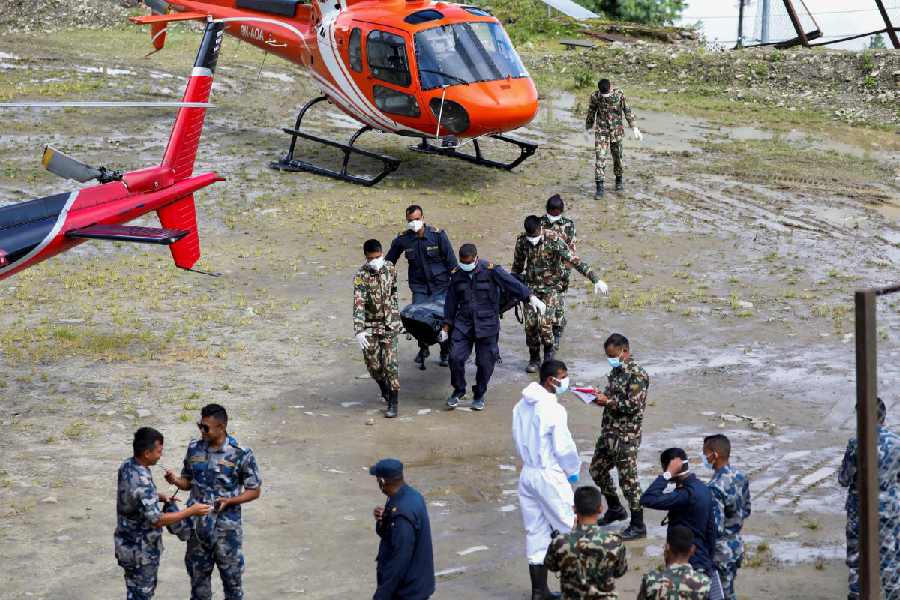
At least 469 people were reported dead, and more than 1,400 were missing.
Many Indian pilgrims were also unaccounted for.
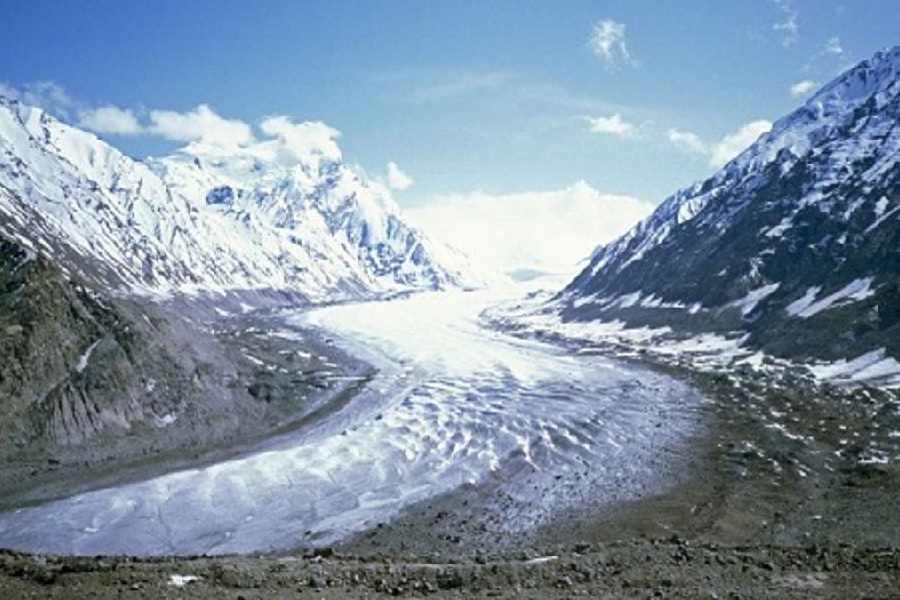
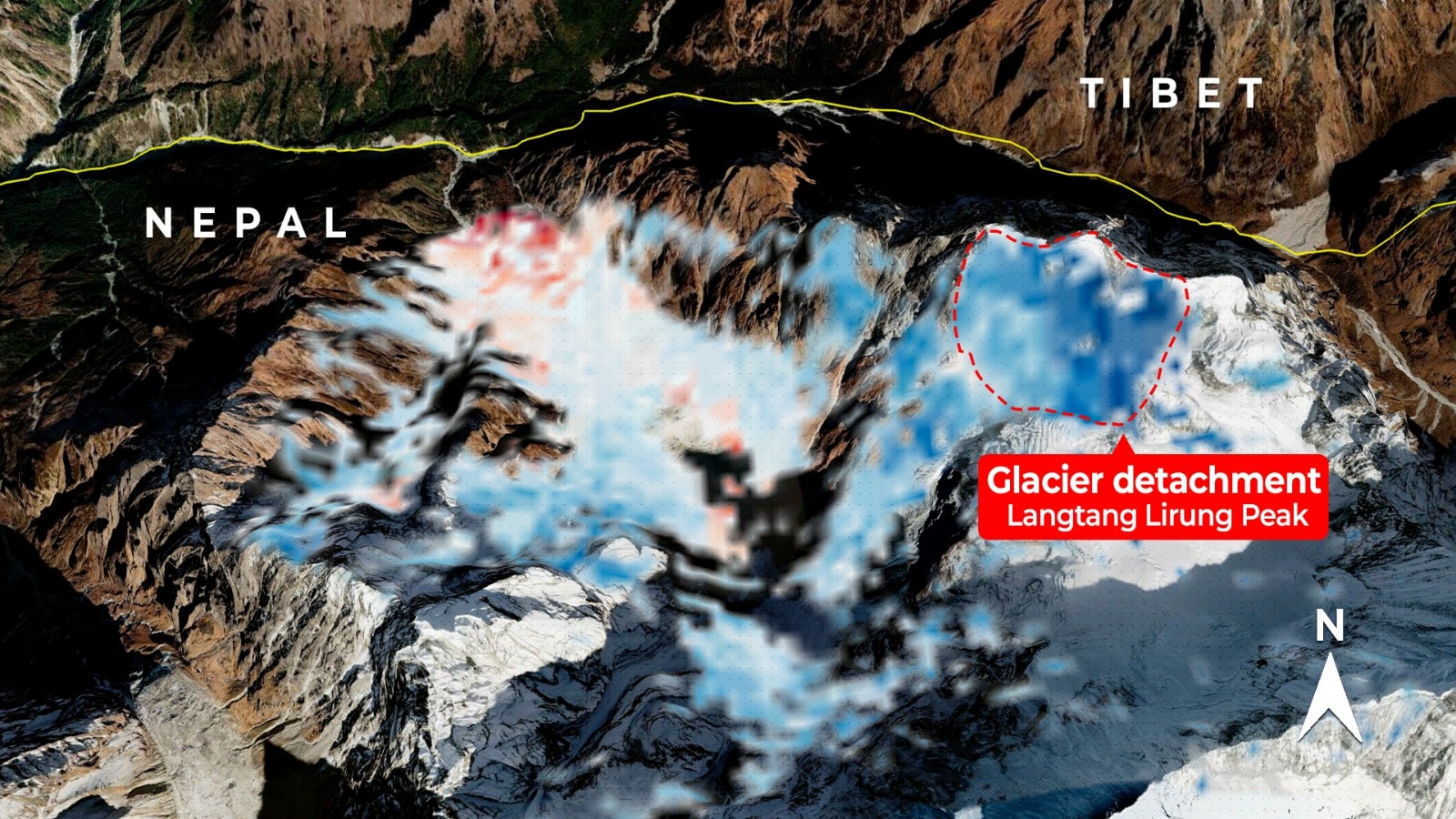
The writers said a collapsing glacier or mountain ice and rocks may have caused the floods.
Some connected the disaster to climate change and melting permafrost.
They asked governments to improve warnings, evacuations and protection for communities near rivers and mountains.

Some offices and colleges require QR scans, OTPs and identification to obtain sanitary pads.
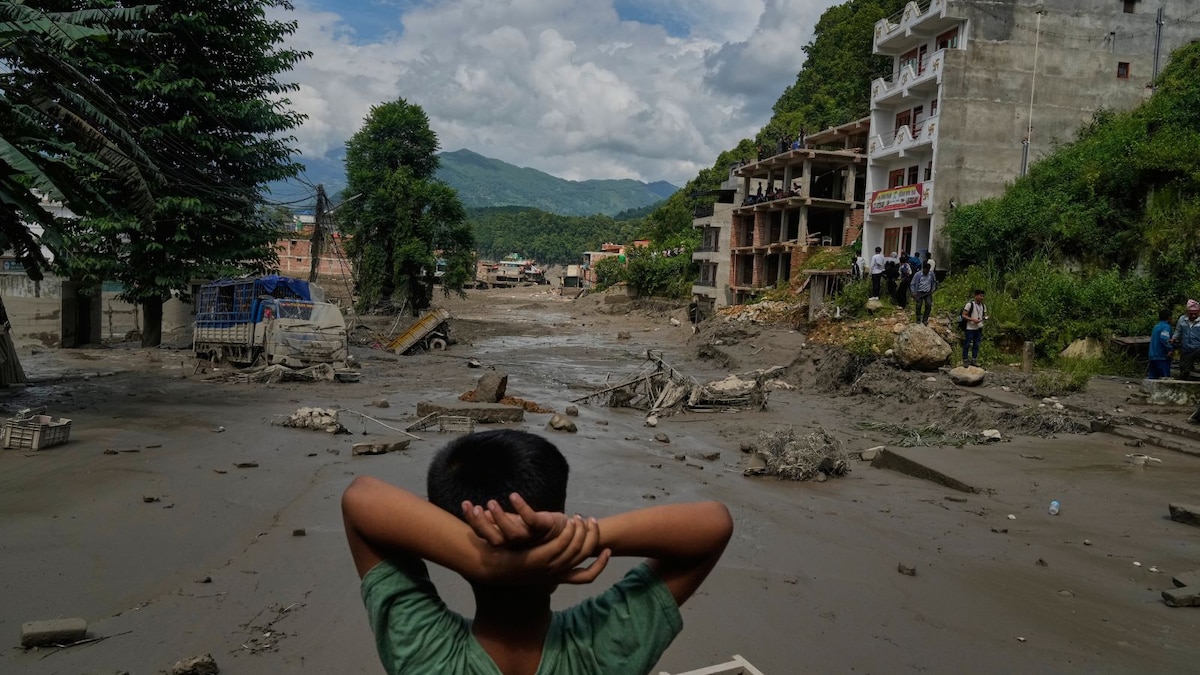
Flash floods in Nepal and Tibet reportedly killed at least 469 people and left more than 1,400 missing.
More than 100 Indian pilgrims travelling toward Kailash Mansarovar were reportedly unaccounted for.
Letters attributed the disaster to a glacial collapse, ice-and-rock burst, debris flow or melting permafrost.
Writers urged stronger warning systems, evacuations, drainage, embankments and Himalayan cooperation.
- Who
- Flood victims, missing people, rescuers and Indian pilgrims were affected; letter writers called for government action.
- What
- Flash floods devastated parts of Nepal and Tibet, while another letter criticized complicated sanitary-pad dispensers in offices and colleges.
- Where
- The disaster affected Nepal and Tibet, including areas near the Bhote Koshi river; the sanitary-pad issue was reported in offices and colleges.
- When
- The floods were reported in letters referring to August 27 and 28, with one account describing the event as occurring on a Wednesday.
- Why
- The letters cited a glacial collapse, an ice-and-rock burst, debris flow and possibly melting permafrost, while some writers linked the event to climate change and inadequate alert systems.
Climate and infrastructure concerns
Natural-hazard emphasis
Cause of the floods
Climate and infrastructure concerns
Several writers said climate change, rising temperatures and melting permafrost or glaciers contributed to the disaster.
Natural-hazard emphasis
Other descriptions emphasized a glacial collapse or sudden high-mountain ice-and-rock burst followed by debris flow, without definitively attributing it to climate change.
Role of human decisions
Climate and infrastructure concerns
Some letters described the catastrophe as partly man-made, citing weak alert and response systems and continued infrastructure projects in a vulnerable Himalayan region.
Natural-hazard emphasis
Another view stressed that nature's fury cannot be prevented, while still supporting stronger preparedness and cooperation.
Key facts
- Reported deaths
- At least 469 people were reported killed.
- People missing
- More than 1,400 people were reported missing.
- Indian pilgrims
- More than 100 Indian devotees, mostly travelling toward Kailash Mansarovar, were reportedly unaccounted for.
- Flood impact
- The floods swept away people, animals, goods and critical infrastructure, including power plants.
- Reported river
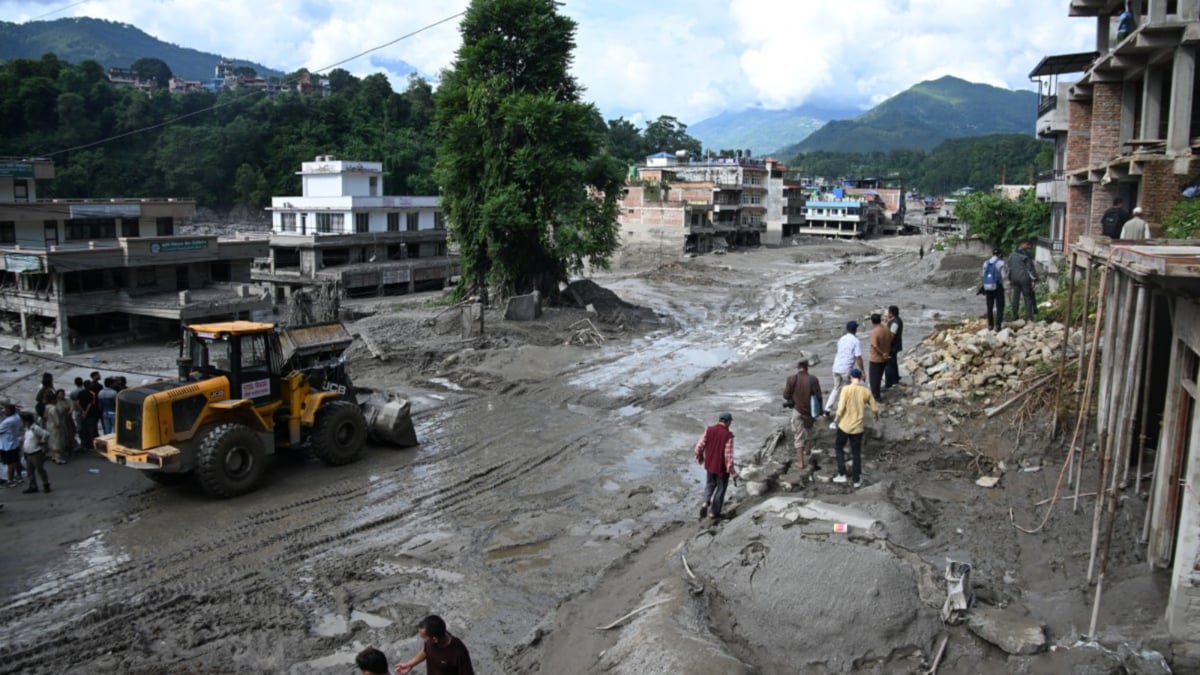
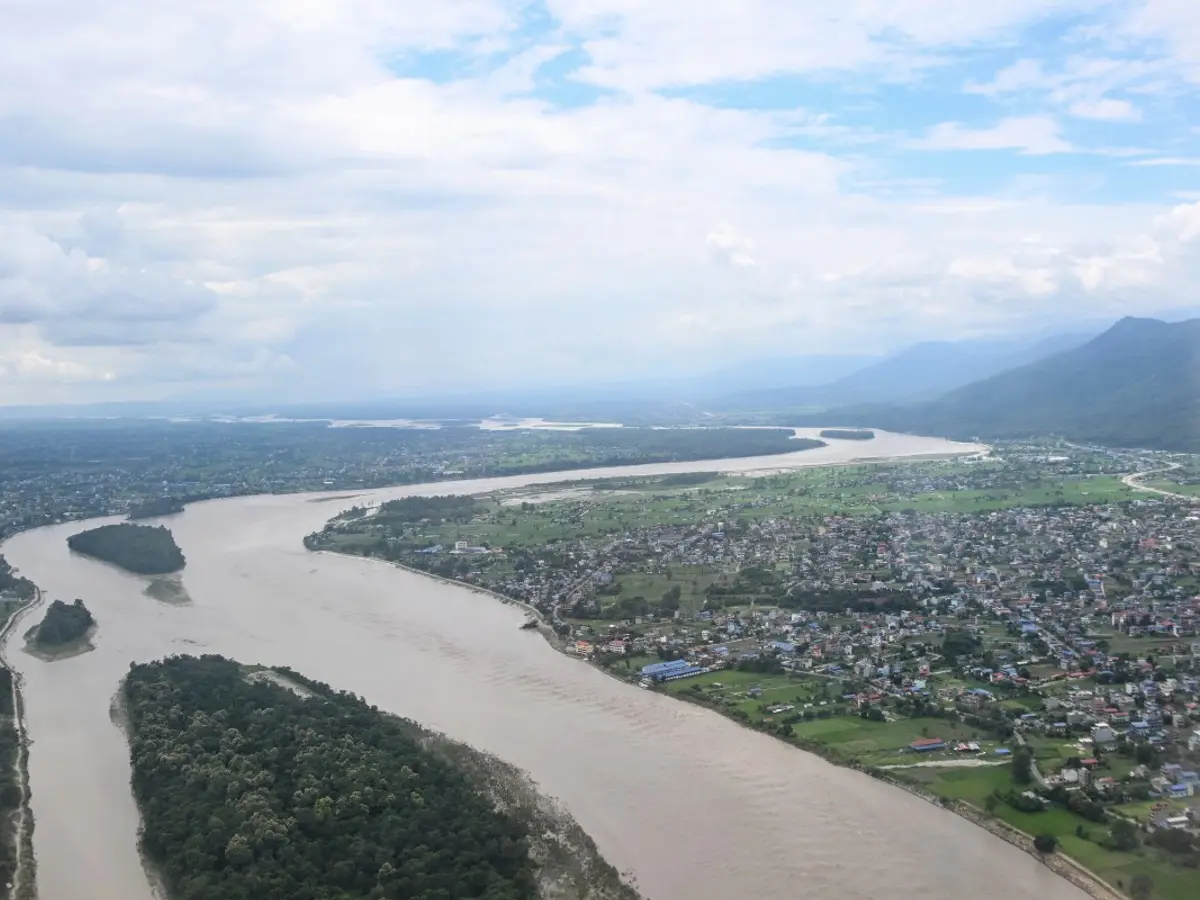
- One letter identified the Bhote Koshi river as the source of a devastating flash flood.
- Pad access barriers
- Some dispensers reportedly require a QR-code scan, an OTP and identification before releasing a sanitary pad.
- Proposed measures
- Writers called for better warning systems, faster evacuations, improved drainage and embankments, and cooperation among Himalayan countries.
Sources
Related news
Nepal Flash Floods Kill At Least 160, Hundreds Missing

Nepal Flood Tragedy Highlights Need for Himalayan Early Warnings

Nepal Flash Flood Kills 162 as Missing Counts Diverge

Nepal Flash Floods Kill 162 as MP Questions Tourist Warnings
Glacial Floods Expose the Growing Himalayan Disaster Threat
Nepal Issues Fresh Bhote Koshi Flood Alert Amid Deluge

Nepal Flood Death Toll Tops 1,200 as Searches Continue
Satellite Radar May Strengthen Nepal's Flood Warning Systems
Nepal Plans New Landslide Warning System Along China Border

Nepal Thanks India as Glacial Disaster Rescue Efforts Continue
Nepal Warns of Heavy Rain After Deadly Floods