2 hrs ago
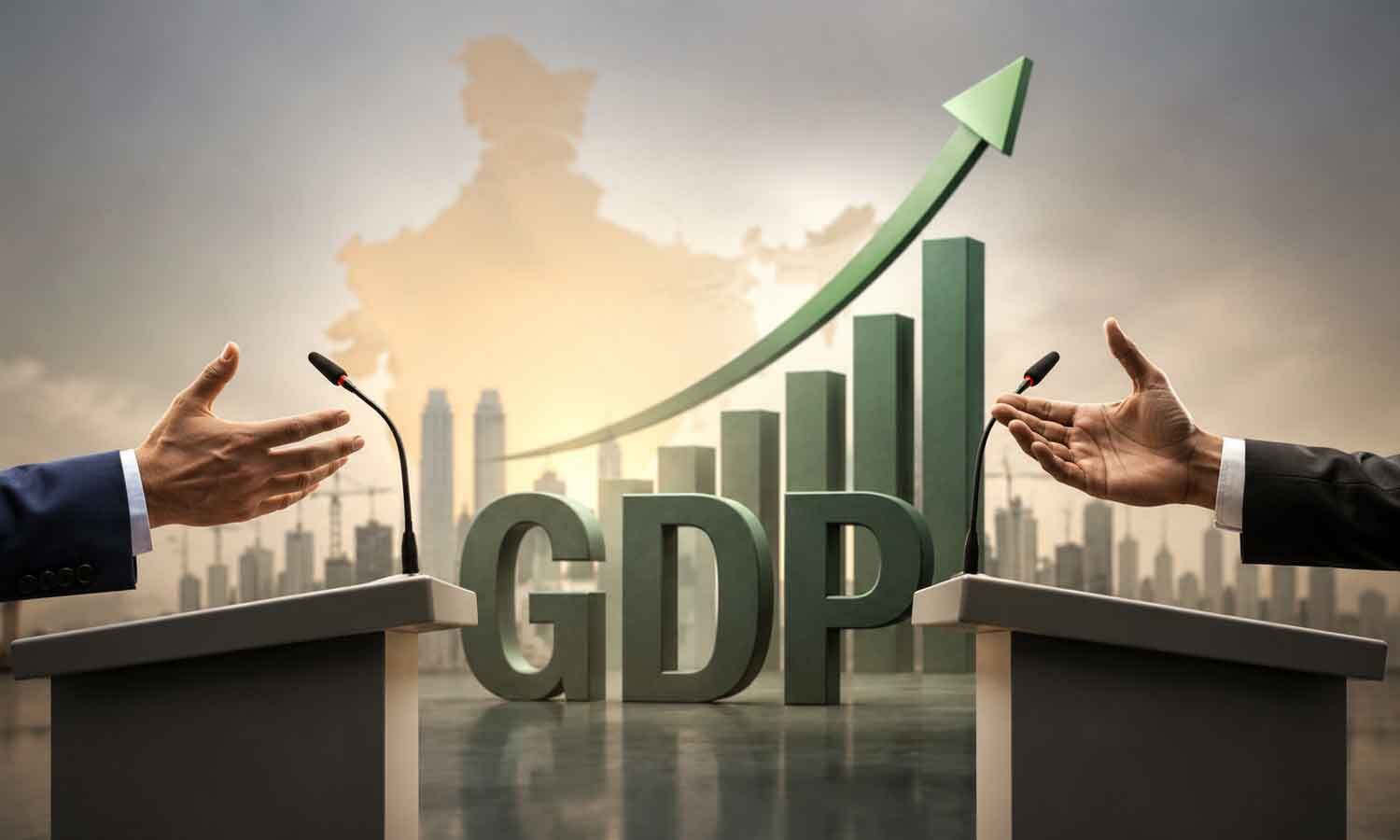
India GDP Base-Year Revision Triggers Political Growth Data Storm

GDP is a way to measure how much an economy produces.
The government said India grew by 7.8% in the April-June 2026 quarter.
Congress questioned whether the number looks high partly because the government changed the comparison year used in its calculations.
That comparison year is called the base year.
India changed it from 2011-12 to 2022-23.
The government says this makes the numbers more up to date and uses better information.
Critics say the change may have lowered earlier figures and made current growth look larger.
The debate has become political, with Prime Minister Narendra Modi praising the result and Congress challenging it.
Economist Raghuram Rajan said the strong figures should be examined alongside weak job creation and limited private investment.

The government reported real GDP growth of 7.8% in April-June 2026, exceeding economists' forecasts.
Congress questioned whether changes to the GDP base year and previous estimates made growth appear stronger.
India changed its GDP base year from 2011-12 to 2022-23 on 27 February.
The government said rebasing improves methods, incorporates newer data and better reflects economic changes.
Raghuram Rajan said strong GDP growth had not clearly translated into private investment, foreign investment or decent jobs.
- Who
- The Ministry of Statistics and Programme Implementation, Prime Minister Narendra Modi, the Congress party and economists including Raghuram Rajan.
- What
- A political dispute over India's reported GDP growth and the revision of the GDP base year.
- Where
- India.
- When
- The disputed quarterly data was released on 31 August; the new GDP series was unveiled on 27 February.
- Why
- Congress questioned whether the base-year change, revised estimates and inflation calculations overstated real economic growth.
Government and Supporters
Congress and Critics
Meaning of the base-year revision
Government and Supporters
The government says rebasing is a routine statistical exercise that updates methods, adds better data sources and reflects structural changes in the economy.
Congress and Critics
Congress argues that lowering the comparison base can make the current growth rate appear substantially higher without a corresponding change in economic activity.
Interpretation of 7.8% growth
Government and Supporters
Prime Minister Narendra Modi called the 7.8% growth an exemplary and herculean achievement made despite global disruptions and supply-chain challenges.
Congress and Critics
Congress questioned the basis of the calculation and raised concerns about revisions to earlier GDP figures, inflation estimates, manufacturing and private consumption.
Growth and economic outcomes
Government and Supporters
The reported figures indicate strong annual and quarterly economic growth, with the quarterly result exceeding economists' expectations.
Congress and Critics
Raghuram Rajan said he remained puzzled that strong GDP growth had not produced more private investment, foreign direct investment or decent jobs; the article also noted concerns about youth unrest.
Key facts
- Reported quarterly growth
- Real GDP growth was reported at 7.8% for April-June 2026, or Q1 of FY 2026-27.
- Annual growth
- Real GDP growth for FY 2025-26 was estimated at 7.6%, compared with 7.1% in FY 2024-25.
- Nominal growth
- Nominal GDP for FY 2025-26 was projected to grow by 8.6%.
- Base-year change
- The GDP base year was changed from 2011-12 to 2022-23.
- GDP size revision
- Nominal GDP for FY 2025-26 was revised from ₹357 trillion under the old series to ₹345 trillion under the new series.
- Government rationale
- The government said 2022-23 was selected because it was the most recent normal period after pandemic-related disruptions in 2019-20 and 2020-21.
- Critics' calculation
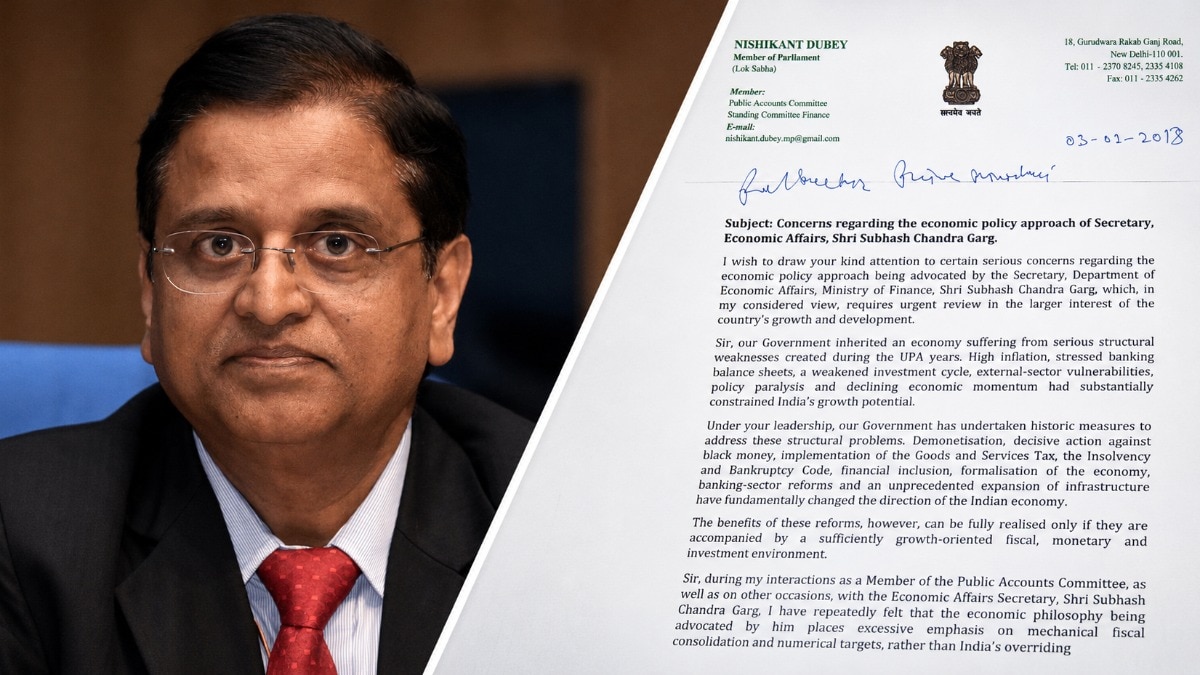
- Jairam Ramesh, citing Subhash Chandra Garg, said nominal quarterly growth might have been closer to 2.6% without the downward base revision, with real growth near zero after inflation.
Quotes

Government of India
The Indian government, explaining the rationale for revising the GDP base year
“Over the past decade, India’s economy has evolved considerably, with the expansion of renewable energy and digital services, alongside changes in consumption patterns and investment behaviour. Rebasing enables GDP and related indices to better capture the contribution of emerging sectors, shifts in relative prices, and advances in technology and productivity”
 livemint.com
“It would be reasonable to say that I have puzzled over the path of our GDP numbers for a while - why don't we see more private investment, more FDI, and more decent jobs if they are growing so strongly?”
livemint.com
Sources
Related news

Sanyal Defends India’s 7.8% GDP Growth Amid Opposition Questions
Congress Challenges 7.8% GDP Growth as Revisions Draw Scrutiny
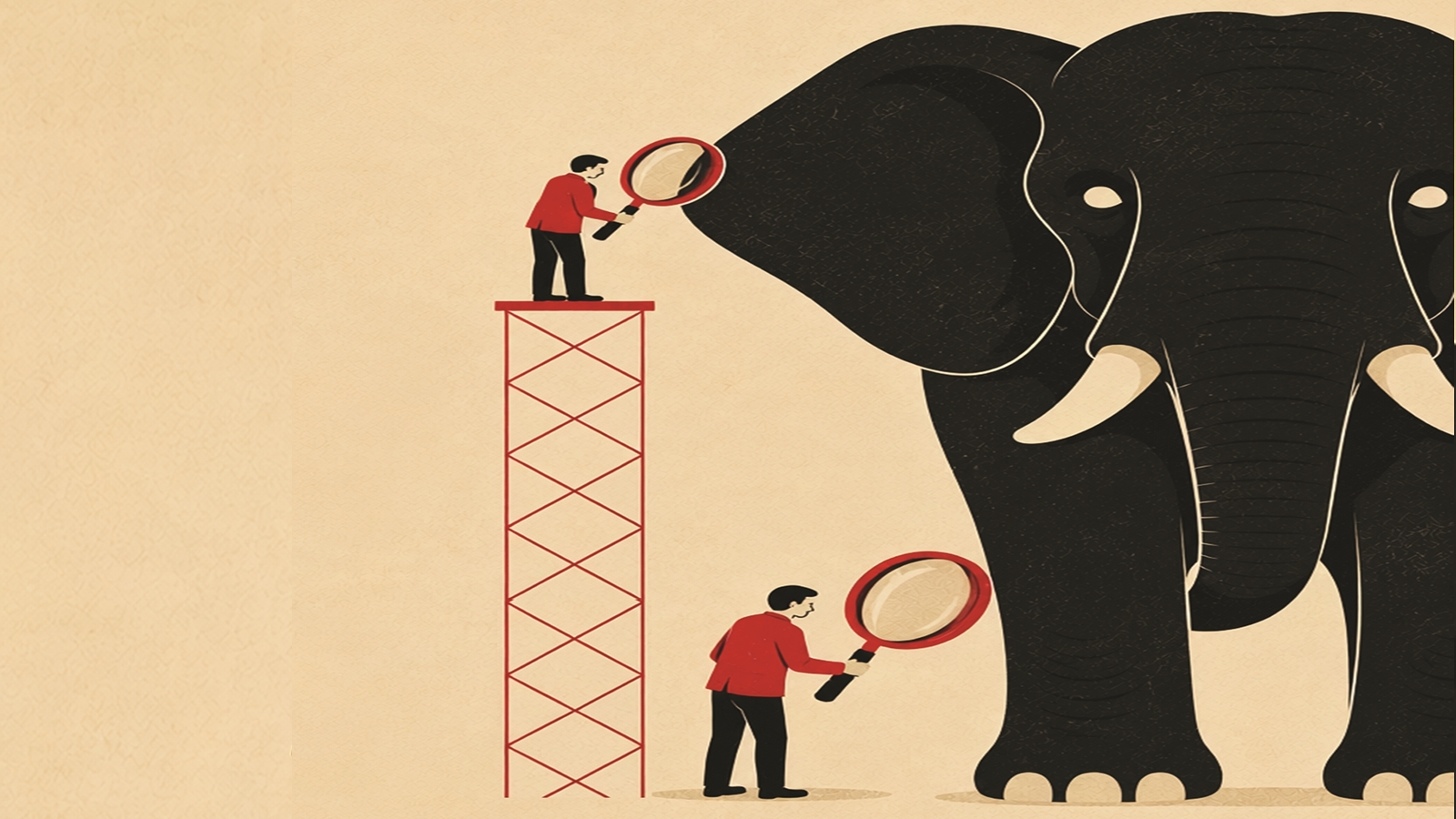
GDP Base Revision Debate Should Not Obscure India’s Growth

Government Defends India’s 7.8% Q1 GDP Growth Amid Debate
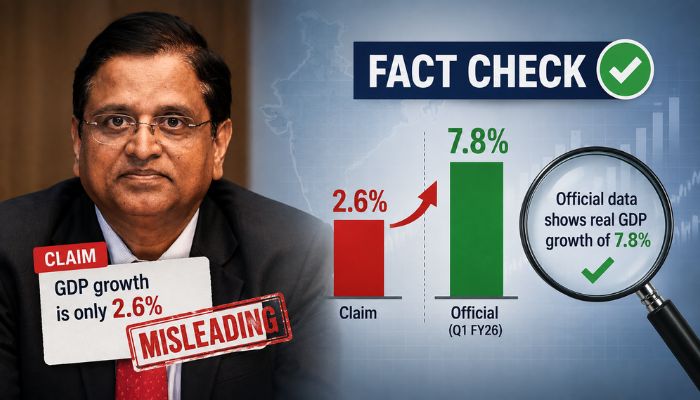
Government Rejects 2.6% Claim, Defends India’s 7.8% GDP Growth

Mishra Defends India’s 7.8% GDP Growth Against Critics
India’s GDP Growth Debate Extends Beyond Conflicting Statistics

Malviya Challenges Garg’s Reversal on India’s New GDP Series

Rijiju Shares Huang’s India Tech Praise Amid GDP Dispute