1 week ago
BRICS Adopts Chennai Declaration for Future-Ready Science Cooperation

BRICS countries agreed to a plan called the Chennai Declaration.
India led the meeting where the plan was adopted.
The plan says science and technology should mainly help people.
It focuses on sustainable growth, inclusion and improving quality of life.
The countries discussed artificial intelligence, health, climate and quantum technology.
They want to share research facilities and work on projects together.
The plan also supports young scientists, innovators and startups.
It says startups may need more financing.
The next science ministers’ meeting is planned under China’s chairship in 2027.

BRICS countries unanimously adopted the Chennai Declaration under India’s chairship.
The declaration puts a people-centred, humanity-first approach at the core of science, technology and innovation cooperation.
It covers artificial intelligence, high-performance computing, quantum technologies, biotechnology, health, climate and sustainability.
BRICS cooperation includes 14 thematic working groups, 11 Young Scientist Forum editions, nine Young Innovators Prize editions and nine STI Framework Programme calls.
The plan supports youth startups, expanded research access and stronger joint projects, with the next ministerial meeting scheduled under China’s chairship in 2027.
- Who
- BRICS member countries and Union Minister Dr Jitendra Singh, who announced the adoption.
- What
- The countries unanimously adopted the Chennai Declaration, also called the Chennai Consensus, on science, technology and innovation cooperation.
- Where
- At the BRICS Science Ministerial Meet chaired by India in Chennai, with the report datelined New Delhi.
- When
- The declaration was adopted on Saturday at the closing session of the 14th BRICS Science Ministerial Meet; one report was published on August 22, 2026.
- Why
- To establish an effective, resilient and future-ready framework for science, technology and innovation cooperation focused on sustainable development, inclusion and public welfare.
Key facts
- Declaration
- BRICS countries unanimously adopted the Chennai Declaration, also referred to as the Chennai Consensus.
- Chairship
- India chaired the 14th BRICS Science Ministerial Meet.
- Core approach
- The declaration emphasizes a people-centred and humanity-first approach to science, technology and innovation.
- Discussion areas
- Topics included artificial intelligence, high-performance computing, quantum technologies, advanced materials, biotechnology, health, climate and sustainability.
- Existing cooperation
- BRICS STI cooperation includes 14 thematic Working Groups, 11 Young Scientist Forum editions, nine Young Innovators Prize editions and nine STI Framework Programme calls.
- Startup support
- The declaration welcomes the BRICS Youth Startup Platform and recognises the need to finance early- and growth-stage startups.
- Next meeting
- The next BRICS Science Ministerial Meeting is scheduled under China’s chairship in 2027.
Quotes
Chennai Consensus
Declaration adopted at the BRICS Science Ministerial Meet
“people-centred and humanity-first approach at the heart of STI cooperation, with emphasis on sustainable development, resilient and high-quality growth, social inclusiveness and the use of innovation and technology to improve the welfare and quality of life of people across BRICS nations.”
 thehindubusinessline.com
Sources

Related news

Jitendra Singh Urges Global Cooperation on Emerging Technologies
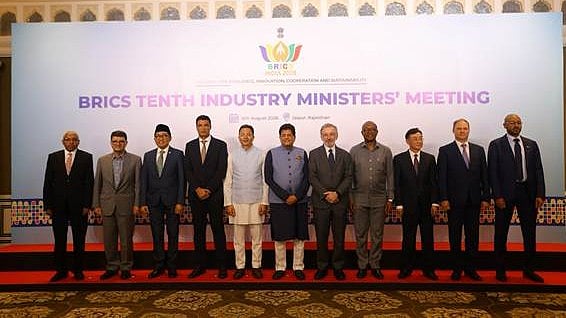
BRICS Industry Ministers Adopt Joint Declaration in Jaipur for Cooperation

India Advances Startup, Agriculture and Security Cooperation Under BRICS
BRICS Education Ministers Adopt Five-Priority Declaration in Bhubaneswar

BRICS Culture Ministers Adopt Bhopal Declaration at 11th Meeting

BRICS Summit Focuses on Youth, Adopts Education Ministers' Declaration

Pentagon Turmoil Deepens as Hegseth Tightens Grip on Military

Damaged Lohit River Bridge Cuts Off Arunachal Border Villages
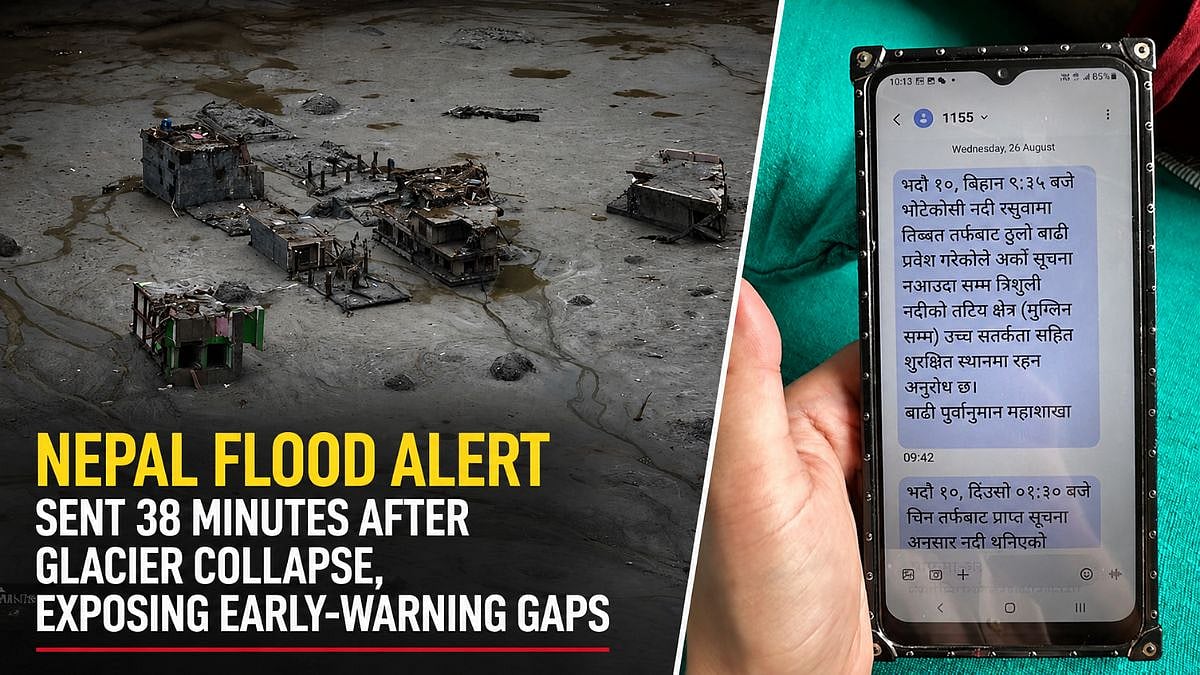
Nepal Flood Exposes Delayed Alerts and Cross-Border Warning Gaps

Chinese Workers Fight Office Ageing With Parasols And Sunscreen
UPSC Key Covers SCO, Electoral Rolls, Economy, Defence and Climate