3 weeks ago
India's diversification doesn't mean safety as oil routes tighten
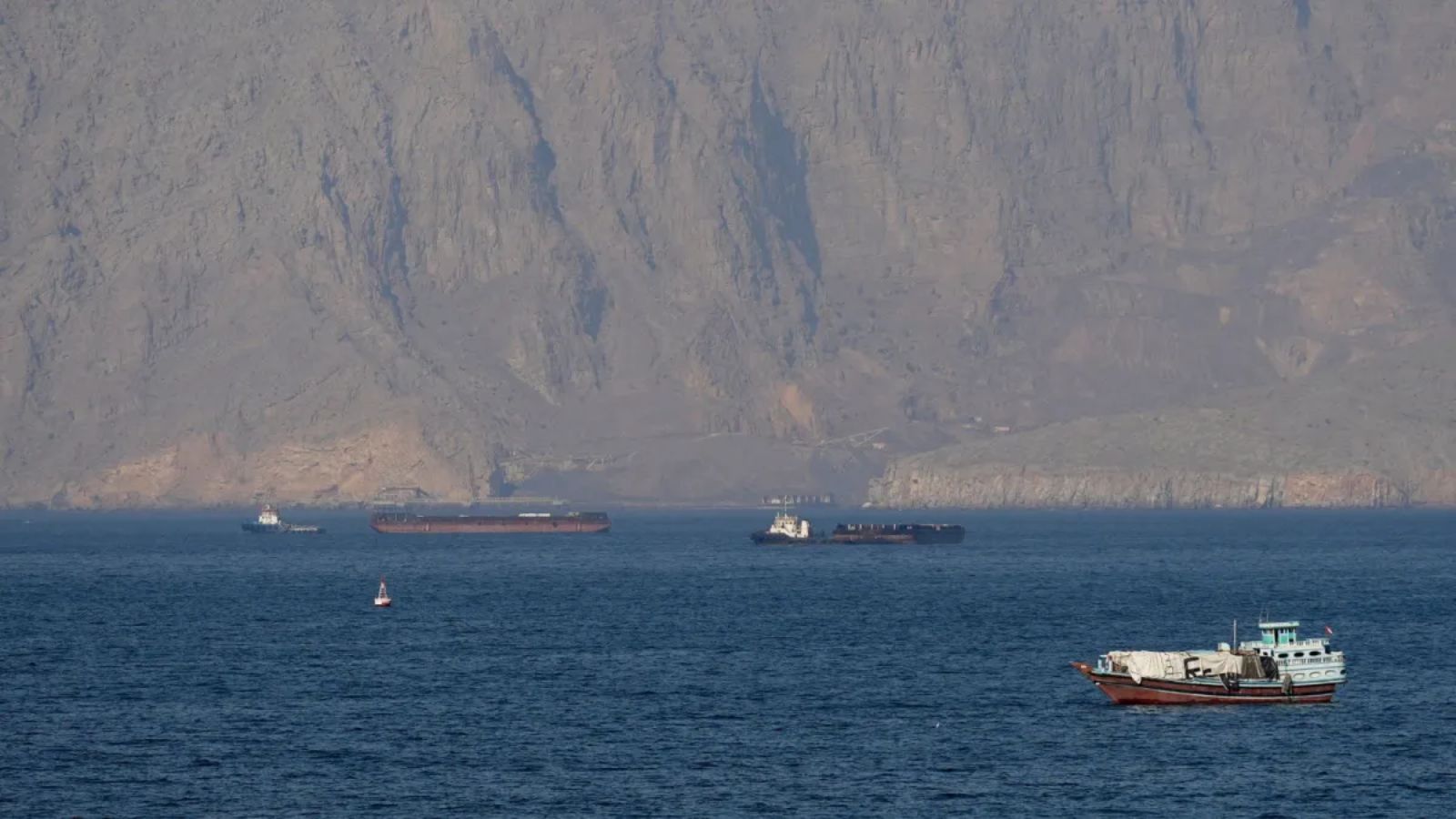
India needs a lot of oil, but it doesn't produce enough itself, so it buys more than 85 out of every 100 barrels from other countries.
Leaders at a big meeting called the ASEAN Foreign Ministers' Meeting talked a lot about 'de-risking' and 'diversification,' which are fancy words for spreading out where you buy things from.
India already did that: when a Gulf crisis began in late February, the share of its oil coming from West Asia fell from about half to about a third.
Most of that missing oil now comes from Russia instead, which supplies roughly half of India's crude.
But the article says changing where you buy oil is not the same as being safer.
The usual route for Gulf oil, the Strait of Hormuz, became unusable earlier this year.
So Gulf countries sent oil a different way, loading ships at Yanbu on the Red Sea and using a pipeline to Fujairah.
Those ships still have to pass through another narrow waterway, Bab el-Mandeb, which has become much more dangerous this month.
Russian oil is not better protected either, because it also travels risky routes.

India imports more than 85 per cent of the crude it consumes.
Since the Gulf crisis began in late February, the share of India's crude arriving from West Asia has fallen from roughly half to about a third.
Russian barrels now make up roughly half of India's crude intake, absorbing most of the difference.
After the Strait of Hormuz became unusable earlier this year, Gulf producers redirected volumes to Yanbu on the Red Sea coast and leaned on pipeline capacity to Fujairah.
The redirected cargoes leave through the Bab el-Mandeb corridor, which has deteriorated sharply this month, leaving Middle Eastern seaborne crude with fewer exits.
- Who
- India and its refiners, West Asian (Gulf) oil producers, and Russia, which now supplies roughly half of India's crude.
- What
- India rapidly shifted its crude imports away from West Asia toward Russia after the Strait of Hormuz became unusable, but the rerouted Gulf cargoes still depend on the deteriorating Bab el-Mandeb corridor.
- Where
- India, West Asia, the Strait of Hormuz, Yanbu and Fujairah on the Red Sea route, and Bab el-Mandeb.
- When
- Since the Gulf crisis began in late February; redirected Gulf barrels returned to Indian refiners over the summer, and Bab el-Mandeb deteriorated sharply this month.
- Why
- Because India imports more than 85 per cent of the crude it consumes and the shipping corridors its oil must transit have become unusable or increasingly risky, so diversification has not clearly made its supply safer.
Key facts
- India's crude import dependence
- More than 85% of crude consumed is imported
- West Asia's share of India's crude before the crisis
- Roughly half
- West Asia's share of India's crude after diversification
- About a third
- Russia's share of India's crude intake
- Roughly half
- Gulf crisis began
- Late February
- Strait of Hormuz
- Became unusable earlier this year
- Alternative Gulf export routes
- Yanbu on the Red Sea coast and pipeline capacity to Fujairah
- Bab el-Mandeb condition
- Deteriorated sharply this month
Sources
Related news

India diversifies crude supplies as Middle East disruptions threaten security

India Diversifies Oil Supplies as Hormuz Becomes Less Powerful

India Turns to US Energy Supplies as Gulf Shipments Disrupt

India doubles LNG sourcing to 15 nations amid supply risks

India Taps 15 Countries for LNG, 41 for Crude Oil
US Becomes India's Largest LPG Supplier After Hormuz Crisis

Chevron Plans $7 Billion Venezuela Expansion Amid U.S. Oil Push
Saudi Arabia Says Iranian Tanker Attack Killed Two Sailors
U.S.-Iran Exchange Escalates Across Middle East, Markets Slide
Trump Aides Seek Quiet Iran War Before Midterm Elections
US Warns Middle East Travelers Amid Escalating Iran-Linked Tensions