

4 hrs ago
PhonePe CEO Backs 0.4% UPI MDR for Sustainable Growth
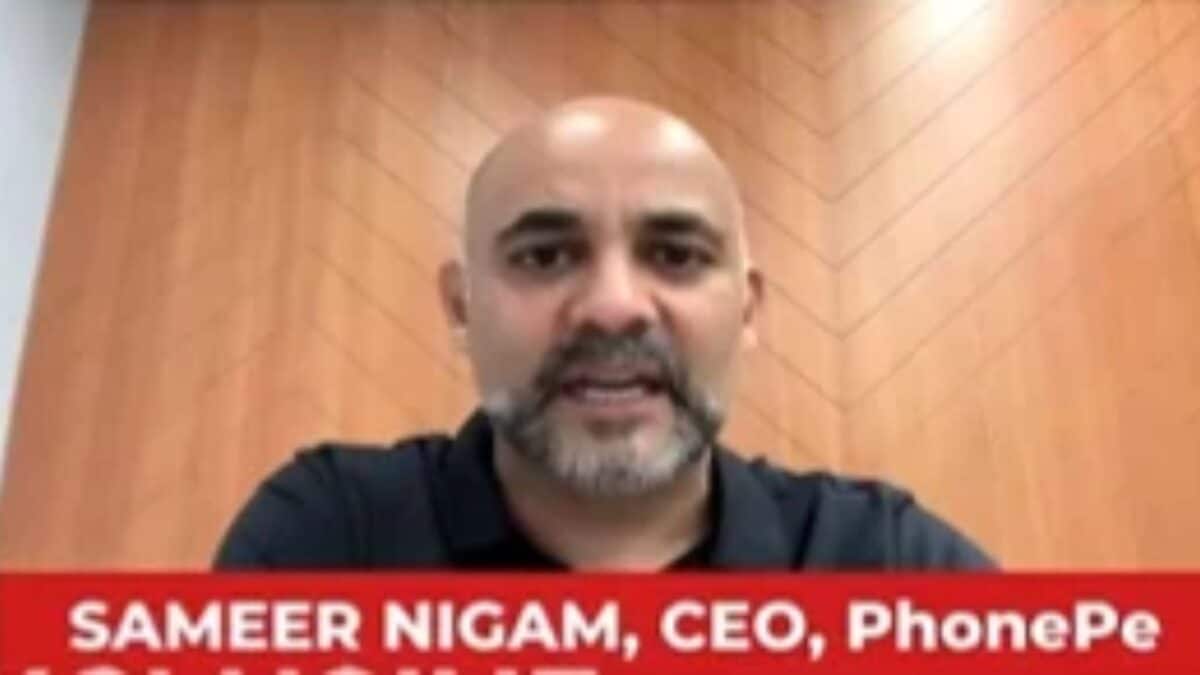
PhonePe CEO Sameer Nigam says some businesses should pay a small fee when customers use UPI.
He supports a 0.4% fee on certain merchant payments above Rs 2,000.
He says UPI companies spend a lot of money protecting payments and stopping fraud.
These companies and banks have also been losing money on UPI services.
The government has paid subsidies to help cover some of those losses.
Nigam says most UPI payments would still have no fee.
He says the fee would apply to about 4% of transactions and would be limited in some industries.
He believes the money would help UPI keep growing and serve more people.

PhonePe CEO Sameer Nigam backed a 0.4% MDR on certain UPI merchant transactions above Rs 2,000.
Nigam said UPI businesses need revenue to fund cybersecurity, fraud prevention, risk management, KYC and compliance.
He claimed the industry invested nearly $5 billion in equity over five to six years while reporting losses.
Government compensation for lost MDR revenue rose from Rs 3,900 crore in FY24 to over Rs 7,800 crore by FY25-26, according to Nigam.
Nigam said the charge would affect about 4% of transactions, with sector-specific caps including Rs 5 for petrol, insurance and agriculture.
- Who
- PhonePe Founder and CEO Sameer Nigam, speaking on behalf of a digital payments industry seeking a sustainable revenue model.
- What
- Nigam backed a 0.4% Merchant Discount Rate on certain UPI merchant transactions above Rs 2,000.
- Where
- In an interview with CNN-News18, discussing India's UPI payments ecosystem.
- When
- September 16, 2026.
- Why
- Nigam said revenue is needed to fund cybersecurity, fraud prevention, risk management, chargebacks, KYC, compliance and future expansion.
Revenue and sustainability advocates
Free-UPI and merchant-impact concerns
Whether UPI should remain free
Revenue and sustainability advocates
Nigam argues merchants should pay a limited fee because other payment instruments attract charges and the UPI ecosystem requires a sustainable revenue model.
Free-UPI and merchant-impact concerns
Concerns center on whether charging MDR could reduce UPI's cost advantage for merchants, particularly compared with its current zero-MDR model.
Effect on UPI adoption
Revenue and sustainability advocates
Nigam says UPI's success came mainly from its low-cost QR acceptance network and phone-first design, rather than zero MDR alone.
Free-UPI and merchant-impact concerns
Opponents of MDR could argue that keeping UPI free has supported its broad merchant acceptance, although the article does not quote a specific opponent.
Government subsidies versus transaction revenue
Revenue and sustainability advocates
Nigam says subsidies may not be sufficient to support the ecosystem's scale and that payments revenue is needed for continued investment.
Free-UPI and merchant-impact concerns
The article reports government compensation for lost MDR revenue but does not provide a separate government or merchant response supporting continued subsidies.
Key facts
- Proposed MDR
- 0.4% on certain UPI merchant transactions above Rs 2,000.
- Industry investment
- Nearly $5 billion in equity over the past five to six years, according to Nigam.
- Government compensation
- Rs 3,900 crore in FY24 and more than Rs 7,800 crore by FY25-26, according to Nigam.
- Estimated coverage
- Nigam said MDR would apply to about 4% of transactions, while 96% would remain without MDR.
- Sector caps
- Petrol, insurance and agriculture transactions have a maximum charge of Rs 5, according to Nigam.
- Retail cap
- Retail MDR is capped at Rs 300 per transaction above a specified threshold, according to Nigam.
- Peer-to-peer transfers
- Nigam said UPI peer-to-peer money transfers would remain exempt from MDR.
Quotes
Sameer Nigam
Founder and CEO of PhonePe
“The dream was never 500 million Indians. The dream is a billion Indians on UPI, and that requires more capital.”
 news18.com
“Why should UPI be free to merchants?”
news18.com
Sources
Related news

India’s UPI Revolution Faces Its Next Financial Test
India Debates MDR Charges to Sustain UPI Payment Revolution
India Adds UPI Merchant Fees Above ₹2,000
MobiKwik, PhonePe Founders Back New UPI MDR Charge

UPI’s Rapid Growth Raises Sustainability Questions for GetePay
Keep UPI Free by Funding It From Savings
India Rejects Foreign Pressure Claim Over New UPI Charges
New UPI MDR Charges Raise Fears of Cash Return
Small Retailers Challenge New UPI MDR Before Festive Season
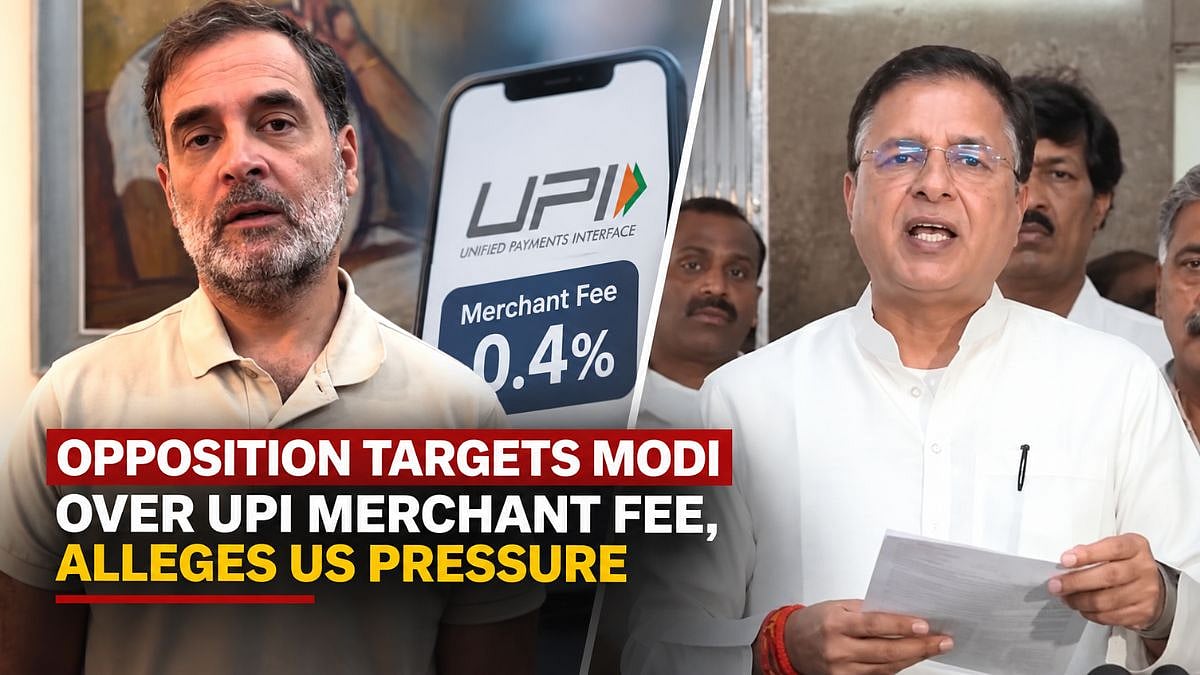
UPI Merchant Fee Draws Opposition Attack, Government Defence
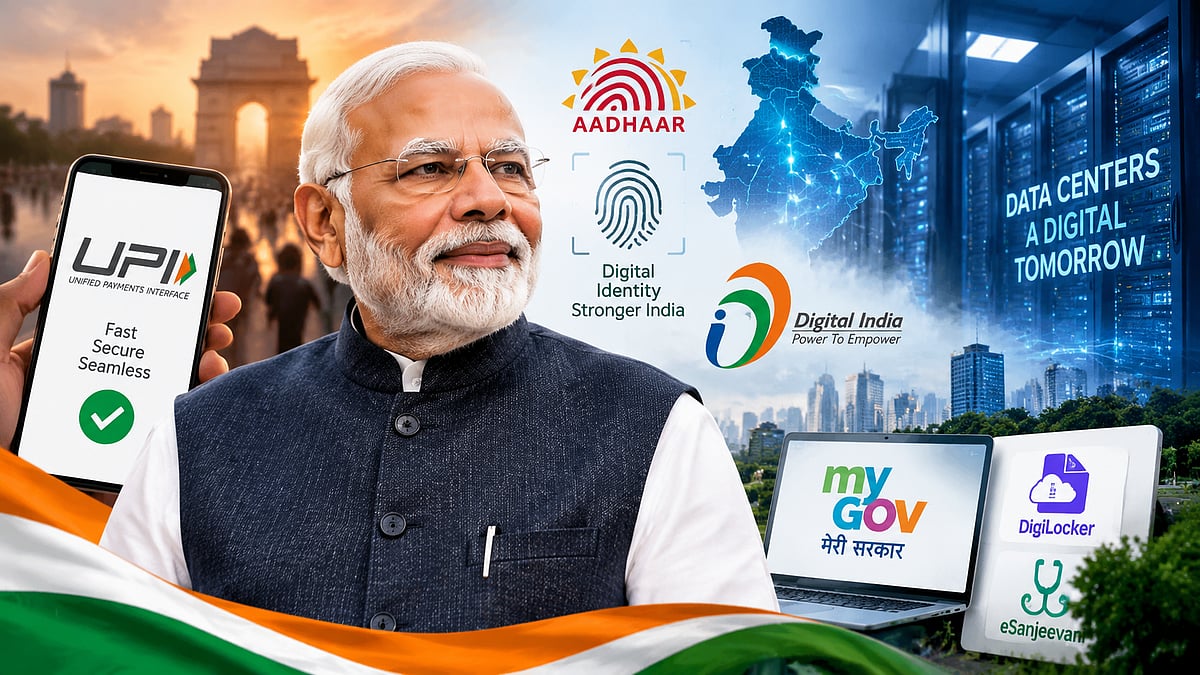
How Modi-Era Policies Reshaped India’s Digital Economy
