1 week ago
India’s Growth Momentum Builds, But Oil and Monsoon Risks Persist
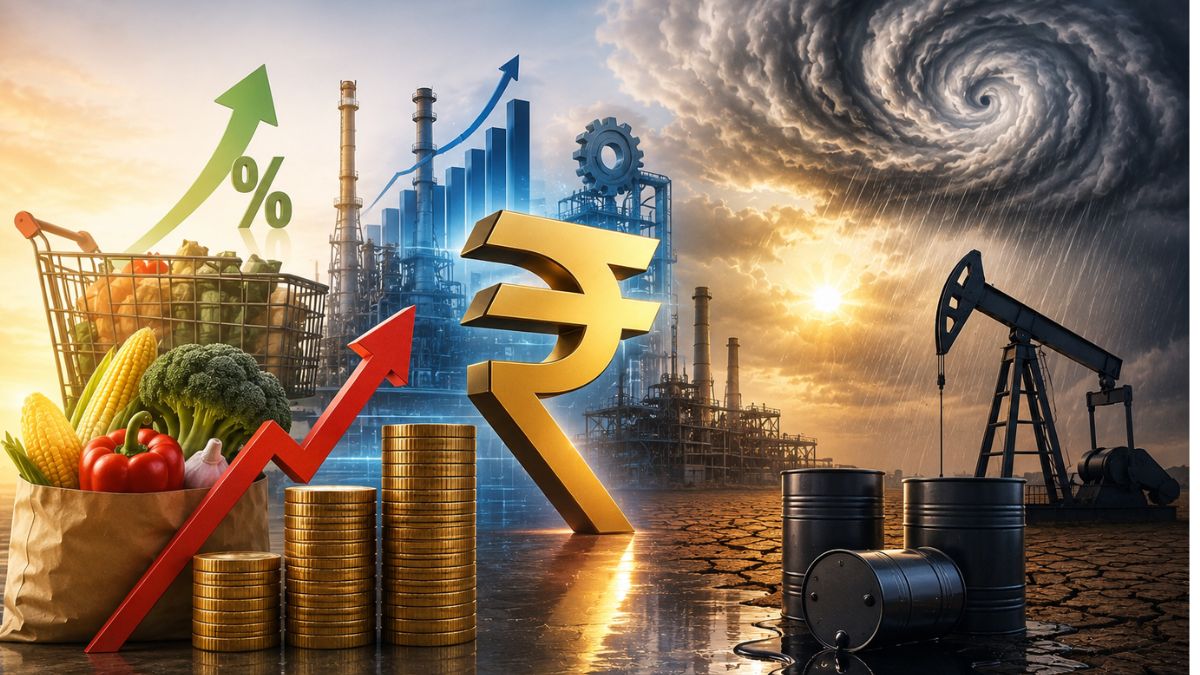
India’s economy is showing several signs of getting stronger.
Factories produced more goods, and industrial activity improved.
Banks are also lending more money to businesses and consumers.
People in cities continue to buy vehicles and use more fuel.
Government spending on building and infrastructure is growing quickly.
Prices are still considered manageable, although food prices have been rising.
The countryside is facing more difficulty because the monsoon has been weaker and rural wages have slowed.
Higher oil prices could also make imports more expensive and put pressure on India’s currency and economy.

India’s industrial activity strengthened in June, with industrial production rising 7.3% year-on-year.
Bank credit growth reached about 19%, supported by strong lending to industry and services.
Inflation remained manageable, with retail inflation edging up to 4.5% in July from 4.4% in June.
Government capital expenditure rose 23.7% year-on-year during April-June, exceeding the FY27 target pace.
Higher crude oil prices and a deficient monsoon remain major risks, particularly for inflation and rural demand.
- Who
- India’s economy, with assessments from BNP Paribas.
- What
- Economic growth momentum has improved across manufacturing, credit, government investment and urban consumption, although risks remain.
- Where
- India.
- When
- The assessment covers recent data from June and July, with forecasts for FY27 and 2026.
- Why
- Manufacturing, bank lending, government capital expenditure and urban demand are supporting growth, while crude oil prices and monsoon conditions pose risks.
Growth Signals
Risk Concerns
Overall economic outlook
Growth Signals
BNP Paribas says India’s macroeconomic environment has improved, with stable inflation and GDP growth expectations.
Risk Concerns
The outlook remains vulnerable to higher crude oil prices and a weaker-than-expected monsoon.
Consumer demand
Growth Signals
Urban demand is supported by stronger consumer sentiment, vehicle sales and fuel consumption.
Risk Concerns
Rural consumption remains weak because of food inflation, deficient rainfall and slower rural wage growth.
External stability
Growth Signals
A relatively stable rupee, improving foreign investor flows and stronger balance-of-payments conditions could support the economy.
Risk Concerns
A sharp rise in oil prices could increase inflation and the current-account deficit while putting pressure on the rupee.
Key facts
- Industrial production
- The Index of Industrial Production rose 7.3% year-on-year in June.
- Credit growth
- Bank credit growth reached approximately 19% year-on-year, with broad-based growth near 20% according to BNP Paribas.
- Retail inflation
- Retail inflation increased slightly to 4.5% in July from 4.4% in June.
- Government capex
- Capital expenditure rose 23.7% year-on-year during April-June, compared with the FY27 target of 14.3% growth.
- Rupee
- The USD/INR exchange rate traded around 95 from the end of May.
- Trade deficit
- India’s goods trade deficit widened to $32 billion in July from $30.4 billion in June.
- Monsoon
- The monsoon deficit was reported at 10-15% below the long-term normal, with reservoir levels below those of a year earlier.
Quotes

BNP Paribas
Brokerage assessing India’s macroeconomic outlook
“Rising food inflation and the impact of El Nino on the monsoon and crop sowing pose the greatest risks to the rural economy, in our view.”
 financialexpress.com
“Over the past two months, the macro environment in India has improved. Both inflation and GDP growth expectations have remained stable.”
financialexpress.com
Sources
Related news

RBI Bulletin Says India Resilient Despite Global Headwinds
EY Sees India’s FY27 Growth Near 7% Despite Risks

India’s Resilient Economy Faces Global Risks in 2026
RBI Holds Rates, Keeps Neutral Stance Amid Inflation Risks

Indian Economy Shows July Resilience as Business Momentum Slows
India’s growth stays strong despite oil, war and monsoon risks

India Raises Petrol, Diesel Export Taxes, Cuts Jet Fuel Levy
India’s August GST Collections Near ₹2 Lakh Crore, Refunds Surge

Finance Ministry Flags Severe Attrition Across Regional Rural Banks

IIT Hyderabad Hosts Cybersecurity and AI Banking Fraud Hackathon

Finance Ministry Flags Global Yield and Inflation Risks for India