

2 days ago
India's GDP Growth Beats Expectations Amid Persistent Economic Risks
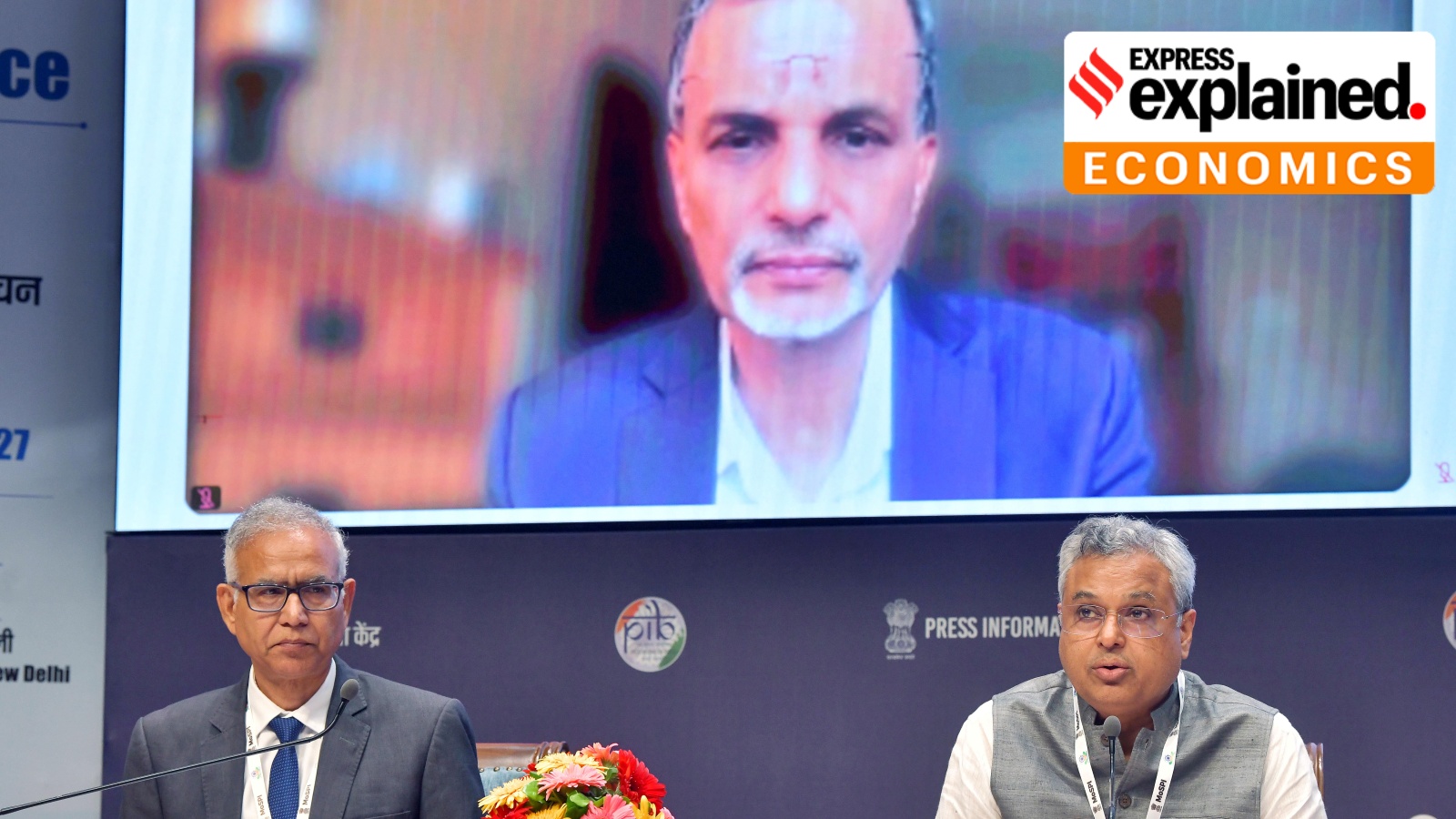
India's economy grew faster than expected from April through June.
It grew by 7.8%, even though the global situation remains uncertain.
Factories and service businesses grew strongly, while farming grew more slowly.
Businesses and the government also invested much more than they did last year.
People in cities and villages continued buying goods such as cars and other vehicles.
Government programs helped support spending in rural areas.
Officials called this continued strength economic resilience.
However, expensive oil, weaker global demand, food-price increases and possible weather problems could create difficulties later.

India recorded 7.8% real GDP growth in the April-June quarter, exceeding the Reserve Bank of India's 7% estimate.
Manufacturing grew 9.2% and services expanded 10%, while agriculture growth slowed to 3.6%.
Gross fixed capital formation rose 11.9%, with its share of GDP reaching 34.3% at current prices.
Rural and urban demand remained firm, supported by automobile sales, GST collections and rural income measures.
Crude oil prices, global demand, food inflation and El Niño-related agricultural risks could weaken future growth.
- Who
- India's economy, government officials and consumers, including rural and urban households.
- What
- India posted 7.8% real GDP growth in the April-June quarter, above the 7% estimate.
- Where
- India, with global risks linked to West Asia, Europe and the United States.
- When
- The April-June quarter; the article does not specify the year.
- Why
- Strong manufacturing, services, investment and consumer demand outweighed weaker agricultural growth.
Resilience Case
Risk Case
Near-term growth
Resilience Case
Officials said growth remained resilient because manufacturing, services, agriculture, investment and demand all contributed despite global uncertainty.
Risk Case
The strong quarterly result may not remove concerns about future growth if external and domestic risks intensify.
Investment outlook
Resilience Case
The 11.9% rise in gross fixed capital formation suggests investment could continue supporting growth in coming quarters.
Risk Case
The article notes that sustaining growth above 7% requires investment to remain around 34-35% of GDP.
External and agricultural pressures
Resilience Case
India's households have so far been partly shielded from the full impact of higher energy prices, while agricultural conditions were better than feared in June.
Risk Case
Crude oil supply disruptions, higher petroleum-product prices, food inflation and El Niño could reduce consumption, exports and crop yields.
Key facts
- Real GDP growth
- 7.8% in the April-June quarter
- RBI estimate
- 7% growth
- Manufacturing growth
- 9.2%, compared with 8.3% a year earlier
- Services growth
- 10%, compared with 8% a year earlier
- Agricultural growth
- 3.6%, compared with 4.4% in the corresponding quarter a year earlier
- Investment growth
- Gross fixed capital formation increased 11.9%, compared with 5.8% a year earlier
- Investment share
- GFCF accounted for 34.3% of GDP at current prices, up from 31.4% a year earlier
- Main risks
- Crude oil prices, weaker global demand, food inflation and El Niño-related crop risks
Quotes

V. Anantha Nageswaran
Chief Economic Advisor to the Government of India
“One factor which augurs very well for the future is the gross fixed capital formation, which is at 12% in the first quarter, which signals a very healthy trend going forward that the capital investments have been so high.”
 indianexpress.com
“What we are witnessing is continuous resilience in the Indian growth performance. I think that’s the key message here. And this resilience in the quarterly data is well-backed by high frequency indicators.”
indianexpress.com
Sources
Related news

India’s June Quarter Growth Defies War and Energy Pressures
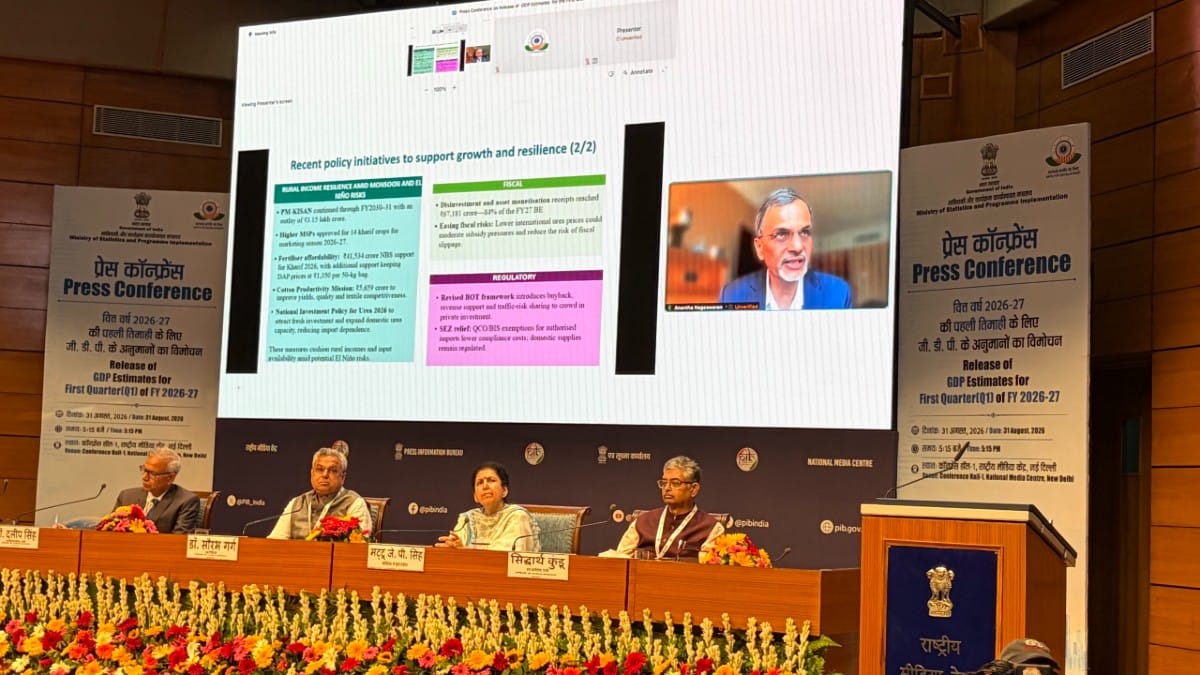
India’s 7.8% Q1 Growth Outpaces Forecast Despite Global Risks
India’s GDP Growth Beats Expectations at 7.8% in First Quarter
India's Q1 GDP Growth Hits 7.8% Despite Global Turmoil
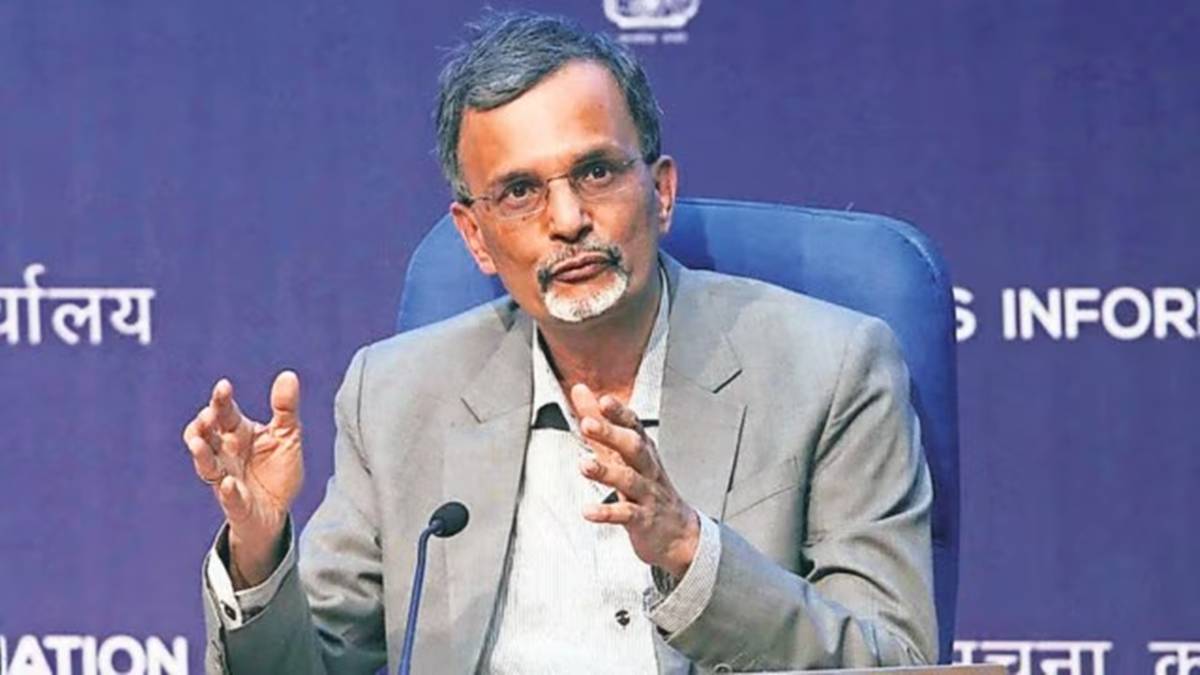
India Posts 7.8% Growth as CEA Flags External Risks

Delhi Caretaker Shot Dead, Accused Identified

Delhi caretaker shot dead in Keshav Puram dispute

India to use PPI for GDP deflation
MoSPI Progresses on National Household Income Survey