1 week ago
RBI Bulletin Says India Resilient Despite Global Headwinds

The Reserve Bank of India said India’s economy stayed strong in July 2026.
People continued to spend, and factories and service businesses remained active.
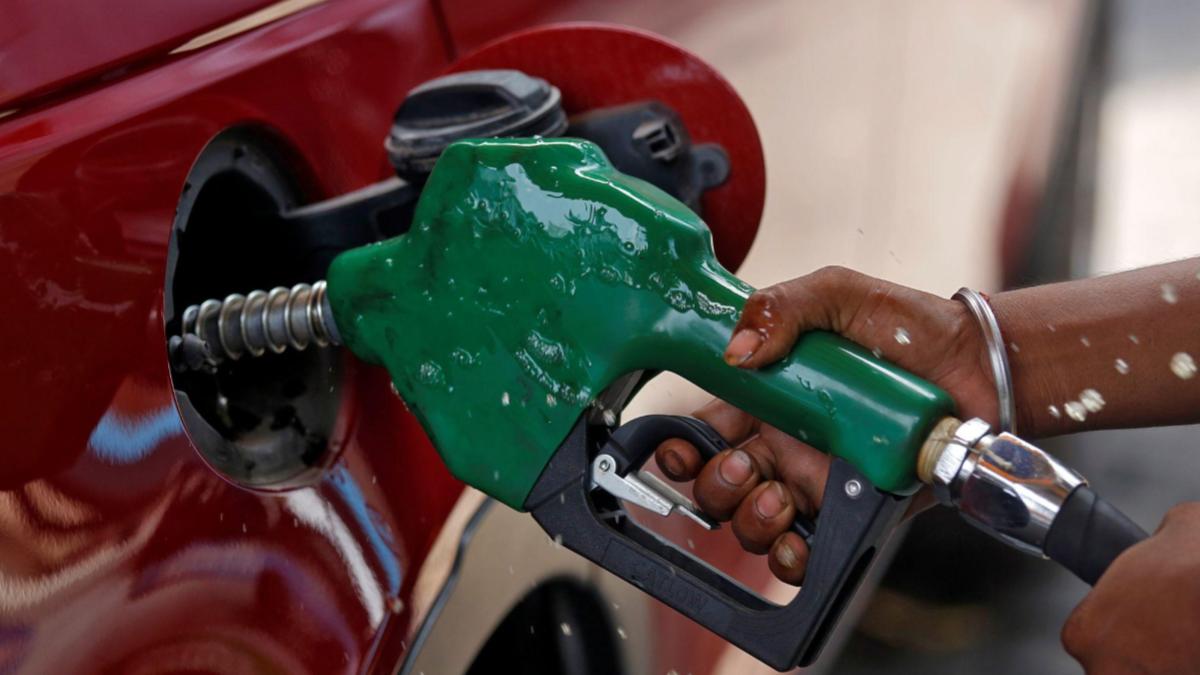
Vehicle and tractor sales increased, while petroleum use returned to growth after three months of decline.
Better monsoon rains helped farmers plant more kharif crops.
Conflicts in West Asia and new tariffs from the United States could still hurt world trade and growth.
Prices rose slightly above the target, mainly because of supply problems.
Banks had plenty of money to lend, and credit growth and investment continued.
Foreign money came back into India, and exports and imports grew strongly.
However, India’s merchandise trade deficit widened, partly because of a larger electronic-goods deficit.
The bulletin said its article reflected the authors’ views and not necessarily the official views of the Reserve Bank of India.

Buoyant domestic demand and rising manufacturing and services activity supported India’s economic resilience in July 2026.
A recovering southwest monsoon helped kharif sowing move closer to normal acreage, partly reducing agricultural risks.
Geopolitical tensions in West Asia and fresh United States tariffs continued to threaten the global economic outlook.
Headline CPI inflation rose above target because of supply-side pressures, while stable core inflation indicated limited cost pass-through.
Eased liquidity, strong credit growth, rebounding capital inflows and stronger merchandise trade supported financial and external conditions.
- Who
- The Reserve Bank of India’s monthly bulletin and the authors of its State of the Economy article.
- What
- The bulletin reported that India’s economy remained resilient, supported by domestic demand, manufacturing, services and improving financial conditions.
- Where
- India; the bulletin was reported from Mumbai and New Delhi.
- When
- The bulletin was released on August 25, 2026, covering economic developments in July 2026 and the first quarter of fiscal year 2026–27.
- Why
- Strong domestic activity and improved financial conditions supported growth, while West Asian geopolitical tensions and fresh United States tariffs posed external risks.
Domestic Resilience
External and Inflation Risks
Overall economic outlook
Domestic Resilience
The bulletin said buoyant domestic demand, stronger industrial production and resilient services activity provided a cushion for India’s economy.
External and Inflation Risks
The bulletin warned that West Asian geopolitical frictions and fresh United States tariffs could affect global trade and the growth-inflation outlook.
Agricultural prospects
Domestic Resilience
The July monsoon recovery helped kharif sowing move closer to normal acreage, partly mitigating agricultural risks.
External and Inflation Risks
The bulletin said the monsoon recovery only partly reduced agricultural risks, leaving the sector exposed to weather-related concerns.
Prices and financial conditions
Domestic Resilience
Comfortable liquidity, high credit growth, stable core inflation and rebounding capital inflows supported investment and economic activity.
External and Inflation Risks
Headline CPI inflation rose above target because of supply pressures, while the widening merchandise trade deficit posed an external-sector concern.
Key facts
- Publication date
- August 25, 2026
- Economic period
- July 2026 and the first quarter of fiscal year 2026–27
- Domestic activity
- Domestic demand remained buoyant; manufacturing and services activity strengthened
- Agriculture
- Improved July monsoon conditions helped kharif sowing approach normal acreage
- Inflation
- Headline CPI inflation moved above target, mainly because of supply-side pressures; core inflation remained stable
- Financial conditions
- Liquidity eased, credit growth was high and government-security yields softened
- External sector
- Capital inflows rebounded, while merchandise exports and imports grew strongly; the trade deficit widened in July
- Fiscal conditions
- The Centre’s fiscal deficit rose marginally in the first quarter, alongside higher capital expenditure, while states’ gross fiscal deficit was lower
Quotes
Reserve Bank of India bulletin’s State of the Economy article
Article in the RBI’s August bulletin assessing India’s economic conditions.
“The momentum of Q1 2026-27 continued in July with most of the high-frequency indicators reflecting sustained manufacturing and services activity, and double-digit expansion in merchandise exports and imports.”
 freepressjournal.in
“Liquidity conditions eased, supporting credit growth and ongoing investment activity. Foreign capital inflows rebounded, reinforcing the external sector.”
freepressjournal.in
Sources

Related news
RBI Says India’s Macro Strength Cushions Global Shocks
Indian economy shows resilience despite global trade and geopolitical uncertainties

India’s Resilient Economy Faces Global Risks in 2026
India Posts 7.8% Growth as CEA Flags External Risks

Rijiju Rebukes Congress as GDP Numbers Face Political Challenge

Gold Futures Fall Seventh Day Amid US-Iran Tensions
Sensex, Nifty Plunge as West Asia Tensions Lift Oil Prices

Nifty Defends 24,000 as Brent Crude Surges Past $95

West Asia Conflict Pushes India’s Q1 Current Account Deficit Higher