4 days ago
India's AI Arms Race Tests Readiness for Future Warfare
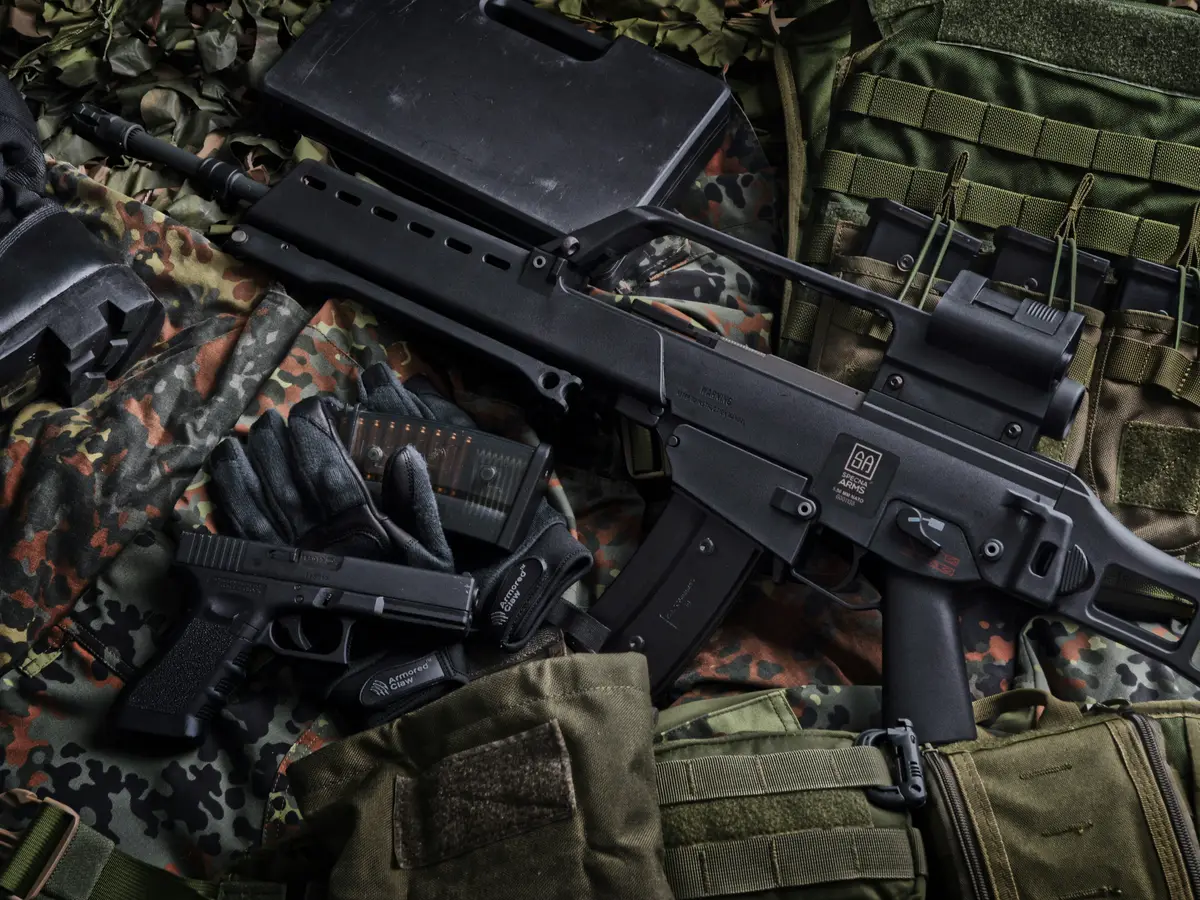
Modern armies collect huge amounts of information from cameras, drones, satellites, and radars.
Artificial intelligence can examine this information much faster than people alone.
It may help commanders find dangers and decide what to do more quickly.
AI can also support drones and other machines used for surveillance or targeting.
Less expensive unmanned systems may become powerful when connected to software and live information.
India has software expertise and a growing defence technology industry that could help it build these tools.
However, China and the United States are also investing heavily in military AI.
This means India may need to develop its capabilities quickly.
People must still decide how much control machines should have over identifying and attacking targets.

Artificial intelligence is reshaping military surveillance, targeting, autonomous systems, and battlefield decision-making.
AI can rapidly analyze data from drones, satellites, radars, and other sensors to help commanders identify threats.
Soham Dedhia of Auric AI Labs said AI could turn battlefield data into actionable intelligence and speed decisions.
India's software strengths and growing defence technology ecosystem could support locally developed military AI systems.
Greater military autonomy raises questions about human control, testing, accountability, and rules for engaging targets.
- Who
- India, along with other militaries including China and the United States, is considering how to develop and use artificial intelligence for warfare.
- What
- AI is being integrated into military intelligence, surveillance, targeting, autonomous systems, and battlefield decision-making.
- Where
- On increasingly technology-driven battlefields, with India assessing its readiness and capabilities.
- When
- Why
- To process battlefield information faster, respond to threats more quickly, and compete as military advantage becomes increasingly tied to AI and autonomy.
AI Expansion
AI Caution
Military benefits
AI Expansion
AI could rapidly analyze battlefield data, distinguish important intelligence from noise, improve operational awareness, and shorten decision-making cycles.
AI Caution
Faster and more autonomous systems could make decisions about identifying or engaging targets, raising difficult questions about human control and accountability.
India's readiness
AI Expansion
India's software strengths and growing domestic defence technology sector could enable locally tailored military technologies.
AI Caution
India faces a speed challenge because China and the United States are investing heavily in AI and autonomous military systems.
Key facts
- Technology
- Artificial intelligence is being applied to surveillance, targeting, autonomous systems, and battlefield decisions.
- Data sources
- Drones, satellites, radars, electro-optical systems, and other sensors generate battlefield data for AI analysis.
- India's opportunity
- India's software expertise and growing domestic defence technology ecosystem could support indigenous military AI.
- Global competition
- China and the United States are investing heavily in AI and autonomous military systems.
- Operational advantage
- Military advantage may increasingly depend on detecting threats, processing information, and responding quickly.
- Key safeguards
- Clear rules, rigorous testing, human judgment, and accountability are identified as necessary for greater autonomy.
Sources
Related news
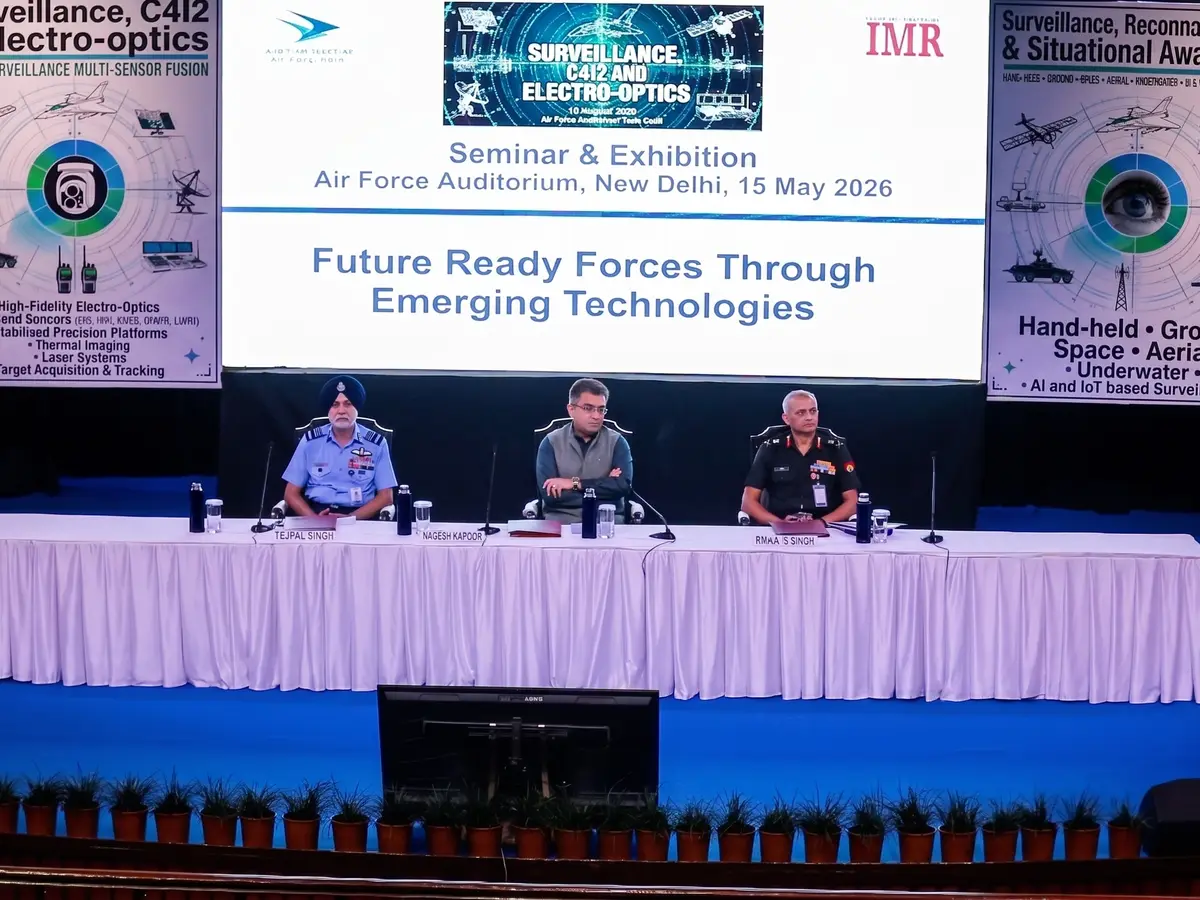
India's IAF pushes for information superiority on networked battlefield
India’s Defence Push Must Advance From Production To Technology
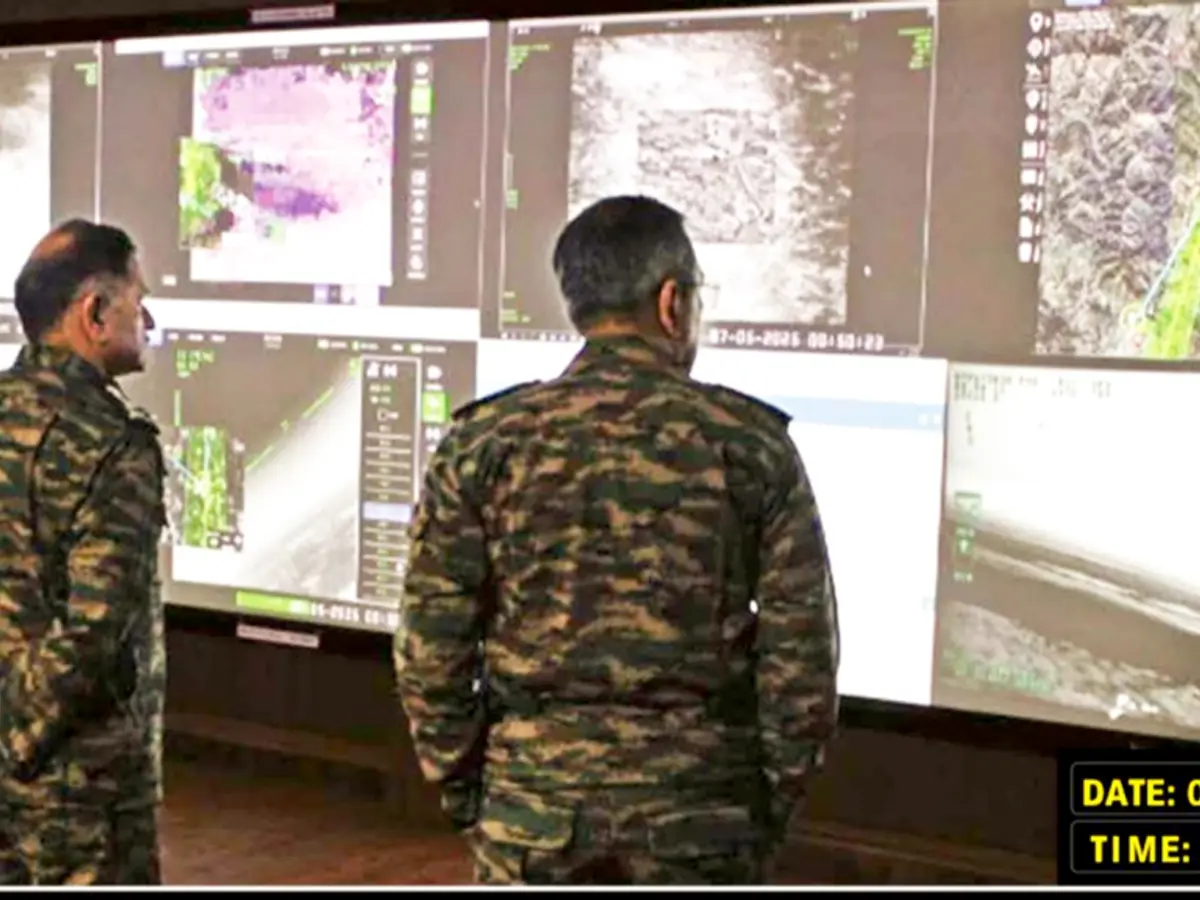
India Builds Digital Military Networks for Network-Centric Warfare

IIM Indore, Indian Army Collaborate on AI for National Security

India’s Post-Sindoor Defence Push Targets Networked Future Warfare
Pentagon Turmoil Deepens as Hegseth Tightens Grip on Military
Damaged Lohit River Bridge Cuts Off Arunachal Border Villages
Nepal Flood Exposes Delayed Alerts and Cross-Border Warning Gaps

Chinese Workers Fight Office Ageing With Parasols And Sunscreen
UPSC Key Covers SCO, Electoral Rolls, Economy, Defence and Climate