2 days ago
India Builds Digital Military Networks for Network-Centric Warfare
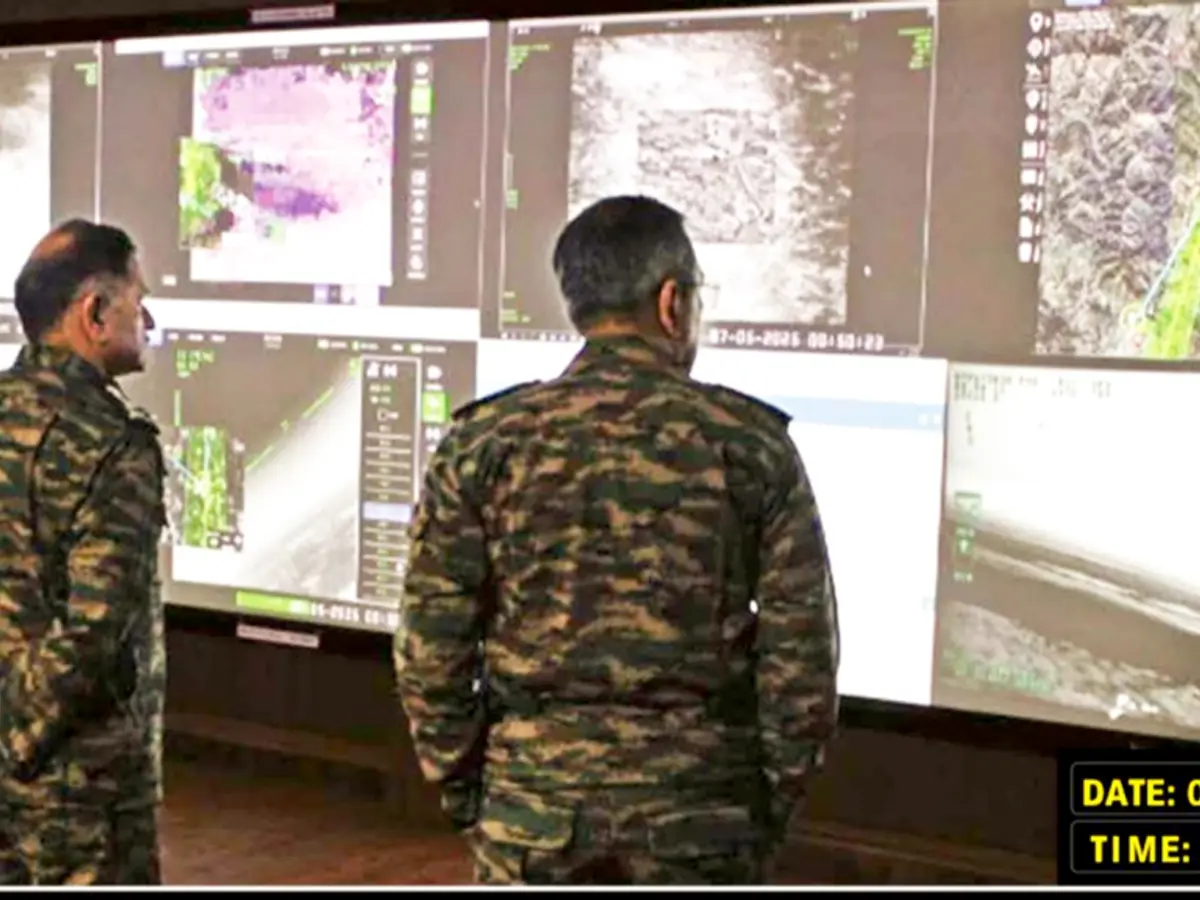
Modern armies need to share information quickly, not just use powerful weapons.
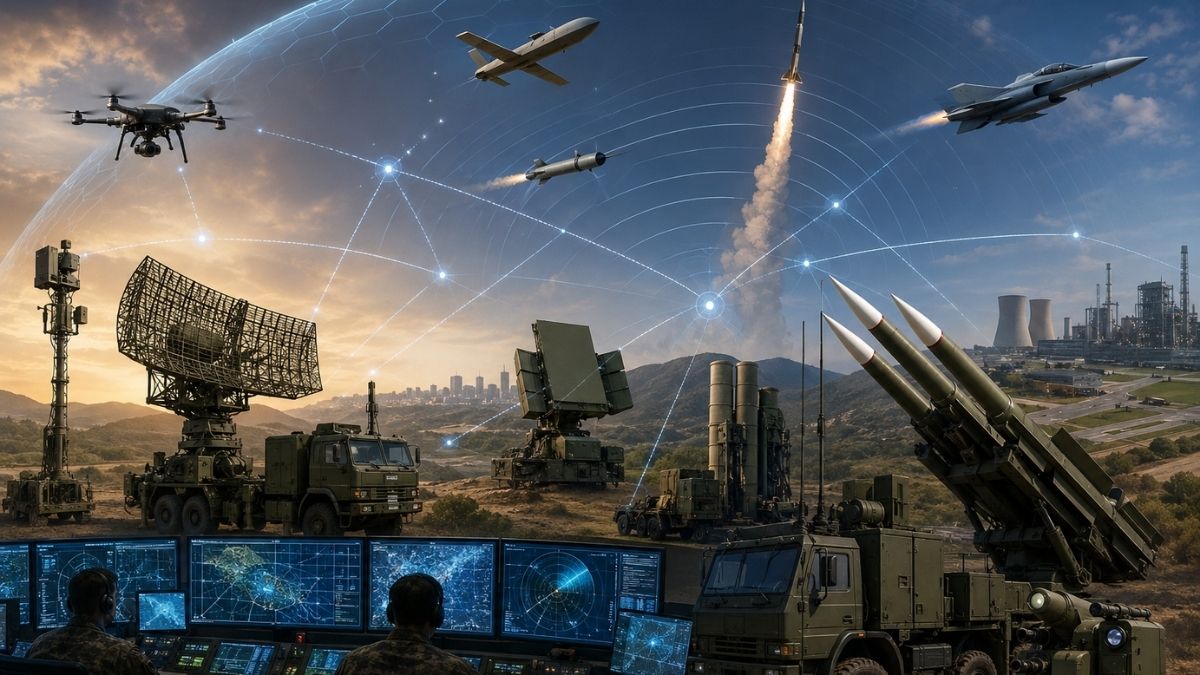
India is building networks that connect radars, drones, soldiers, weapons and command centres.
For example, a radar or drone can spot a danger and send the information to commanders.
A weapon can then be chosen much faster.
India already uses systems such as IACCS, Akashteer and ASCON.
It is also developing SAMBHAV and the GSAT-7B communications satellite.
However, an enemy could try to block or damage these networks.
Sandeep Agarwal says India has made progress but must make the systems work together and continue operating during attacks or signal disruption.

India is developing a digital military architecture linking sensors, soldiers, drones, radars, weapons and command centres.
The goal is to reduce the sensor-to-shooter cycle from minutes to seconds.
Existing systems include the Indian Air Force’s IACCS, the Army’s Akashteer and ASCON networks, and the SAMBHAV connectivity project.
GSAT-7B is being developed as a dedicated communications satellite for the Indian Army.
Expert Sandeep Agarwal says India has made progress but still needs stronger integration, redundancy and protection against jamming, cyberattacks and GPS denial.
- Who
- India’s armed forces, including the Indian Air Force and Indian Army, are developing the networks; Sandeep Agarwal provided an assessment.
- What
- India is building an integrated military communications and data architecture for network-centric warfare.
- Where
- Across India’s military operational environments, including difficult and remote areas.
- When
- The development is ongoing; the systems were highlighted in connection with Operation Sindoor.
- Why
- To connect battlefield information in real time, shorten the sensor-to-shooter cycle and maintain operations despite jamming, cyberattacks or GPS denial.
Progress and Capability
Gaps and Vulnerabilities
Readiness for network-centric warfare
Progress and Capability
India has made substantial progress through systems including IACCS, Akashteer and Trigun.
Gaps and Vulnerabilities
Sandeep Agarwal says India is only partially prepared because multiple networks are not yet fully integrated across the services.
Network resilience
Progress and Capability
Existing military communication networks have significant resilience and provide an operational foundation.
Gaps and Vulnerabilities
The networks cannot yet be considered fully assured in heavily jammed or GPS-denied environments.
Next development priorities
Progress and Capability
India is expanding its architecture through projects such as SAMBHAV and the GSAT-7B satellite.
Gaps and Vulnerabilities
India also needs greater redundancy, anti-jamming tactical data links, alternative navigation and decentralised networks that can function after individual nodes are disabled.
Key facts
- Core objective
- Compress the sensor-to-shooter cycle from minutes to seconds.
- Air-force system
- The Indian Air Force’s Integrated Air Command and Control System creates an integrated air-surveillance picture.
- Army air-defence system
- Akashteer links sensors and air-defence weapons for faster detection and engagement of aerial threats.
- Communications backbone
- The Army operates ASCON as a strategic communications backbone.
- Connectivity project
- SAMBHAV is intended to improve connectivity in difficult and remote operational environments.
- Satellite
- GSAT-7B is being developed as a dedicated communications satellite for the Indian Army.
- Main vulnerabilities
- Jamming, cyberattacks, electronic warfare, GPS denial and attacks on network nodes could disrupt battlefield information.
Quotes
Sandeep Agarwal
Chairman and Managing Director of Bharati Defence and Infrastructure Limited
“India’s military communication networks have significant resilience but cannot yet be considered fully assured in a heavily jammed or GPS-denied environment”
 wionews.com
“India is partially prepared for a truly networked battlefield”
wionews.com
Sources
Related news
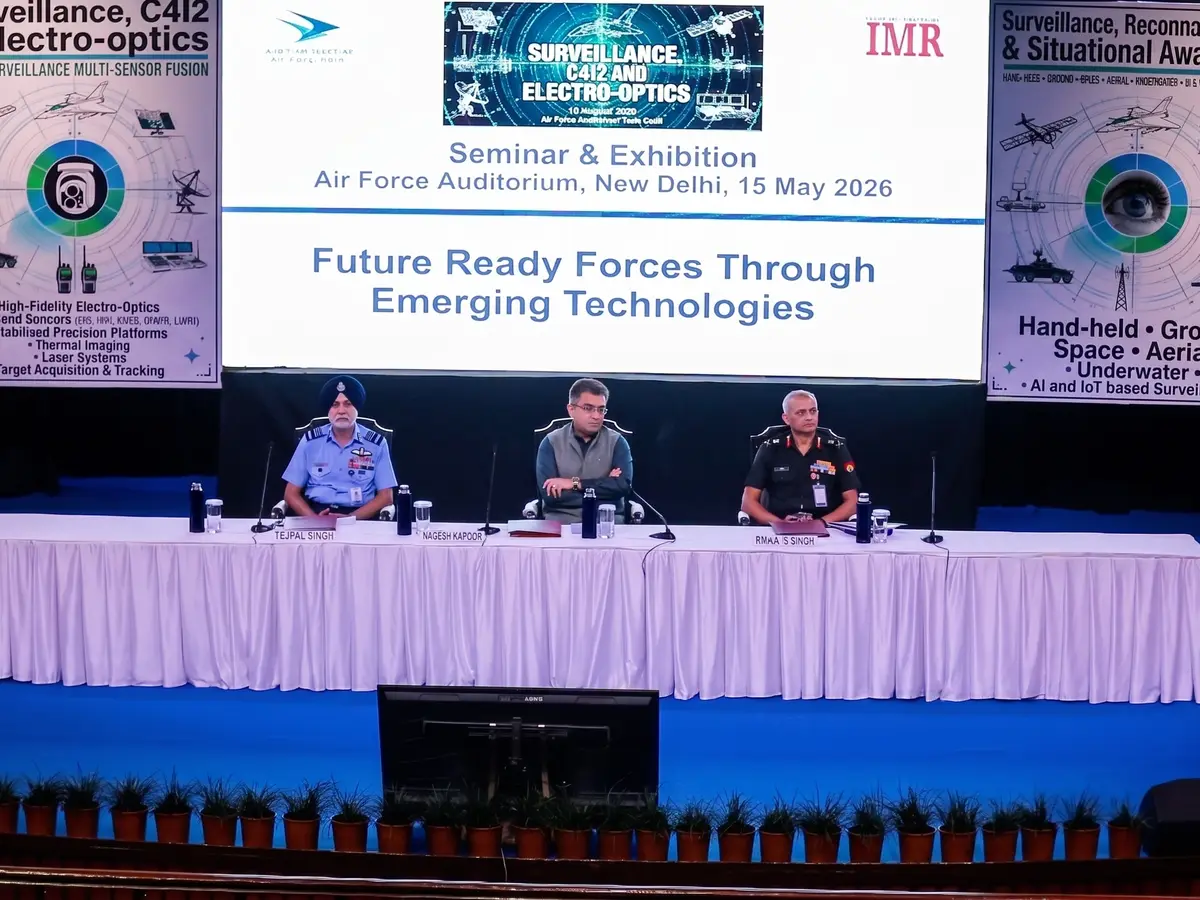
India's IAF pushes for information superiority on networked battlefield

India's AI Arms Race Tests Readiness for Future Warfare

PM Modi announces civil defence network in Independence Day speech

India’s Post-Sindoor Defence Push Targets Networked Future Warfare
India’s Defence Push Must Advance From Production To Technology