3 hrs ago
Supreme Court Bars Complete Metro Shutdown Amid Protest
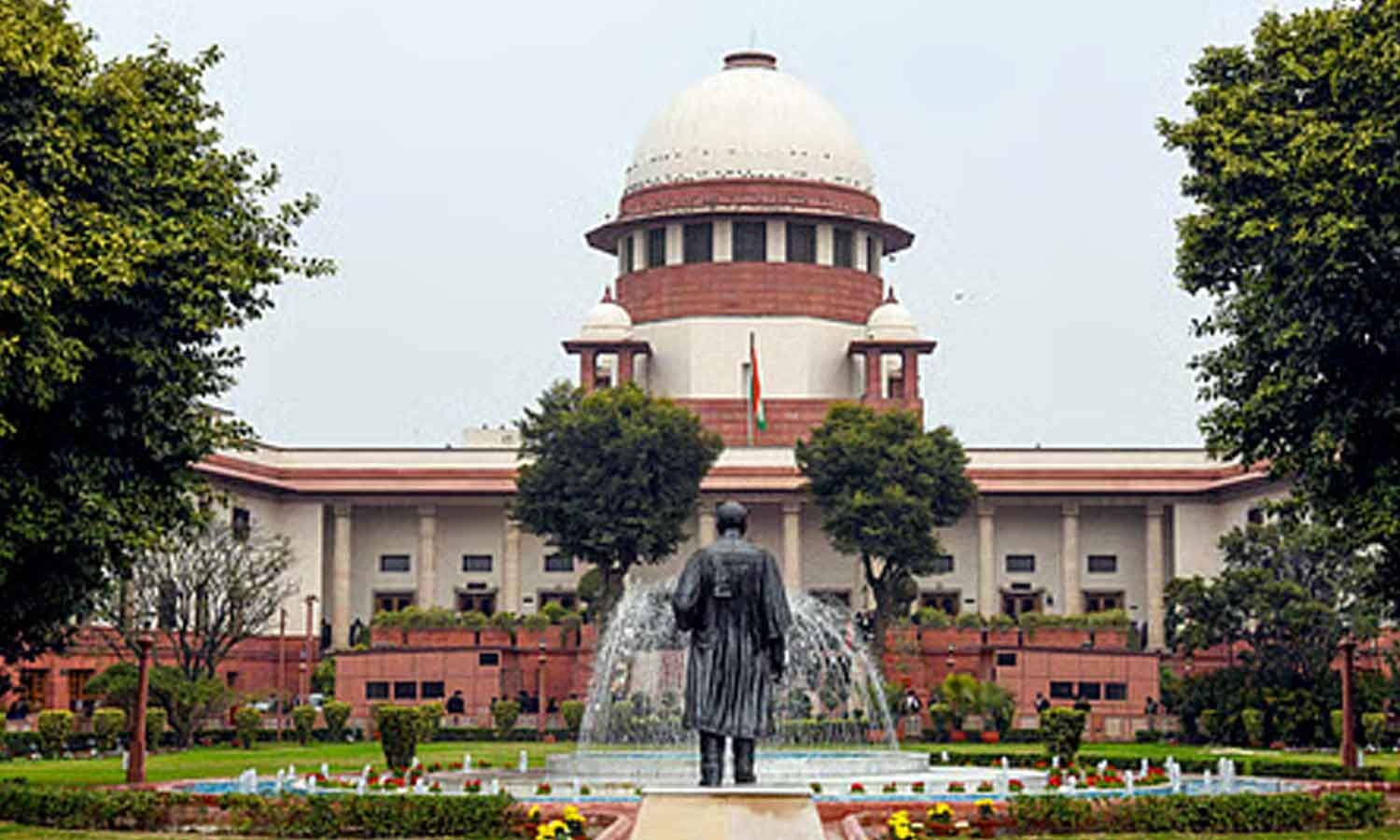
The Supreme Court reviewed plans to stop some trains and close metro stations in Delhi.
The closures were planned because a protest was expected on October 10.
The protest was called by the Cockroach Janta Party and student groups.
They were protesting over alleged problems in how the Election Commission was working.
The court said the authorities can take steps to keep people safe and maintain order.
But it said they should not stop all trains from moving.
Instead, services can be regulated in a way that addresses the risk.
The court also said ordinary travellers should not face unnecessary trouble.
The Centre was asked to make the authorities’ decision public.

The Supreme Court directed the Centre to ensure there is no complete stoppage of metro and train services to Delhi on October 10.
Authorities may regulate transport to address public-order concerns, but restrictions must be proportionate to the anticipated threat.
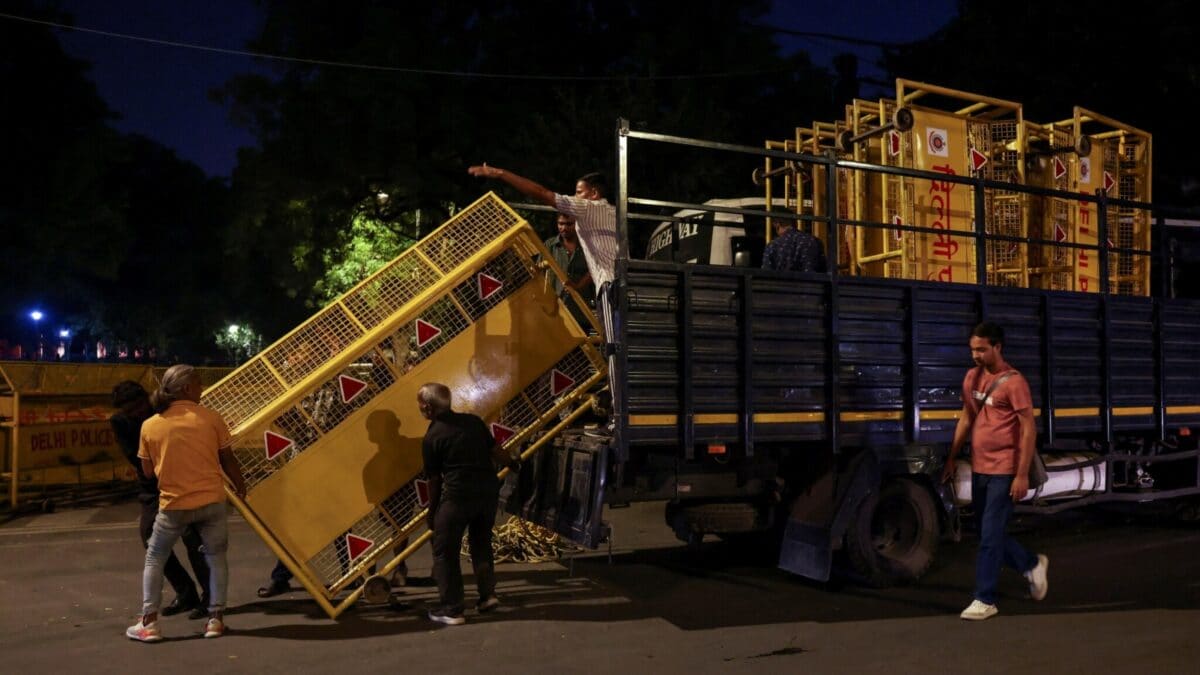
The case concerned the closure of 57 metro stations and cancellation of trains ahead of a protest.
The Cockroach Janta Party and student organisations called the protest over alleged irregularities in the Election Commission’s functioning.
The court said the Centre should publicise its decisions and minimise inconvenience to commuters, including people travelling from across the NCR.
- Who
- The Supreme Court, the Centre, transport authorities, commuters, and organisers of the planned protest.
- What
- The court directed that metro and train services to Delhi must not be completely stopped, while allowing proportionate regulation.
- Where
- Delhi and transport routes serving the city, including travel from other parts of the National Capital Region.
- When
- The ruling was issued on Friday concerning planned restrictions for October 10; the article does not state the year.
- Why
- A protest over alleged irregularities in the Election Commission’s functioning prompted planned station closures and train cancellations; the court sought to balance public order with commuters’ access to transport.
Public access
Preventive restrictions
How far transport restrictions should go
Public access
The Supreme Court said complete stoppages and station closures risk undue hardship for commuters and that restrictions must go no further than necessary.
Preventive restrictions
The court acknowledged that law enforcement agencies may take preventive measures to maintain public order and address the anticipated threat.
Key facts
- Court
- Supreme Court of India
- Bench
- Chief Justice of India Surya Kant and Justices Joymalya Bagchi and V. Mohana
- Planned protest date
- October 10
- Stations at issue
- 57 Delhi Metro stations
- Protest organisers
- Cockroach Janta Party and some student organisations
- Protest subject
- Alleged irregularities in the functioning of the Election Commission
- Court's direction
- No complete prohibition on metro movement; transport may be suitably regulated
Quotes
Chief Justice of India Surya Kant
The Chief Justice of India, who led the bench.
“In terms of that assurance, we make it clear that there shall be no complete prohibition on the movement of metro trains.”
 thehansindia.com
“Take measures only to the extent necessary to prevent them.”
thehansindia.com
Sources
Related news
Supreme Court Seeks Regulated Delhi Metro Services Ahead of Protests
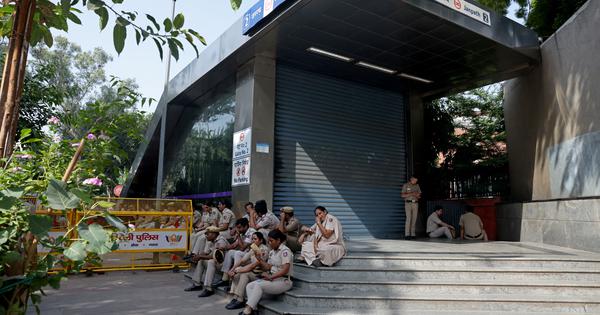
Supreme Court Bars Blanket Delhi Metro Shutdown Ahead of Protest
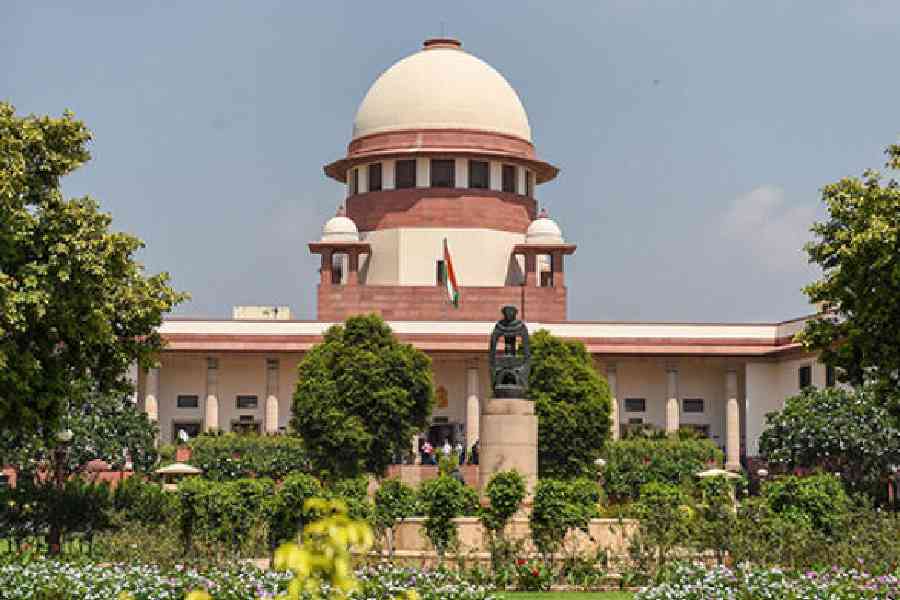
Supreme Court Tells Centre Not to Halt Delhi Trains

Supreme Court Asks Centre to Reconsider Metro Closures

Supreme Court Seeks Answers Over 17 Metro Station Closures
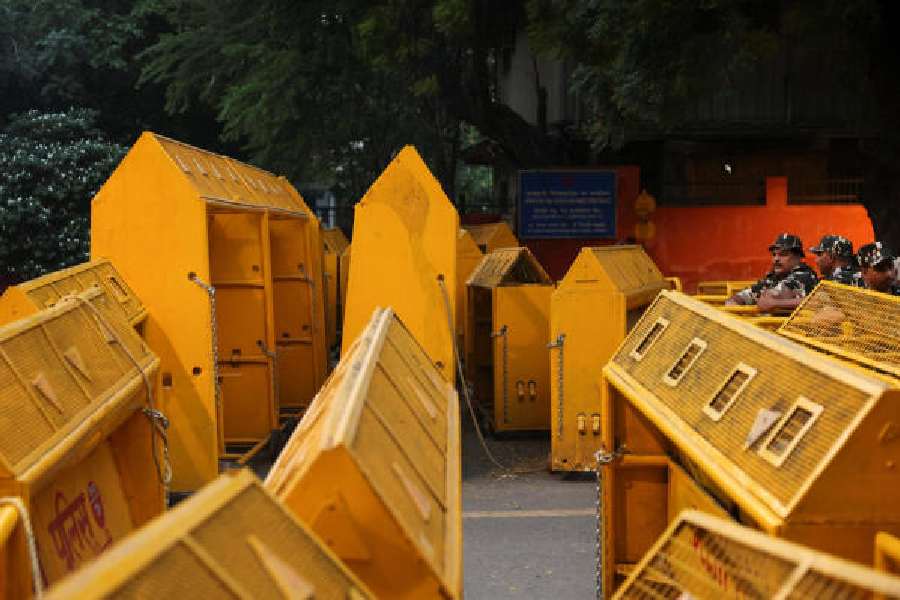
Delhi Tightens Security Ahead of CJP-Led Jantar Mantar Protest
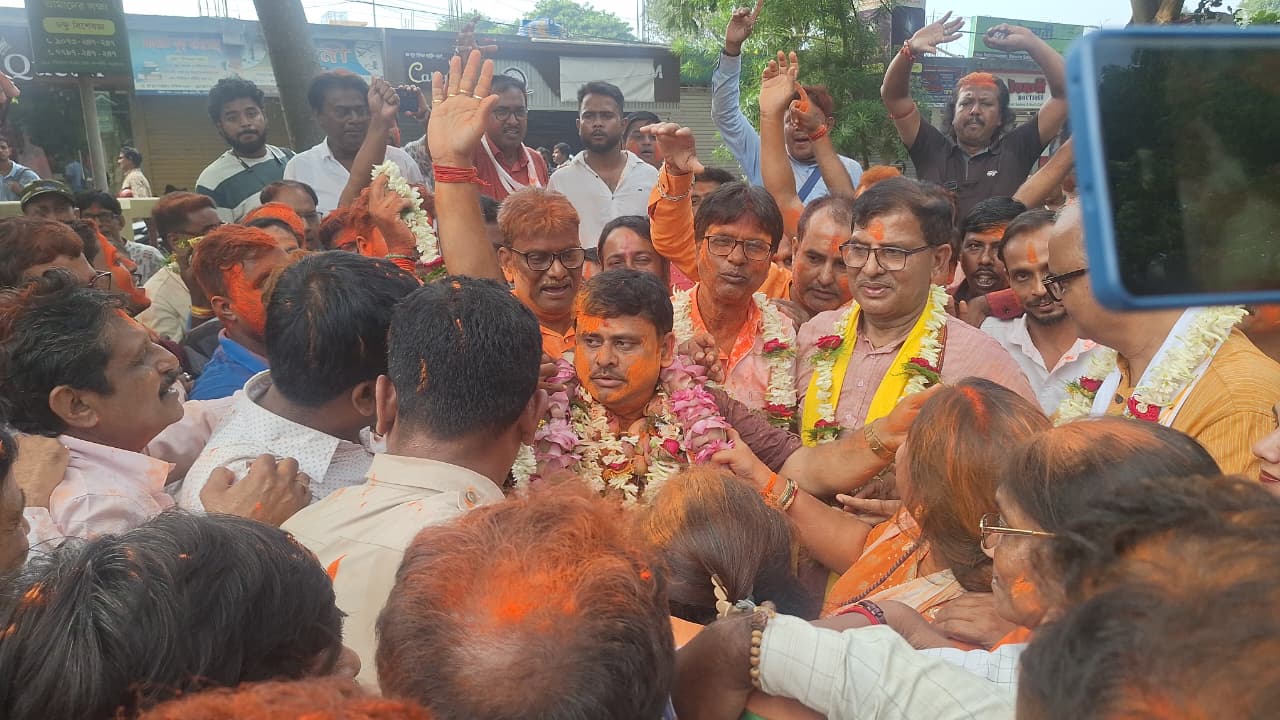
Modi Says Bypoll Results Show Deep BJP-NDA Support
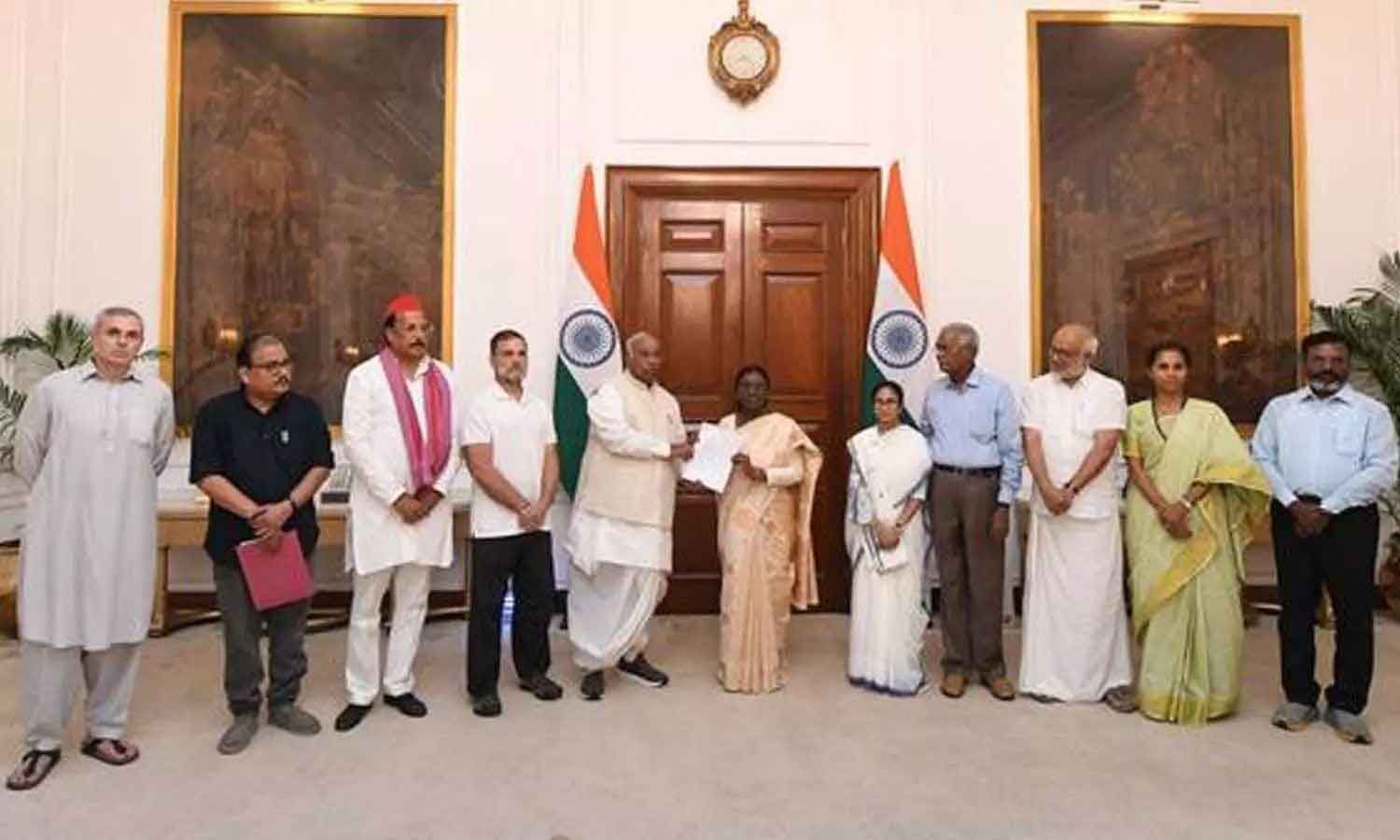
Opposition Urges Murmu to Repeal Recent Assembly Polls
Delhi Tightens Security Ahead of Protest Demanding Election Chief’s Resignation