3 weeks ago
Cabinet approves Rs 23,731-crore GOBARdhan scheme to boost CBG production

India has a big idea to turn smelly waste into clean fuel.
Cow dung, leftover crops and kitchen waste can be turned into a gas that can power cars and homes.
The government approved a big plan called GOBARdhan to do this.
The plan will spend Rs 23,731 crore over ten years.
It wants to make about ten times more of this fuel, called compressed biogas.
The government will help companies build factories that make the fuel.
It will also promise to buy the fuel from them so they are not worried about selling it.
Using more of this fuel means India can buy less gas from other countries.
This helps the planet and can create new jobs in villages.

The Union Cabinet approved GOBARdhan, the National Circular Bioenergy Scheme, with a Rs 23,731 crore outlay for implementation between 2026-27 and 2035-36.
The scheme aims to increase domestic compressed biogas (CBG) production by nearly 10-fold and mobilise large-scale private investment in the segment.
City gas distribution entities will have CBG blending obligations of 3% in 2026-27, 4% in 2027-28 and 5% from 2028-29 onwards in CNG and piped natural gas segments.
The government will provide a stable administered CBG price of Rs 2,110 per MMBTU and capital assistance of up to Rs 2 crore per tonne per day of installed capacity.
The scheme is intended to reduce India's dependence on natural gas imports, which meet about half of the country's gas requirement, and strengthen energy security.
GOBARdhan includes a credit guarantee mechanism to expand institutional credit to MSME-based CBG projects and support for pipeline infrastructure.
- Who
- The Union Cabinet of India approved the scheme, which will be implemented by the Ministry of Petroleum and Natural Gas.
- What
- The government approved GOBARdhan, the National Circular Bioenergy Scheme, to boost domestic compressed biogas production and build a commercially viable CBG industry.
- Where
- India, spanning the national CBG value chain including feedstock supply, CBG plants, pipeline infrastructure and city gas distribution networks.
- When
- The scheme was approved on a Thursday and is slated for implementation from 2026-27 to 2035-36, a 10-year period.
- Why
- To reduce India's dependence on natural gas imports, insulate the market against international supply shocks such as the Strait of Hormuz crisis, and support the clean energy transition.
Key facts
- Scheme name
- GOBARdhan (National Circular Bioenergy Scheme)
- Total outlay
- Rs 23,731 crore
- Implementation period
- 2026-27 to 2035-36 (10 years)
- Implementing ministry
- Ministry of Petroleum and Natural Gas
- CBG blending obligations
- 3% in 2026-27, 4% in 2027-28, 5% from 2028-29 onwards
- Administered CBG price
- Rs 2,110 per MMBTU
- Capital assistance
- Up to Rs 2 crore per tonne per day of installed capacity
- Gas import dependence
- About half of India's natural gas requirement is met through imports
Quotes

Government
Indian government statement on CBG pricing
“"GOBARdhan introduces a stable administered CBG price of Rs 2,110 per Metric Million British Thermal Unit (MMBTU), supported through a government-backed pricing framework."”
 indianexpress.com
“"A dedicated credit guarantee mechanism will strengthen lender confidence and expand the flow of institutional credit to eligible MSME-based CBG projects."”
indianexpress.com
Sources
Related news
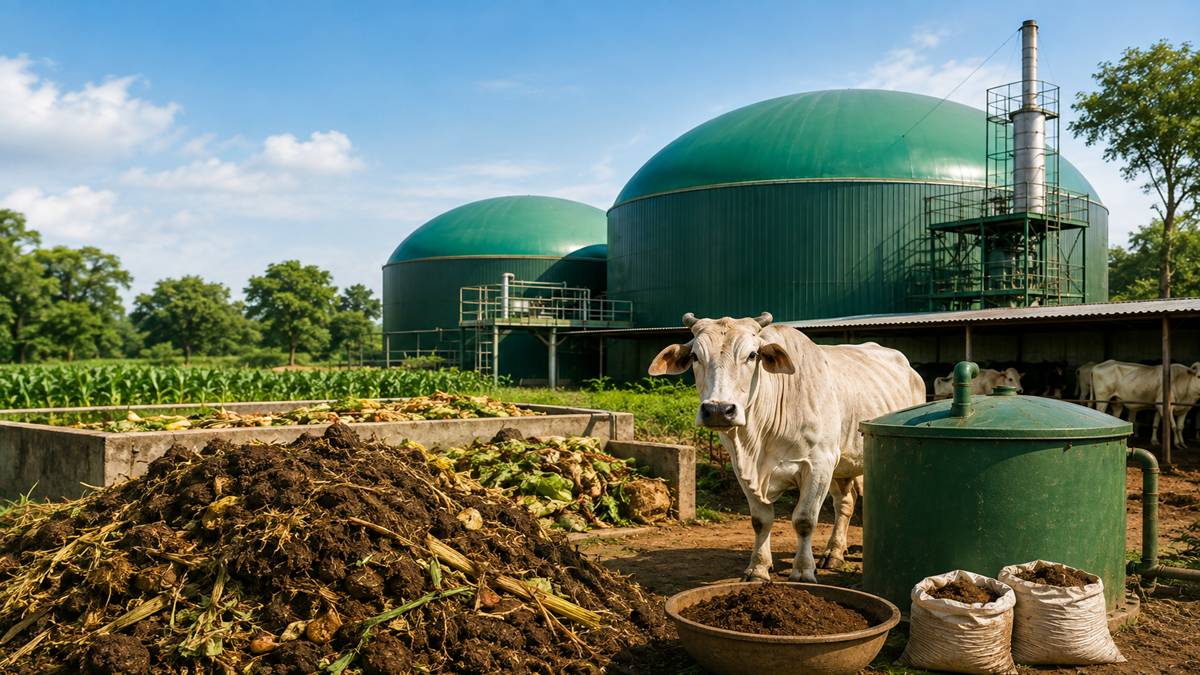
Cabinet approves Rs 23,731 crore GOBARdhan scheme for biogas fuel

Cabinet Clears Rs 23,731 Crore GOBARdhan Scheme to Boost Biogas

India’s Rs 23,731 Crore GOBARdhan Scheme Fuels CBG Investment Debate
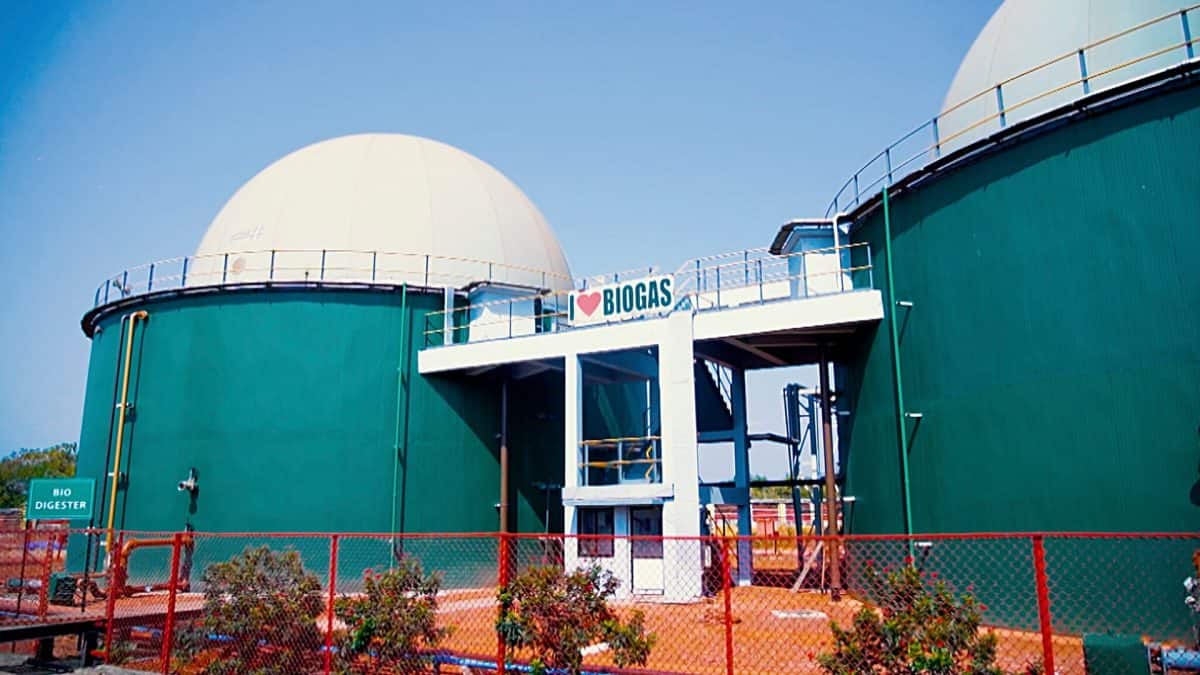
India approves Rs 23,731 crore GOBARdhan biogas scheme

Cabinet Approves GOBARdhan Bioenergy Scheme and Guwahati-Tezpur Highway
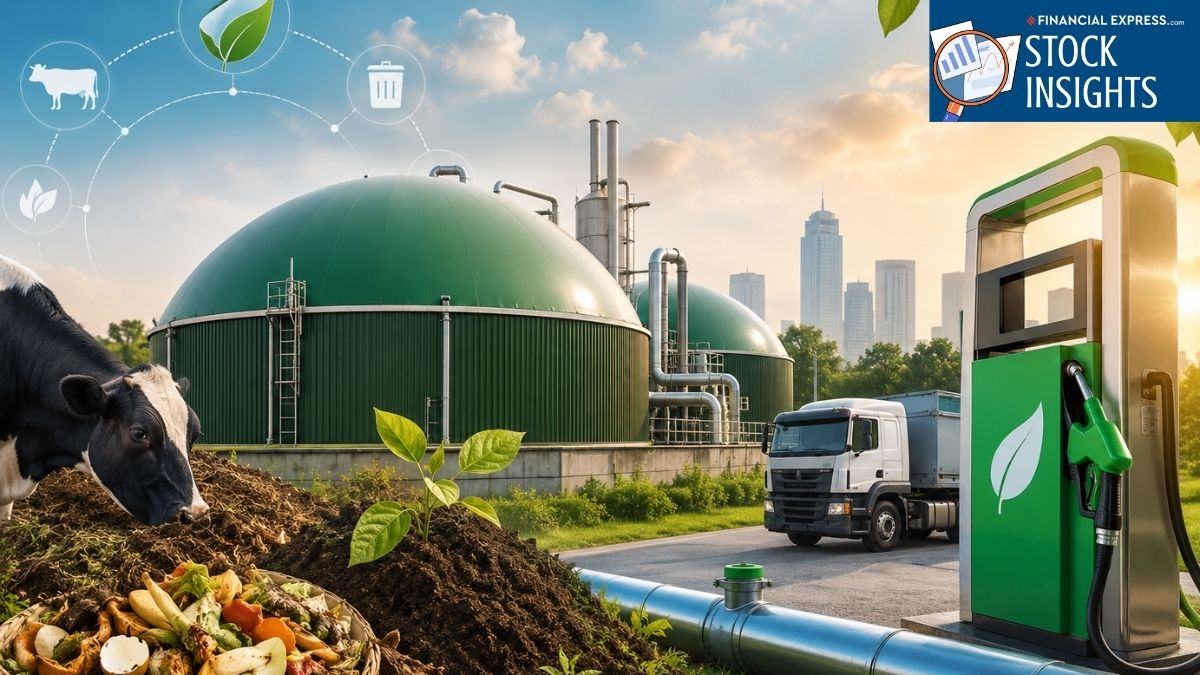
India's ₹23,731-crore bet on turning waste into fuel: 3 stocks

Saudi Arabia Says Iranian Tanker Attack Killed Two Sailors
U.S.-Iran Exchange Escalates Across Middle East, Markets Slide

Trump Aides Seek Quiet Iran War Before Midterm Elections

US Warns Middle East Travelers Amid Escalating Iran-Linked Tensions

Indian Stocks Slide as Oil, Conflict and Yields Rise