1 week ago
Women’s Safety Requires Reformed Streets, Not Restricted Movement
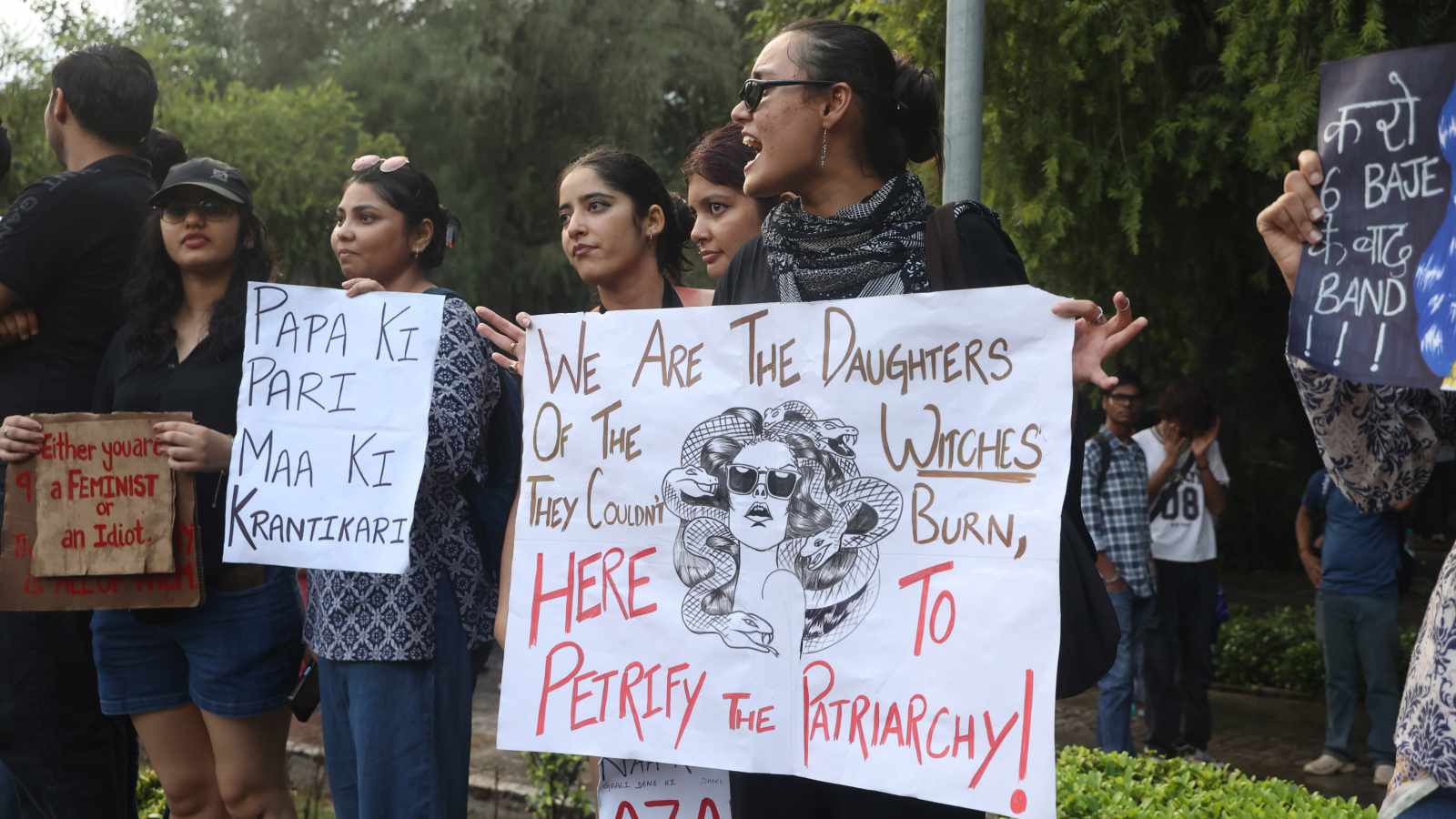
The article asks why women are still expected to come home early to stay safe.
It says streets and public transport should be made safer for everyone.
The authors describe two reported attacks involving schoolgirls in South Delhi and Jamui, Bihar.
They say poor lighting, broken footpaths and a lack of safe toilets can make daily travel harder for women.
Families and institutions sometimes respond by restricting women instead of addressing dangerous behavior.
The article also says boys and men can be pressured to act tough and stay silent when others behave badly.
It argues that men should challenge harassment and support equality.
Safety apps, buses and trains can help, but they are not enough by themselves.
Women should be able to walk outside at night without having to justify their presence.

The article argues that women are often told to limit their movements instead of cities being made safer.
It cites the alleged gang rape of a 17-year-old in South Delhi and the assault of a schoolgirl in Jamui, Bihar.
Women’s safety is affected by missing footpaths, poor lighting, unsafe lanes and inadequate public toilets.
The authors say families, institutions and authorities should hold perpetrators accountable rather than impose curfews on women.
They call for better public services, stronger accountability and greater willingness among men to challenge sexist behavior.
- Who
- Women and girls, families, institutions, authorities and men are central to the article’s discussion.
- What
- The article argues that women’s safety requires safer public spaces and accountability, rather than restrictions on women’s movement.
- Where
- The article focuses on public spaces in India, including South Delhi, Jamui in Bihar and Delhi University.
- When
- The discussion follows recent reported incidents involving two schoolgirls and reflections from the authors’ university experiences.
- Why
- The authors say patriarchal attitudes and urban systems often place the burden of safety on women instead of preventing violence and holding perpetrators accountable.
Key facts
- Reported South Delhi incident
- A 17-year-old girl was allegedly gang-raped by three men.
- Reported Jamui incident
- A schoolgirl was sexually assaulted, while her male friend was beaten.
- Urban safety problems
- The article identifies missing footpaths, poor lighting in connecting lanes and a scarcity of clean, safe public toilets.
- Institutional response criticized
- Families, neighbourhoods and hostel authorities may restrict women’s movements or impose curfews in the name of safety.
- Suggested accountability
- The authors say accountability should extend across institutions, families, friend groups and workplaces.
- Cited initiatives
- The article mentions Delhi’s pink bus tickets and trains, as well as the Safetipin safety-audit app.
Sources
Related news
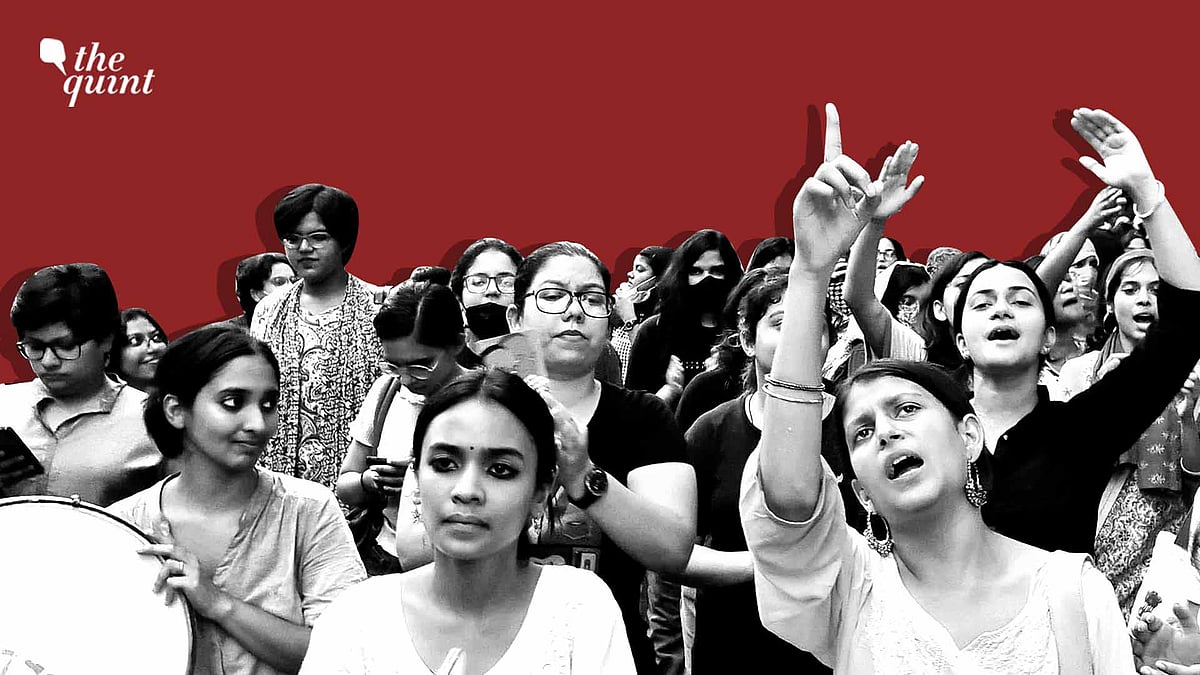
Women’s Safety Requires Access, Accountability and Shared Responsibility
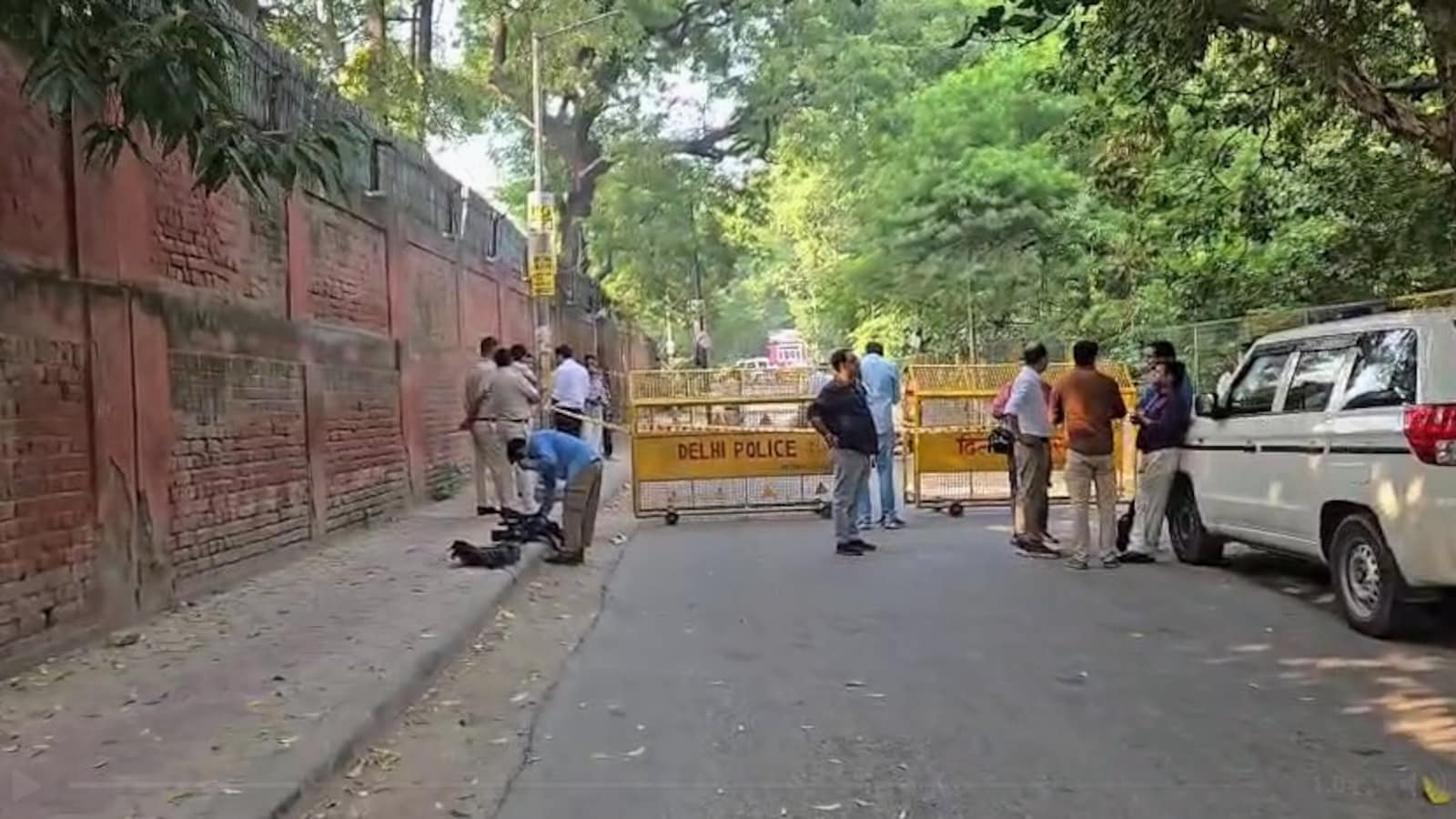
Why Women’s Public-Space Rights Remain Unfinished in Delhi

Women’s Freedom Shrinks Outside Lady Shri Ram College

Students Demand Safer Public Spaces After Alleged Rape Near LSR
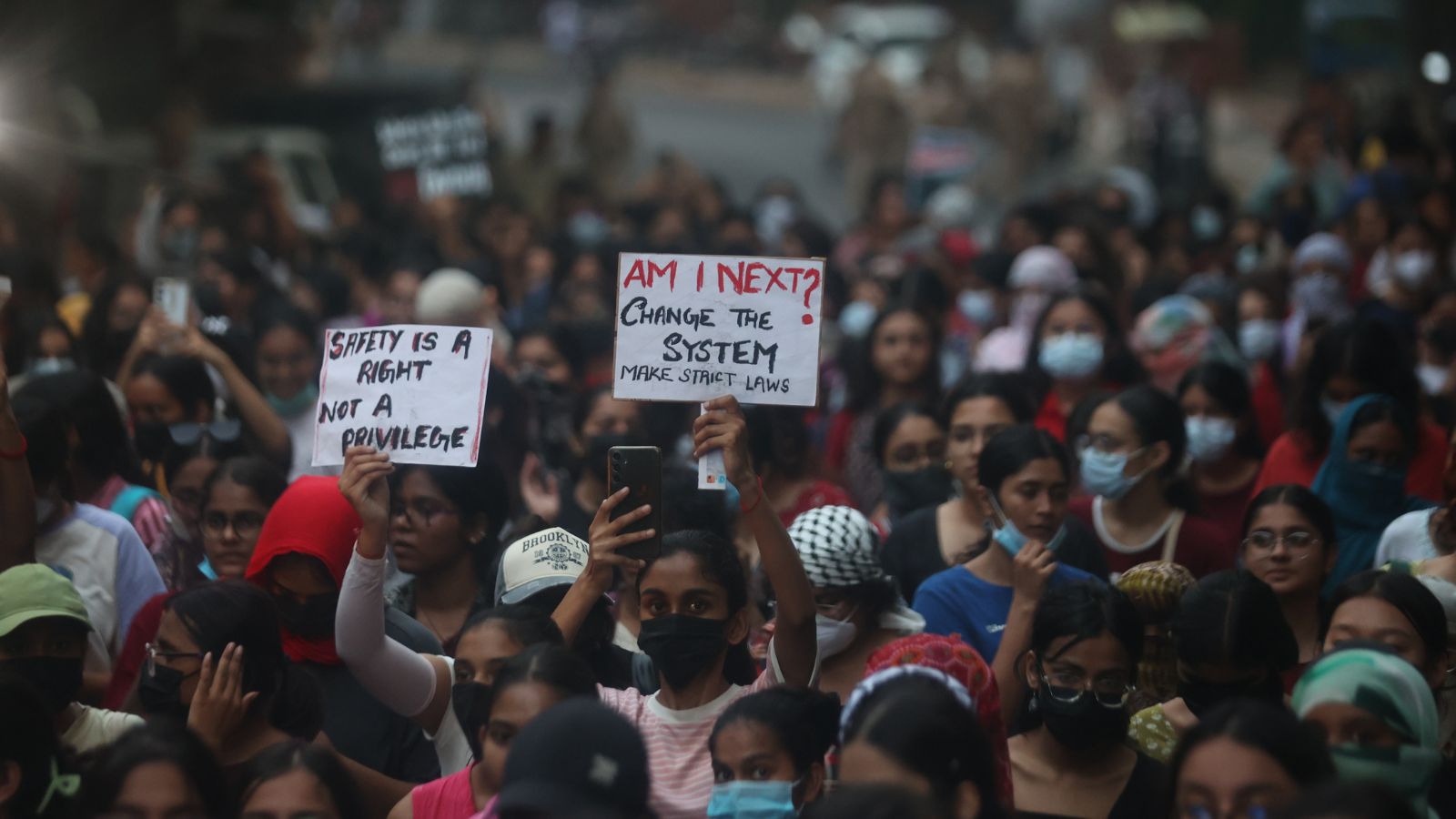
Women Students’ Daily Commutes Expose Safety Gaps Across Delhi
Delhi University Students Intensify Protest Over Women’s Safety
From Online Outrage to Lasting Pressure for Justice
Air Pistols Cannot Solve India’s Violence Against Women Crisis
Pune Women Protest Sexual Violence, Demand Swift Justice

Khushboo Patani Urges Girls to Carry Air Pistols