2 hrs ago
Women’s Freedom Shrinks Outside Lady Shri Ram College
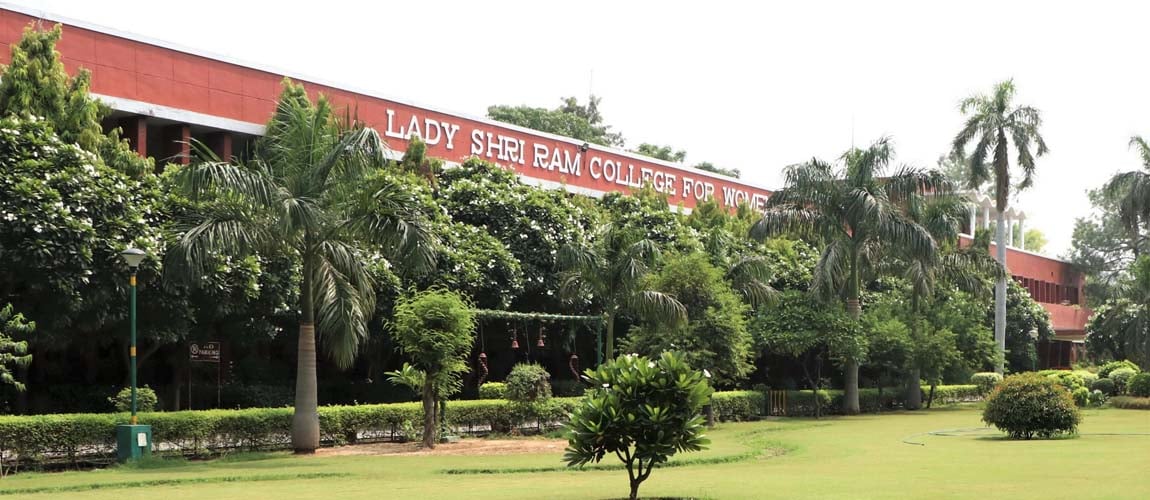
Lady Shri Ram College moved classes online after a teenager was raped in a nearby park.
The college said the change was for safety, while the author says it may also have been intended to prevent protests.
The author explains that women are often told to stay indoors or change how they dress instead of stopping people who harm them.
She remembers students being harassed and recorded near the college.
Students at other women’s colleges have reported similar problems on public transport.
The article says poor lighting, unsafe public spaces, and weak enforcement can make danger worse.
It also argues that some men help create unsafe environments when they do not challenge other men.
The author says women should be able to move freely and live as people, not only be treated as someone’s daughter, mother, sister, or wife.

Lady Shri Ram College shifted classes online after a rape in nearby Astha Kunj Park, citing safety concerns.
The author says such measures often restrict women through curfews, permissions, and scrutiny rather than addressing perpetrators.
She recalls harassment around LSR, including men recording students, staring at them, and masturbating in public.
Students at other Delhi women’s colleges have also reported repeated molestation, including on DTC Bus Route 544.
The article calls for men and political leaders to confront patriarchy, complicity, and the conditions enabling sexual violence.
- Who
- Lady Shri Ram College students, women students in Delhi, the author Nandita Singh, and officials responding to sexual violence.
- What
- The article examines the rape of a 17-year-old in Astha Kunj Park, LSR’s shift to online classes, and broader restrictions and harassment faced by women.
- Where
- Lady Shri Ram College and nearby Astha Kunj Park in Delhi, as well as other Delhi college surroundings and public transport.
- When
- The article discusses the recent rape and references incidents and responses from 2012, 2017, 2019, and 2024.
- Why
- The college cited safety; the author argues that authorities frequently restrict women instead of addressing sexual violence, unsafe infrastructure, and patriarchy.
Safety Measures
Women’s Autonomy
Closing the campus
Safety Measures
The college presented closing the campus and moving classes online as measures taken for students’ safety after the nearby rape.
Women’s Autonomy
The author argues that the stated safety rationale concealed an effort to prevent protests and placed limits on students instead of addressing perpetrators.
Responding to public danger
Safety Measures
Curfews, permissions, and policing measures can be presented as ways to protect women from unsafe streets and transport.
Women’s Autonomy
The author says these restrictions shift responsibility onto women, limiting where and when they can go rather than confronting harassment, poor infrastructure, and male complicity.
Key facts
- College response
- Lady Shri Ram College shut its campus and shifted classes online after news of the rape.
- Reported victim
- The article says the victim in Astha Kunj Park was 17 years old.
- Earlier restrictions
- After the 2012 Delhi bus gang rape case, women’s hostels and paying-guest accommodations tightened curfews and permissions.
- Public transport
- A 19-year-old Kamala Nehru College student said she had been molested seven times on DTC Bus Route 544.
- Political figures mentioned
- The article references Manohar Lal Khattar, Narendra Modi, and Rahul Gandhi in discussions of rape, protests, and patriarchy.
- Political cases
- The article states that, as of 2024, 151 sitting MPs and MLAs had cases related to crimes against women, including 16 facing rape charges.
- Safety organization
- Safetypin has worked to promote audits of public spaces for more than two decades, according to the article.
Sources
Related news
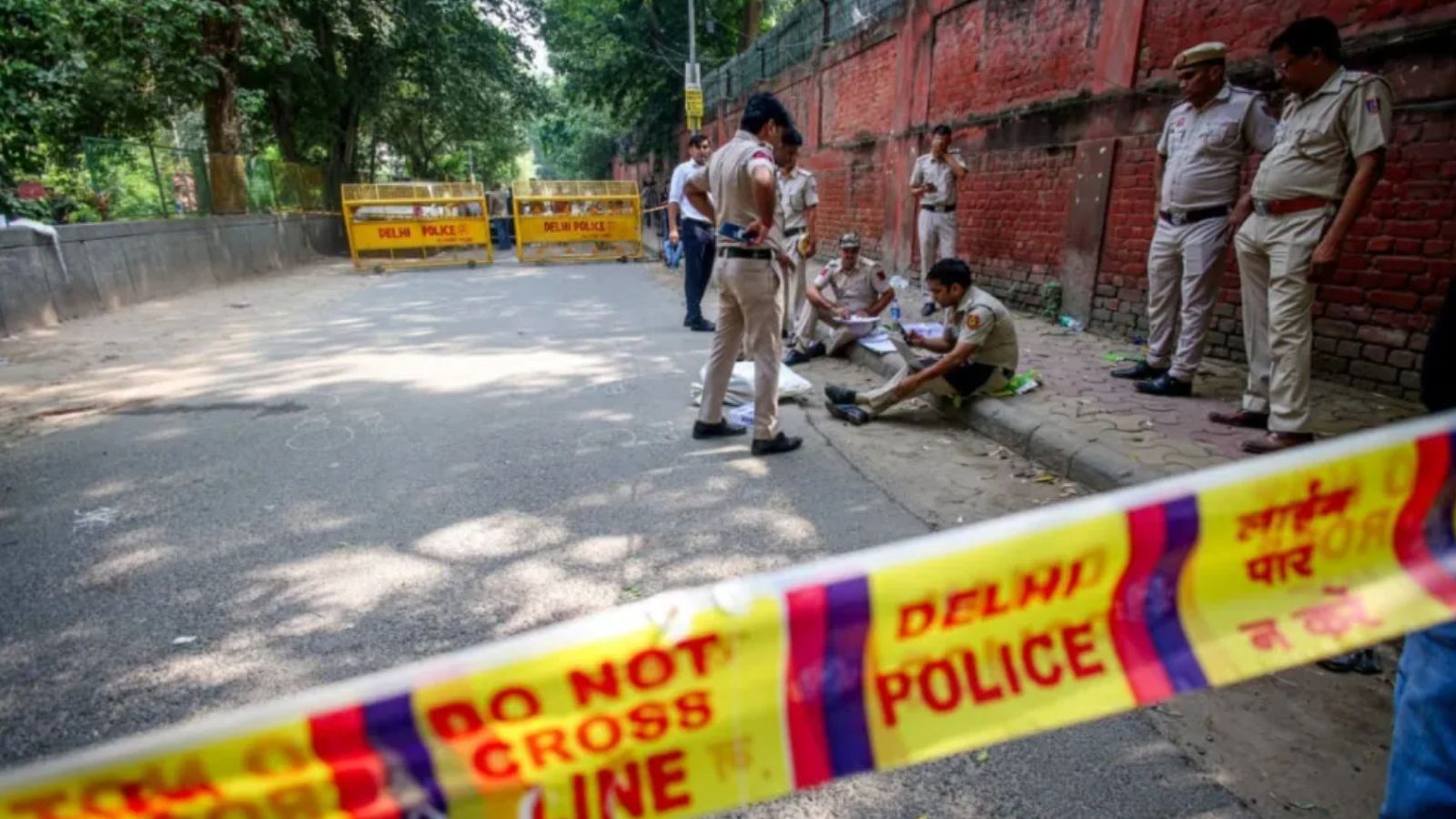
LSR Students Demand Safety After Rape and Shooting
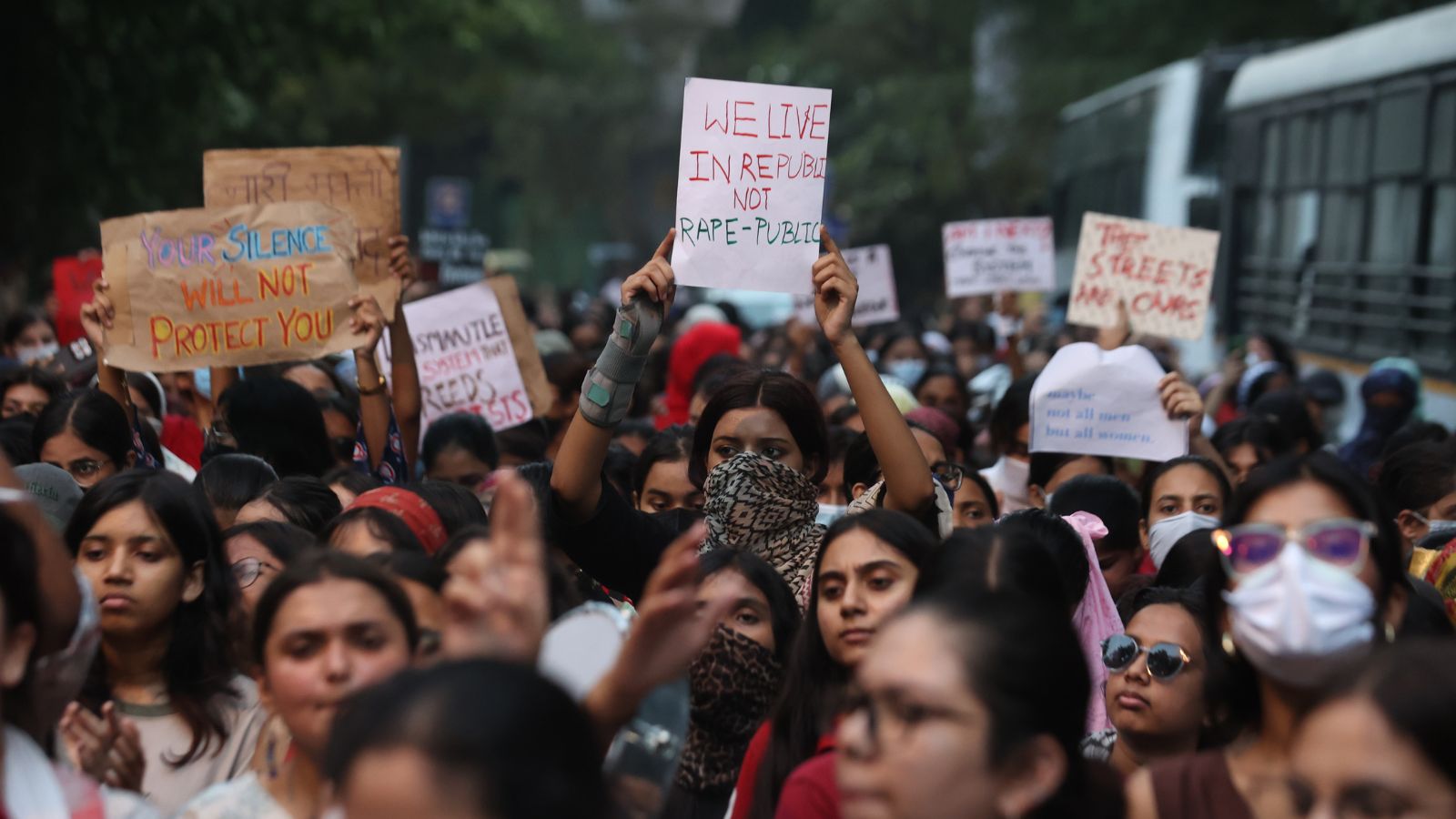
Students Protest South Delhi Rape, Demand Women’s Safety
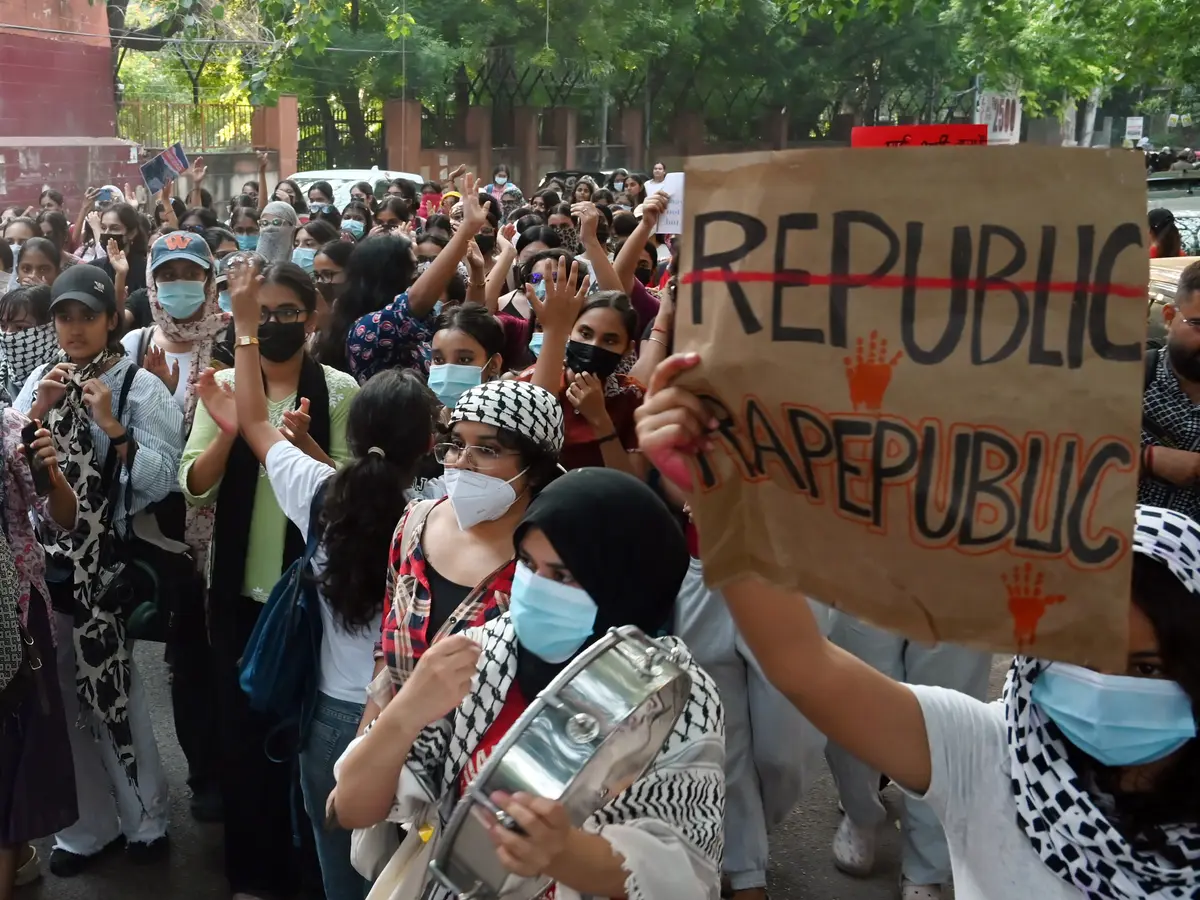
Delhi Teen’s Alleged Gang Rape Prompts LSR Safety Protest
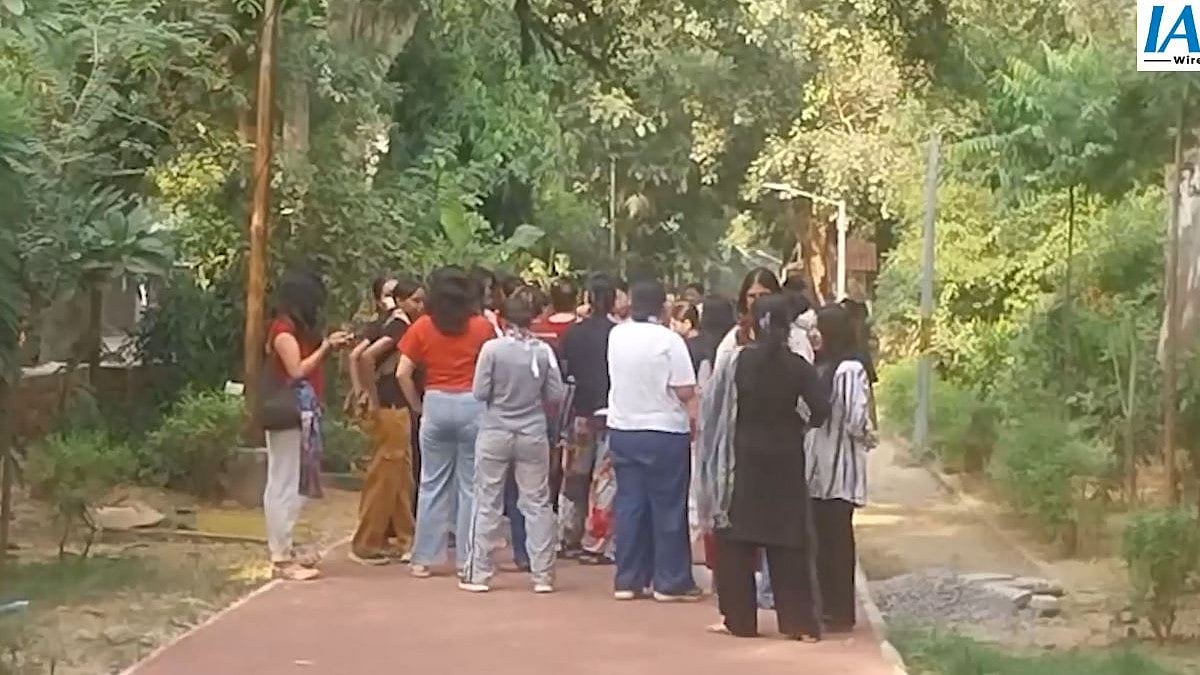
LSR Students March After Alleged Gang Rape Near Campus

Students Demand Safer Public Spaces After Alleged Rape Near LSR
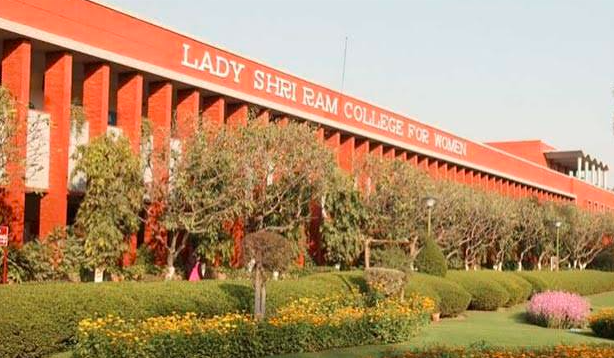
LSR Resumes Classes After Park Assault and Police Encounter

Delhi Women’s Safety Still Fails 14 Years After Nirbhaya
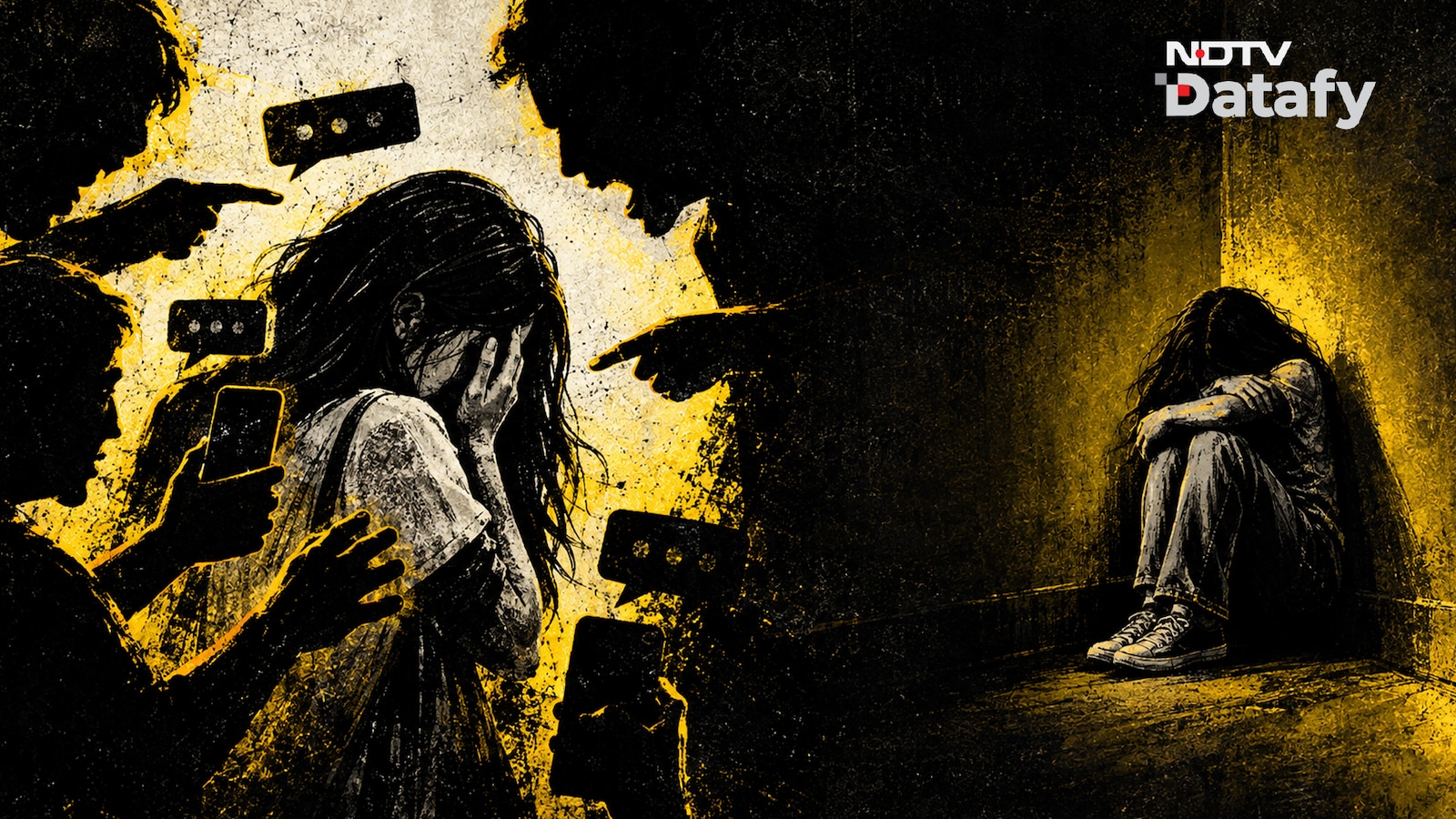
UNICEF Finds One in Eight Girls Face Childhood Sexual Assault
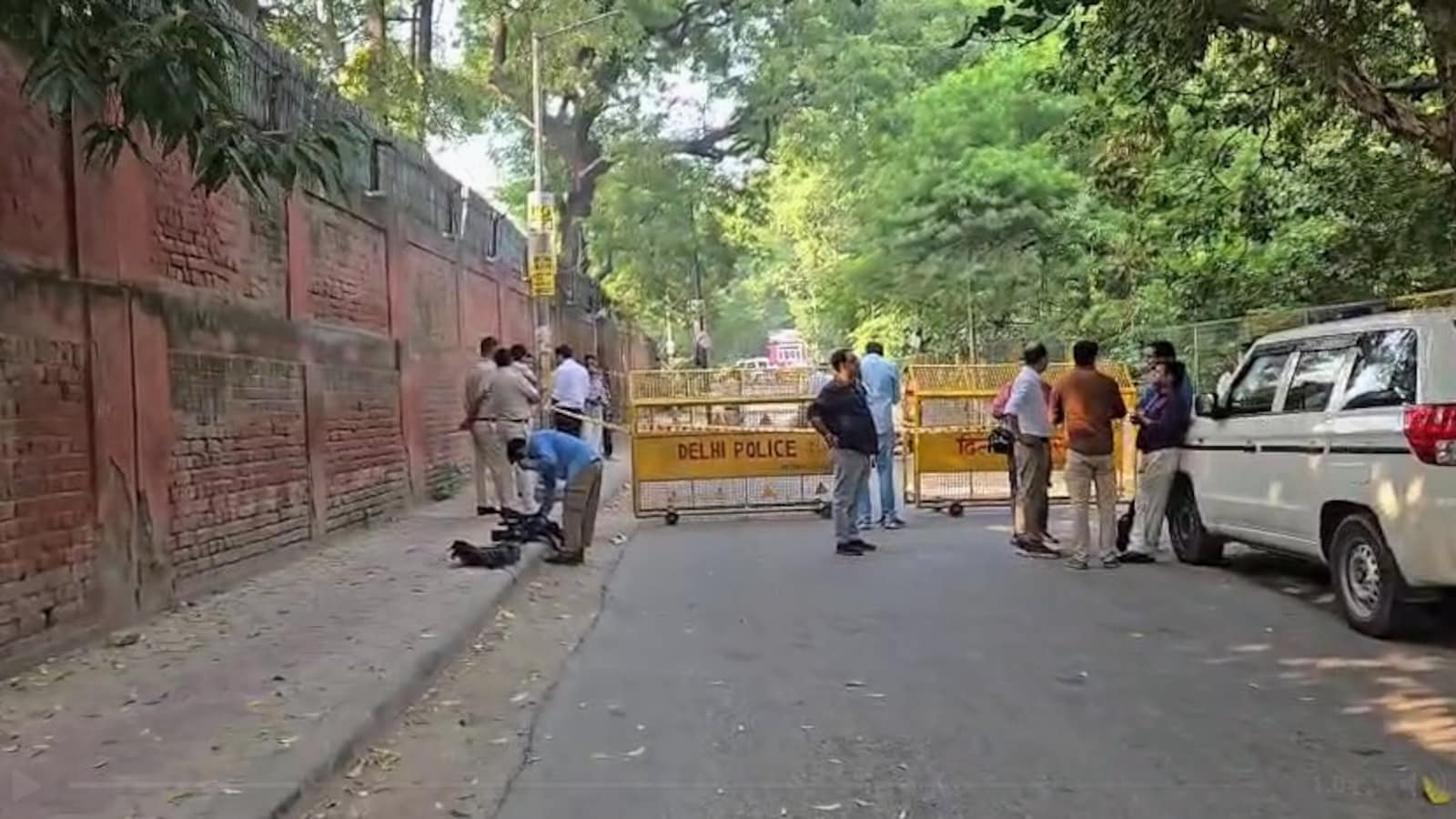
Why Women’s Public-Space Rights Remain Unfinished in Delhi