7 hrs ago
Why Women’s Public-Space Rights Remain Unfinished in Delhi
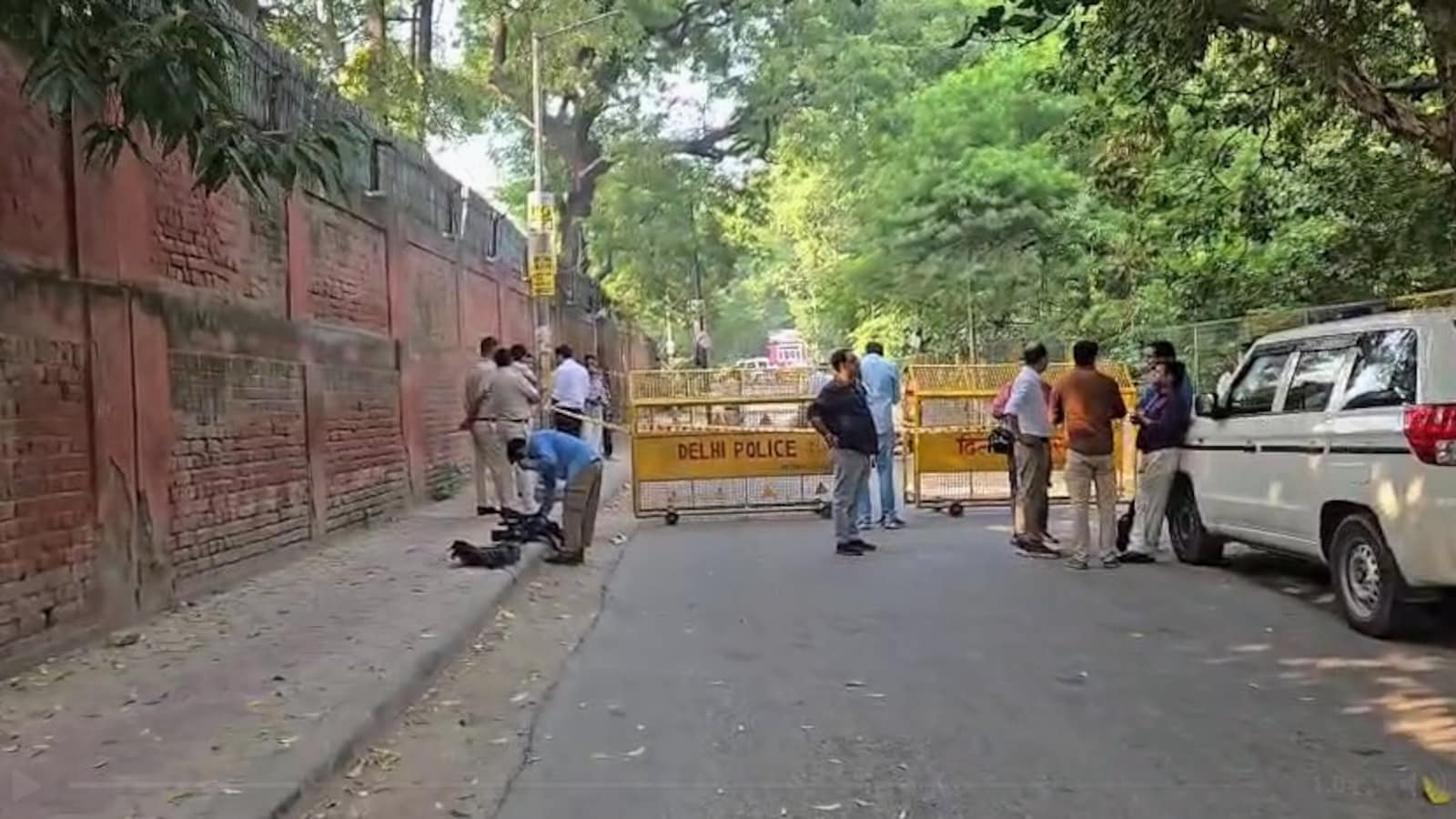
A teenage girl was raped at Astha Kunj Park in Delhi.
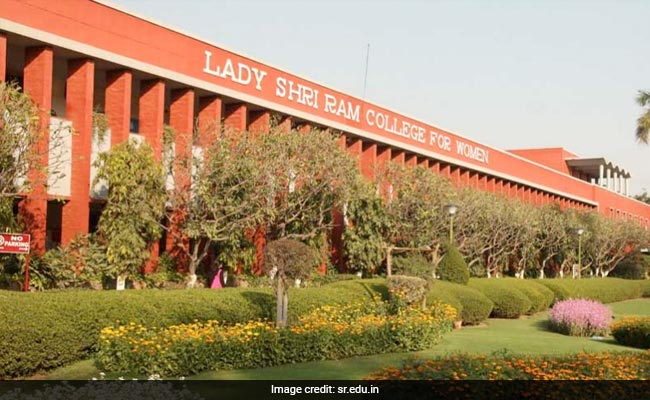
Afterward, a nearby women’s college moved classes online for a day to help protect students.
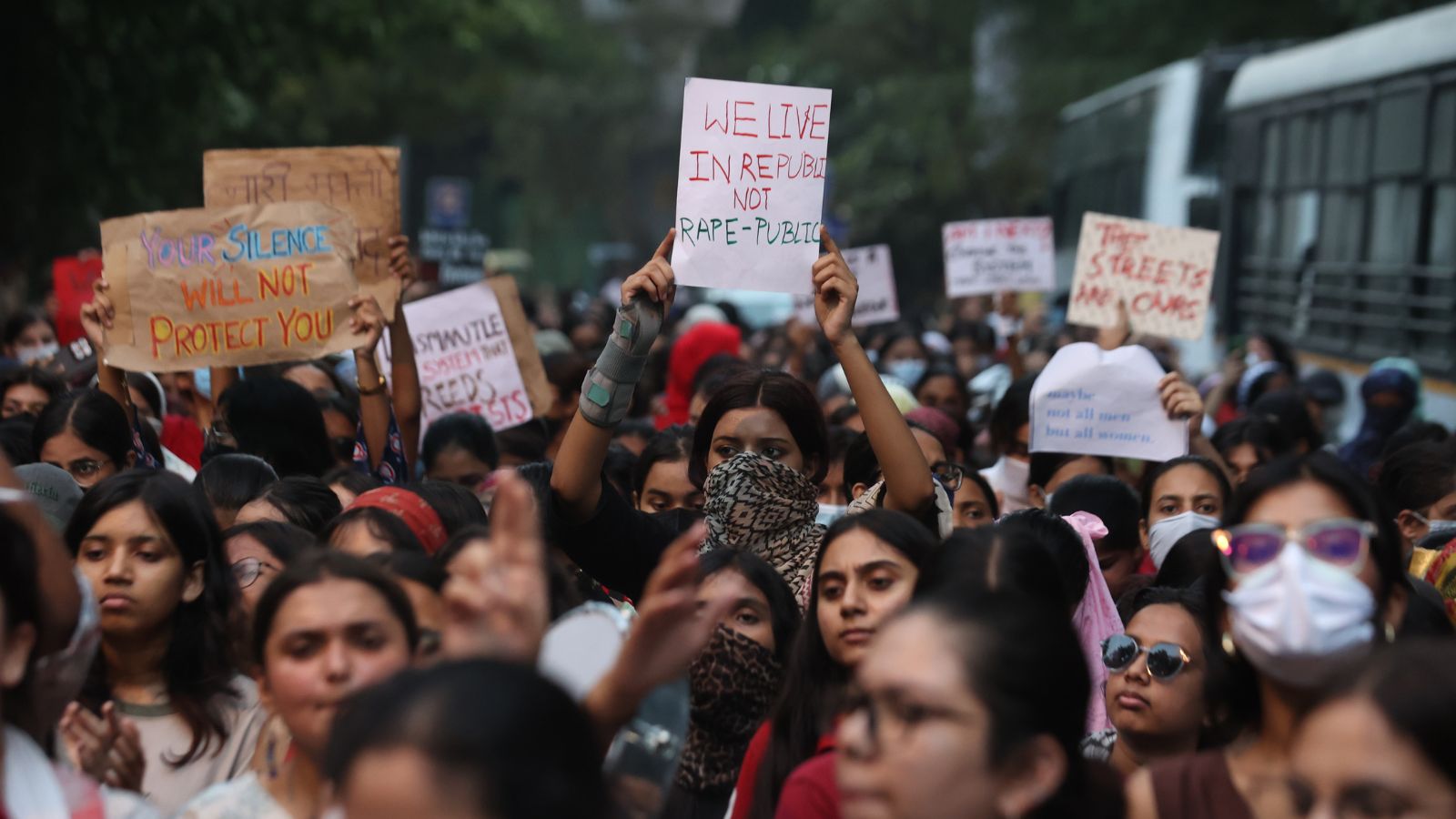
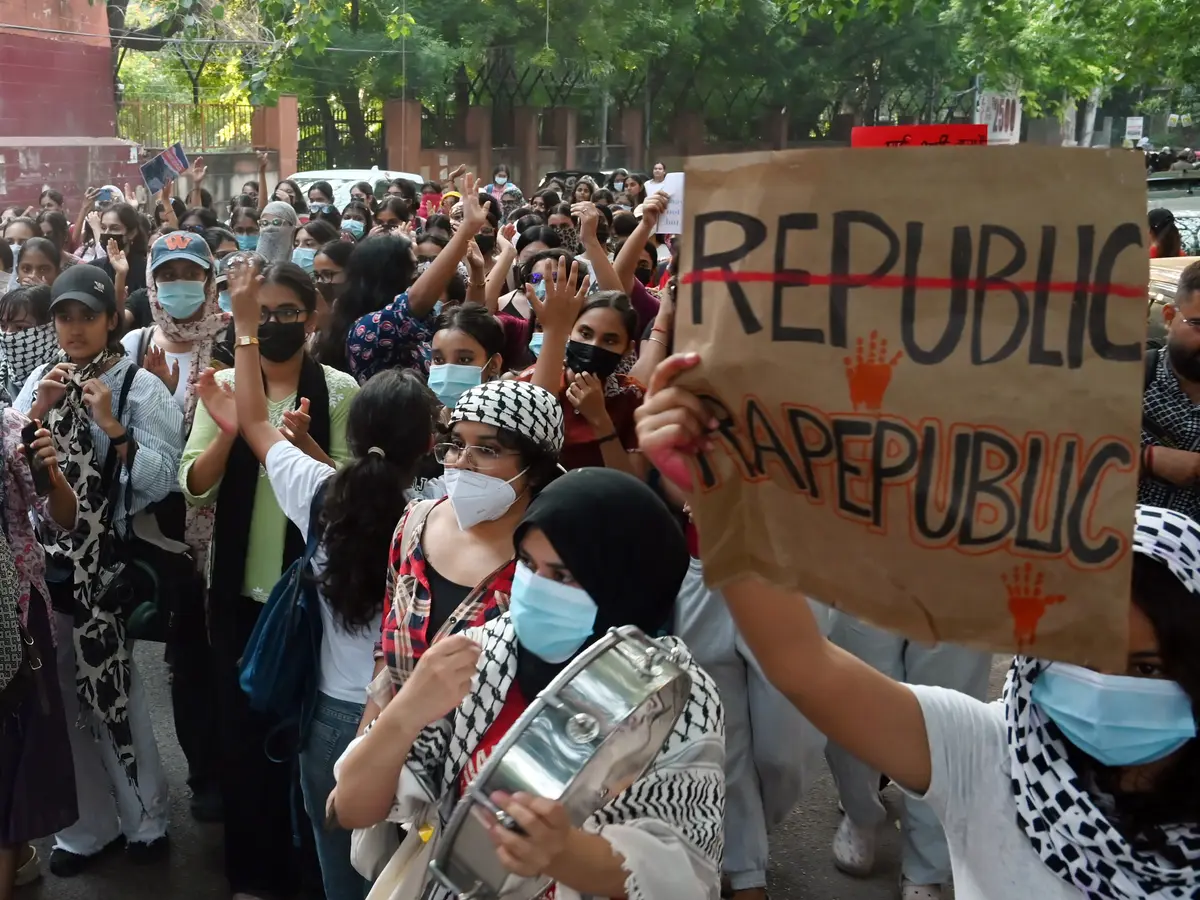
Some students and women’s-rights groups said the bigger problem was the park’s poor lighting, weak security, and broken cameras.
They believe women should not lose their freedom because public places are unsafe.
Projects such as Apno Thiyo create welcoming places where women can meet and spend time outside.
Campaigns such as Why Loiter?
and Reclaim the Night also encourage women to use streets and parks freely.
Free bus programs in Karnataka and Delhi have helped some women travel more easily.
However, transport is not always safe if the final part of a journey is poorly connected.
The article says cities need to repair public spaces and rebuild women’s trust rather than simply telling them to stay indoors.

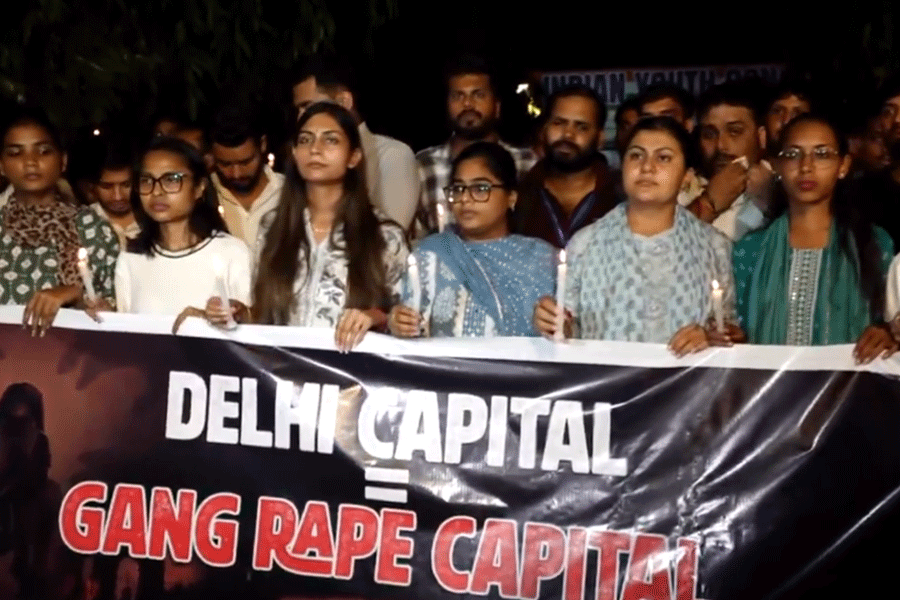
The gang-rape of a 17-year-old at Delhi’s Astha Kunj Park renewed concerns about women’s safety in public spaces.
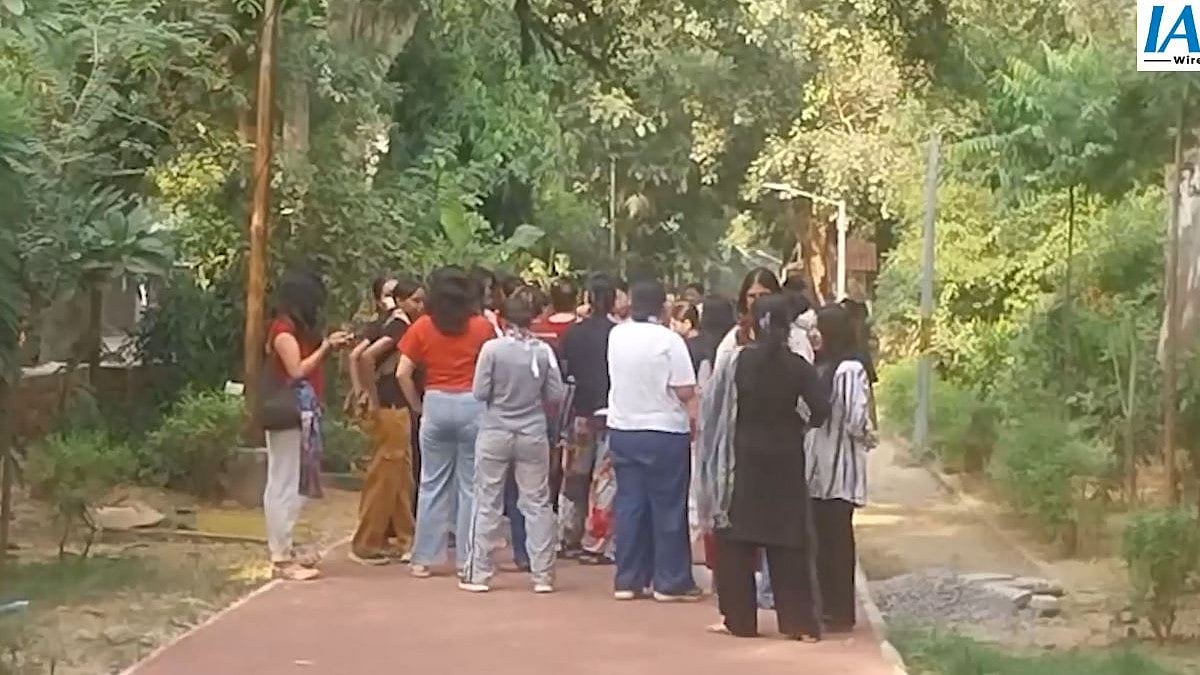
Lady Shri Ram College closed for a day and shifted classes online, while students criticized poor lighting, security, and surveillance around the park.
Astha Kunj Park covers 142 acres, but CCTV coverage inside is reportedly absent and cameras at many entrances are non-operational.
Women’s-rights advocates argue that better infrastructure, transport, and shared responsibility are needed instead of restricting women’s movement.
Initiatives including Why Loiter?, Reclaim the Night, Apno Thiyo, and free bus travel seek to make women’s presence in public spaces more normal and secure.
- Who
- A 17-year-old survivor, students of Lady Shri Ram College, women’s-rights groups, and urban-safety advocates including Safetipin and Blank Noise.
- What
- A debate over women’s safety, freedom, and access to public spaces following the gang-rape at Astha Kunj Park.
- Where
- Astha Kunj Park and Lady Shri Ram College in Delhi, with examples from Ajmer, Mumbai, Karnataka, Bengaluru, Hubballi-Dharwad, Kolkata, and Bhopal.
- When
- The article discusses the incident and responses, as well as initiatives launched between 2014 and 2023.
- Why
- The article argues that inadequate lighting, maintenance, surveillance, security, and transport connectivity limit women’s safe access to public spaces.
Safety Through Freedom and Infrastructure
Safety Through Restriction and Protection
Response to sexual violence
Safety Through Freedom and Infrastructure
Improve lighting, maintenance, functioning CCTV, security, transport links, and public accountability so women can continue using public spaces.
Safety Through Restriction and Protection
Restrict or shift women’s activities indoors, as reflected by Lady Shri Ram College’s one-day closure and move to online classes after the assault.
Women’s presence in public spaces
Safety Through Freedom and Infrastructure
Women should be able to linger, travel, socialize, and use parks without needing a special reason or permission.
Safety Through Restriction and Protection
Women’s presence should be managed cautiously when public places are considered unsafe, emphasizing protection through reduced exposure.
Responsibility for safety
Safety Through Freedom and Infrastructure
Safety is a shared institutional and civic responsibility, not solely a policing problem or an individual woman’s responsibility.
Safety Through Restriction and Protection
The immediate emphasis is on protecting women through precautionary measures, even when those measures limit access or mobility.
Key facts
- Park size
- Astha Kunj Park covers 142 acres.
- Delhi CCTV figure
- Delhi ranks 16th among cities by CCTV numbers, with about 313,300 cameras, or nine per 1,000 people.
- Park surveillance
- The article says there is no CCTV coverage inside Astha Kunj Park and that most cameras at its 29 gates are non-operational.
- Safety assessment
- Safetipin’s 2019 assessment gave Delhi’s public parks, tourist places, and single-screen cinemas an average score of 2.5 out of 5.
- Karnataka transport
- The Shakti programme, introduced in June 2023, provides free state-bus travel for women and transgender residents.
- Reported employment impact
- The article reports a 23% rise in women’s employment in Bengaluru and a 21% rise in Hubballi-Dharwad after the Karnataka initiative.
- Delhi bus travel
- Women’s share of total daily ridership increased by 20% in Delhi between 2019 and 2023 under the fare-free public transport scheme, according to the cited World Resources Institute report.
Quotes

Kalpana Viswanath
Co-founder of Safetipin, a social organisation focused on inclusive public spaces.
“The call for safety has to become a shared call for action, a shared responsibility. It has to be an act of solidarity, of creating infrastructures of change with vision.”
 NDTV
NDTV
“Our homes, streets, parks, and cities are constantly breaking their promise to women: the promise that says 'this place is yours too'.”
NDTV
Sources
Related news
Students Demand Safer Public Spaces After Alleged Rape Near LSR
Students Protest South Delhi Rape, Demand Women’s Safety
Delhi Teen’s Alleged Gang Rape Prompts LSR Safety Protest
Delhi University Women Students March for Safer Public Spaces

LSR Shifts Classes Online After Minor’s Alleged Gang Rape
LSR Students March After Alleged Gang Rape Near Campus
UNICEF Finds One in Eight Girls Face Childhood Sexual Assault

Delhi's Aastha Kunj Park Faces Safety Questions After Teen Gang-Rape