5 days ago
Air Pistols Cannot Solve India’s Violence Against Women Crisis
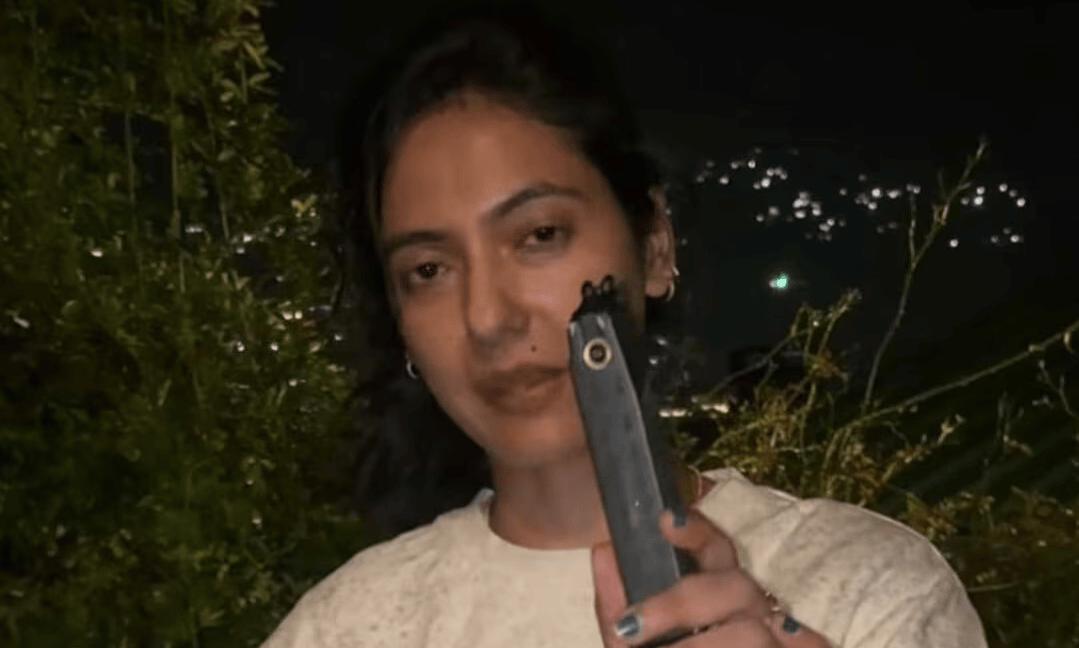
Khushboo Patani encouraged women to learn how to use air pistols for protection.
She said they should buy them from legitimate dealers and practise at shooting ranges.
Her advice came after several reports of sexual assault.
The article explains that an air pistol is more expensive and harder to access than pepper spray.
It may help someone respond to danger, but not every woman can afford or carry one.
The writer says women should not have to prepare for violence everywhere they go.
Attackers, police and public authorities also have responsibility for keeping people safe.
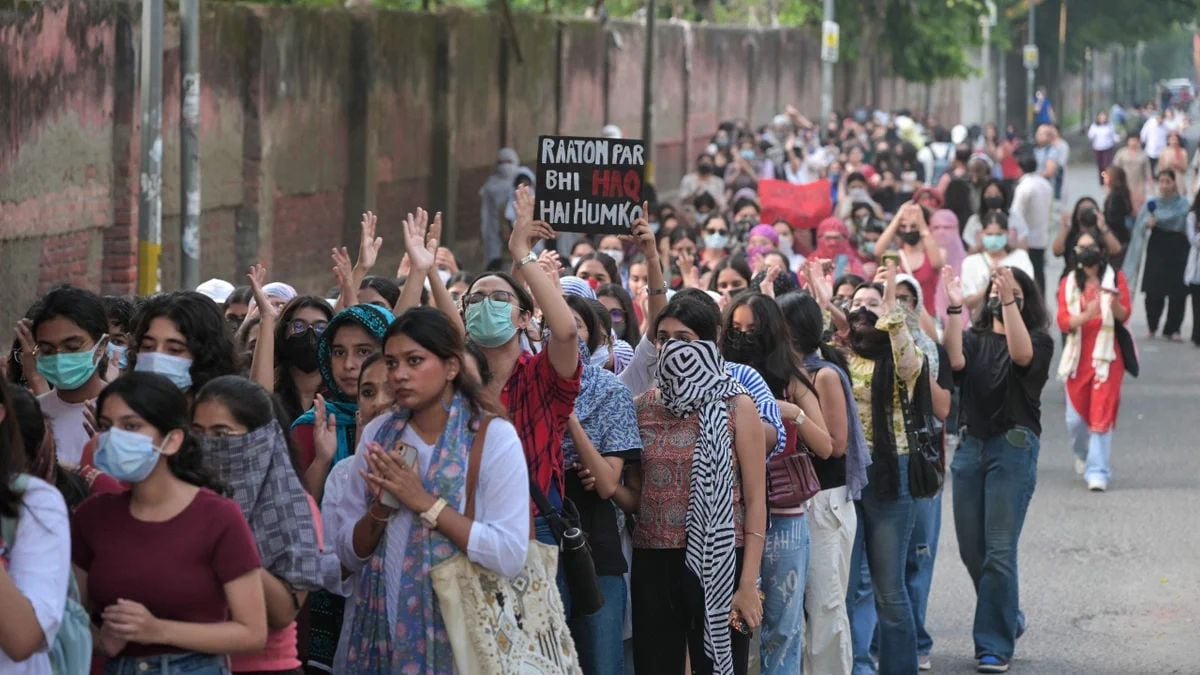
Students protesting in Delhi are asking for safer streets, campuses and public spaces.

Retired Indian Army Major Khushboo Patani urged women to learn to use CO2-powered air pistols for self-defence.
Her recommendation followed several reported sexual assaults, including an attack on a teenager in Bihar’s Jamui on 19 September.
The article says air pistols can cost roughly Rs 40,000 to Rs 80,000 and require legitimate dealers and shooting-range training.
Critics argue that placing weapons and safety precautions in women’s handbags shifts responsibility away from attackers and public institutions.
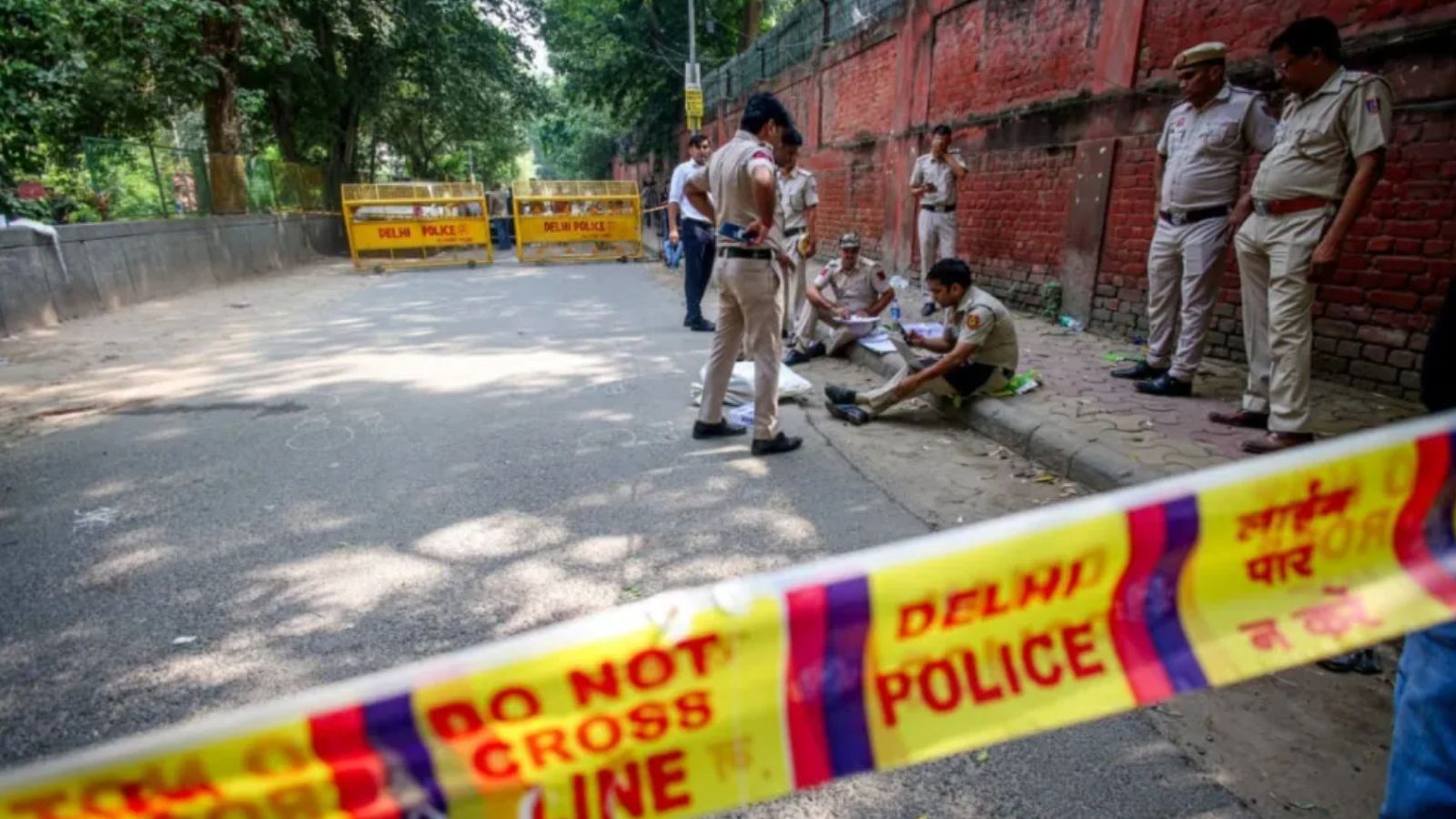
Delhi University students protesting after the Kalkaji gang-rape case have demanded safer public spaces, better policing and accountability.
- Who
- Retired Indian Army Major Khushboo Patani, women seeking self-defence, sexual-assault survivors and Delhi University students are central to the report.
- What
- Patani recommended training with CO2-powered air pistols, prompting debate over individual self-defence versus broader measures to prevent violence against women.
- Where
- The reported incidents occurred in Bihar’s Jamui, Delhi NCR and the Kalkaji area of Delhi; protests were led by Delhi University students.
- When
- Patani posted the air-pistol video nine months after her January pepper-spray video; reported incidents included attacks on 19 and 21 September.
- Why
- Patani said women should not depend on others for safety, while the article argues that responsibility must also fall on attackers and systems responsible for safe public spaces.
Individual Self-Defence
Systemic Safety
Role of weapons and training
Individual Self-Defence
Patani’s position is that women should learn to use air pistols, train at shooting ranges and avoid depending on others for their safety.
Systemic Safety
The article argues that weapons and self-defence skills may have value but cannot substitute for preventing attacks or improving public safety.
Responsibility for safety
Individual Self-Defence
The growing safety checklist reflects the view that women should take precautions such as carrying pepper spray, sharing their location and preparing to confront danger.
Systemic Safety
The opposing view is that responsibility primarily belongs with men who attack women and with institutions responsible for lighting, transport, policing and accountability.
Access and affordability
Individual Self-Defence
An air pistol offers a stronger potential response to situations involving multiple attackers, according to the rationale behind the recommendation.
Systemic Safety
The article says expensive equipment, legitimate-dealer requirements and range training exclude many women, including schoolgirls and domestic workers.
Key facts
- Person recommending air-pistol training
- Retired Indian Army Major Khushboo Patani
- Earlier self-defence advice
- Patani posted a video about pepper spray in January.
- Air-pistol recommendation
- Patani demonstrated a CO2-powered air pistol and advised women to train at a shooting range.
- Reported Jamui attack
- A teenager was assaulted by a group of men in Bihar’s Jamui on 19 September; her friend was also beaten and the incident was filmed.
- Estimated air-pistol cost
- Glock-style CO2 air pistols were listed by Indian dealers at roughly Rs 40,000 to Rs 80,000, depending on the model.
- Protests
- Delhi University students protested after the Kalkaji gang-rape case on 21 September.
- Broader demands
- The article highlights demands for safer public spaces, improved policing, faster investigations and accountability.
Sources
Related news
Air Pistols Spark Debate Over Women’s Safety and Self-Defence

Khushboo Patani Urges Girls to Carry Air Pistols
LSR Students Demand Safety After Rape and Shooting
Kalimpong Police Distribute Portable Alarms to Support Women’s Safety

Delhi University Students Intensify Women’s Safety Protests After Kalkaji Gang-Rape
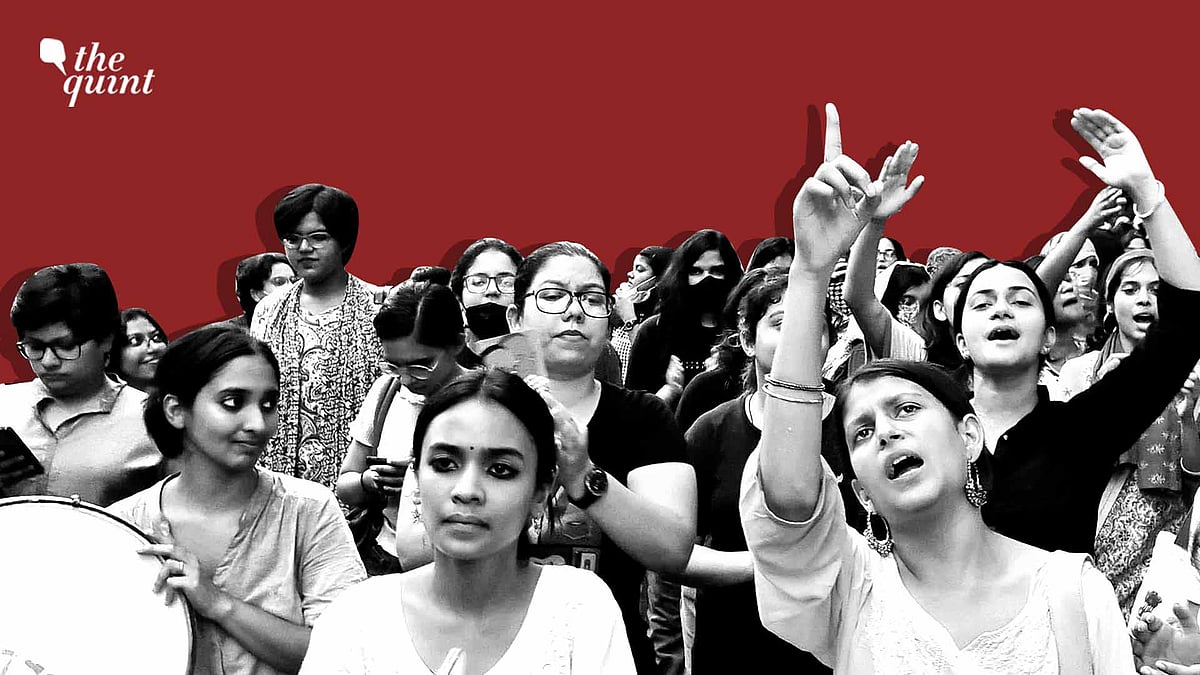
Women’s Safety Requires Access, Accountability and Shared Responsibility
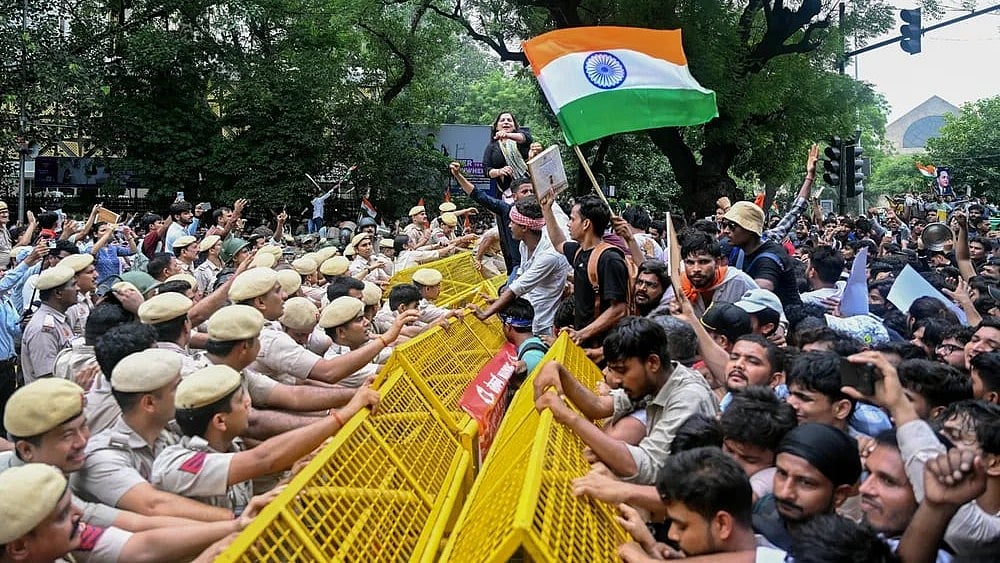
From Online Outrage to Lasting Pressure for Justice
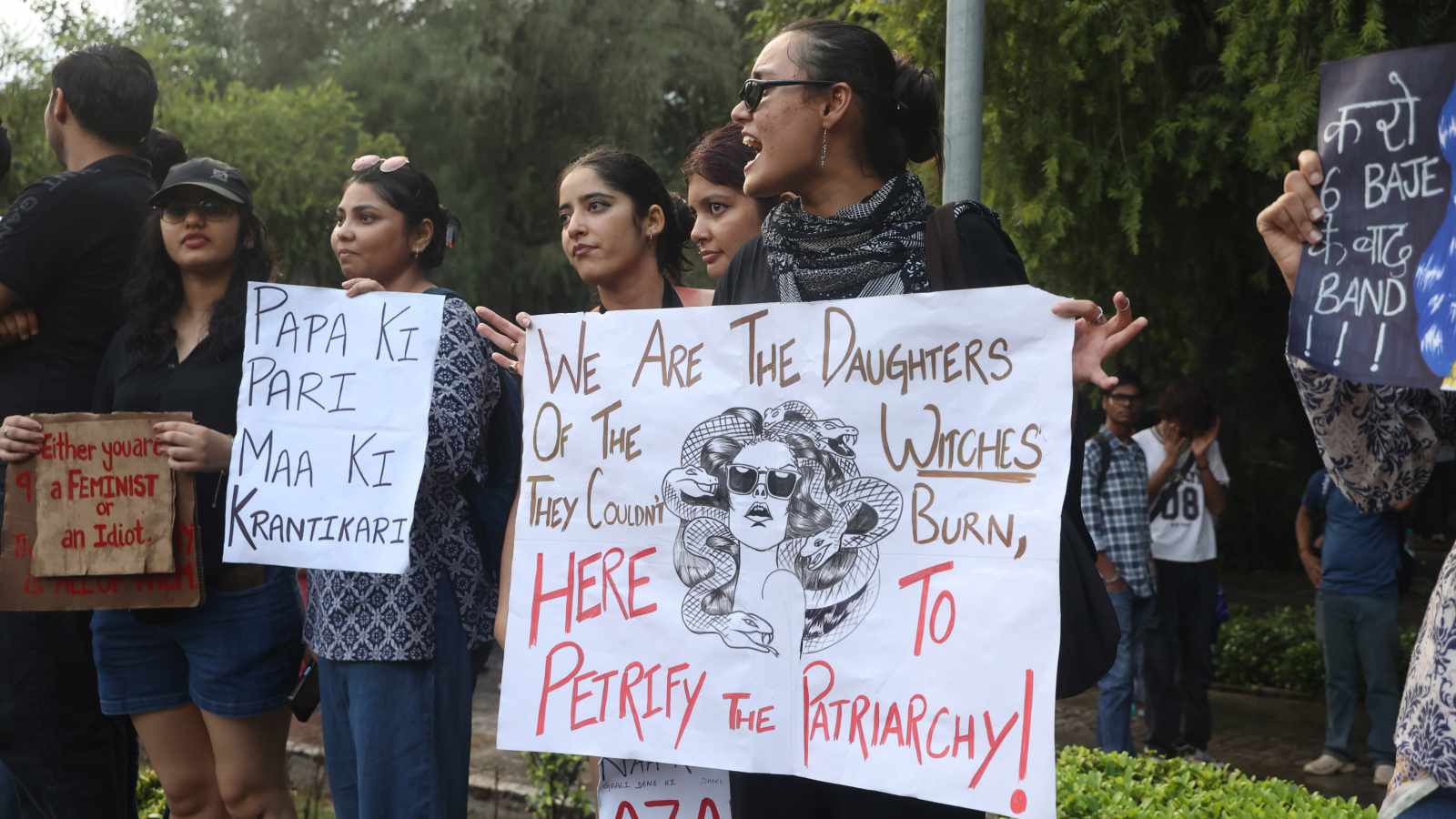
Women’s Safety Requires Reformed Streets, Not Restricted Movement
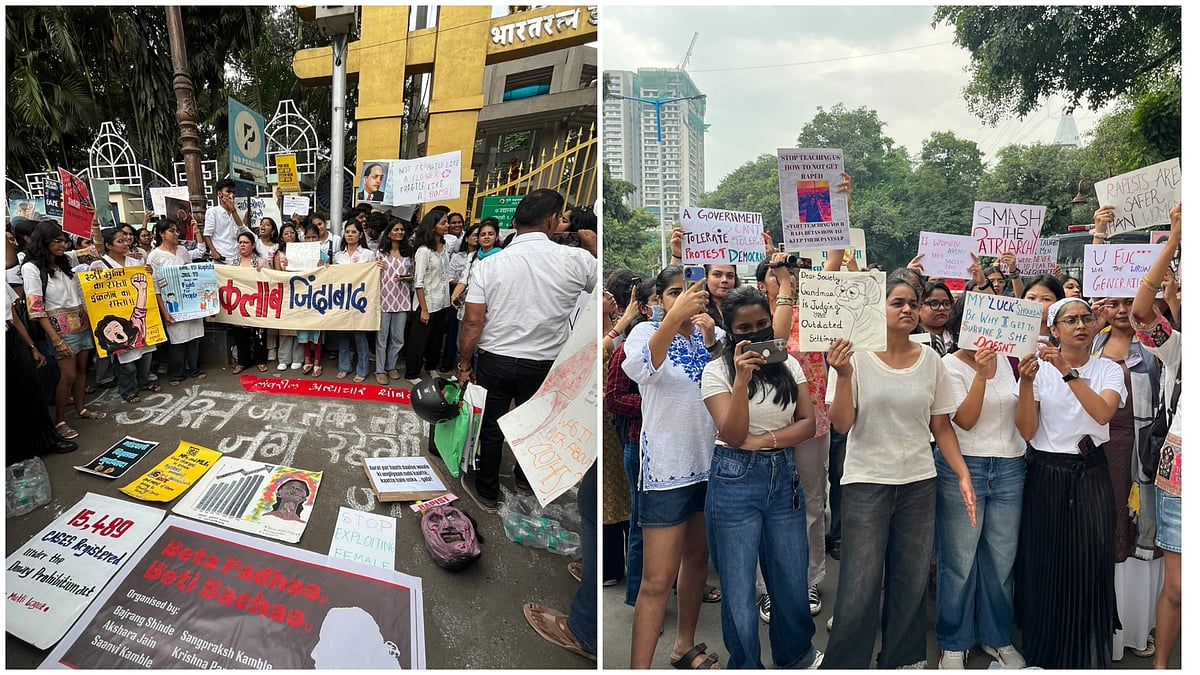
Pune Women Protest Sexual Violence, Demand Swift Justice