3 days ago
From Online Outrage to Lasting Pressure for Justice
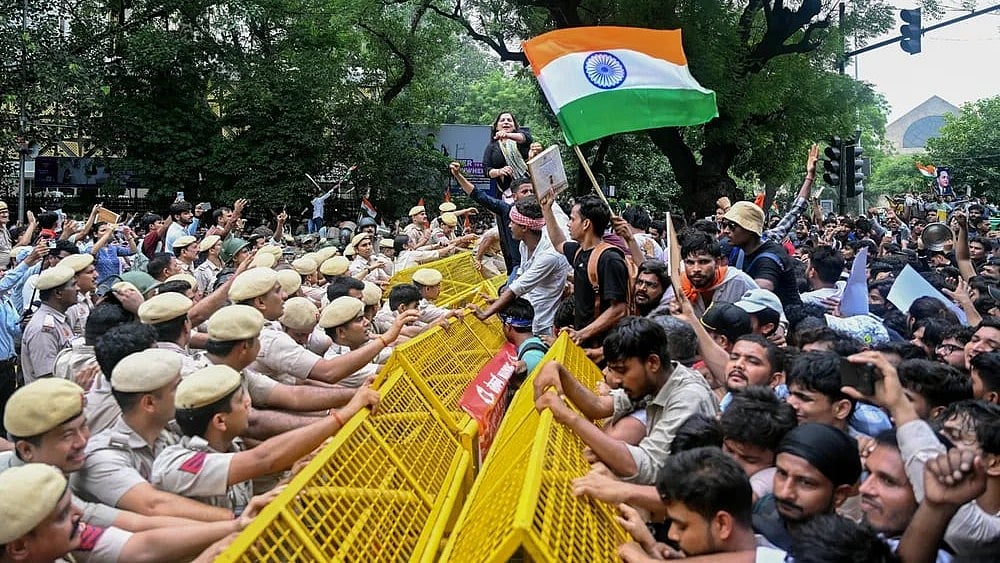
A video from Jamui showed two students being attacked, and people quickly became angry.
The article asks what happens after people stop talking about a case online.
Its contributors say posts can help people notice a problem, but lasting change needs people to keep working together.
Some people stay quiet because they fear blame or think nothing will change.
One lawyer says rules meant to protect survivors are not always followed, and cases can take a long time.
The contributors want survivors to know their rights and receive support.
They also call for police and courts to act fairly and promptly.
They believe peaceful protests and steady public attention can help push for justice.

A video from Jamui, Bihar, allegedly showed two Class 10 students being stopped, assaulted and molested while returning from coaching; arrests followed.
The contributors say online attention can raise awareness but often fades without sustained organizing and offline action.
They identify stigma, victim-blaming, fear, political suspicion and doubts about whether protest works as barriers to participation.
Advocate Esha Das says legal protections exist but are undermined by refused FIRs, delays, negligence and limited awareness of survivors’ rights.
Suggested responses include legal aid and literacy, survivor protection, accountable policing, faster trials, peaceful protest and long-term solidarity.
- Who
- Two Class 10 students in Jamui, and four contributors: Rajat Kanti Mondal, Esha Das, Dishari Paul and Urmi Pal.
- What
- A reported assault and molestation of two students prompted discussion about why public outrage fades and how to sustain pressure for justice.
- Where
- Jamui, Bihar; the debate also discusses broader responses to sexual violence in India.
- When
- The article says the video appeared less than two weeks before publication; it does not provide a publication date.
- Why
- The debate considers how public anger might become sustained action and stronger accountability for sexual violence.
Reasons to protest
Barriers and doubts
Online awareness and action
Reasons to protest
Social media can help make an issue visible and bring people together.
Barriers and doubts
Visibility alone can be mistaken for change; contributors say pressure also needs sustained offline action.
Whether protest can make a difference
Reasons to protest
Peaceful protests, petitions and persistent organizing can press institutions for accountability.
Barriers and doubts
Some people withdraw because they fear stigma or backlash, distrust institutions, or believe protest will not change anything.
Key facts
- Reported incident
- A video allegedly showed two Class 10 students returning from coaching being stopped, assaulted and molested.
- Incident location
- Jamui, Bihar
- Reported response
- The article says arrests followed the incident.
- Main concern
- Public attention and online outrage may fade before survivors obtain justice.
- Legal barriers cited
- Refused FIRs, delayed trials, hostile witnesses, negligence and limited legal awareness.
- Proposed actions
- Sustained organizing, legal literacy and aid, survivor protection, police accountability and faster trials.
Quotes
Dishari Paul
Media professional who discusses speaking out and joining protests against sexual violence.
“I may not know you, but I believe you deserve justice, and I refuse to pretend this is normal.”
 freepressjournal.in
Sources
Related news
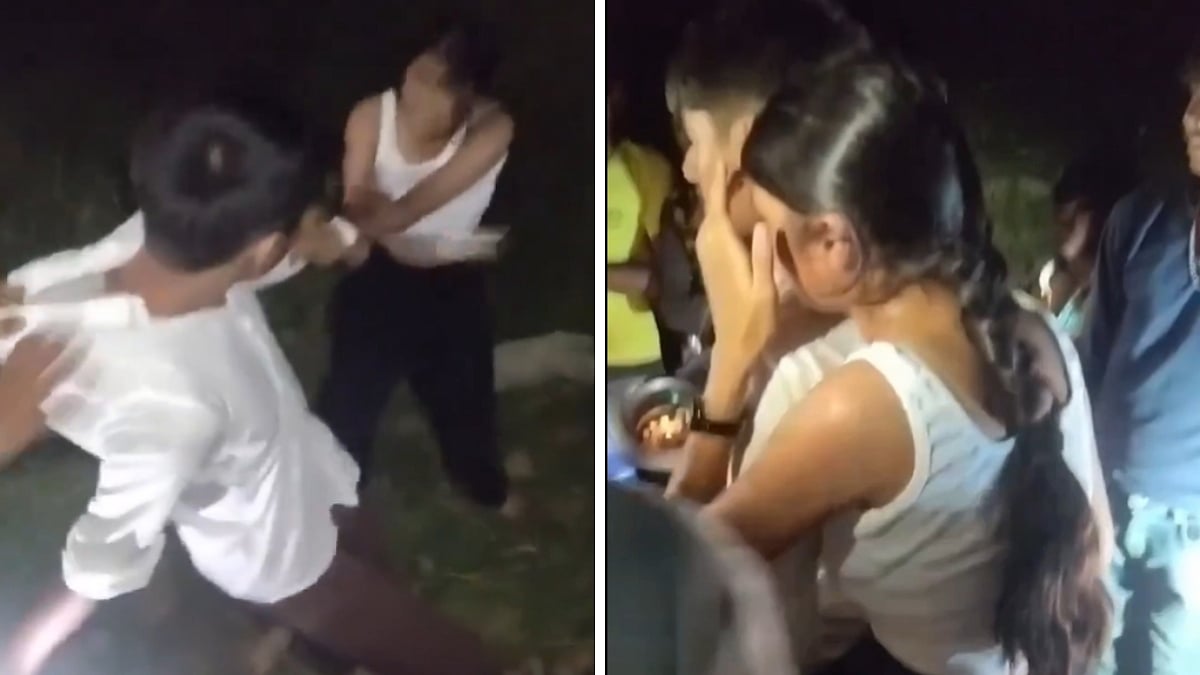
Jamui Assault Prompts SIT Probe and Bihar Law-and-Order Questions
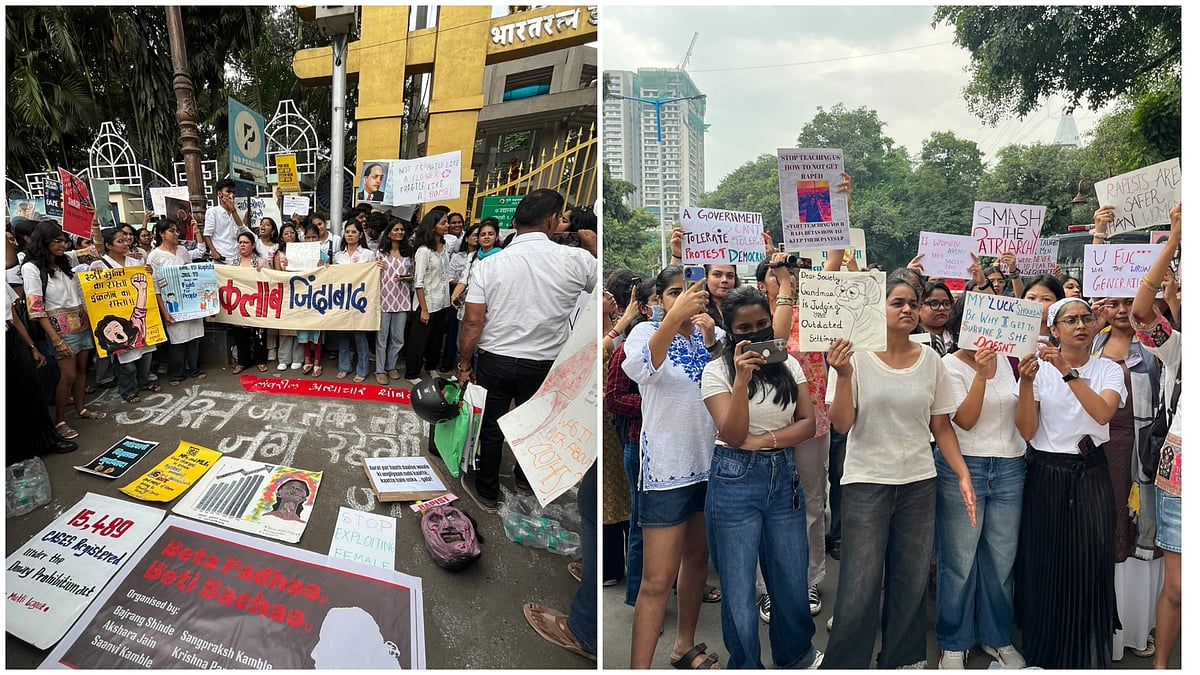
Pune Women Protest Sexual Violence, Demand Swift Justice

Anger, Advocacy, and the Fight for Safer Indian Workplaces
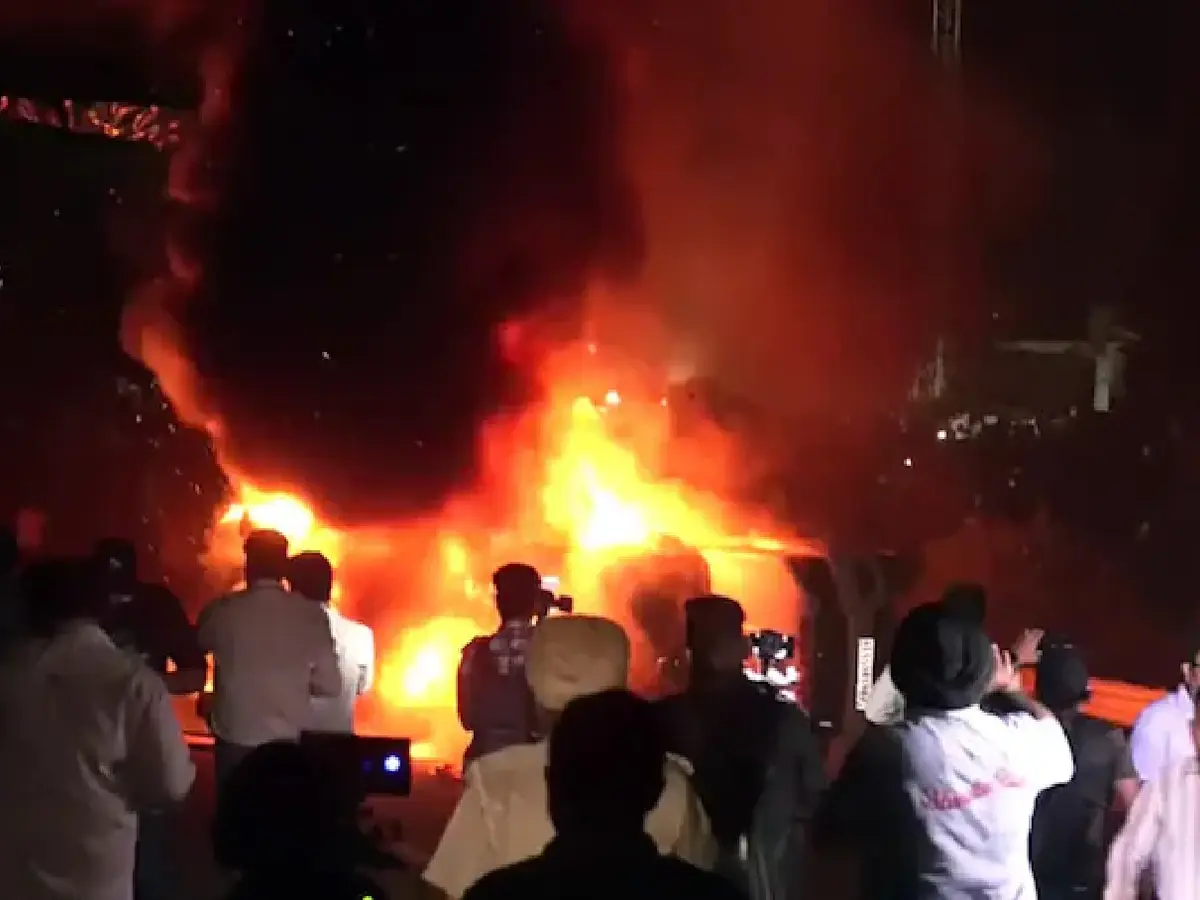
Women’s Safety Debate Intensifies After Alleged LPU Campus Incident
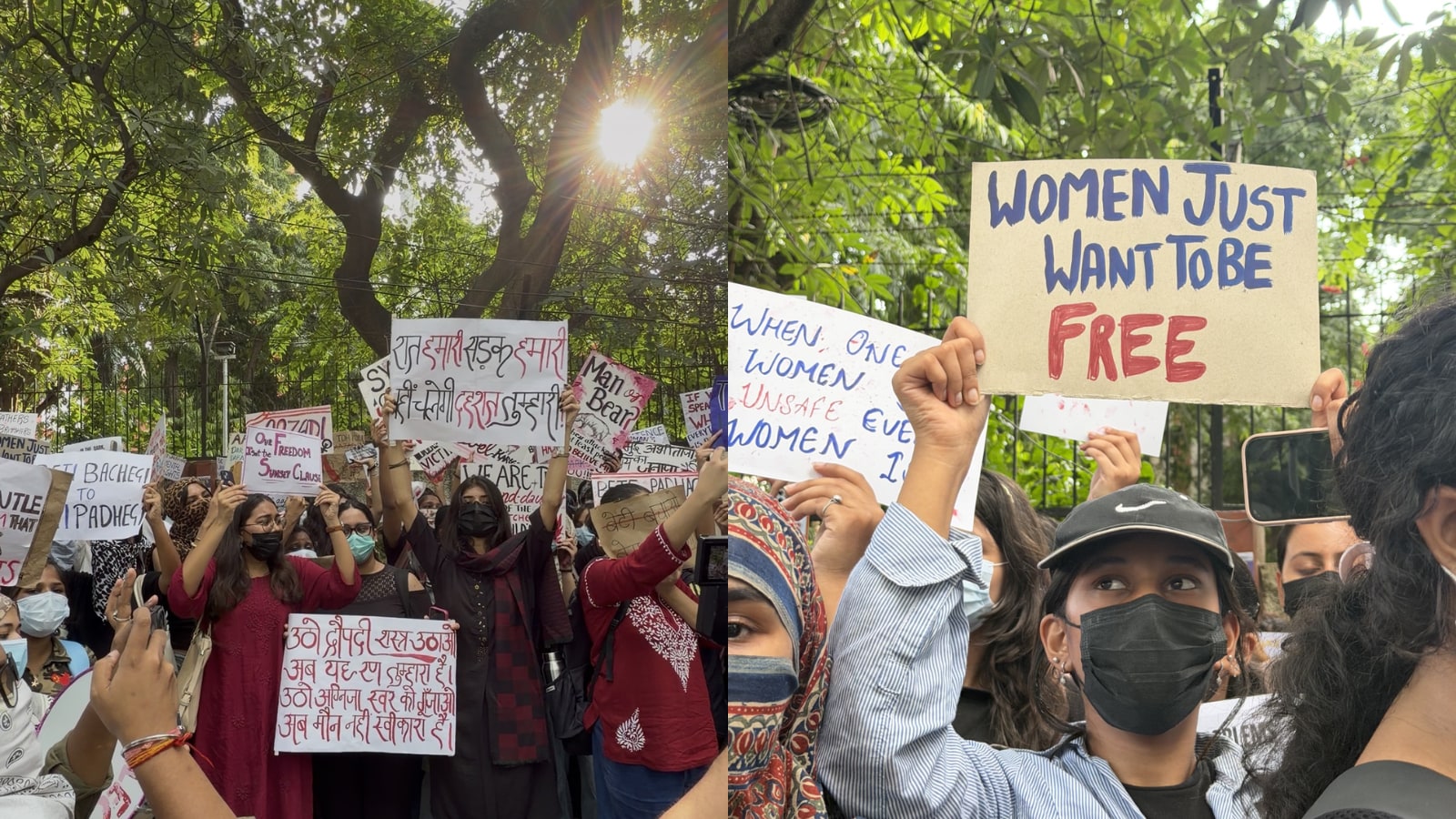
Delhi College Students March for Safety and Freedom From Fear

SFI Students March in Delhi, Demand Safer Public Spaces
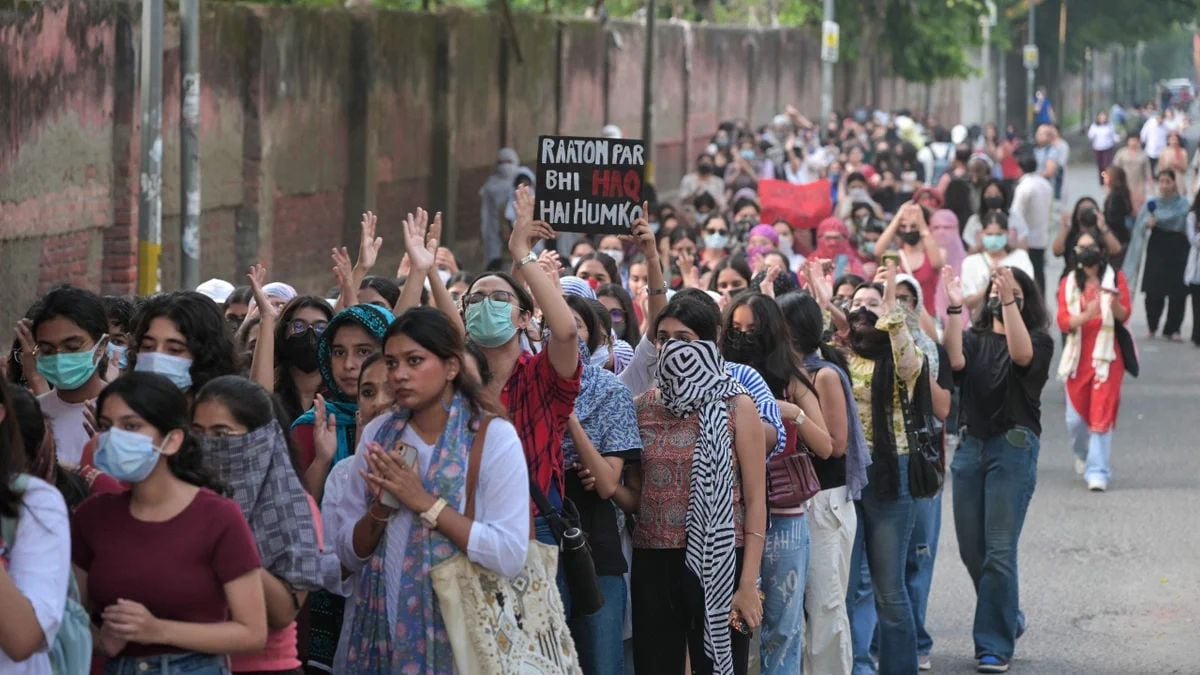
Air Pistols Cannot Solve India’s Violence Against Women Crisis
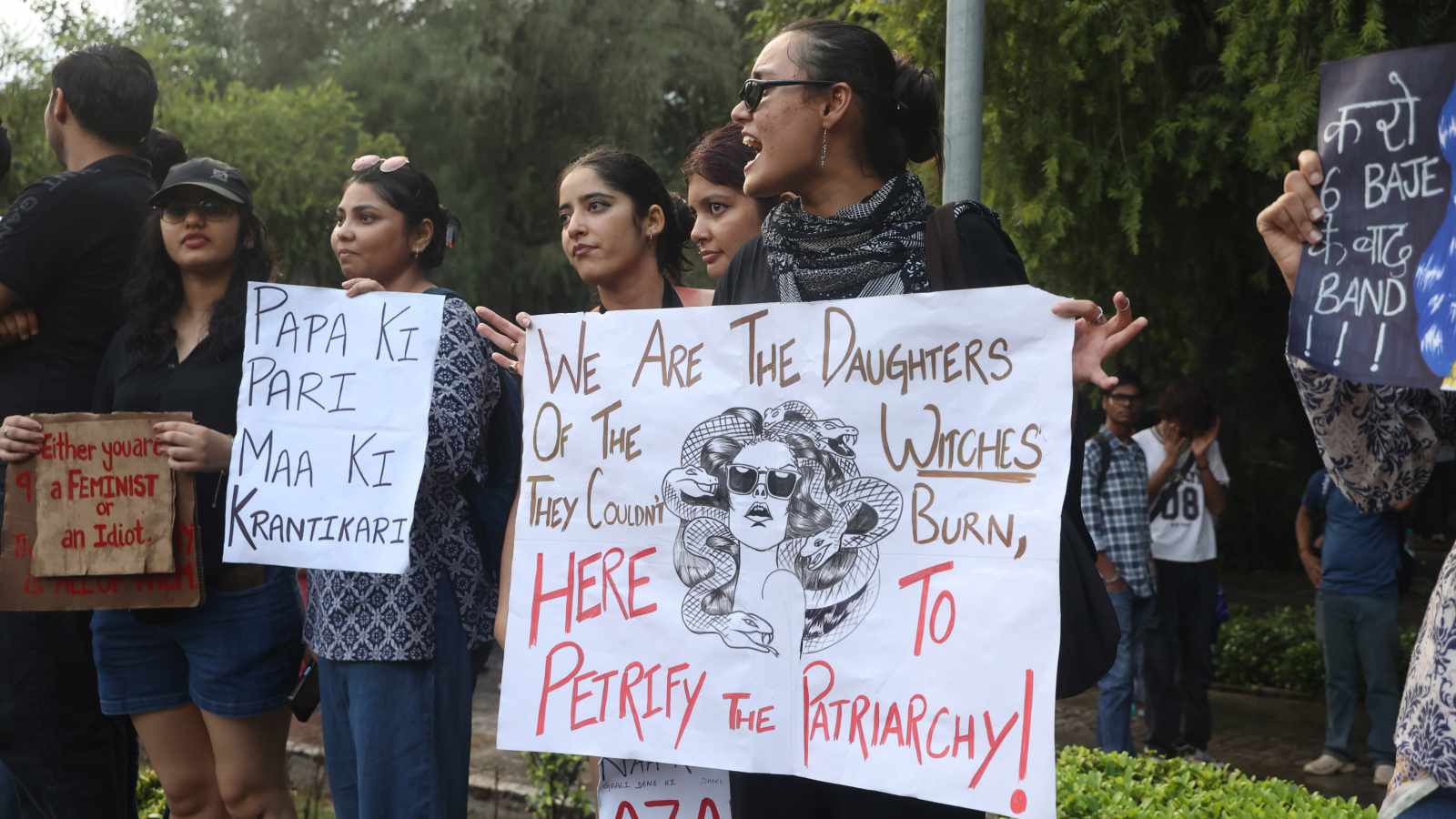
Women’s Safety Requires Reformed Streets, Not Restricted Movement

Khushboo Patani Urges Girls to Carry Air Pistols