

2 hrs ago
Women’s Safety Requires Access, Accountability and Shared Responsibility
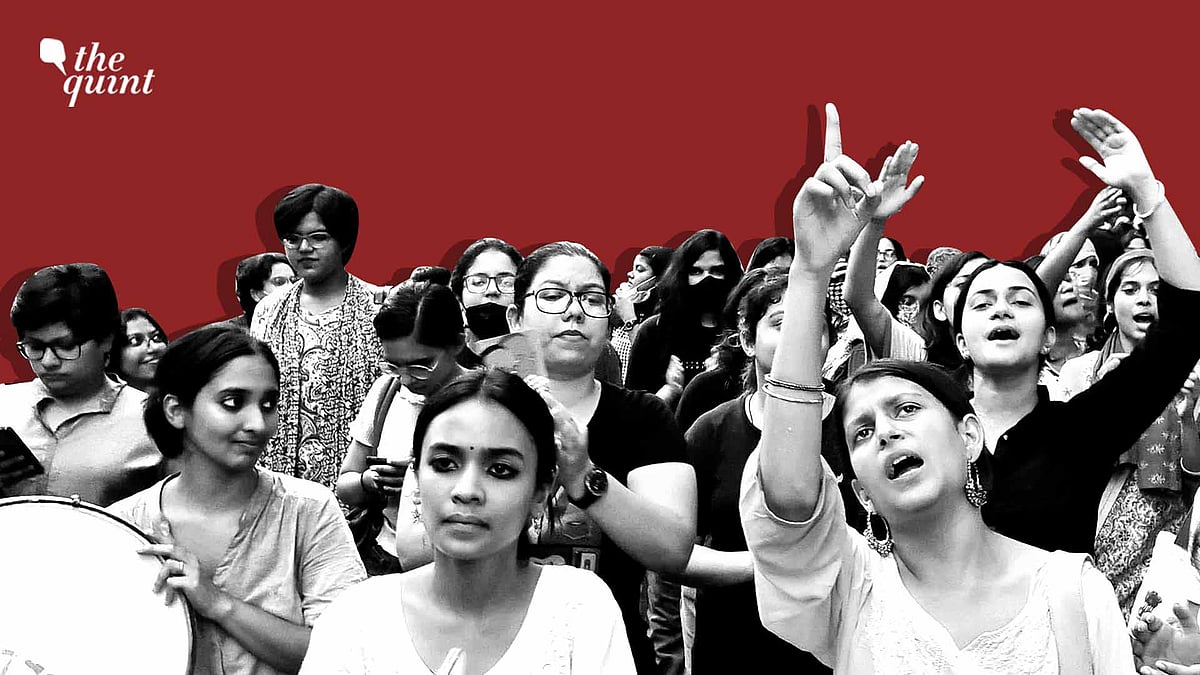
The article says many women want public places to be safer.
The author says women often feel safer where other women and families are present.
So, keeping women out of public places may make them feel less safe, not more.
Women also avoid places where they hear that violence has happened.
When fewer women use those places, they can seem even more frightening.
The author says communities should create more chances for women and families to gather there safely.
The article also says women should not be blamed for violence because of where they go, what they wear, or when they are out.
Instead, attention should focus on people who commit violence and on making public spaces safer.

The author says a generation of independent women is demanding change in a patriarchal society.
Women surveyed through the Phree For Safety app say spaces with women and families feel safer.
The author argues that restricting access to public spaces works against women’s safety.
Women may avoid places with histories of violence, creating a cycle of reduced presence and increased fear.
The author calls for bringing women back into public spaces and focusing accountability on perpetrators rather than women.
- Who
- Women, public-space stakeholders, and the Delhi government.
- What
- An argument that women’s safety depends on welcoming women into public spaces and holding perpetrators accountable, rather than restricting or blaming women.
- Where
- Public spaces in India, including those affected by the Delhi government’s actions.
- When
- The article refers to a recent push by the Delhi government; no date is given.
- Why
- The author says women’s presence can make spaces feel safer, while violence and restrictions can drive women away and reinforce fear.
Encourage women’s presence
Restrict access as a safety measure
How to make public spaces safer
Encourage women’s presence
The author argues that women and families should be encouraged to occupy public spaces, since their presence is associated with a greater perception of safety.
Restrict access as a safety measure
The article describes a recent push by the Delhi government to restrict women and others from accessing public spaces, but does not give the government’s rationale.
Who bears responsibility for safety
Encourage women’s presence
The author rejects victim blaming and says attention should be directed toward perpetrators and accountability.
Restrict access as a safety measure
The article says women are often told to change where they go, what they wear, when they are out, and how they behave, but does not present a defense of that approach.
Key facts
- Data source cited
- The author says Phree For Safety has access to thousands of women’s perceptions and experiences of public spaces.
- Safety factor
- Women perceive spaces occupied by other women and families as safer.
- Another safety factor
- A space’s history of violence and crimes against women influences whether women perceive it as unsafe.
- Cycle described
- Violence can lead women to avoid an area; their reduced presence can make it feel even less safe.
- Proposed response
- Create opportunities for women and families to occupy public spaces through gatherings, events, and community activities.
- Accountability
- The author argues that victim blaming shifts attention away from people who commit violence.
Sources
Related news
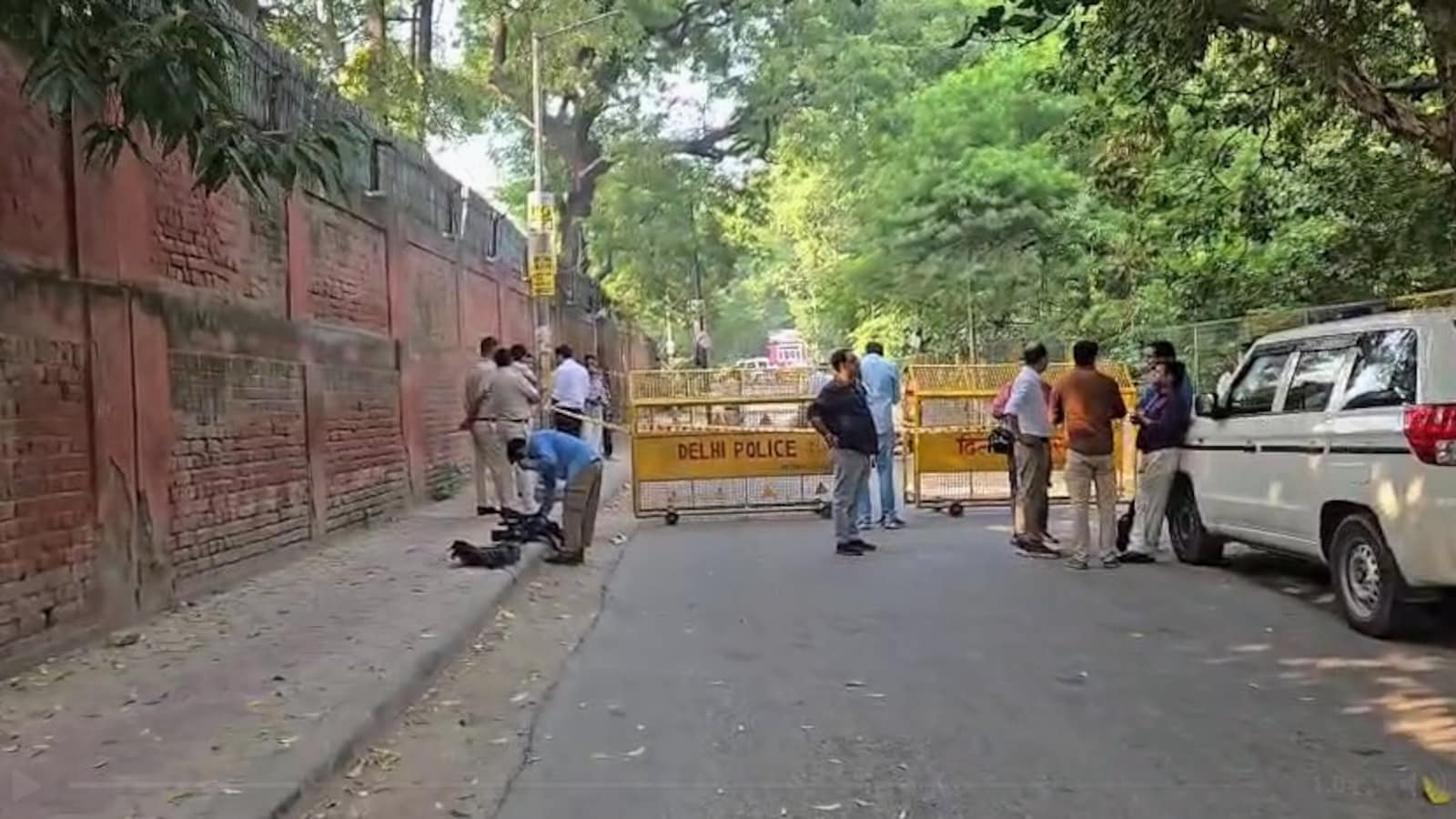
Why Women’s Public-Space Rights Remain Unfinished in Delhi
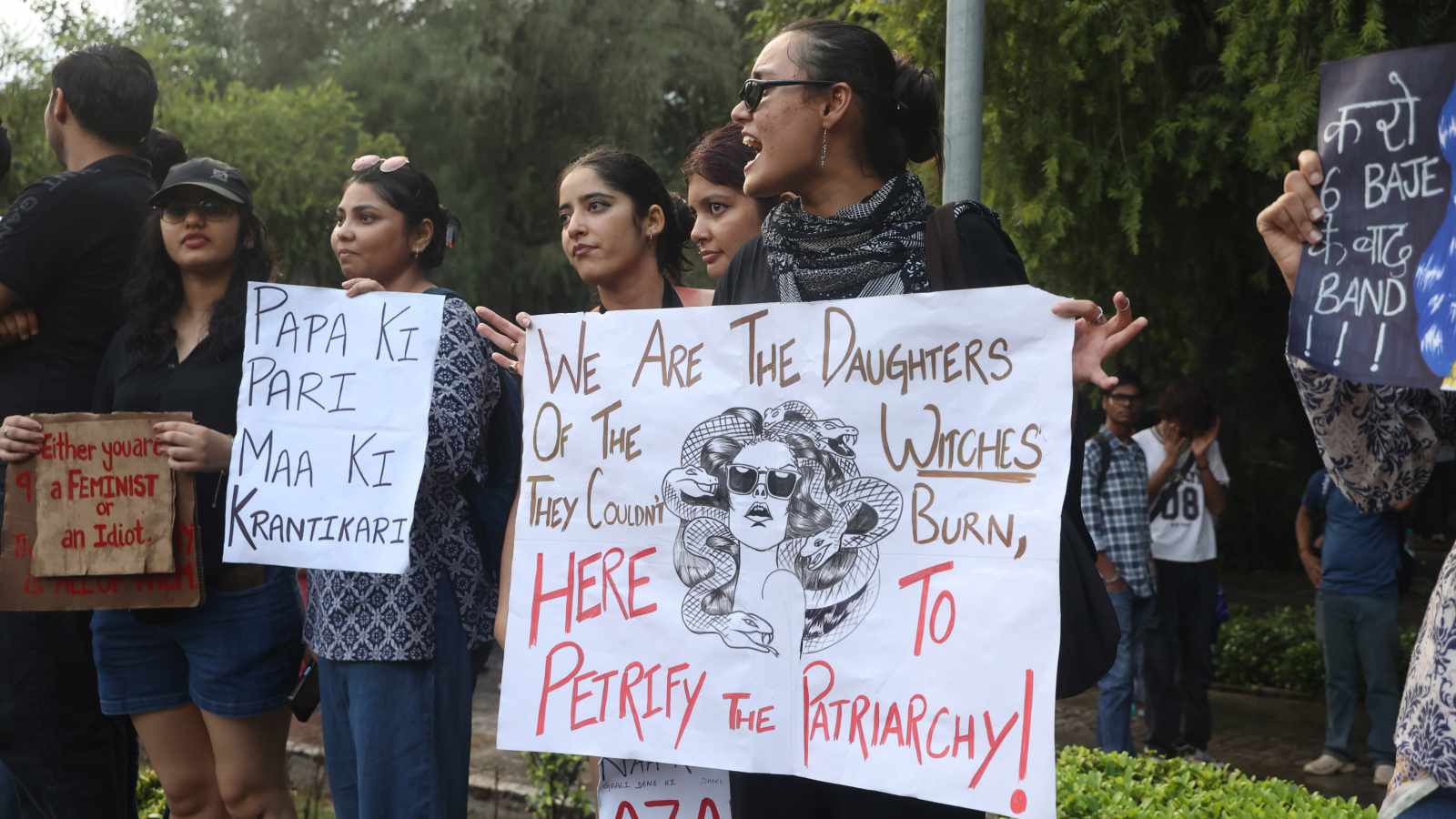
Women’s Safety Requires Reformed Streets, Not Restricted Movement

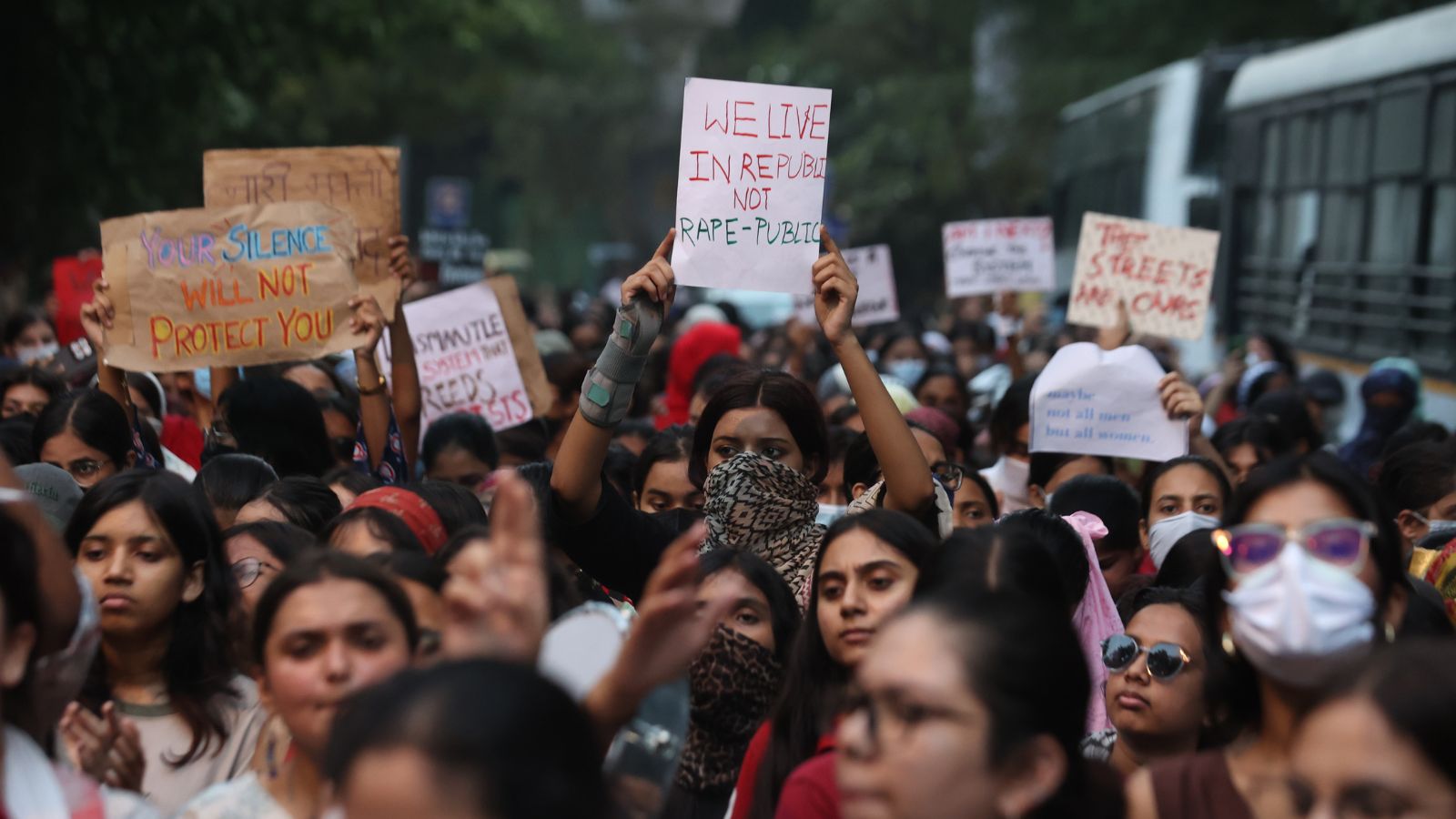
Students Demand Safer Public Spaces After Alleged Rape Near LSR
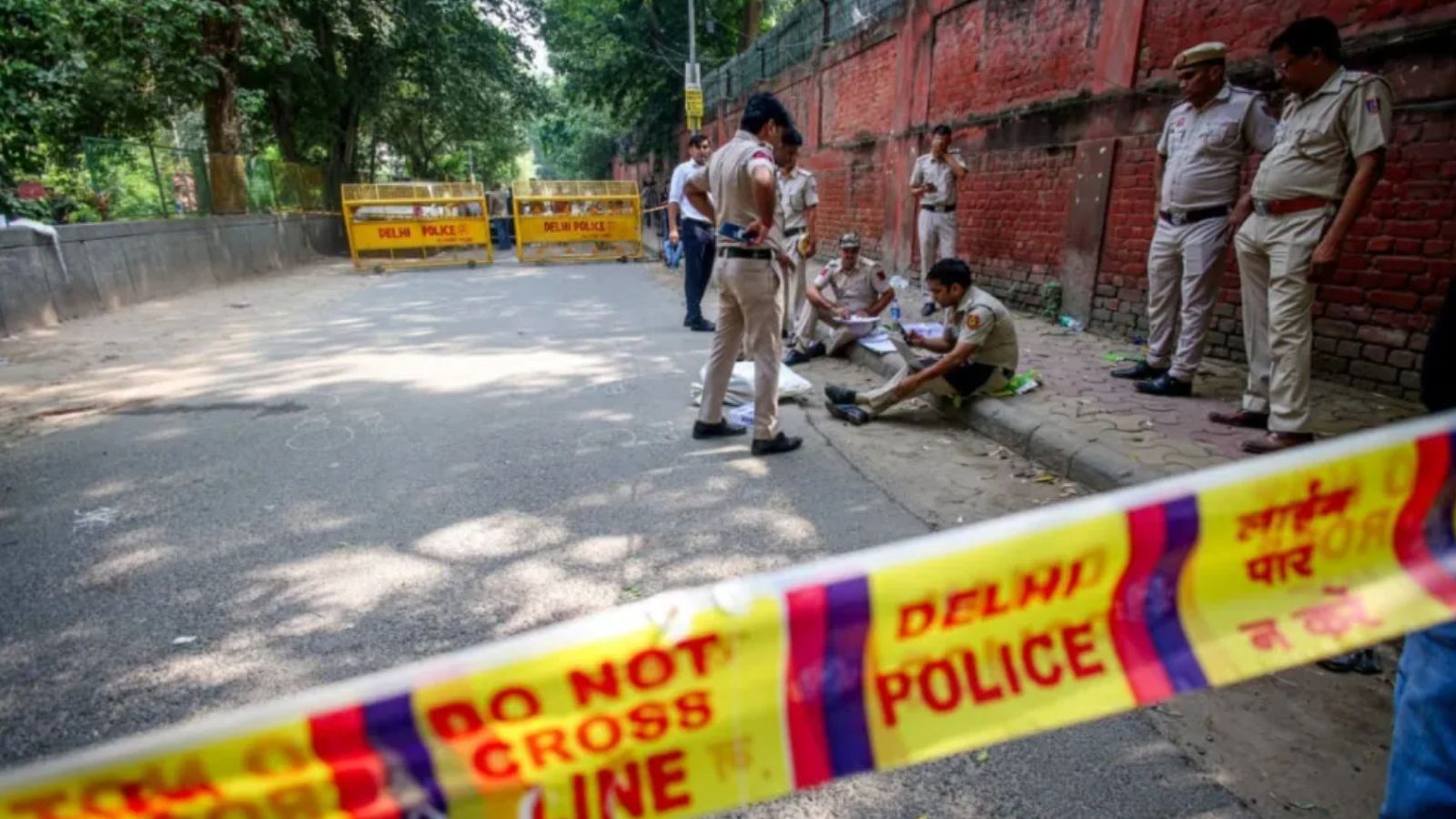
LSR Students Demand Safety After Rape and Shooting
Women’s Safety Policies Leave Gaps Between Intent and Reality
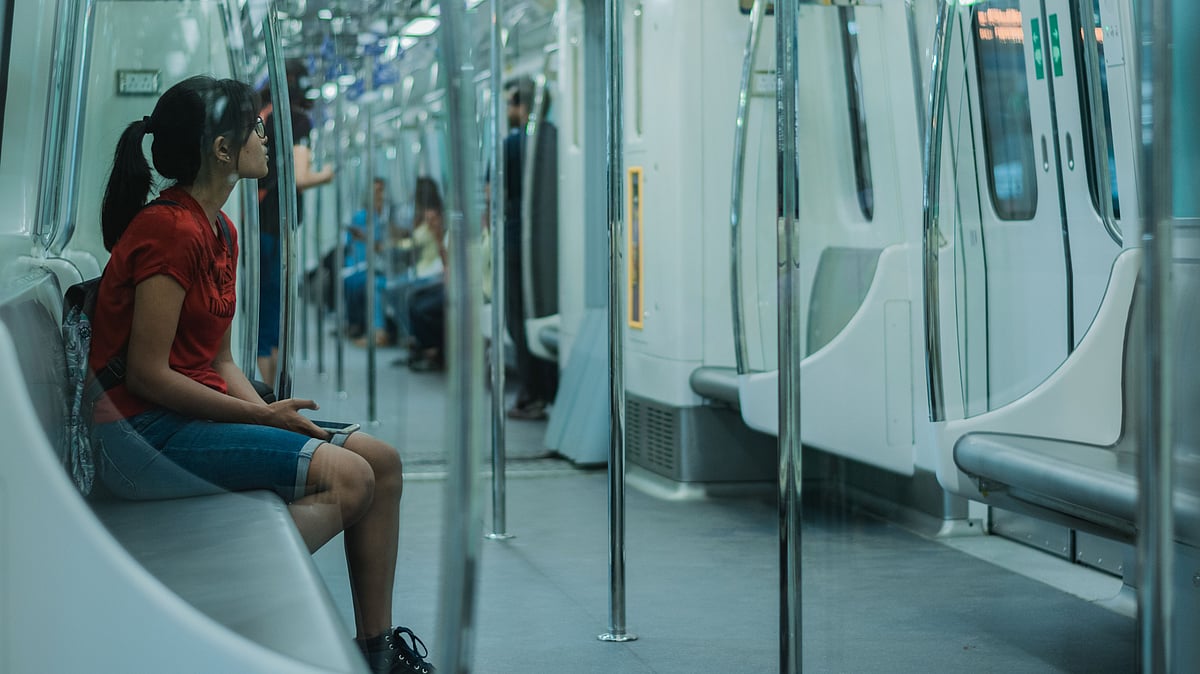
Supreme Court Urges Prevention to Improve Women’s Safety in Delhi

Opposition Leaders Detained During Protest, Call for Protest 3.0

Delhi’s October Air Quality Worst First Week Since 2023

INDIA Bloc Demands Delhi Voter Roll Revision Be Cancelled

Delhi Commission Awards Woman Rs 65,000 Over Rhinoplasty Outcome