2 days ago
Supreme Court Refuses to Halt CJP's September 5 Protest March

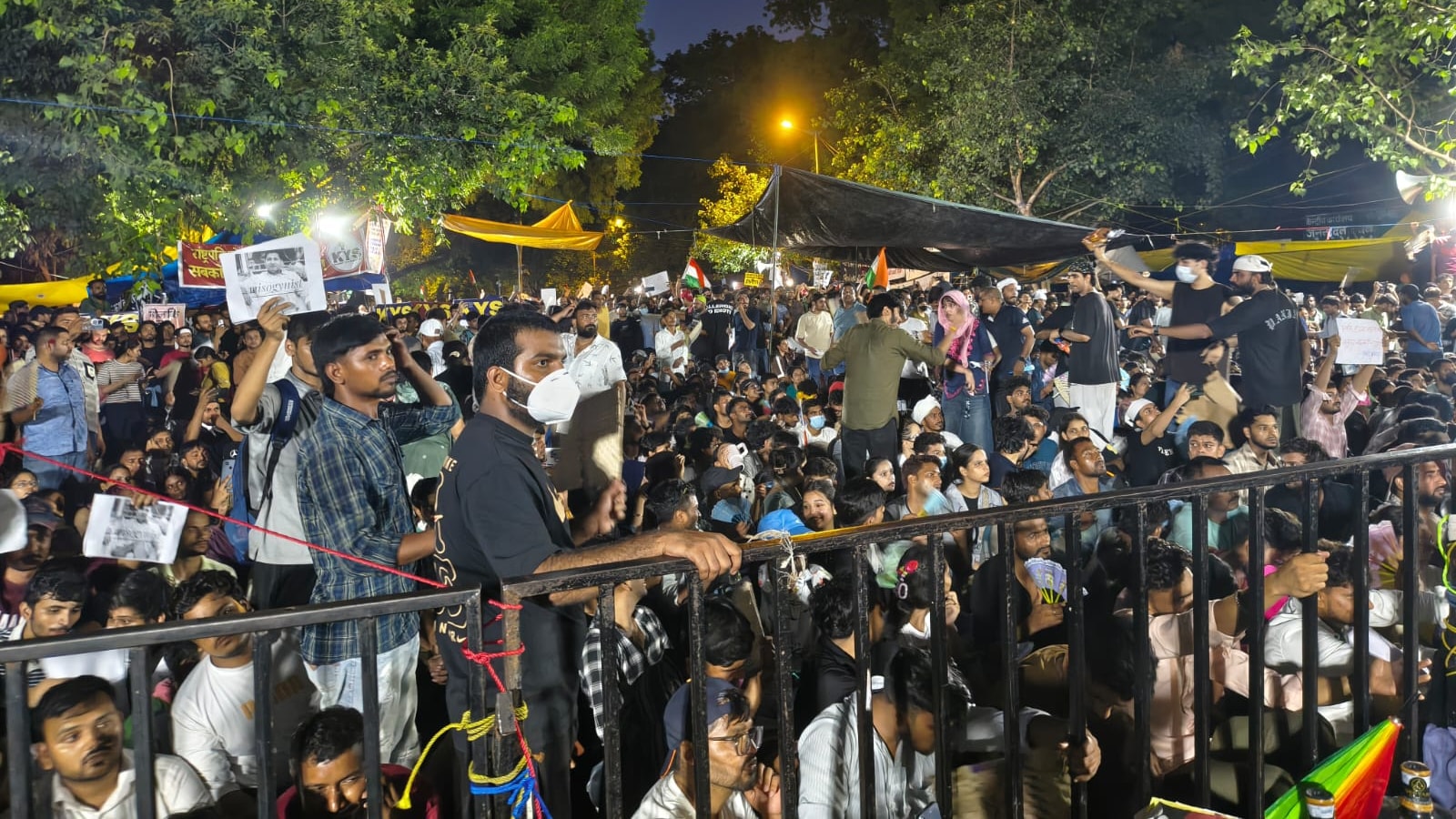
The Supreme Court was asked to stop a protest march planned by the CJP for September 5.
The court decided not to stop it for now.
The Chief Justice said there was no strong enough reason for the court to intervene.
He said the march raised law-and-order concerns.
He also said it involved policy questions.
Those questions should be discussed by the relevant stakeholders.
The court left open the possibility of reconsidering the matter.
A new request could be made if something dangerous or alarming happens.

The Supreme Court refused to stop the CJP's protest march scheduled for September 5.
The Chief Justice said there were no compelling circumstances for court interference.
The court described the matter as involving law-and-order issues.
The Chief Justice said the issue also involved policy considerations.
The petitioner may file a fresh application if an untoward or alarming incident occurs.
- Who
- The Supreme Court, the Chief Justice, the CJP, and the petitioner.
- What
- The Supreme Court refused to stop the CJP's September 5 protest march.
- Where
- Not specified.
- When
- The march was scheduled for September 5; no year was specified.
- Why
- The court found no compelling circumstances for intervention and said the matter involved law-and-order and policy considerations.
Key facts
- Court decision
- The Supreme Court declined to stop the protest march.
- Scheduled date
- September 5
- Court's stated reason
- There were no compelling circumstances to interfere.
- Issue identified
- The court said the matter involved law-and-order issues.
- Policy dimension
- The Chief Justice said policy considerations were also involved.
- Possible further action
- The petitioner may approach the court again if an untoward or alarming incident occurs.
Quotes

Chief Justice of India
The Chief Justice of India who delivered the court’s position on the matter
“As of now, there are no compelling circumstances for us to interfere”
 timesnownews.com
Sources
Related news

Supreme Court Leaves CJP September 5 March To Authorities

Supreme Court Declines Ban on CJP’s September 5 Delhi March
Supreme Court Declines to Halt CJP September 5 March

Centre Assures Withdrawal of Student Protest Cases; CJP Cancels March
Delhi Police Says CJP Lacks Permission for September 5 March