1 week ago
Tirupati's unchecked flexes threaten safety, revenue and environment

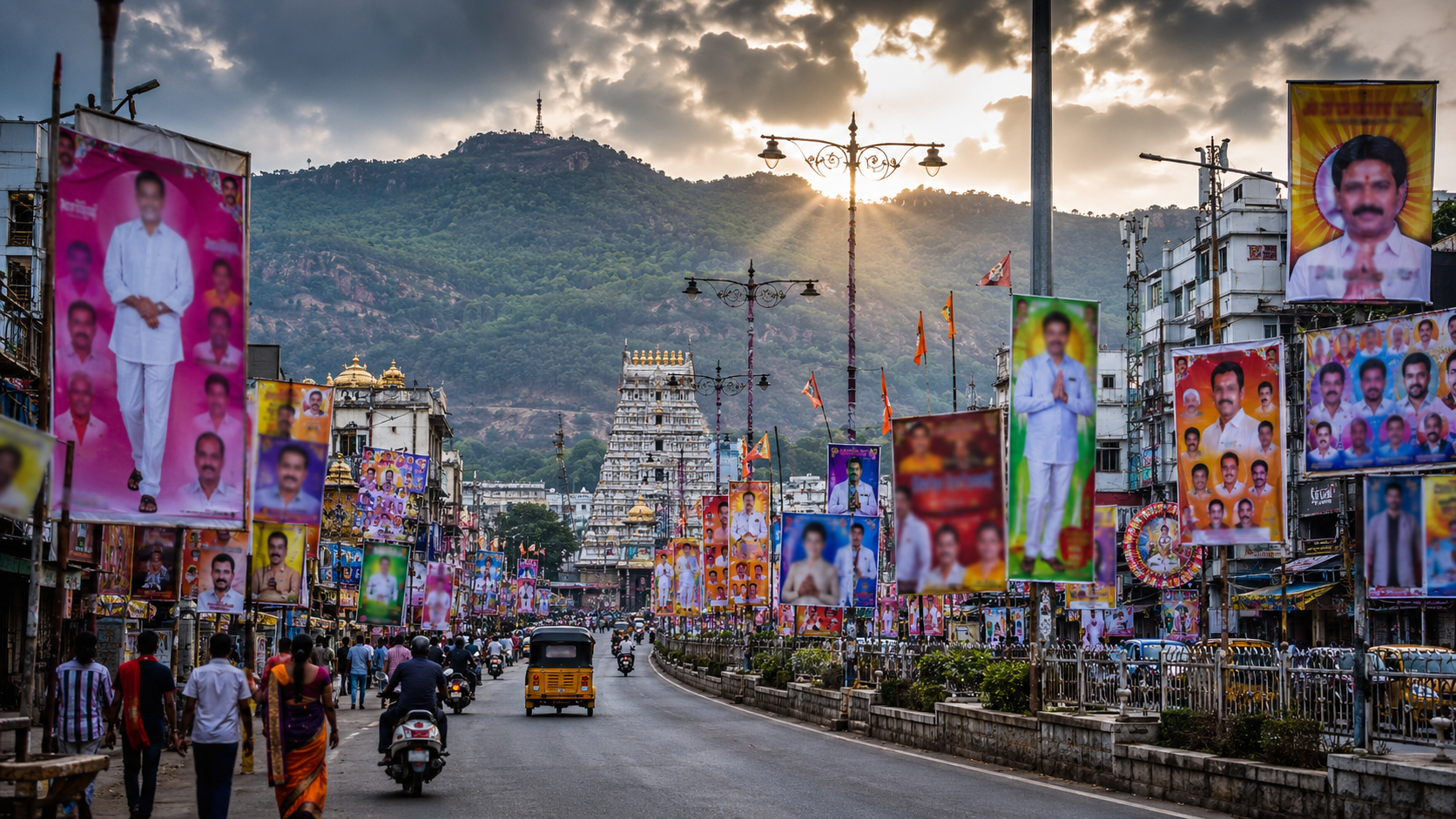
Tirupati has many banners and flex boards placed around the city.
They advertise political events, religious programmes, birthdays, businesses and private functions.
People say the boards make the pilgrim city look untidy.
Some boards may also distract drivers and create safety risks.
The municipal corporation is collecting much less advertising money than it could.
Some advertising companies have disputed the city’s higher fees in court.
Old flex material can take a long time to break down and may block drains.
Residents and activists want officials to remove illegal boards and control new ones more strictly.

Flex boards and banners cover major roads, junctions, temples and other public locations across Tirupati.
Residents say the displays damage the pilgrim city’s appearance, distract motorists and raise road-safety concerns.
Tirupati Municipal Corporation could collect about Rs 11 crore annually from outdoor advertising but reportedly receives less than Rs 1.50 crore.
Advertising agencies have challenged revised municipal charges introduced in 2016, while some operators allegedly have unpaid or nominal fees.
Activists and residents say discarded flex material pollutes the city and clogs drains, calling for stricter regulation and monitoring.
- Who
- Tirupati residents, civic authorities, advertising agencies, environmental groups and CPM leader Kandarapu Murali are involved in the concerns and debate.
- What
- Unchecked flex boards, banners, hoardings and other outdoor advertising are being displayed across Tirupati, allegedly affecting appearance, safety, revenue and the environment.
- Where
- Across Tirupati, including the Alipiri entrance to Tirumala, Kapila Theertham, the railway station, bus stand and several temples.
- When
- The municipal advertising rates were substantially revised in 2016; the current concerns cover ongoing displays and revenue collection.
- Why
- Residents and activists want unauthorised advertising controlled because the displays reportedly distract motorists, reduce municipal revenue, create pollution and harm the city’s visual appeal.
Residents and civic critics
Advertising agencies
Municipal regulation
Residents and civic critics
Residents, activists and CPM leader Kandarapu Murali want authorities to strictly regulate outdoor advertising, remove unauthorised displays and strengthen monitoring.
Advertising agencies
Several advertising agencies challenged the revised 2016 charges in court, saying the rates were unaffordable.
Fees and compliance
Residents and civic critics
Critics point to banners without visible permission or fee-payment details and say incomplete payments are reducing municipal revenue.
Advertising agencies
Some operators have reportedly paid only nominal amounts or have not fully cleared prescribed fees amid the dispute over advertising charges.
Impact of flex displays
Residents and civic critics
Residents and environmental advocates say the boards harm Tirupati’s appearance, distract motorists, create pollution and clog drains.
Advertising agencies
The articles report that agencies continue to serve commercial, educational and medical demand, but do not provide a detailed public response to the environmental and safety criticisms.
Key facts
- Potential annual advertising revenue
- About Rs 11 crore
- Reported actual annual revenue
- Below Rs 1.50 crore
- Banner fee
- Up to Rs 150 per square foot
- Rate revision
- Municipal advertising charges were substantially revised in 2016.
- Display locations
- Major roads, junctions, narrow streets, public transport sites and prominent temples
- Reported advertising issue
- Some cantilevers are alleged to exceed permitted limits, with the actual number believed to be nearly twice the authorised figure.
- Environmental concern
- Flex material takes a long time to decompose and discarded material may clog drains and accumulate at garbage points.
Quotes
Kandarapu Murali
CPM leader
“The unchecked use of flexes was particularly inappropriate in Tirupati, which receives more than one lakh devotees daily, adding to pollution, clogging drains and accumulating at garbage points.”
 thehansindia.com
Sources
Related news
Tirupati Roads Face Banner Clutter, Raising Spiritual Concerns

CSMC Fines Businesses ₹1.5 Lakh in Illegal Advertising Drive
Probe Finds Nearly 400 Illegal Hoardings, KDMC Loses ₹60 Crore

Mumbai Orders Probe Into Digital Hoarding Permissions And Safety
Cyberabad Corporation Intensifies Drive Against Unauthorised Public Posters
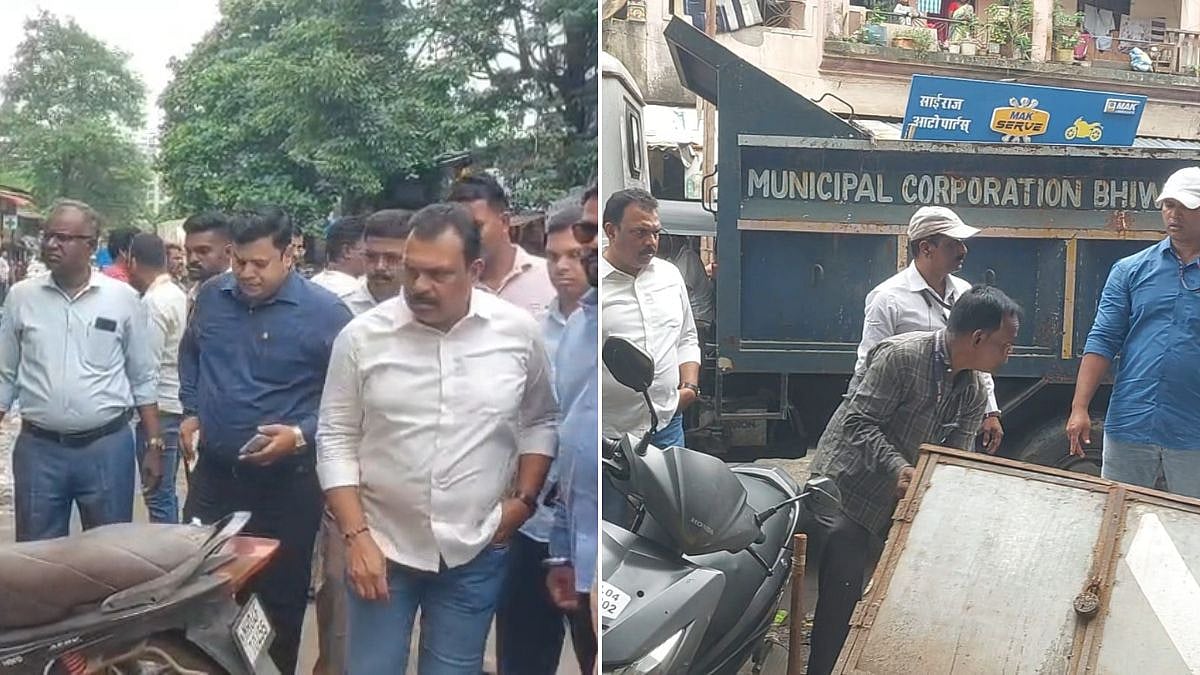
BNCMC launches citywide anti-encroachment drive, warns shopkeepers of fines

SVIMS to Open Eight-Bed Paediatric ICU in Tirupati

Naidu Orders Speedy Construction of 5,000 Temples in Andhra Pradesh

ACB Raids TTD Deputy EO Lokanatham in DA Case

Spice Lounge Launches Food Division, Targets ₹1,200 Crore Revenue
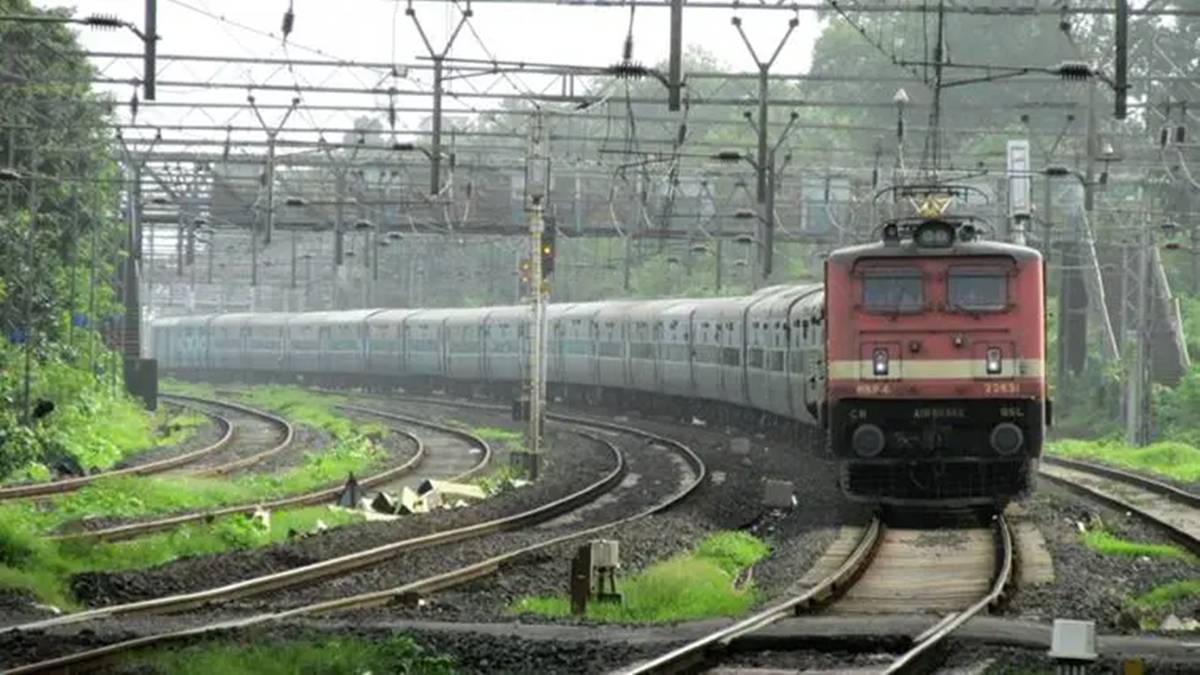
Railway Announces Charlapalli–Tiruchanur Special Trains for September Rush