5 days ago
Nepal Faces Second Flood Threat From Tibetan Barrier Lake
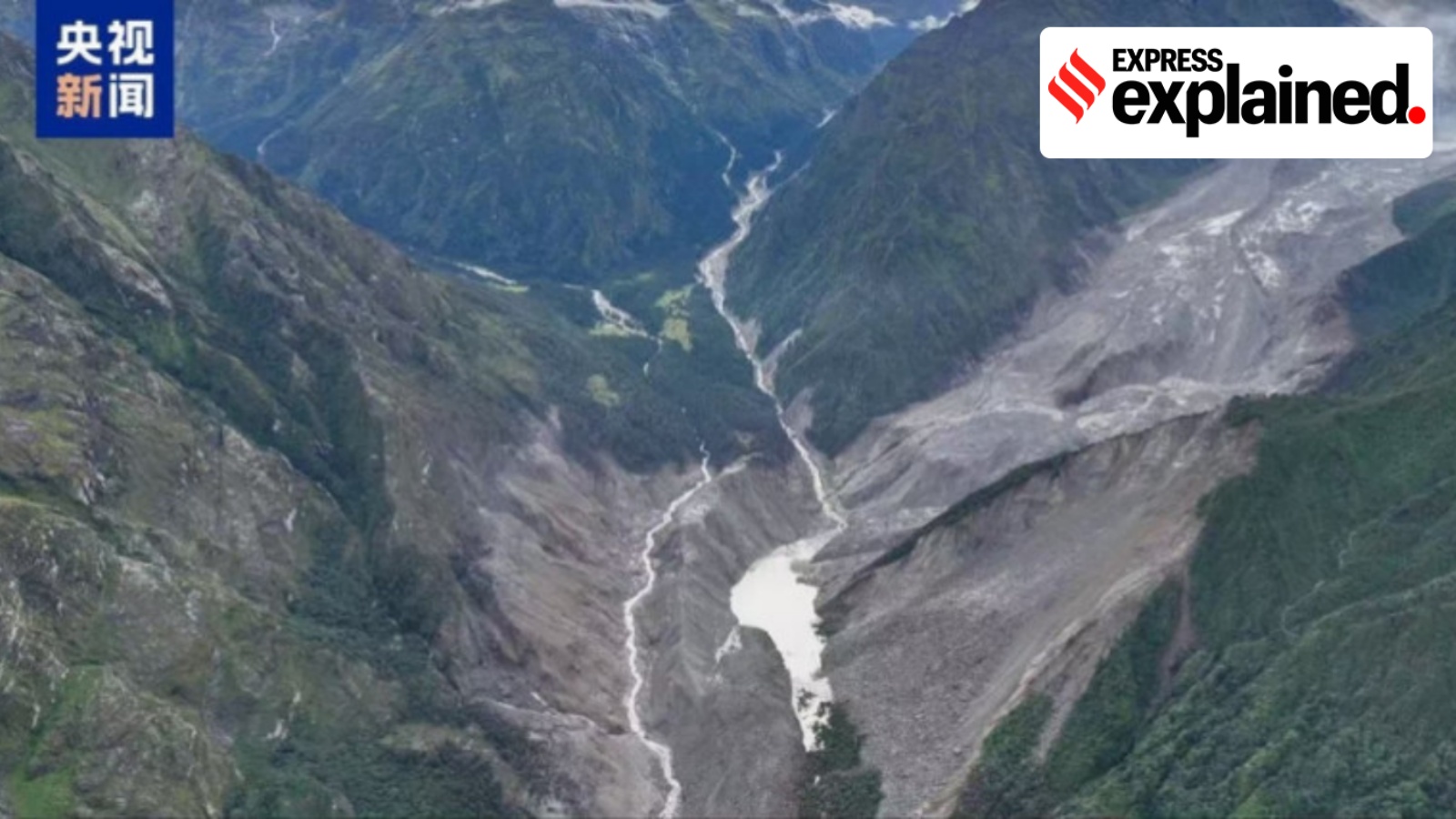
A large pile of ice, rocks and dirt blocked two rivers near Nepal and Tibet.
Water collected behind this blockage and formed a temporary lake.
Scientists usually call this a landslide dam or landslide lake.
If the blockage breaks, a huge amount of water could rush downstream very quickly.
The flood could carry mud and rocks and cause more landslides.
Nepal had already suffered a deadly flood, so officials are worried about another one.
Nepal Police told rescuers and other people to move away from dangerous areas.
China sent engineers to study the lake and consider making a channel to drain it safely.
Reports said the lake may already have breached, but the situation remained a serious threat.

A debris blockage formed on the Tibetan side after a likely glacier collapse triggered Nepal’s deadly flooding.
The resulting barrier lake, or landslide dam, contained an estimated 1.5–2 million cubic metres of water.
Officials warned that a breach could release millions of cubic metres downstream, causing severe flooding and landslides.
Nepal Police urged rescue workers and the public to move to safety; reports said rescue operations were suspended near the border.
China deployed an eight-member engineering team to survey the lake and assess whether a drainage channel could reduce the risk.
- Who
- Nepalese communities and rescue personnel are at risk, while Chinese engineers and Nepalese authorities are monitoring the lake.
- What
- A temporary barrier lake formed by ice-and-rock debris may have breached, creating a possible second flood threat.
- Where
- On the Tibetan side near the Nepal-Tibet border, at the confluence of the Chhochen and Purepu Tsangpo rivers.
- When
- The threat emerged after Wednesday’s deadly flooding, with further warnings and surveys reported on Friday.
- Why
- A likely glacier collapse caused an ice-and-rock blockage that trapped water, and continued inflow raised the risk of an uncontrolled release.
Key facts
- Estimated lake volume
- About 1.5–2 million cubic metres of water
- Reported lake dimensions
- Approximately 150 metres long and 40–50 metres deep
- Additional expected inflow
- About 3 million cubic metres over three days, according to China Central Television
- Main hazard
- A landslide lake outburst flood carrying water and debris downstream
- China’s response
- An eight-member engineering team conducted aerial surveys and 3D modelling
- Possible mitigation
- Engineers said a drainage channel could be excavated through a lower point of the dam
- Current uncertainty
- Nepal Police reported that a water barrier had breached, but the report did not definitively confirm whether it was the same lake
Quotes

Nepal Police
Nepal’s police force issuing a safety warning to rescue personnel and the public
“All security personnel, rescue workers and members of the public involved in rescue and relief operations are requested to remain alert immediately and move to, or inform others to move to, a safe location.”
 indianexpress.com
Sources
Related news
China Warns Nepal Barrier Lake Could Breach Within 72 Hours
Shrinking Barrier Lake Keeps Nepal On Flood Alert
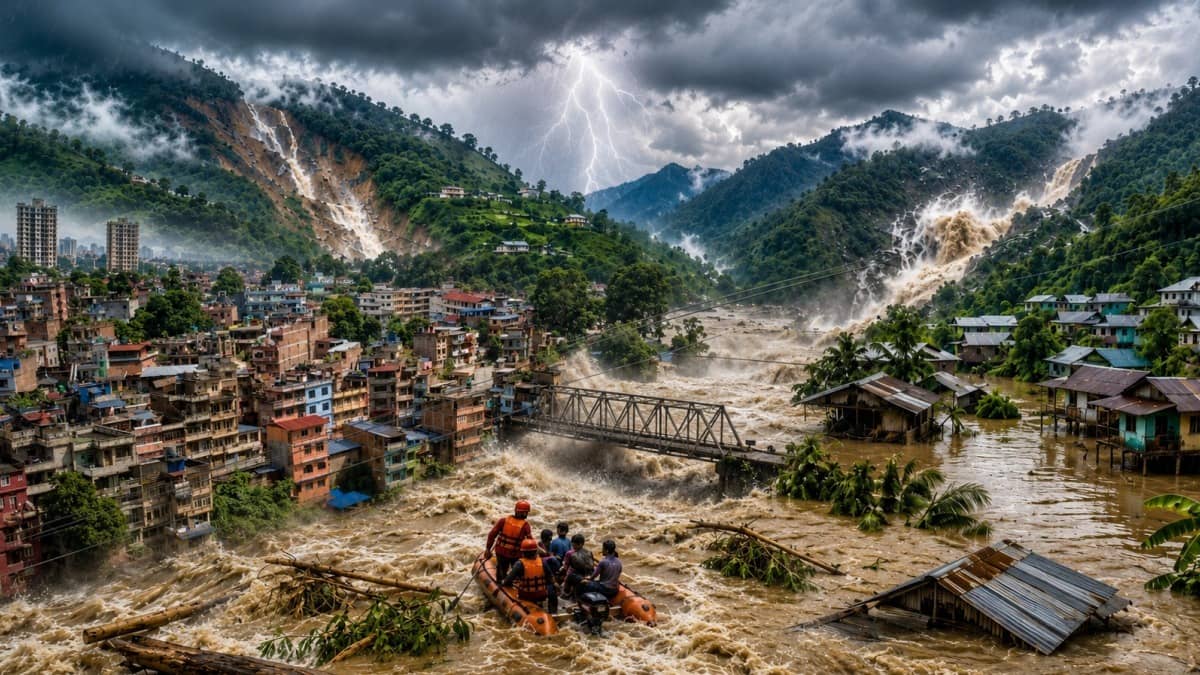
China Warns New Barrier Lake Could Trigger Another Nepal Flood

New Barrier Lake Raises Second Flood Risk In Nepal
Environment Geography Quiz Covers Lakes, Passes, Birds and Solar Power

China Resumes Rescue Work as Border Barrier Lake Risk Eases
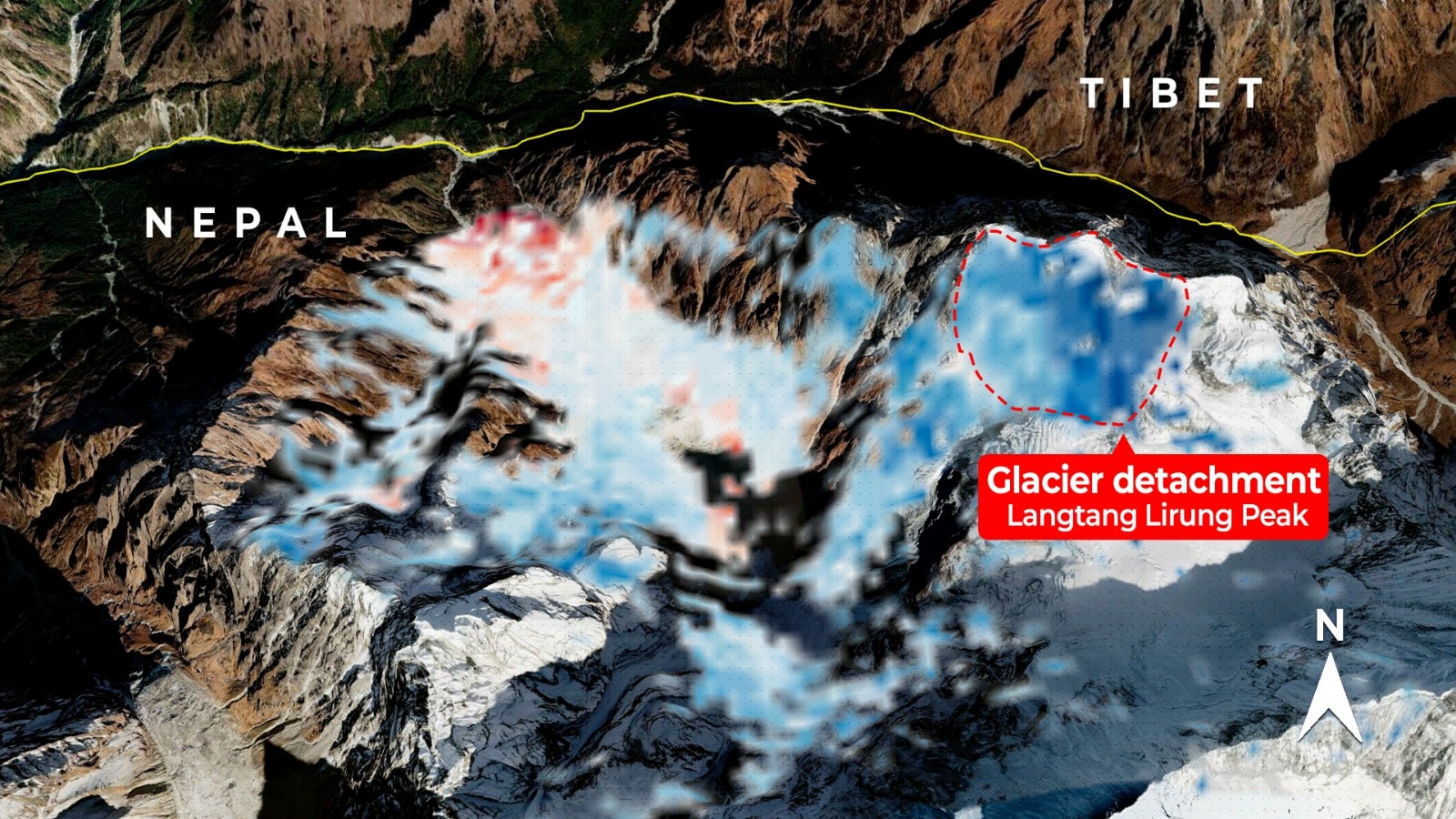
Satellite Radar May Strengthen Nepal's Flood Warning Systems
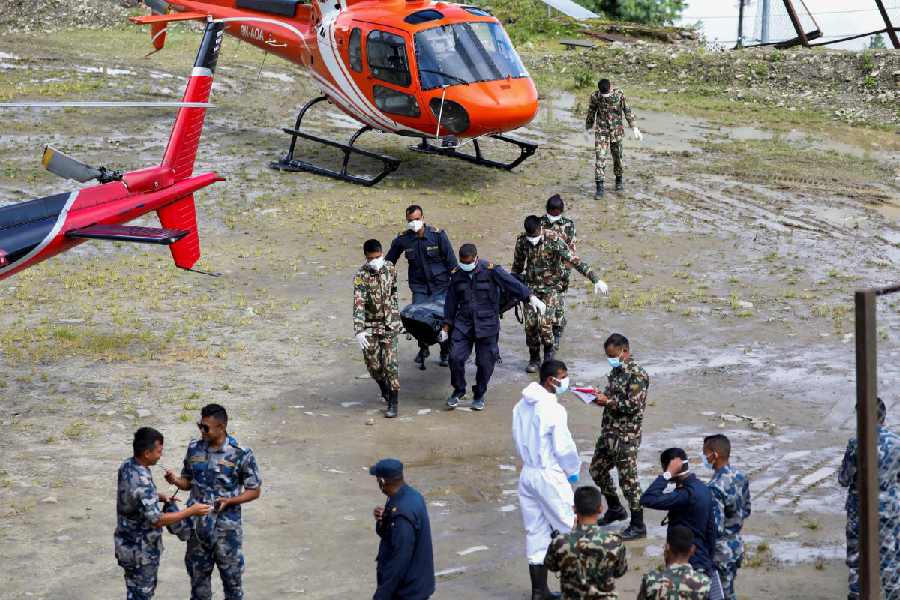
Nepal Plans New Landslide Warning System Along China Border

Nepal Thanks India as Glacial Disaster Rescue Efforts Continue
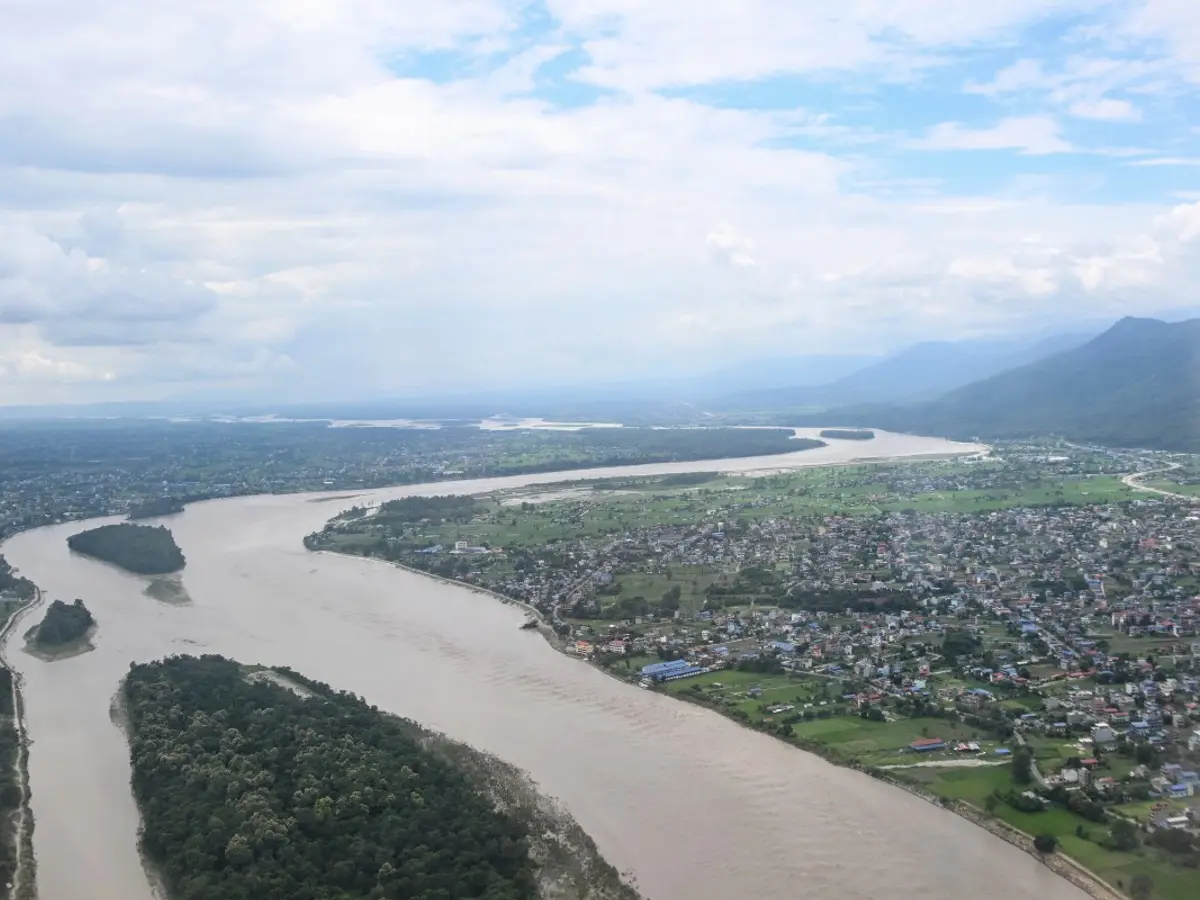
Nepal Warns of Heavy Rain After Deadly Floods
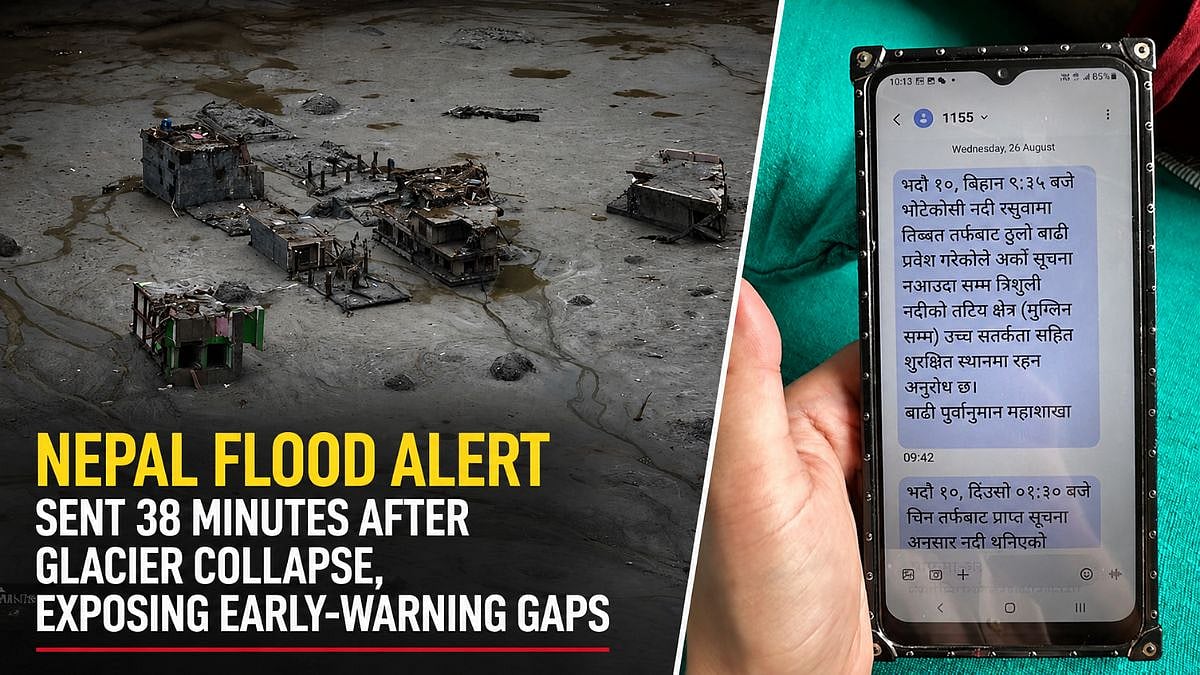
Nepal Flood Exposes Delayed Alerts and Cross-Border Warning Gaps