

2 weeks ago
I2U2, IMEC underscore India's growing strategic role in Middle East

A report says India is becoming a very important friend to countries in the Middle East.
India works together with the United States, Israel, the United Arab Emirates, and Saudi Arabia.
These countries want to build new trade routes and work together on new technology.
India is called a 'bridge' because it can connect countries that sometimes disagree with each other.
India and Israel have been partners for more than thirty years, working on things like farming, water, computer safety, and space.
The Gulf countries see India as a smart partner, not just a place to sell oil.
Saudi Arabia and the UAE are building new industries, and India's growth can help them.
India is also building up islands in the ocean to keep important shipping lanes safe.
The report says trade routes may one day connect the Mediterranean Sea all the way to Southeast Asia.

A Jerusalem Post report says I2U2 and IMEC highlight India's growing strategic role in the Middle East.
The report says economic corridors, technological partnerships, resilient supply chains and strategic connectivity are redefining the region's future.
India is positioned as one of the few countries capable of linking the United States, Israel, the UAE and, increasingly, Saudi Arabia.
The India-Israel partnership has broadened over three decades to include counterterrorism, intelligence sharing, cybersecurity, agriculture, water management, AI, space technology and healthcare.
India is investing heavily in the Andaman and Nicobar Islands as a strategic maritime hub overlooking the Strait of Malacca.
- Who
- India, Israel, the United Arab Emirates and the United States, with Saudi Arabia increasingly involved, according to a Jerusalem Post report.
- What
- I2U2 and the India-Middle East-Europe Economic Corridor highlight a growing convergence of economic integration and regional security, positioning India as a strategic bridge across the region.
- Where
- The Middle East, spanning India, Israel, the UAE, Saudi Arabia and the United States, with the Andaman and Nicobar Islands noted as a strategic maritime hub.
- When
- Not specified in the article.
- Why
- Washington seeks dependable partners to preserve regional stability while reducing its military involvement, and India is seen as able to engage across political divides without insisting on ideological convergence.
Key facts
- Report source
- The Jerusalem Post
- Diplomatic grouping
- I2U2 (India-Israel-United Arab Emirates-United States)
- Economic corridor
- India-Middle East-Europe Economic Corridor (IMEC)
- India-Israel partnership
- Broadened over the past three decades beyond defence procurement
- Cooperation areas
- Counterterrorism, intelligence sharing, cybersecurity, agriculture, water management, AI, space technology, healthcare and start-up ecosystems
- National initiatives
- Saudi Arabia's Vision 2030; Abu Dhabi's ambitions in advanced manufacturing and technology
- Strategic maritime hub
- Andaman and Nicobar Islands, overlooking the Strait of Malacca
- Broader vision
- Linking the Mediterranean to Southeast Asia through secure and resilient trade corridors
Quotes
Report in The Jerusalem Post
Authoritative analysis published in The Jerusalem Post
“"The Middle East's geopolitical landscape is no longer being shaped solely by military alliances or shifting balances of power. Today, economic corridors, technological partnerships, resilient supply chains, and strategic connectivity are redefining the region's future. At the centre of this transformation stands India, quietly emerging as one of the few countries capable of linking the United States, Israel, the UAE, and, increasingly, Saudi Arabia."”
 thehansindia.com
“"India is also investing heavily in the Andaman and Nicobar Islands as a strategic maritime hub overlooking the Strait of Malacca. Together with IMEC, this reflects a broader vision linking the Mediterranean to Southeast Asia through secure and resilient trade corridors."”
thehansindia.com
Sources
Related news

India-Israel partnership evolves into wider regional strategic network
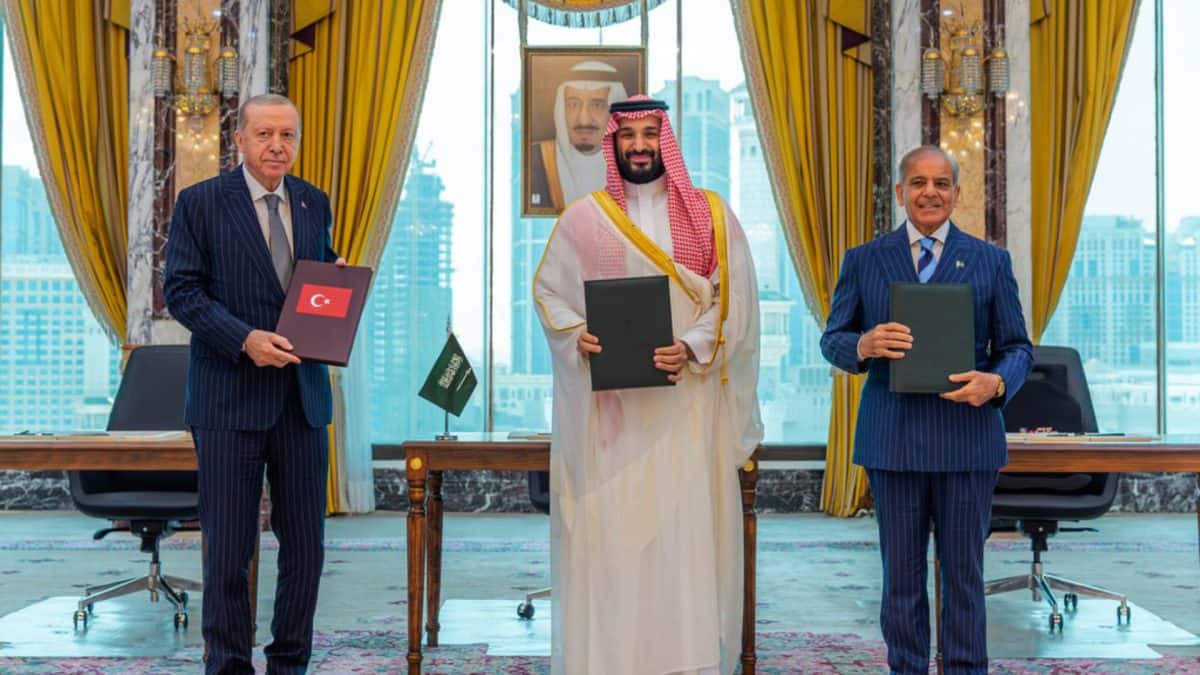
India-Israel-UAE-Japan 'new Quad' proposed to counter 'new Nato' pact
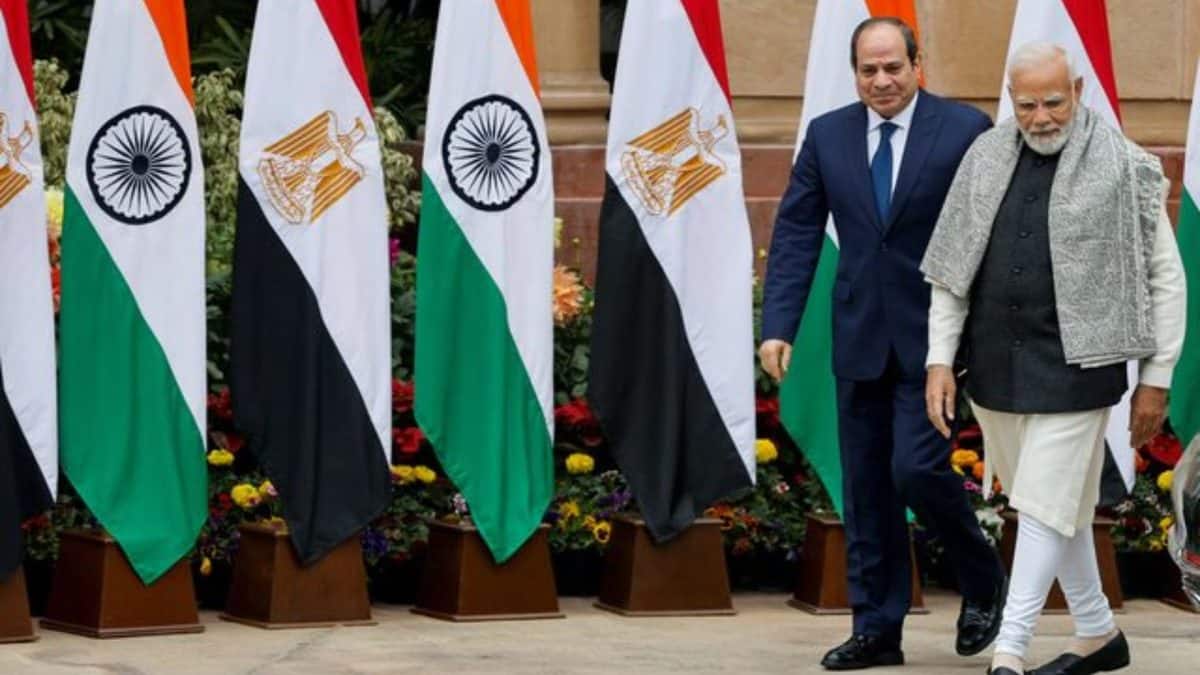
India-Egypt Convergence Could Strengthen BRICS and Global South
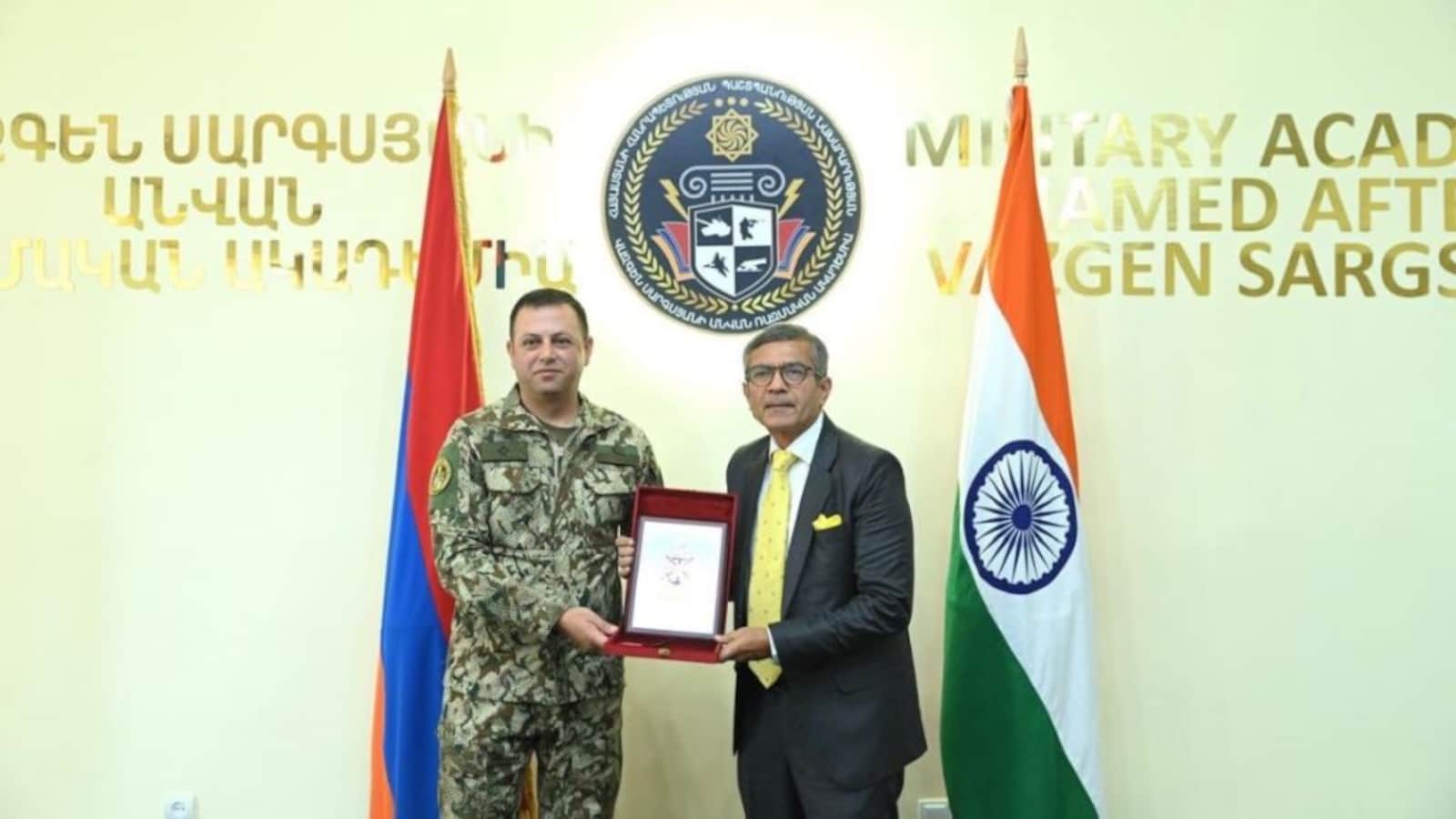
Why India Is Deepening Strategic Ties With Armenia

Israeli envoy: PM Modi played transformative role in India's development
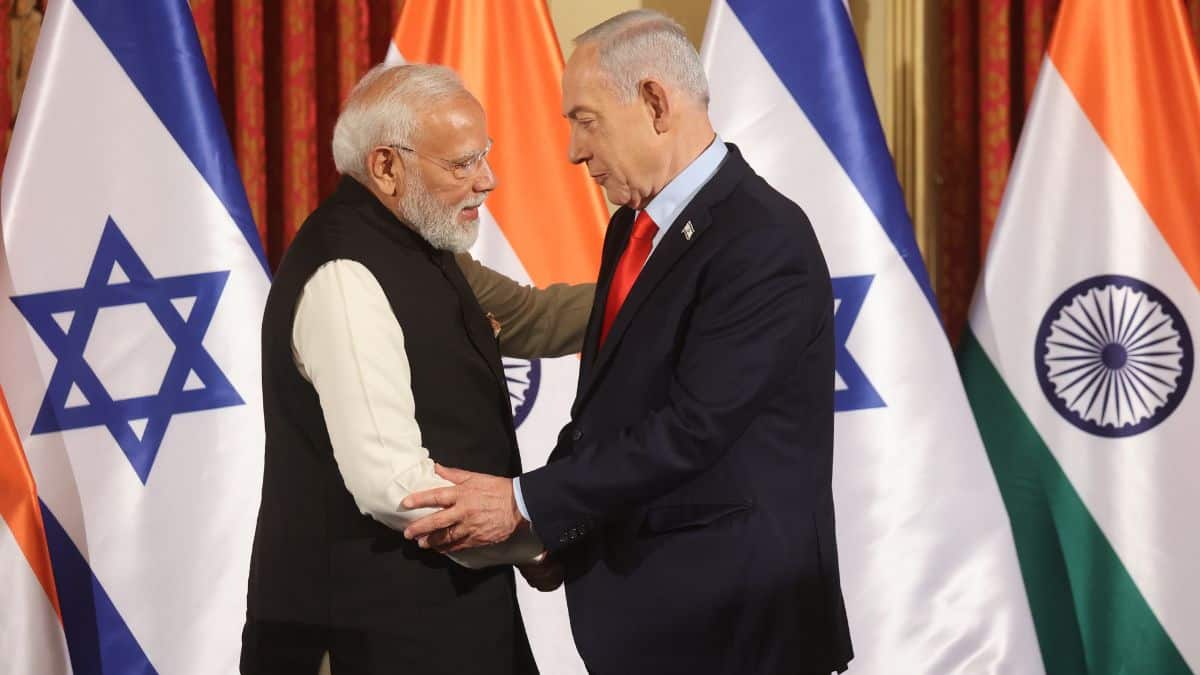
Netanyahu Calls PM Modi to Discuss West Asia Developments

USS Abraham Lincoln Docks in Thailand

Gold Prices Fall Further Amid US-Iran Tensions and Rate Fears

Iran Says It Targeted US Forces in Bahrain

Gold falls to two-week low as yields, dollar pressure prices
Jefferies Sees 33% Reliance Industries Upside Amid Refinery Disruptions
