2 weeks ago
India-Israel-UAE-Japan 'new Quad' proposed to counter 'new Nato' pact
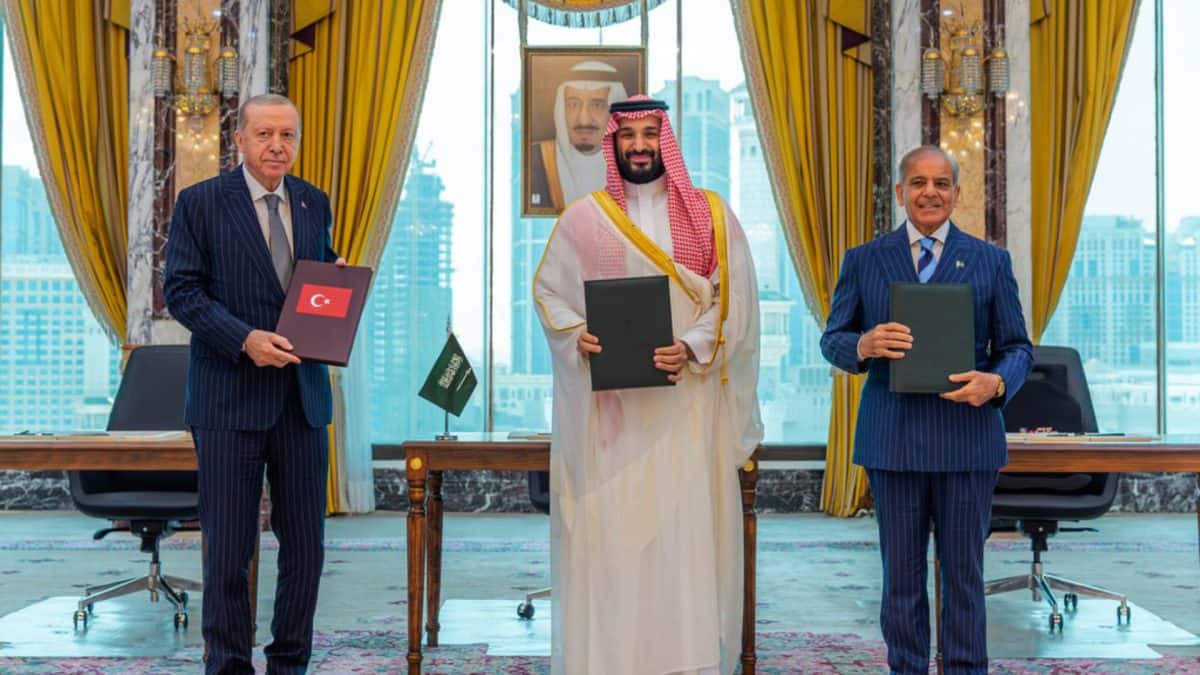
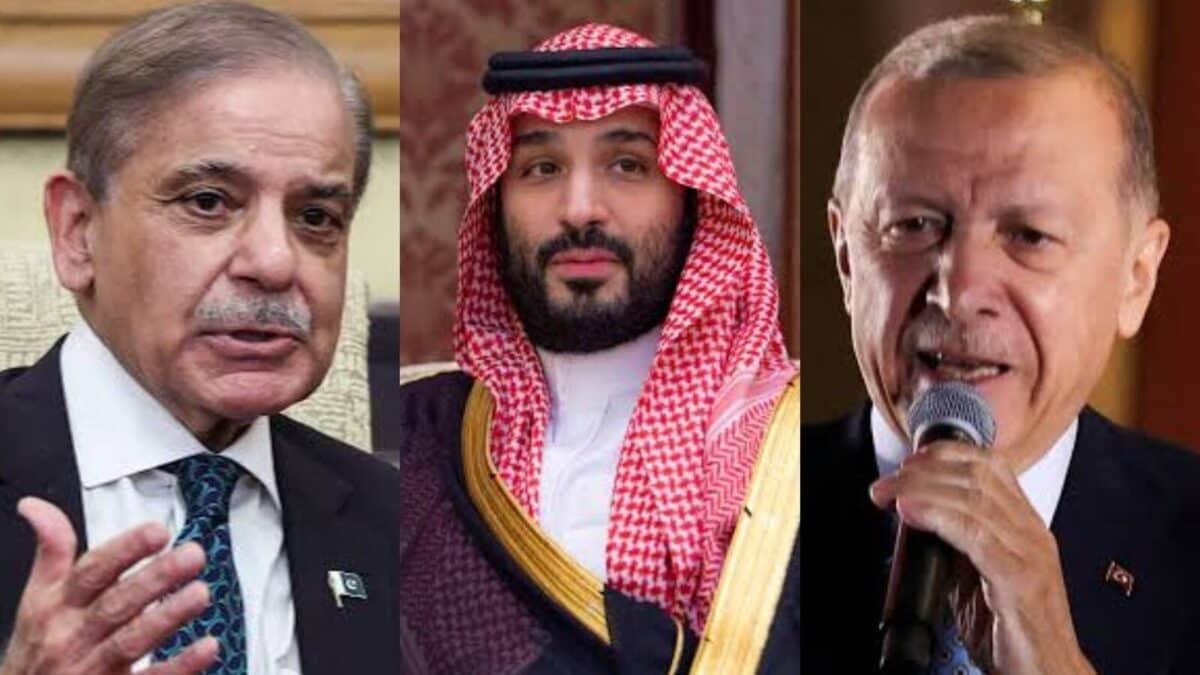
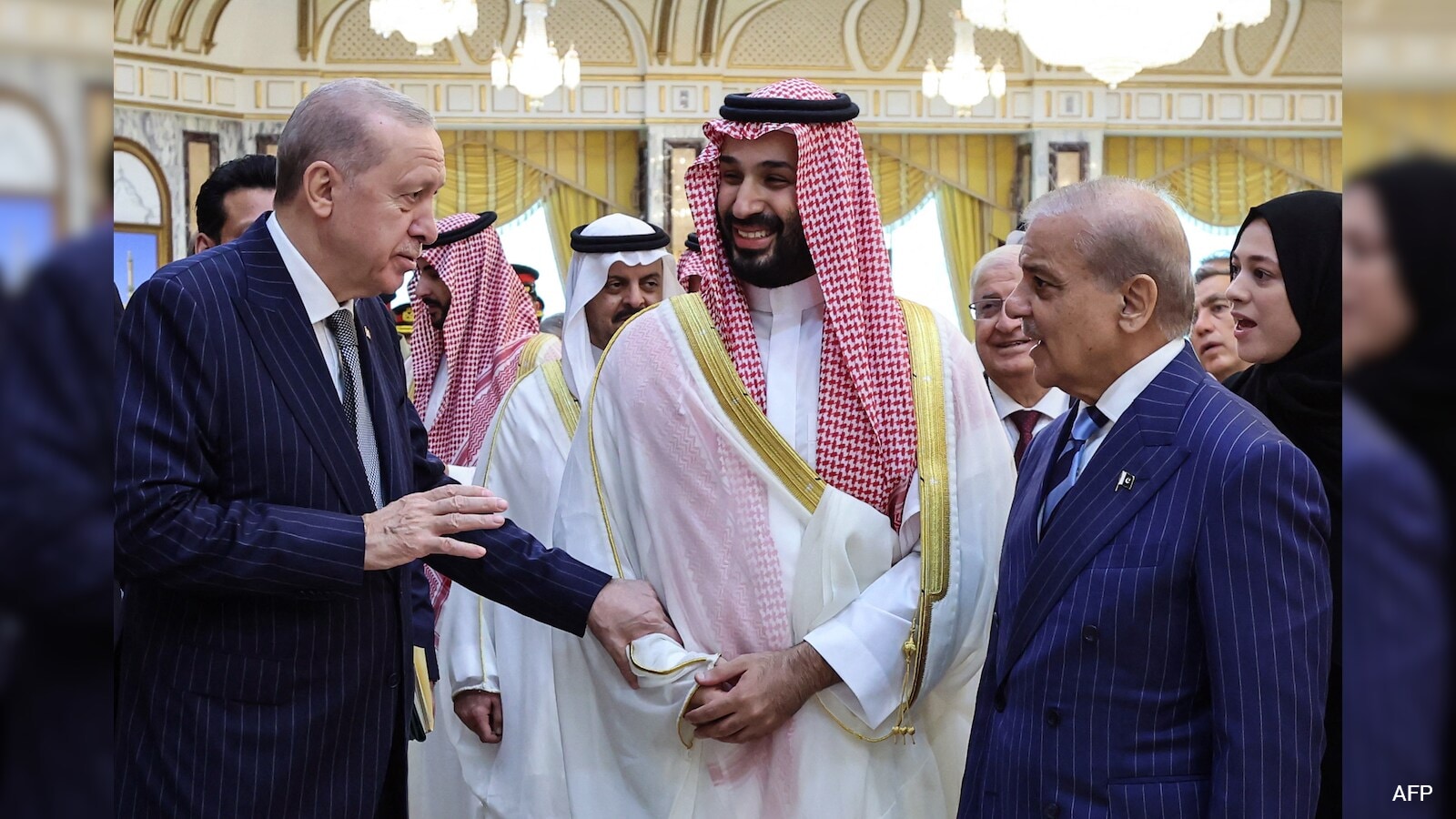
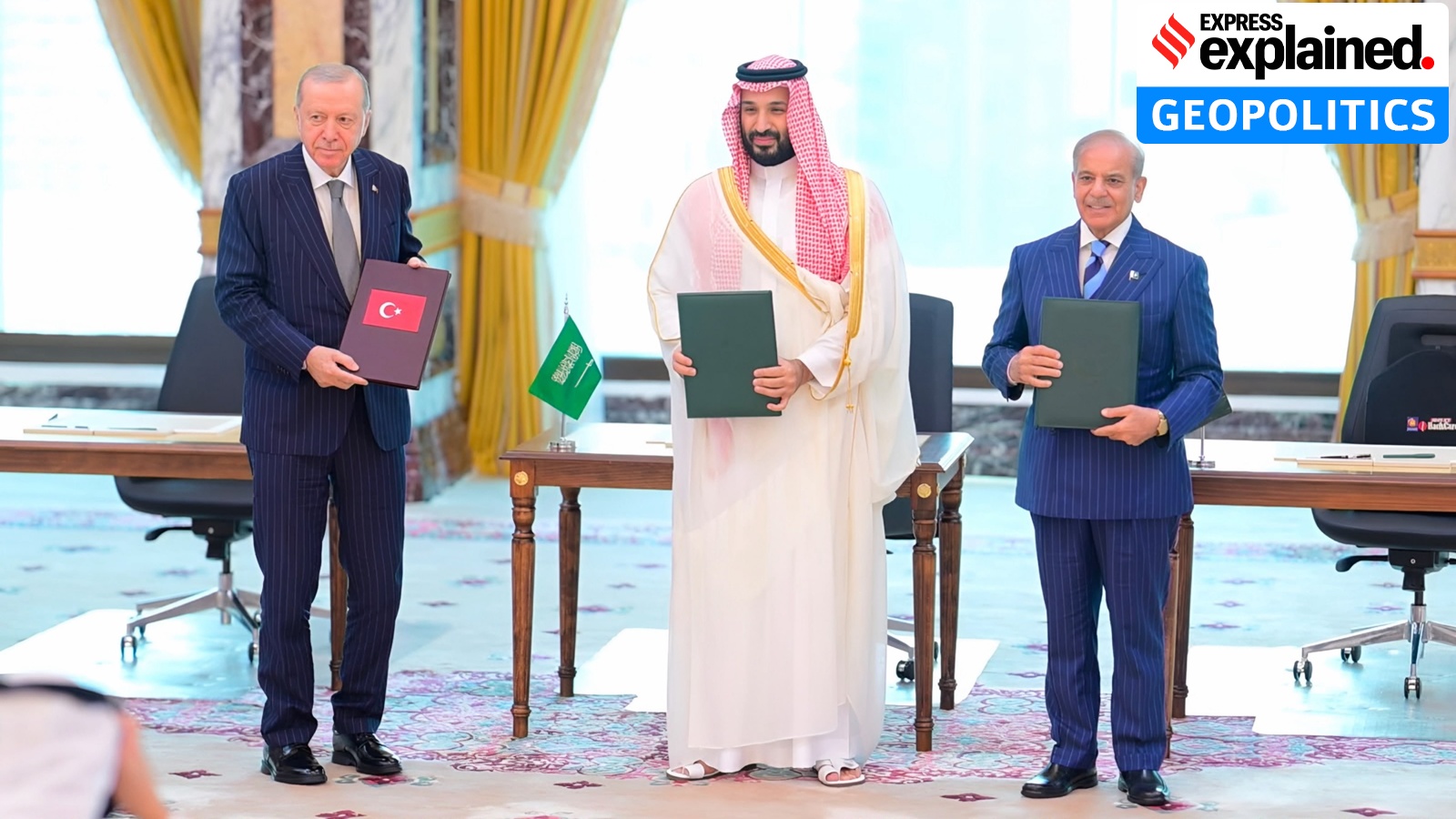
Three countries — Pakistan, Saudi Arabia and Turkey — made a promise to help each other if one of them is attacked.
They signed this agreement in a city called Mecca on August 7, 2026.
Some people call this new group a 'new Nato', because Nato is a big alliance where members defend each other.
But a writer named Hindol Sengupta says the three countries worry about different dangers, so the group may not be very strong.
He suggests four other countries — India, Israel, the UAE and Japan — work together instead.
These four countries are each good at different things, like technology, large armies, money and clever engineering.
They could share information about oceans and shipping routes to keep trade safe.
The writer says they do not need a formal treaty, just steady cooperation over time.
Working together this way could keep the peace without starting a war.
The goal is to help countries stay safe, free and able to make their own choices.

Pakistan, Saudi Arabia and Turkey signed a defence pact in Mecca on August 7, 2026, under which an armed attack on one member is regarded as an attack on all three.
The article notes the pact, called a 'new Nato' by some, is described by its members as 'purely defensive' and open to other regional countries.
The author argues the pact lacks strategic coherence because Pakistan, Saudi Arabia and Turkey have divergent threat perceptions.
A flexible alignment of India, Israel, the UAE and Japan is proposed as the most effective counter, combining technology, maritime reach, intelligence cooperation and economic resilience.
The proposed 'new Quad' would start as a modular partnership with ministerial consultations, intelligence exchanges and maritime exercises rather than a binding treaty.
- Who
- Pakistan, Saudi Arabia and Turkey signed the pact; the article's author, Hindol Sengupta, proposes India, Israel, the UAE and Japan as a counter-alignment.
- What
- A collective-defence pact treating an attack on one member as an attack on all three, and a proposal for a flexible India-Israel-UAE-Japan 'new Quad' to counter it.
- Where
- The pact was signed in Mecca; the proposed alignment spans South Asia, the Gulf, the Eastern Mediterranean and the Indo-Pacific.
- When
- The pact was signed on August 7, 2026.
- Why
- The pact aims to institutionalise security cooperation across South Asia, the Gulf and the Eastern Mediterranean; the proposed counter seeks to preserve regional pluralism, freedom of navigation and state autonomy.
Supporters of the Mecca pact
Advocates of a counter-alignment
Purpose and nature of the pact
Supporters of the Mecca pact
Members describe the pact as 'purely defensive', open to other regional countries and not directed against any specific state.
Advocates of a counter-alignment
The author characterises it as an emerging axis that institutionalises security cooperation and should be countered to preserve regional pluralism, freedom of navigation and state autonomy.
Cohesion of the three-member alliance
Supporters of the Mecca pact
The three states bring complementary assets — military power, financial resources and a defence-industrial base — with opportunities for joint production, procurement and interoperability, leading some to call it a 'new Nato'.
Advocates of a counter-alignment
Their threat perceptions diverge (India, internal security and economic fragility for Pakistan; missiles, maritime security and regime protection for Saudi Arabia; Syria, Iraq and the Eastern Mediterranean for Turkey), so the pact lacks strategic coherence and clear command structures.
Best response to the pact
Supporters of the Mecca pact
A conventional alliance could mirror the pact with military coordination and numerical parity.
Advocates of a counter-alignment
A flexible, modular 'new Quad' that answers with technological integration, maritime awareness and economic resilience is more effective than a binding mutual-defence treaty.
Key facts
- Pact
- Pakistan-Saudi Arabia-Turkey defence pact
- Signing location
- Mecca
- Signing date
- August 7, 2026
- Central provision
- An armed attack against one member is regarded as an attack against all three
- Members' description
- 'Purely defensive', open to other regional countries, not directed against any specific state
- Proposed counter-alignment
- India, Israel, United Arab Emirates, Japan ('new Quad')
- Proposed cooperation focus
- Maritime security: shipping routes, ports, undersea cables, energy infrastructure, counter-drone and missile responses
- Author
- Hindol Sengupta, professor of international relations at O.P. Jindal Global University
Sources
Related news
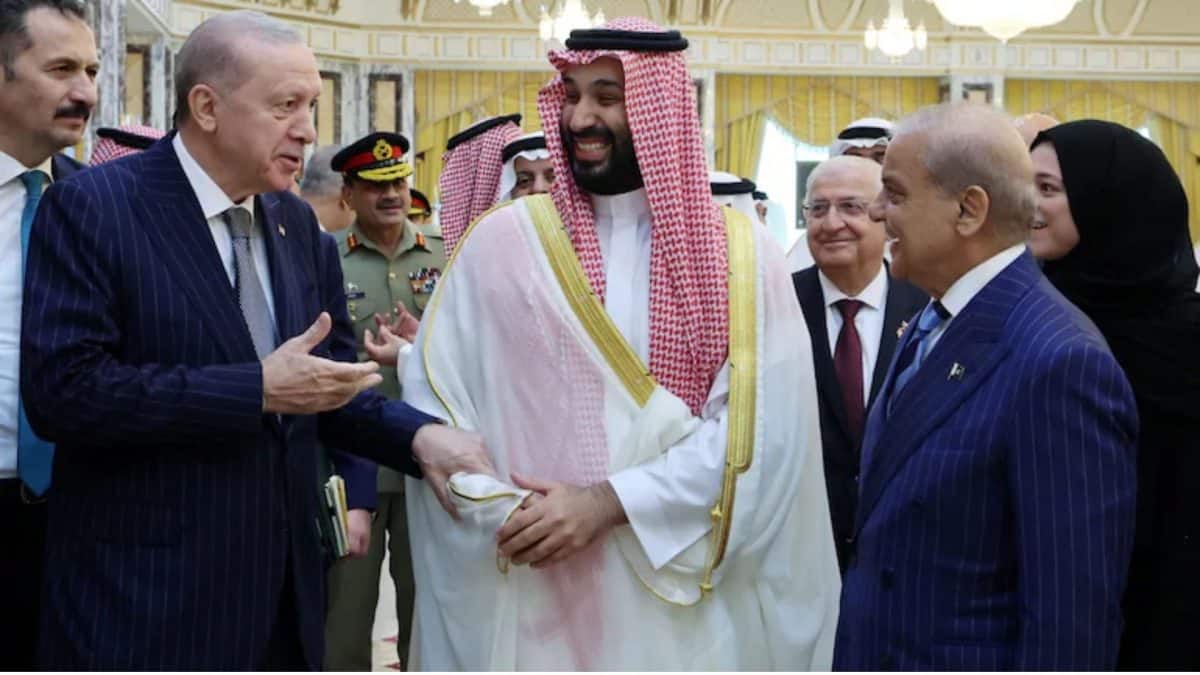
Saudi Arabia, Pakistan, Turkey Sign Joint Defence Agreement in Mecca
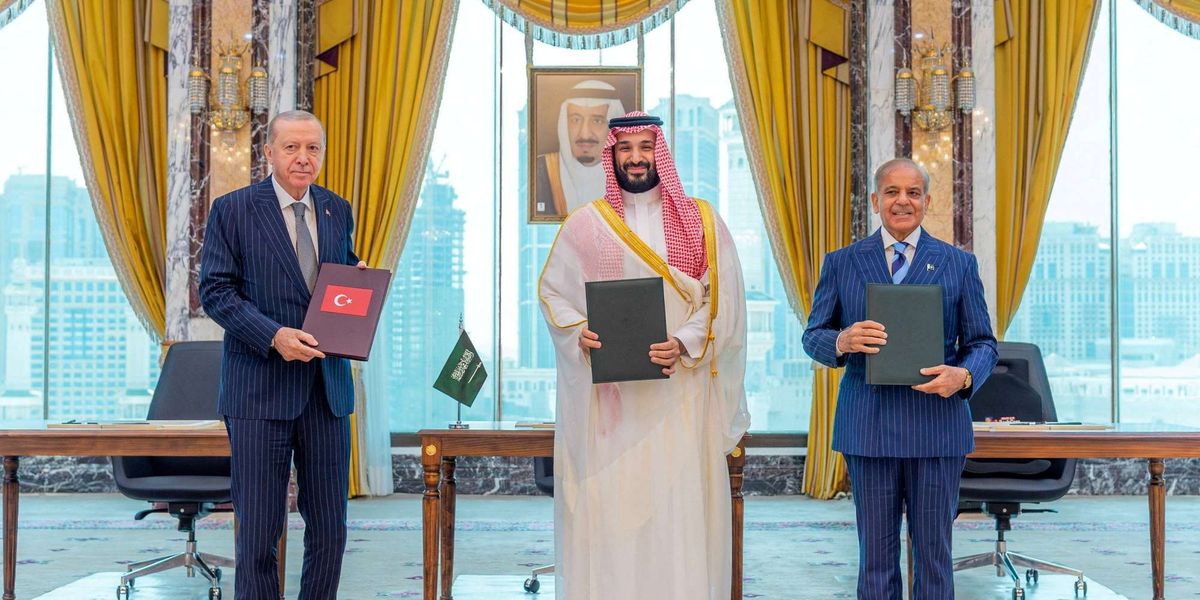
Saudi Arabia, Turkey and Pakistan sign Mecca Joint Defence Agreement
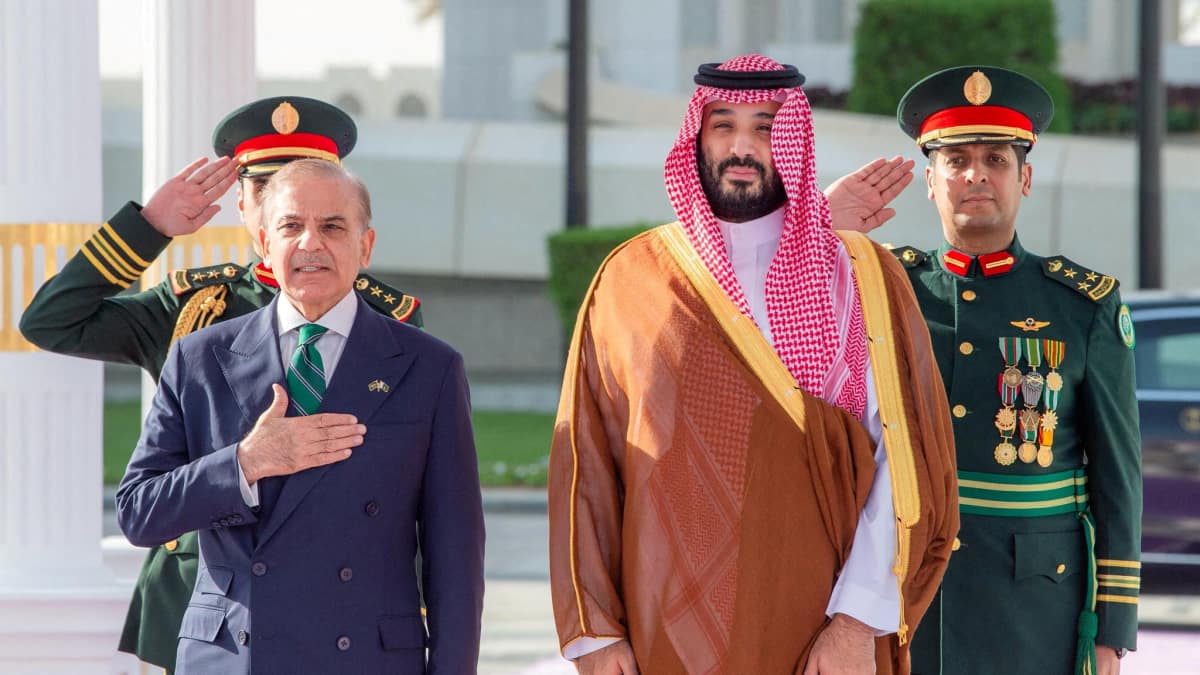
Pakistan, Saudi Arabia, Turkey Sign 'Islamic Nato' Defence Pact
Saudi Arabia, Turkey, Pakistan 'Islamic NATO' Pact Raises India Concern
Pakistan-Saudi-Turkey NATO-Style Defence Pact Aims to Deter Iran
Saudi Arabia, Turkey, Pakistan Sign Mecca Joint Defence Agreement

India Replaces Sri Lanka as 2027 Women’s Champions Trophy Host

Mitsubishi Revives Pajero With 201PS Fifth-Generation SUV

IIM-Born CEO Says Australia’s Everyday Life Runs on Trust

UN Report Says 1.5°C Overshoot, Return Remains Possible

Uday Kotak Warns Global Bond Markets Face Roller-Coaster Volatility