

6 days ago
Why India Is Deepening Strategic Ties With Armenia
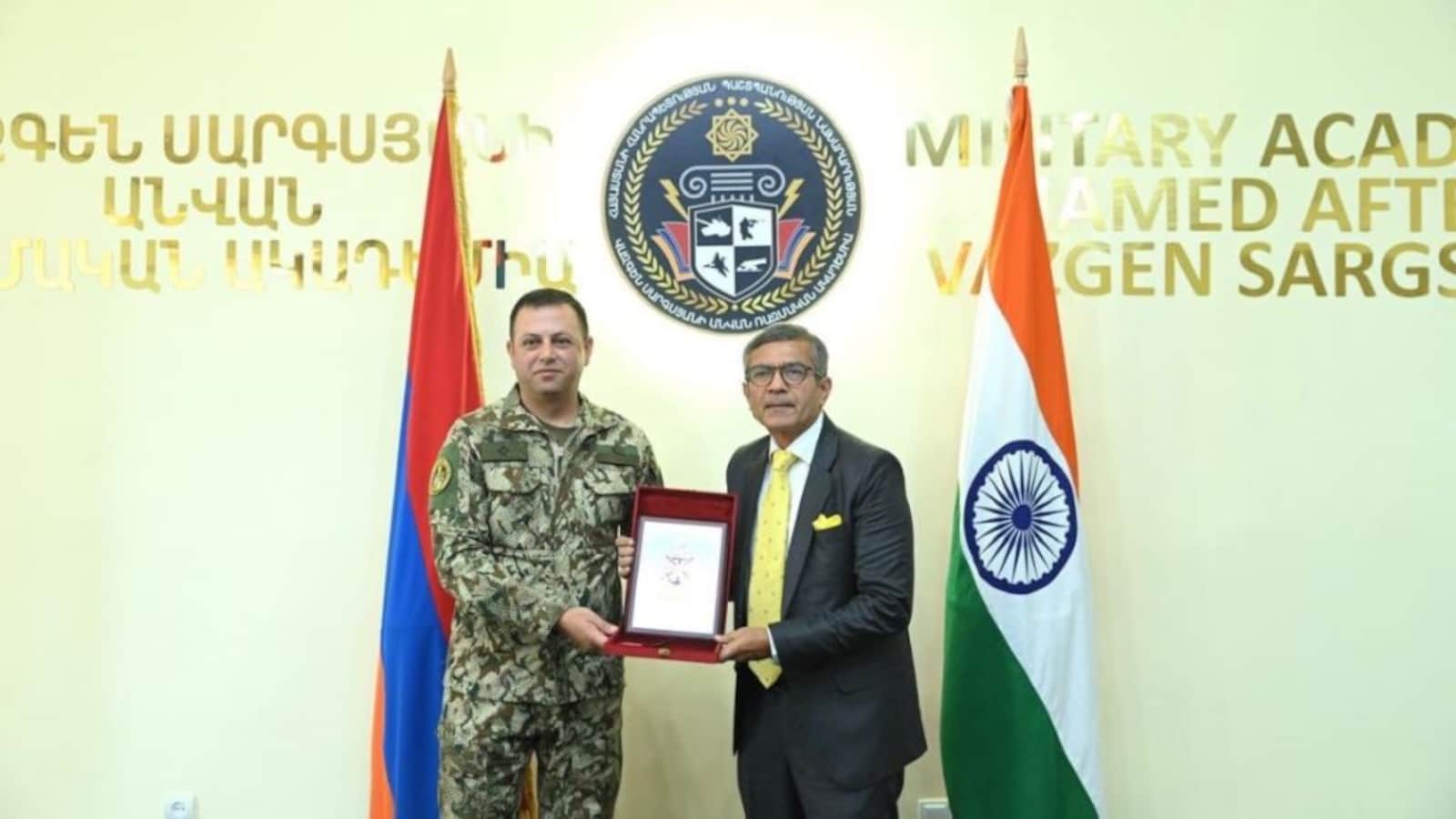
India and Armenia are becoming closer partners, especially in defence.
India has sold Armenia several major weapons systems.
The two countries now want to work together more directly through military staff cooperation, training and possible manufacturing.
Armenia also wants to become an important crossroads for trade between Europe and Asia.
This could give India new routes to reach the Black Sea and Europe.
Those routes could reduce India’s reliance on difficult sea passages and other trade chokepoints.
India may also cooperate with Armenia in education, science, space research, tourism and business.
However, these plans depend on cooperation from Iran and on building new infrastructure.
The article says India should continue investing in Armenia because of its location and long-standing ties with the country.

India and Armenia are expanding defence cooperation beyond weapons purchases toward staff-level coordination and joint initiatives.
Armenia has reportedly bought about $2 billion in Indian defence equipment, including SWATHI radar, Pinaka launchers and Akash missiles.
The article argues Armenia could become a regional manufacturing and export hub for Indian defence companies.
Armenia’s “Crossroads of Peace” plan seeks to develop trade, transport and communications links across the South Caucasus.
India could use Armenian and Georgian routes to connect Chabahar and the INSTC with the Black Sea and European markets.
- Who
- India, Armenia and their defence and government officials, including Rajesh Kumar Singh, Suren Papikyan, Edward Asryan and Nikol Pashinyan.
- What
- India and Armenia are broadening defence, trade, infrastructure and other bilateral cooperation.
- Where
- Armenia, India and proposed corridors through Iran, Georgia, Turkey and Azerbaijan.
- When
- The developments described include a recent official visit and earlier visits during the same year.
- Why
- The article argues that Armenia’s strategic location, defence purchases and proposed transport corridors make it important to India’s security and economic ambitions.
Case for deeper engagement
Constraints and cautions
Strategic investment
Case for deeper engagement
India should remain invested in Armenia because its location could support defence exports, regional connectivity and access to European markets.
Constraints and cautions
The proposed benefits depend on major infrastructure investments and cooperation from Iran, Georgia and other regional actors.
Defence relationship
Case for deeper engagement
Armenia’s large purchases and emerging staff-level cooperation make it an important partner for India’s defence-export ambitions.
Constraints and cautions
The article notes that India must consider whether Armenia’s importance extends beyond its role as a buyer of Indian weapons.
Regional connectivity
Case for deeper engagement
Armenia’s “Crossroads of Peace” and related corridors could provide alternatives to routes affected by conflict and maritime chokepoints.
Constraints and cautions
The IMEEC has been put on the back burner, and regional conflict and unresolved relations create uncertainty around connectivity projects.
Key facts
- Defence cooperation
- India and Armenia exchanged a document creating a framework for direct cooperation between their armed forces’ General Staffs.
- Armenian defence purchases
- The article estimates Armenia’s imports of Indian defence equipment at approximately $2 billion.
- Named equipment
- The purchases include the SWATHI radar system, Pinaka multi-barrel rocket launchers and Akash air-defence missiles.
- Armenia’s connectivity plan
- Prime Minister Nikol Pashinyan’s “Crossroads of Peace” project aims to make Armenia a regional trade, transport and communications hub.
- Proposed transit route
- The article describes a route from Iran’s Chabahar Port through the INSTC and Armenia toward Georgia’s Black Sea ports.
- Indian workers
- About 50,000 Indian workers are said to be living in Armenia.
- Additional cooperation areas
- Potential areas include manufacturing, trade, migration, education, space research, science and technology, and tourism.
Sources
Related news
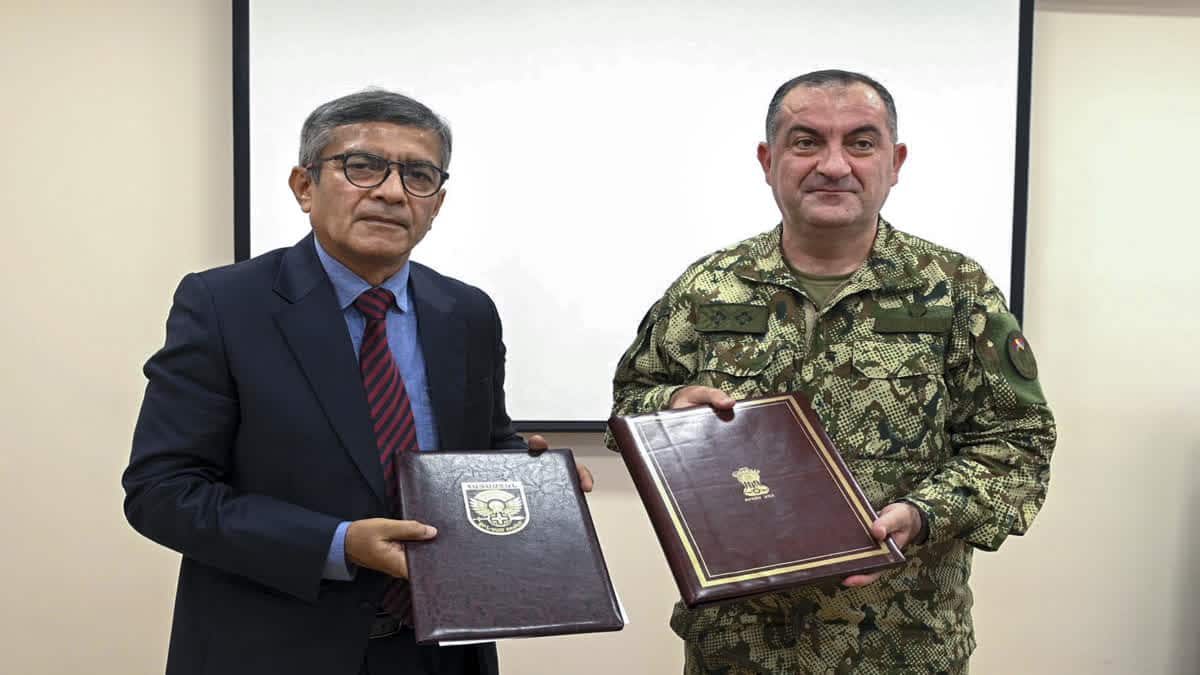
India, Armenia Discuss Defence Cooperation, Pinaka, Akash Systems
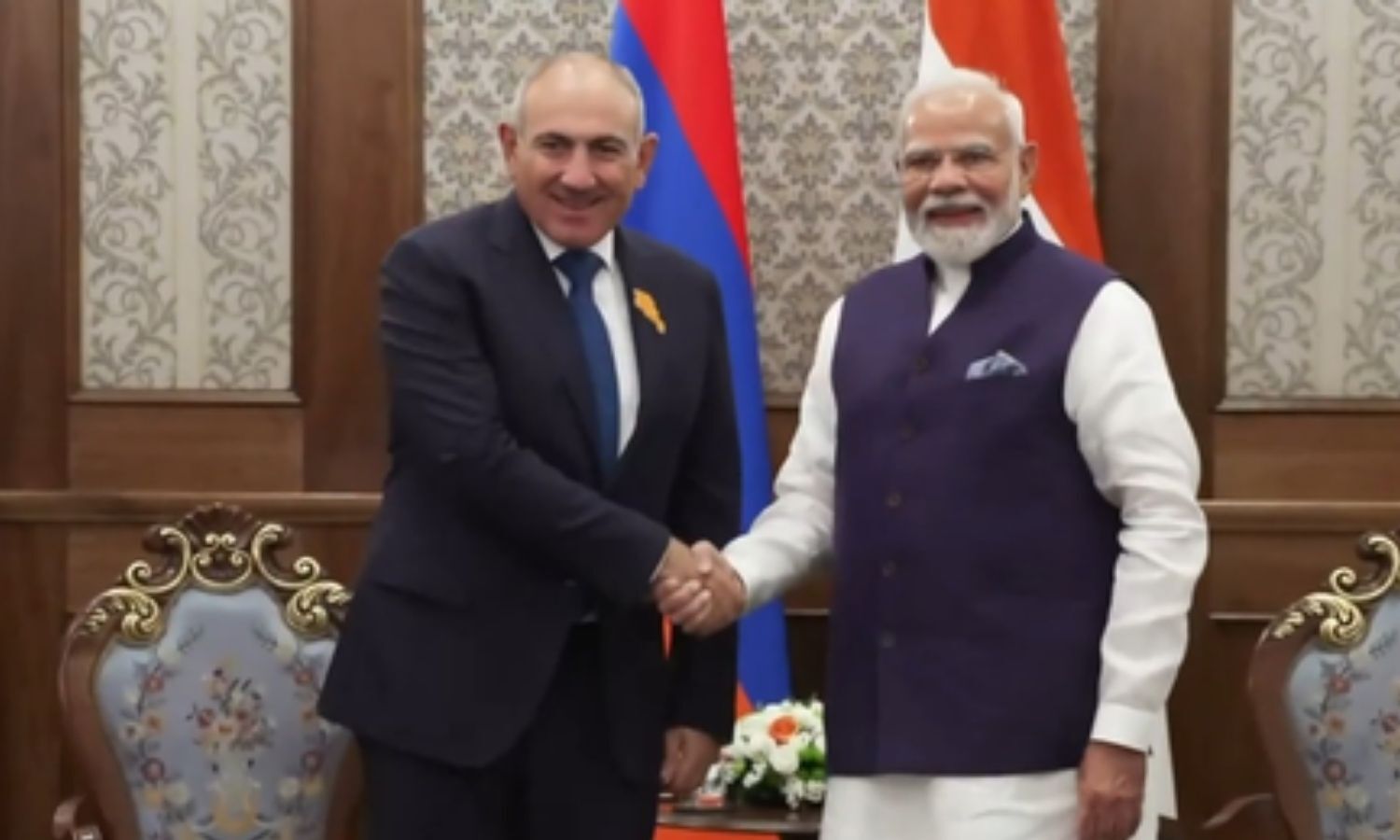
Modi, Pashinyan Discuss Bilateral Ties During Bishkek SCO Summit
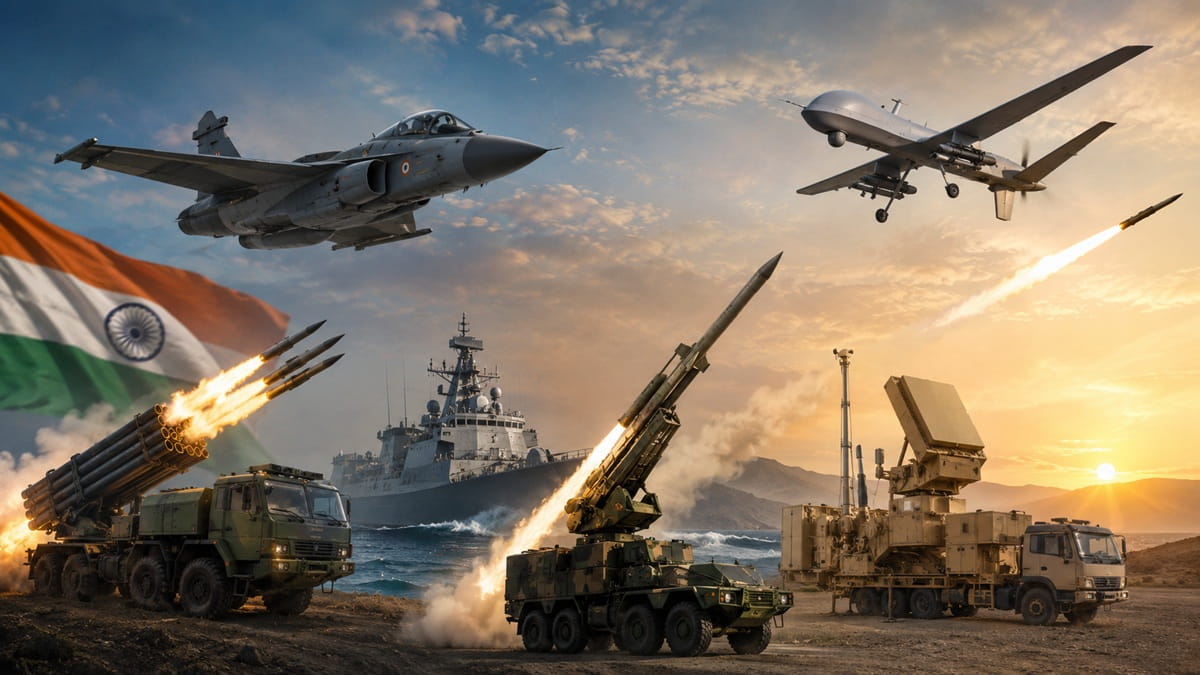
India Targets Top 25 Arms Exporters Amid Global Expansion

India-Israel partnership evolves into wider regional strategic network

India Urged to Exclude Turkey from Trade Corridor
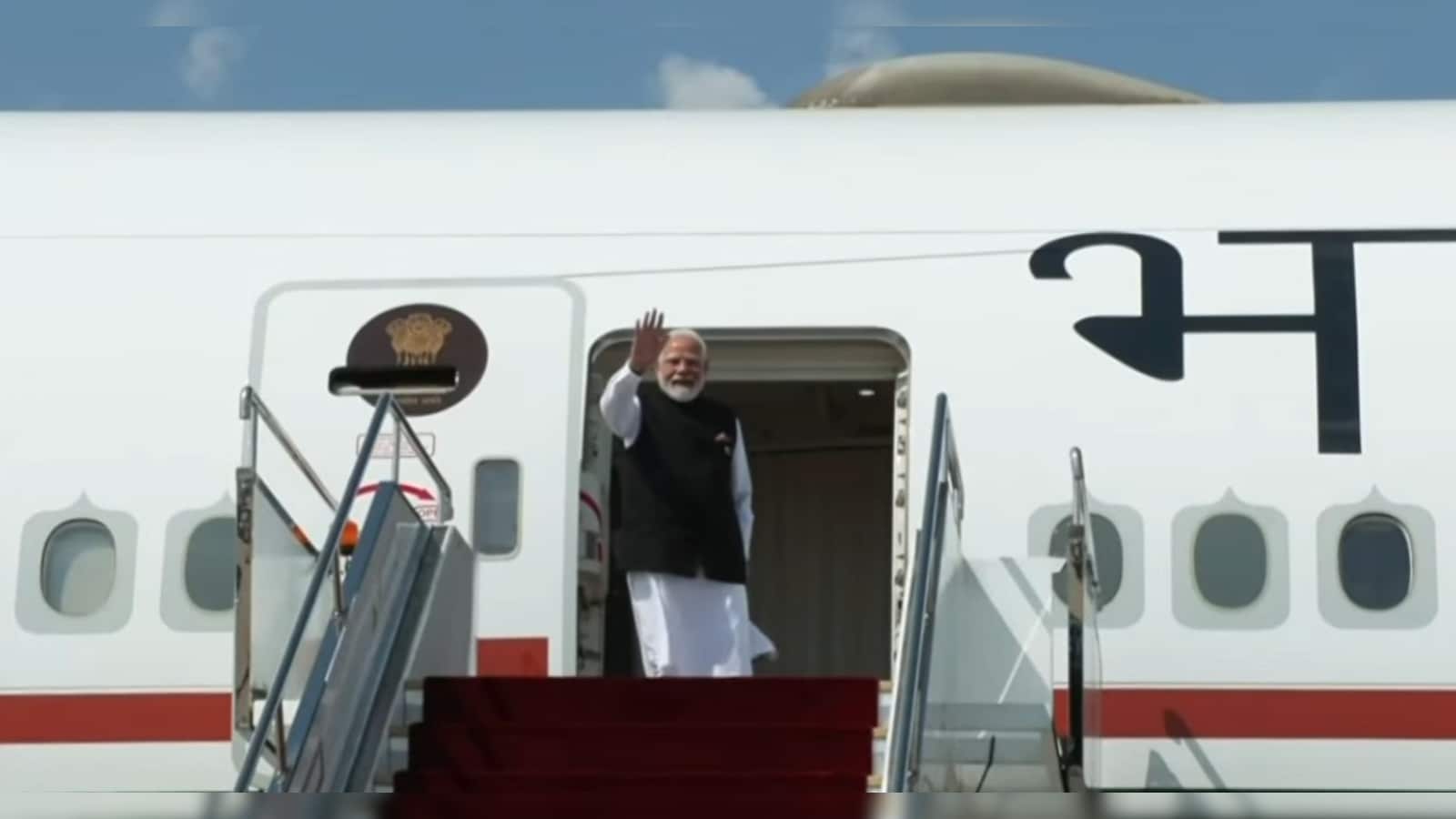
PM Modi Concludes Two-Nation Tour After Bishkek SCO Summit
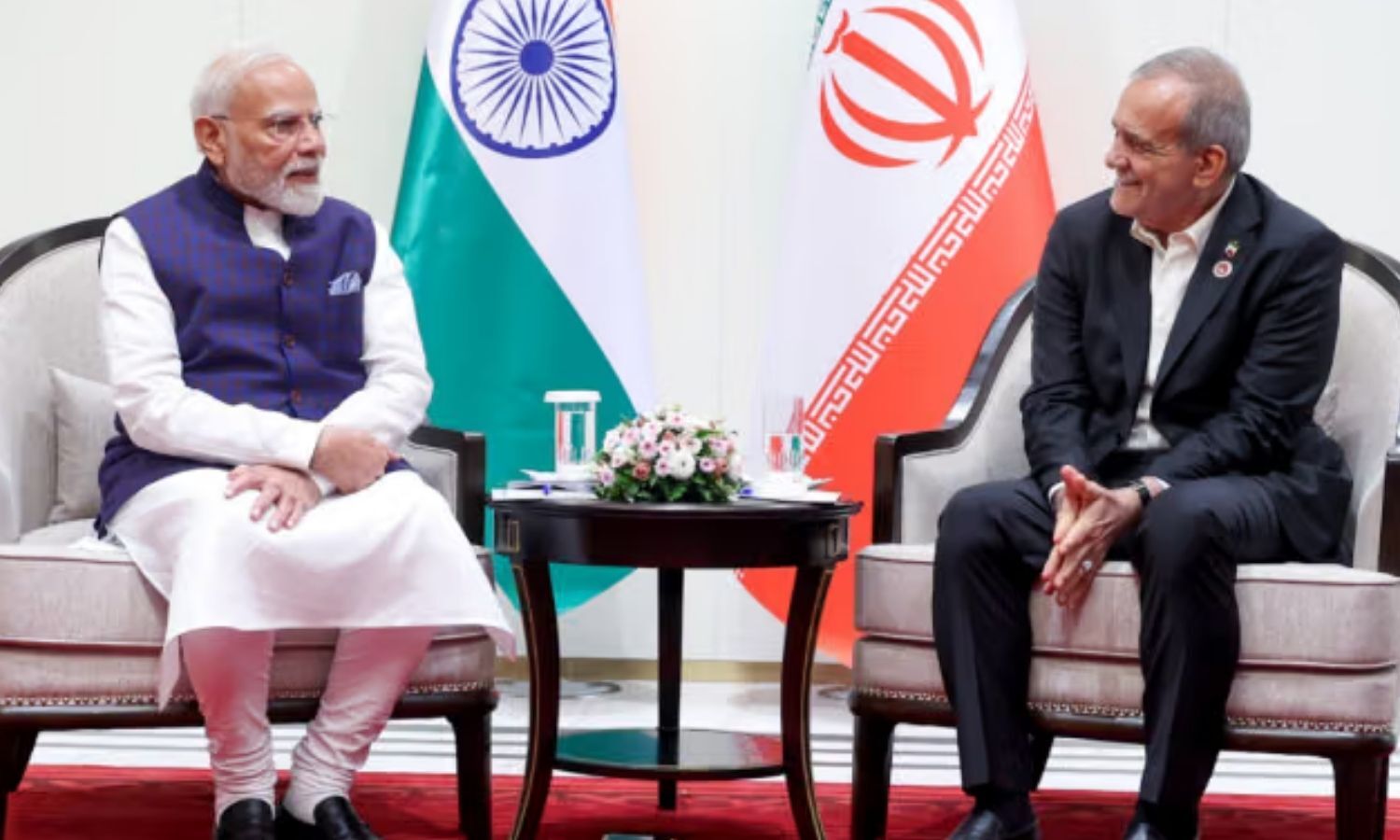
Modi Meets Iran's Pezeshkian on Trade, Peace and Shipping
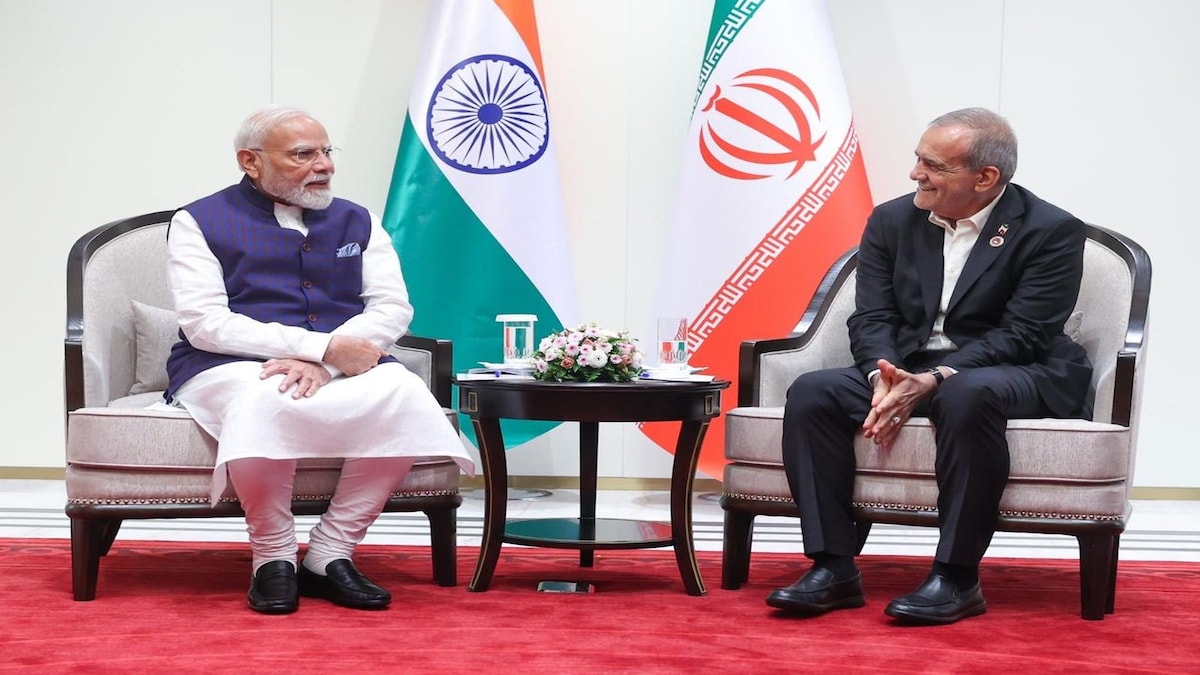
Modi Meets Iranian and Armenian Leaders at Bishkek SCO Summit
