

2 weeks ago
Israeli envoy: PM Modi played transformative role in India's development

An important official from Israel, who works in India, talked about two things: how India has grown and a disagreement between countries about a busy sea route called the Strait of Hormuz.
The official, Reuven Azar, is Israel's ambassador to India.
He said India's leader, Prime Minister Narendra Modi, has helped India change and grow a lot, and that people in Israel look up to him.
Then he talked about Iran, a country that some other countries are upset with.
Iran has been trying to pressure other countries in the Strait of Hormuz, where many ships carry oil.
The United States and Iran had agreed to pause their fighting for 60 days, but that pause has ended.
President Trump said Iran wants to make a deal, but not the kind of deal he wants.
Azar said Iran has been weakened and that many countries are building pipelines so they do not need to use the sea route anymore.
He also said a new defence agreement between Saudi Arabia, Turkey and Pakistan is not yet something to worry about, and that Pakistan's peace efforts have not worked well.

Israel's envoy to India Reuven Azar praised PM Modi's 'transformative role' in India's development, recalling his historic speech to the Knesset.
Azar said Iran has been 'debilitated quite substantially' and is trying to 'extort the international community' through its moves in the Strait of Hormuz.
Countries are building bypass pipelines, including a $60 billion Iraq-Turkey-Syria project to the Mediterranean, reducing reliance on the strait.
President Trump said Tehran wants a deal but not the one he considers necessary, after the 60-day US-Iran ceasefire ended Monday.
Azar called the Mecca Joint Defence Agreement hard to assess and said Pakistan's US-designated diplomatic role 'is not very successful.'
- Who
- Israel's Ambassador to India Reuven Azar, Prime Minister Narendra Modi, US President Donald Trump, and Iranian foreign ministry spokesman Esmaeil Baghaei
- What
- Azar praised Modi's 'transformative role' in India's development and discussed Iran's moves in the Strait of Hormuz, pipeline bypass projects, and the Mecca Joint Defence Agreement
- Where
- New Delhi and Jerusalem; the Strait of Hormuz; and the Middle East, including Iran, Saudi Arabia, Turkey, Iraq, Syria, the UAE, Oman and Pakistan
- When
- Reported on Tuesday; the 60-day US-Iran ceasefire ended Monday; the Mecca Joint Defence Agreement was signed on August 7
- Why
- Azar argued that Iran has been substantially weakened and that its pressure through the strait will not succeed because of bypass pipelines and regional defence pacts
Iran and Pakistan's position
US-Israel position
Deal terms after the ceasefire
Iran and Pakistan's position
Tehran wants to reach an agreement with Washington but is unwilling to accept the kind of deal Trump considers necessary; Iran and Oman agreed on the map of a new maritime traffic route in the strait.
US-Israel position
Trump claimed the US had 'total control' over the Strait of Hormuz; Azar said Iran has been 'debilitated quite substantially' and is trying to 'extort' the international community through moves in the strait.
Significance of the Mecca Joint Defence Agreement
Iran and Pakistan's position
Pakistan reportedly sought to turn the mutual defence pact with Saudi Arabia and Turkey into a broader united Muslim front against Israel and India; Turkey's Foreign Minister compared the pact to Article 5 of NATO.
US-Israel position
Azar said it is too early to assess the agreement and that some people are overestimating it, noting Saudi Arabia has historically been Turkey's rival and that regional groupings have not reached a level comparable to NATO.
Pakistan's role in the ceasefire
Iran and Pakistan's position
Islamabad claims to be brokering a ceasefire while trying to rebuild its international image tarnished by years of isolation.
US-Israel position
Experts call the claims an 'optical illusion' since the MoU signed a few months back has been breached by Iran; Azar says the US-designated diplomatic role has 'not been very successful.'
Key facts
- Commentator
- Reuven Azar, Israel's Ambassador to India
- Knesset milestone
- First address by an Indian Prime Minister at the Israeli parliament, in Jerusalem earlier this year
- US-Iran ceasefire
- 60-day ceasefire ended Monday
- US position
- Trump says Iran wants an agreement but not the deal he considers necessary
- Iran-Oman route
- Iran and Oman agreed on the map of a new maritime traffic route in the Strait of Hormuz
- Bypass pipeline project
- $60 billion pipeline from Iraq through Turkey and Syria to the Mediterranean
- Mecca Joint Defence Agreement
- Signed August 7 by Saudi Arabia, Turkey and Pakistan
- Iran-Pakistan MoU
- Breached by Iran; IRGC attacked ships in the strait, according to Azar
Quotes

Reuven Azar
Israeli Ambassador to India
“"I think it's a very unwise move from the side of Iran because of two reasons. The first is that already many countries are engaging in building pipelines that will bypass the Strait of Hormuz."”
 thehansindia.com
“"There's no doubt that Prime Minister Modi has played a transformative role in the development of India."”
thehansindia.com
Sources
Related news
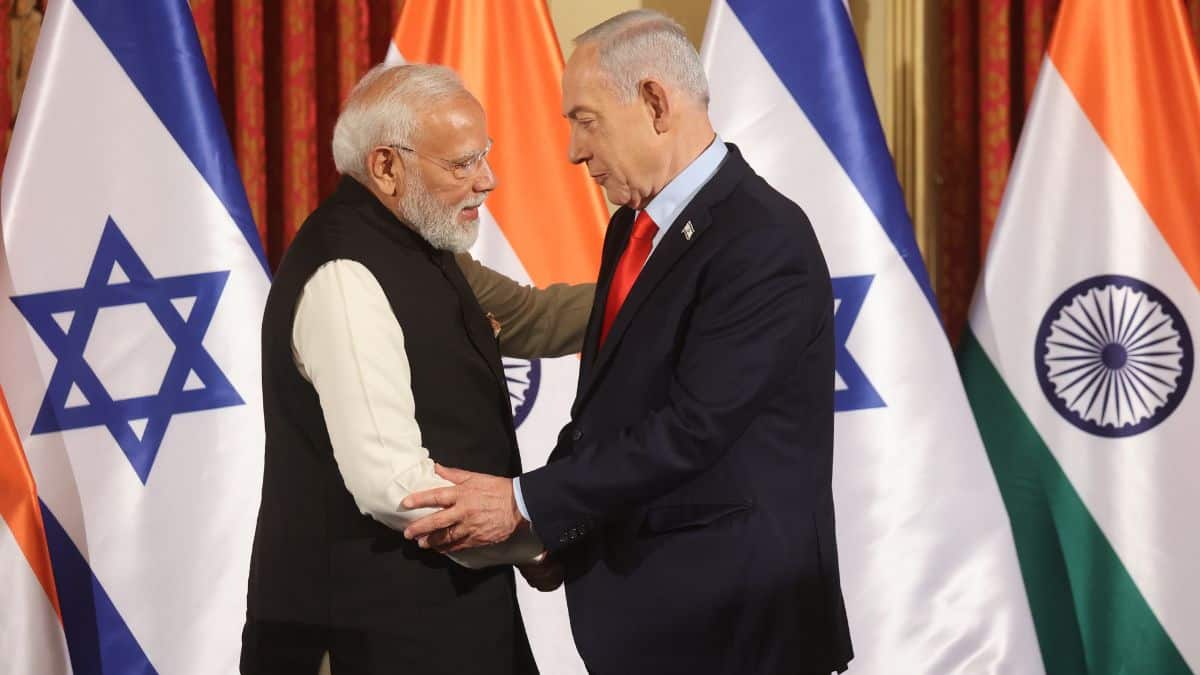
Netanyahu Calls PM Modi to Discuss West Asia Developments
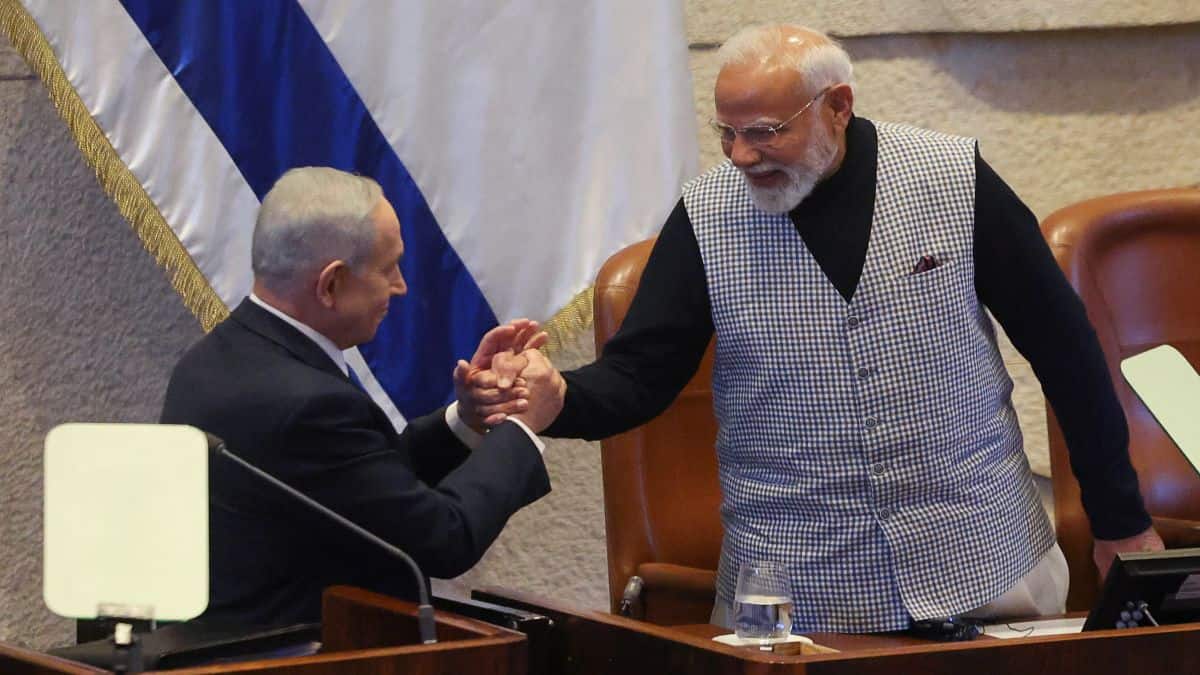
Netanyahu thanks Modi after West Asia call, says ties strengthen

Netanyahu calls Modi, discusses West Asia and India-Israel ties

Iran Asks Modi to Use India’s Reach to End War
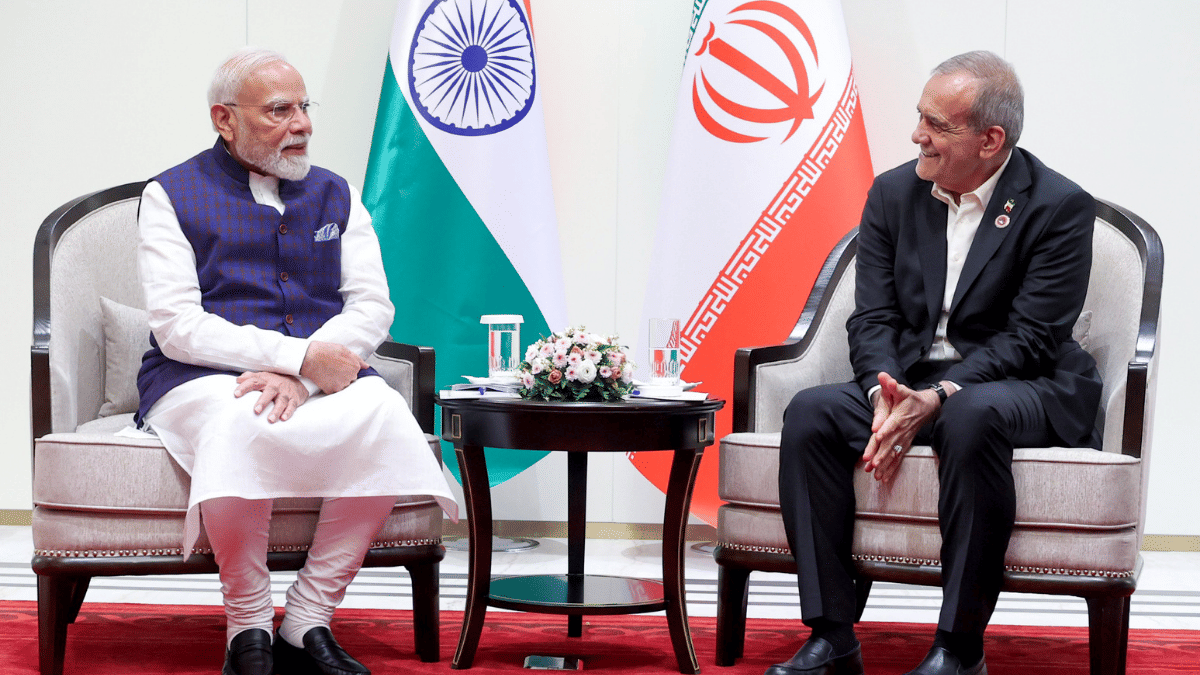
Modi, Pezeshkian Discuss West Asia Peace at SCO Summit
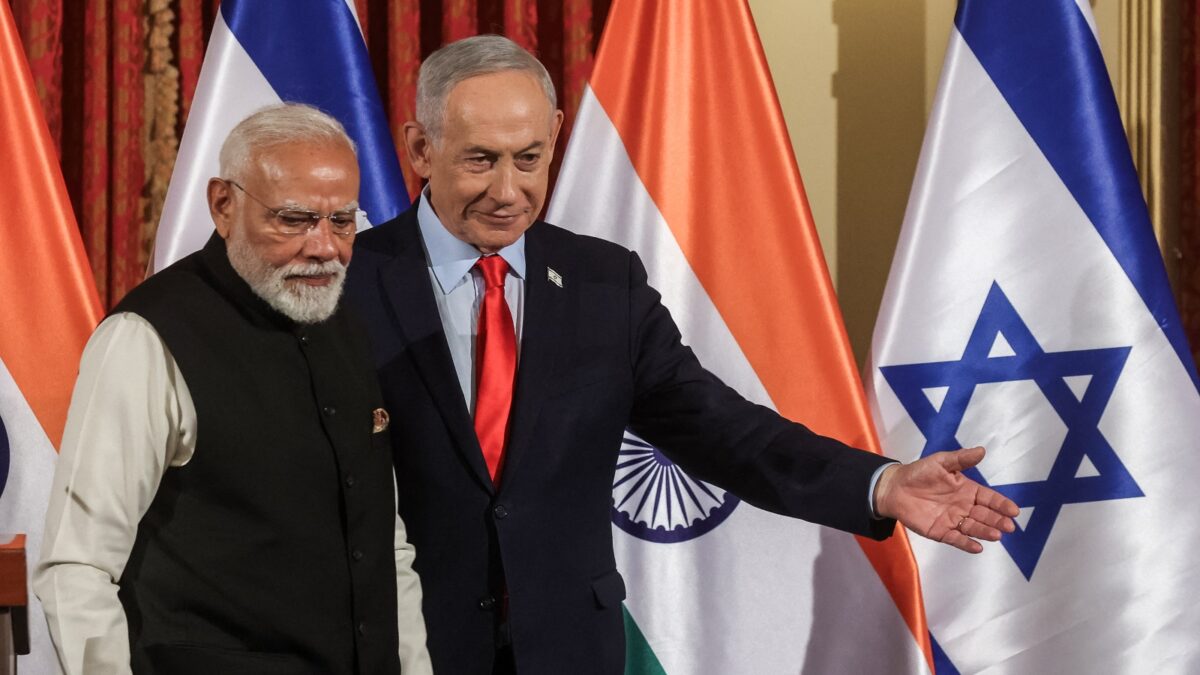
Netanyahu Praises Immense Israel Support After Second Modi Call
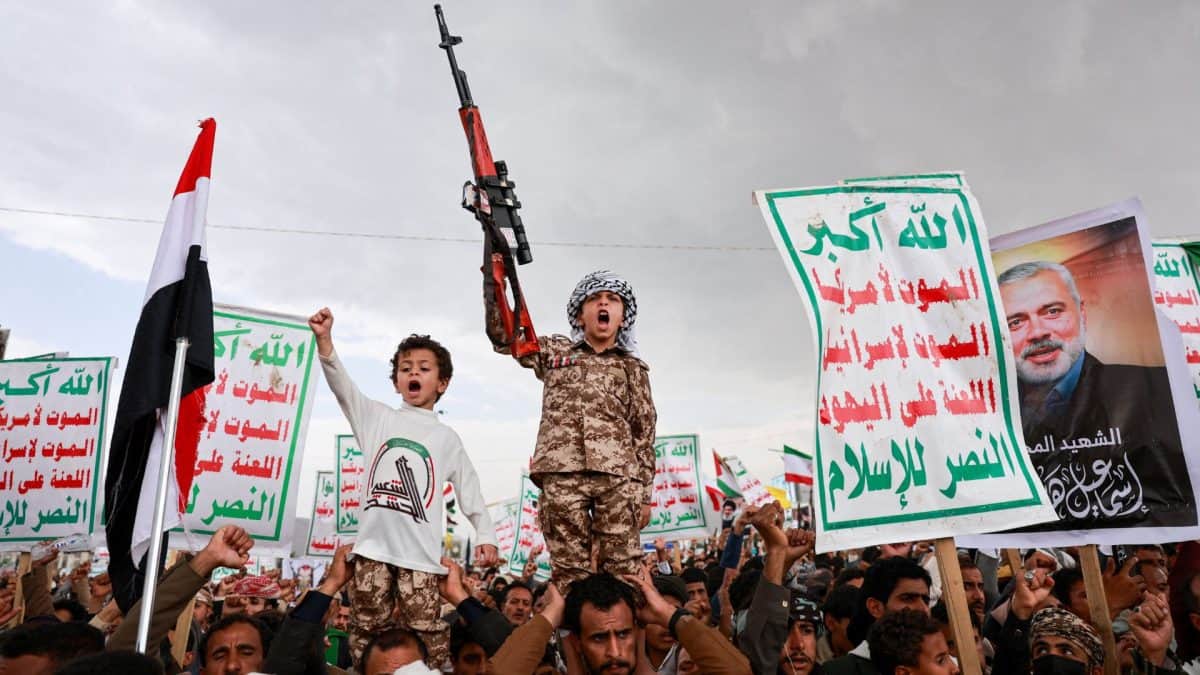
Iran’s Proxy Network Weakens, But Its Wars Persist

Welspun Corp, Perma-Pipe Plan Jordan Pipe Manufacturing JV

WhatsApp Group Exposed Vast Hawala Network Tied to Crime

India Seek First Win Over Syria in U20 Qualifiers
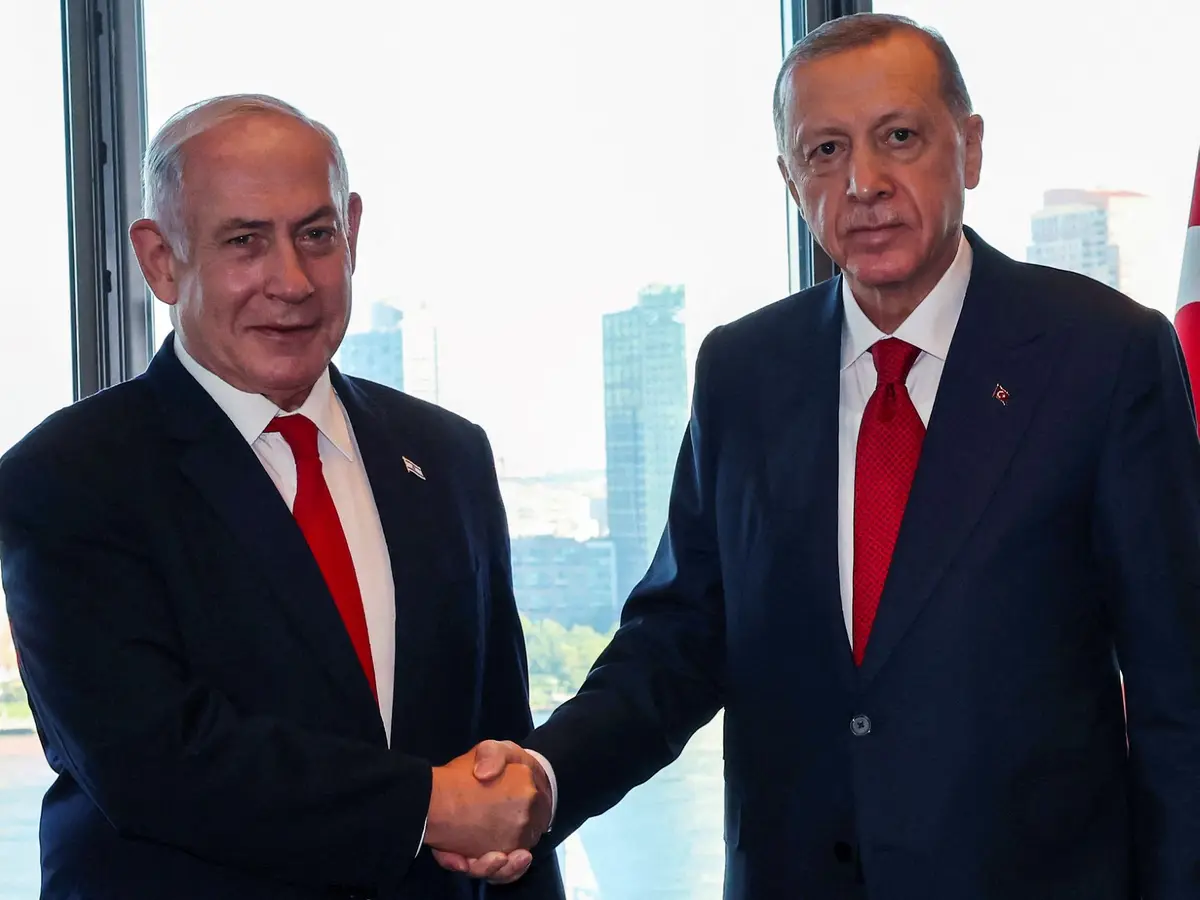
Turkey-Israel Rivalry Deepens Over Syria and Regional Influence
