4 days ago
IISc Study Questions Cost and Traffic Benefits of Hebbal Tunnel
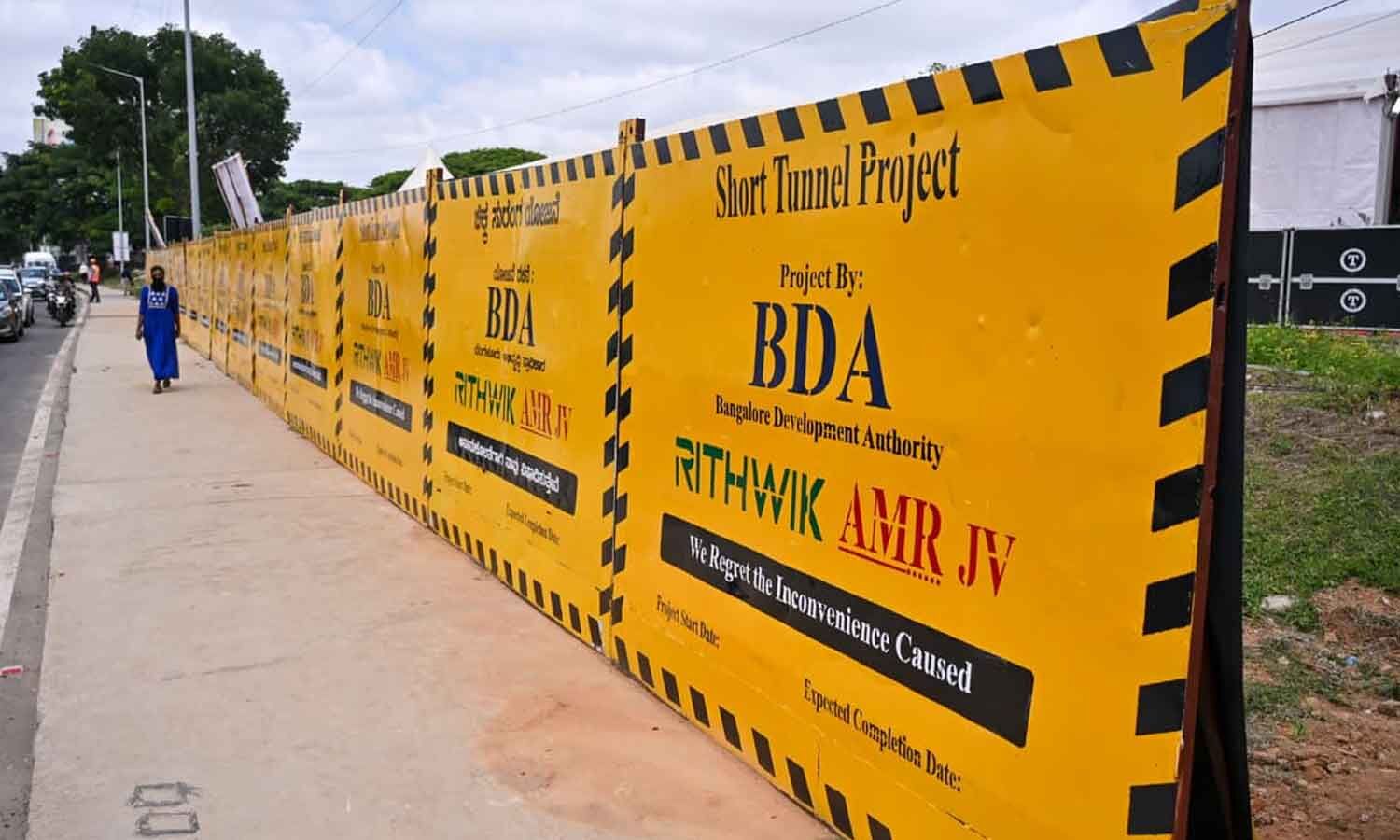
Bengaluru is considering a tunnel between Hebbal Junction and Mekhri Circle to help traffic move faster.
A study from the Indian Institute of Science says the tunnel may not solve the problem.
It could move traffic onto nearby roads and create new traffic jams.
The study says improving Metro service could carry passengers more cheaply.
It also says the tunnel’s project report may use questionable traffic and road-capacity numbers.
A sharp curve near Esteem Mall could force vehicles to slow down.
The proposed entrance near Hebbal Lake could also face flooding during heavy rain.
The study asks authorities to check the tunnel’s benefits, cost and safety before continuing.

An IISc study says the proposed Hebbal–Mekhri Circle tunnel may shift congestion rather than reduce it.
The study estimates tunnel passenger costs at Rs 5.23, compared with Rs 0.86 for Metro.
It estimates the tunnel’s cost per unit of passenger capacity at Rs 13.74 lakh, versus Rs 2.26 lakh for Metro.
The assessment questions traffic data and capacity assumptions used in the project’s Detailed Project Report.
IISc also flags possible congestion from a sharp curve and flooding risks near the proposed tunnel entrance.
- Who
- The Indian Institute of Science’s Infrastructure and Sustainable Transportation Lab, led by Civil Engineering professor Ashish Verma, assessed the project.
- What
- The study raised concerns about the proposed tunnel’s traffic benefits, cost effectiveness, technical assumptions and project report.
- Where
- The proposed tunnel would connect Hebbal Junction and Mekhri Circle in Bengaluru, with concerns also involving Esteem Mall and Hebbal Lake.
- When
- The assessment was reported in connection with the ongoing debate over the proposed project; no specific study date is stated.
- Why
- The study says the tunnel could shift congestion, cost more than a Metro alternative and face technical and flooding problems.
IISc Study’s Concerns
Tunnel Project’s Intended Rationale
Traffic impact
IISc Study’s Concerns
The study says the short tunnel could divert traffic toward the Veterinary Hospital and Esteem Mall areas, creating new bottlenecks and possibly worsening congestion up to Mekhri Circle.
Tunnel Project’s Intended Rationale
The tunnel is proposed as an infrastructure solution intended to address Bengaluru’s traffic congestion between Hebbal Junction and Mekhri Circle.
Cost and capacity
IISc Study’s Concerns
The study says Metro connectivity would be more economical, estimating substantially lower costs per passenger and per unit of passenger capacity.
Tunnel Project’s Intended Rationale
The proposed tunnel represents a road-based transport investment, but the article does not provide a separate project-side response to the study’s cost comparison.
Project design and data
IISc Study’s Concerns
The study questions the DPR’s traffic figures, road-capacity assumptions, 60-metre curve near Esteem Mall and flood-risk assessment near Hebbal Lake.
Tunnel Project’s Intended Rationale
The project’s DPR forms the basis for its planning, although the article reports that IISc has challenged several of its assumptions and says they should be reconsidered.
Key facts
- Project
- Proposed tunnel between Hebbal Junction and Mekhri Circle
- Study body
- Infrastructure and Sustainable Transportation Lab, Indian Institute of Science
- Study author
- Ashish Verma, IISc Civil Engineering professor
- Tunnel cost per passenger
- Approximately Rs 5.23
- Metro cost per passenger
- Approximately Rs 0.86
- Tunnel cost per capacity unit
- Approximately Rs 13.74 lakh per passenger per hour in each direction
- Metro cost per capacity unit
- Approximately Rs 2.26 lakh per passenger per hour in each direction
- Technical risks identified
- A 60-metre-radius curve near Esteem Mall and a potentially flood-prone entrance near Hebbal Lake
Sources
Related news
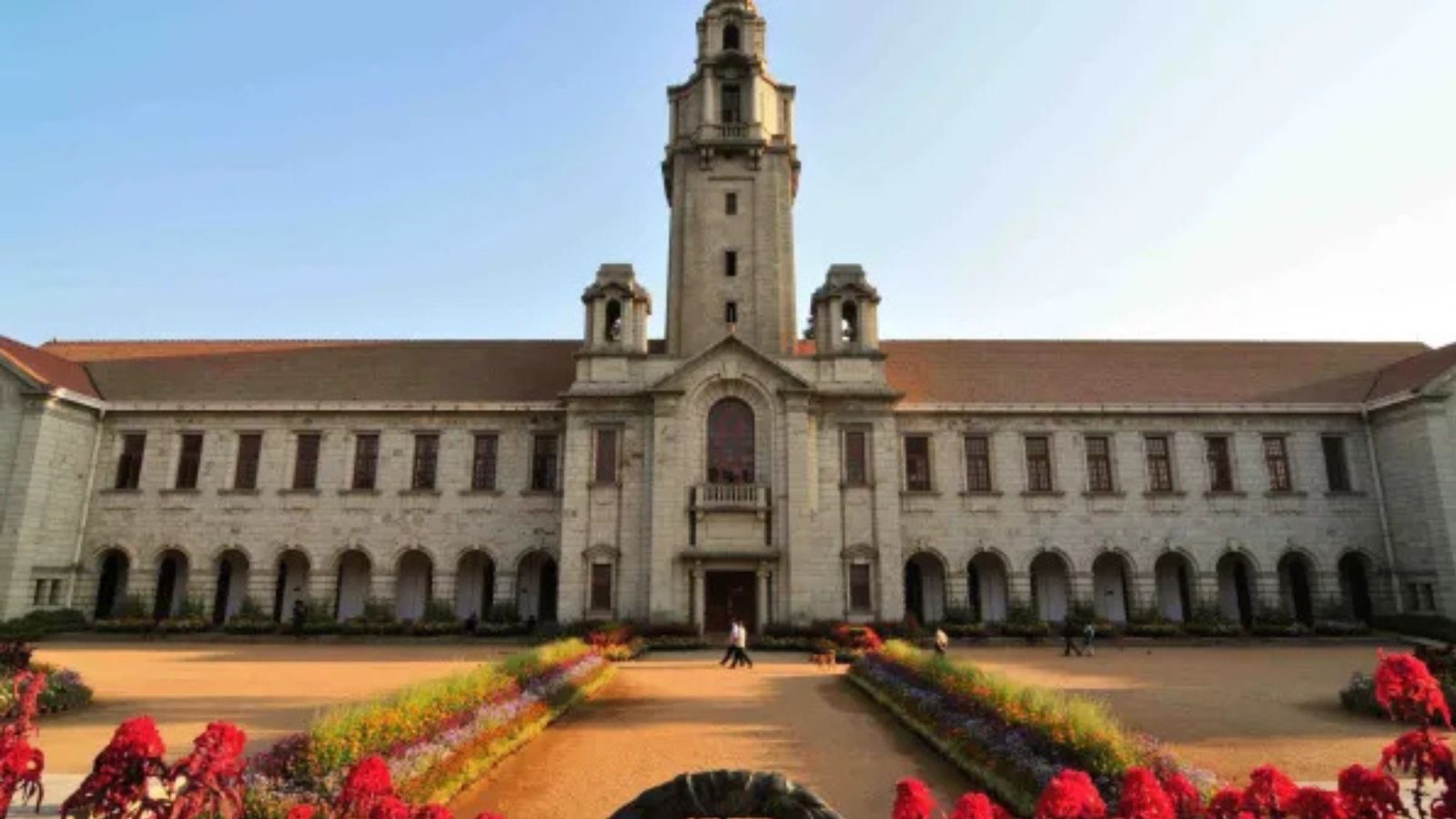
IISc Report Says Hebbal Tunnel May Shift Bengaluru Traffic Chaos
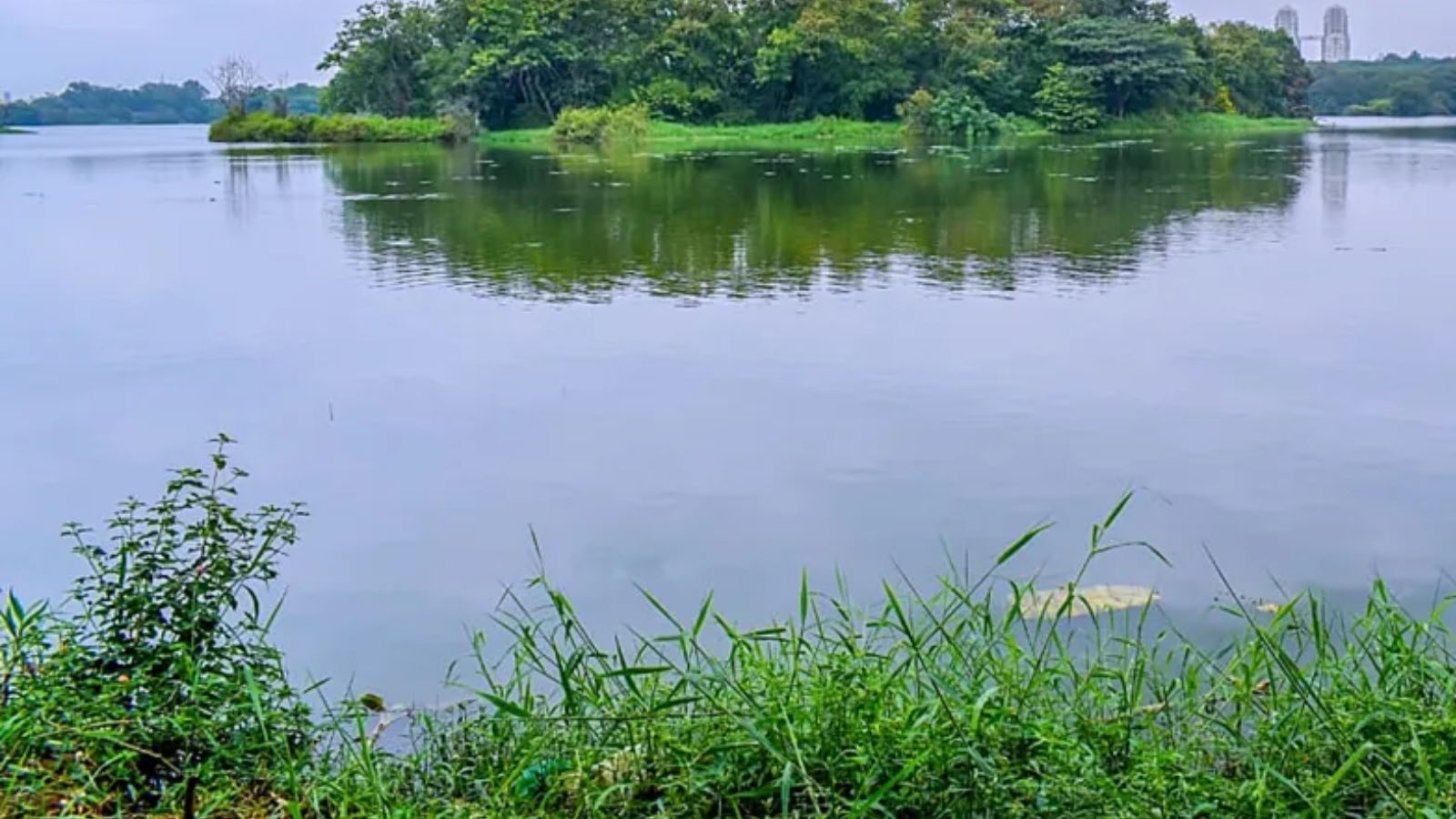
Karnataka High Court may stay Hebbal tunnel over lake impact
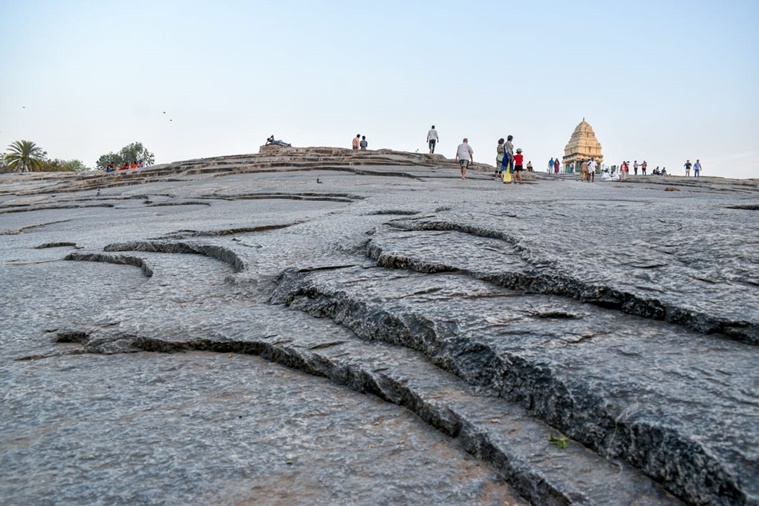
Bengaluru citizens call for pause on Hebbal short tunnel project

Bengaluru Plans 28-Km Tolled Elevated Corridor Under BOOT

Adani Enterprises Emerges Lowest Bidder for Bengaluru Tunnel Road Project
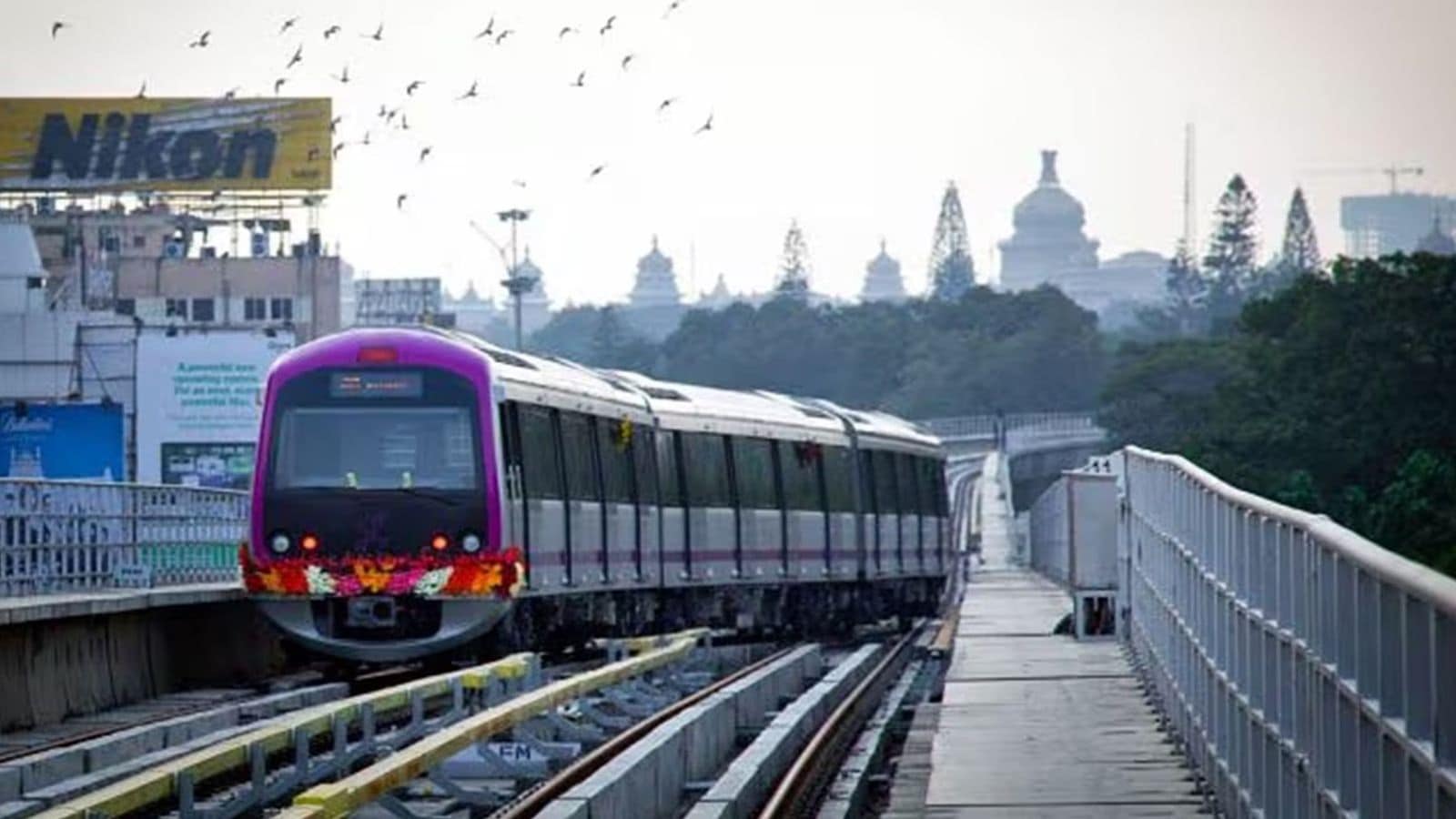
CAG audit flags planning, cost lapses in Bengaluru Metro
Science Quiz Covers Vehicle Communication, Space, Medicine, Missiles and Time
GATE 2027 Registration Opens, Exam Dates and New Paper Announced
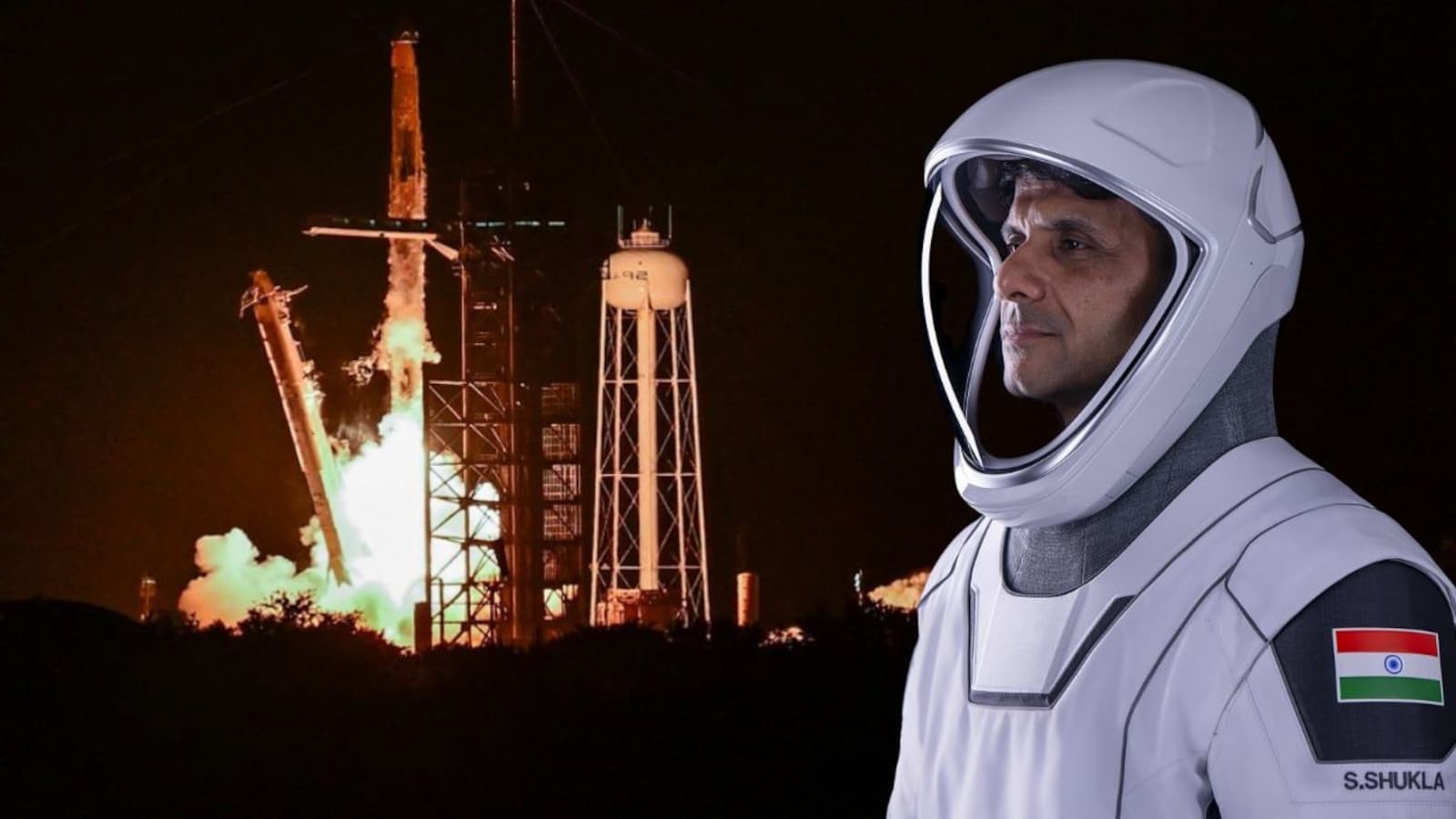
Shubhanshu Shukla Unveils B.H.E.E.M. Concept for Habitats Beyond Earth

China and US Race to Link Science, Industry

Researchers Identify Brain Circuit Behind Chemotherapy-Induced Cold Pain