3 weeks ago
CAG audit flags planning, cost lapses in Bengaluru Metro
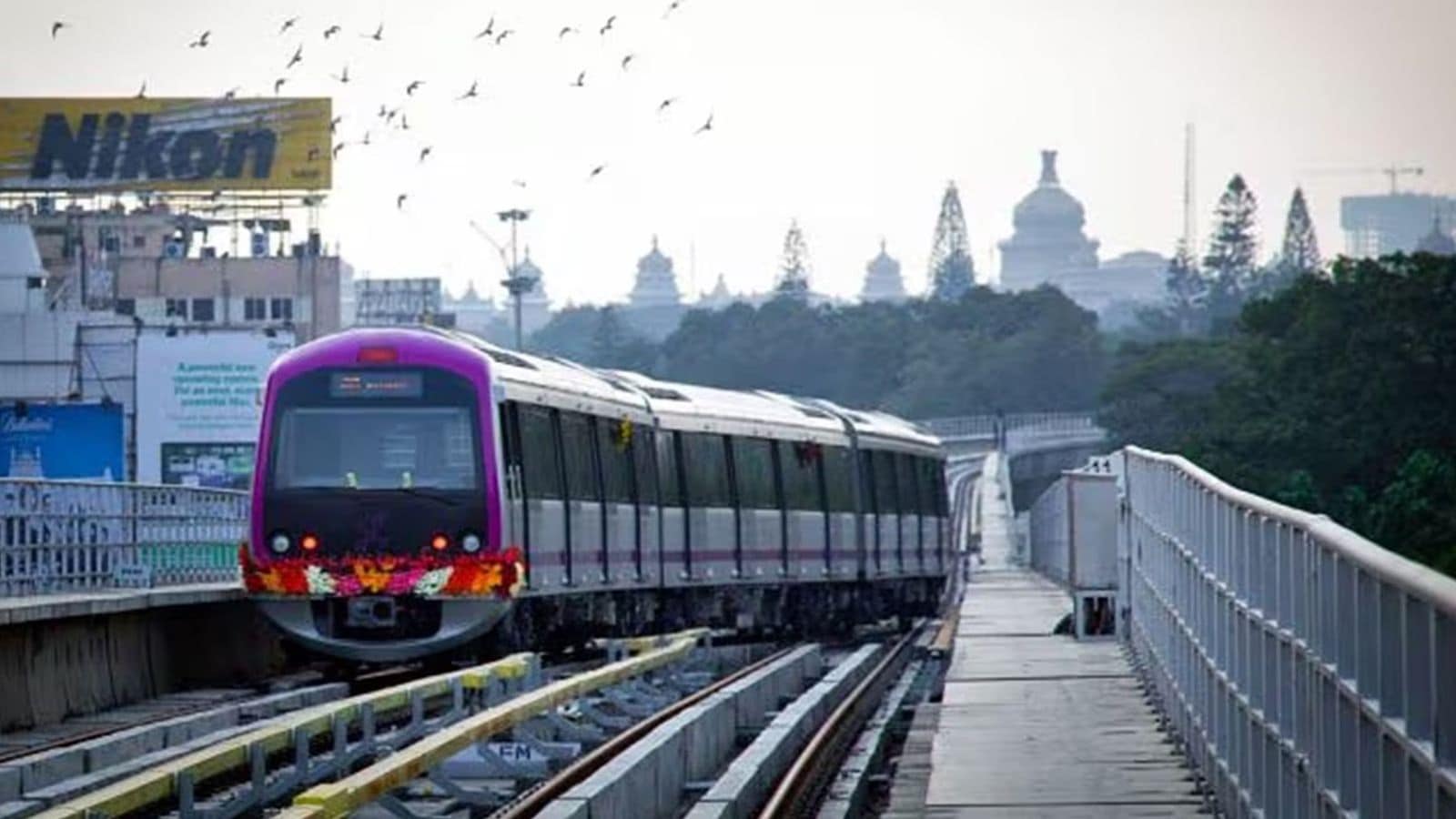
The Bengaluru Metro is a big train system in Bengaluru, a city in India.
It was built to help lots of people travel without cars or buses.
A special government team called the CAG checks whether public money is spent well.
It looked closely at the metro's first two building phases.
The team found the metro cost much more money than planned, partly because land was not measured correctly.
It also found fewer people were riding the metro than expected.
Some spaces at metro stations stayed empty for years, which lost money.
The metro borrowed a lot of money and needed the Karnataka government to help pay it back.
The CAG says the metro did not make more people use public transport overall, so big projects need better planning.

The CAG's Performance Audit Report No. 7 of 2026, tabled in Parliament on Monday, found planning, land, financial and operational lapses in Bengaluru Metro Phases 1 and 2.
Phase 1 peak-hour ridership in 2021 ranged between 6,429 and 8,852, far below the projected figure of above 15,000 that justified a Heavy Metro over a cheaper Bus Rapid Transit option.
Improper land estimation and acquisition delays increased land acquisition costs by Rs 6,603.39 crore as of March 2023.
BMRCL paid Rs 294.72 crore in excess land compensation plus Rs 186.86 crore in interest because final acquisition notifications exceeded the prescribed 270-day period.
2.23 lakh sq ft of vacant metro station space caused an estimated Rs 38.53 crore loss in lease-rental revenue between 2019 and 2022.
- Who
- The Comptroller and Auditor General of India (CAG) audited the Bangalore Metro Rail Corporation Limited (BMRCL), a 50:50 joint venture of the Centre and the Karnataka government.
- What
- The audit flagged planning, land management, financial and operational lapses in Bengaluru Metro Phase 1 and 2, including cost overruns, excess compensation, ridership shortfalls and weak non-fare revenue.
- Where
- Bengaluru, in the Indian state of Karnataka, with the findings tabled at the Parliament of India.
- When
- Report No. 7 of 2026 was presented in Parliament on Monday; Phase 1 became operational in June 2017, Phase 2 sections opened between January 2021 and March 2023, with completion due by December 2026.
- Why
- Because ridership never justified the heavy metro investment, while the project ran up billions of rupees in additional costs that BMRCL could not service from its own revenue.
Key facts
- Audit report
- Performance Audit Report No. 7 of 2026
- Metro operator
- BMRCL, a 50:50 joint venture of the Centre and Karnataka government
- Phase 1
- Fully operational June 2017, spanning 42.30 km
- Phase 2
- Partially operational January 2021–March 2023; completion due December 2026
- Ridership shortfall
- Phase 1 PHPDT projected above 15,000; actual 6,429–8,852
- Land cost increase
- Rs 6,603.39 crore as of March 2023
- Excess compensation
- Rs 294.72 crore, plus Rs 186.86 crore late-notification interest
- Lost lease revenue
- Rs 38.53 crore from vacant station space, 2019–2022
Sources
Related news

CAG: Bangalore Metro Missed 2007 Ridership Projections Even by 2023

Bengaluru Metro Plans Phased Blue Line Operations Amid Delays
Bengaluru Airport Metro Blue Line crosses 72% construction milestone
Bengaluru Metro airport line 72% complete, to meet 2027 deadline
IISc Study Questions Cost and Traffic Benefits of Hebbal Tunnel

CAG Flags Over Rs 1,200 Crore Bengal Transport Losses

Court defers approver Pradosh’s statement in Renukaswamy murder case

Shivakumar Seeks NITI Aayog Funds, Backs Second Bengaluru Plan

Viswanathan Anand Says AI Has Transformed Modern Chess

Science Quiz Covers Vehicle Communication, Space, Medicine, Missiles and Time

Syrma SGS, Elemaster Launch High-Reliability Electronics Facility in Bengaluru