6 days ago
IISc Report Says Hebbal Tunnel May Shift Bengaluru Traffic Chaos
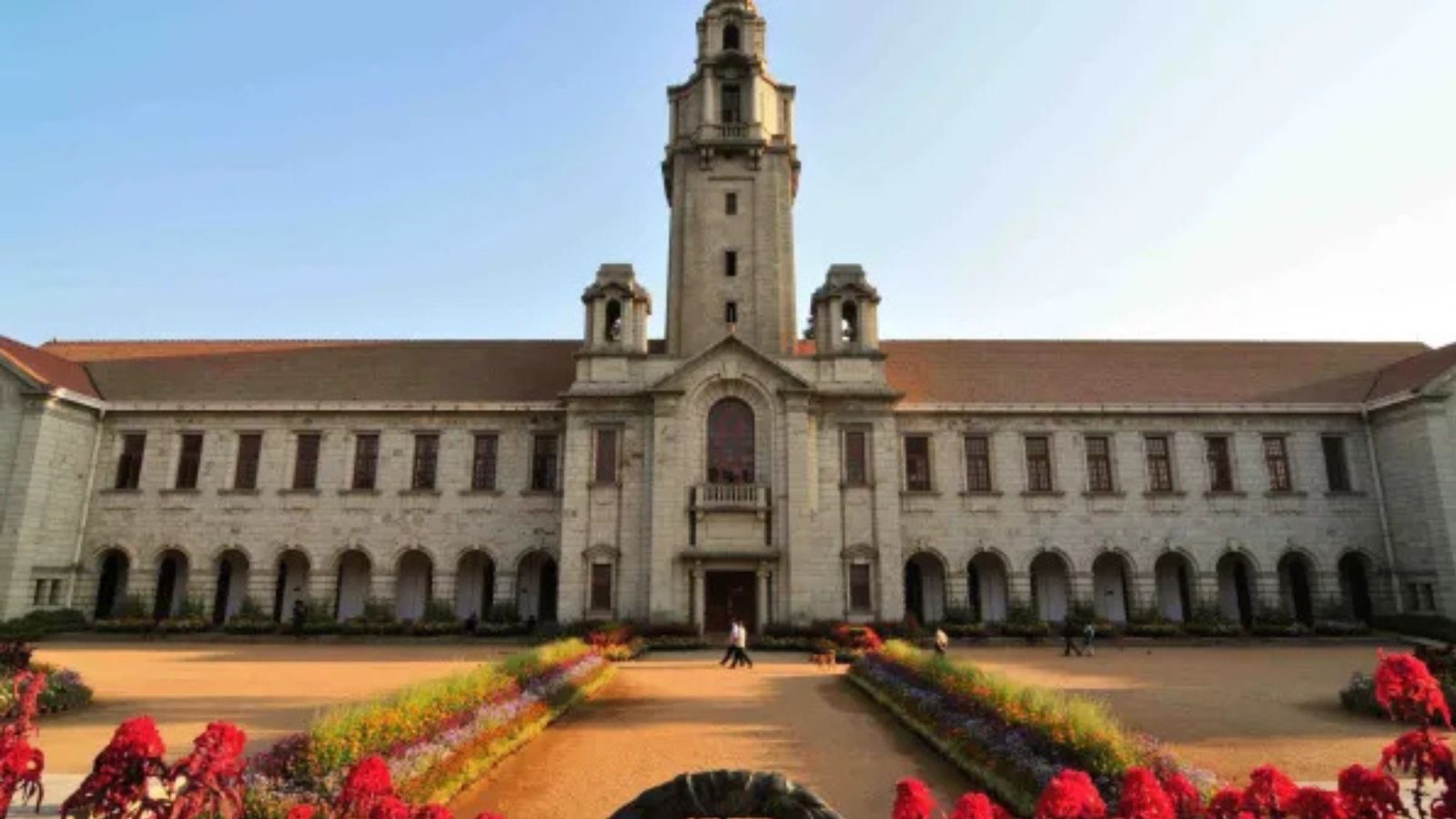
A study from the Indian Institute of Science looked at a planned tunnel in Bengaluru.
It says the tunnel may not make traffic disappear.
Instead, cars could get stuck at other nearby places.
Traffic lines might also stretch back toward Mekhri Circle.
The study says the tunnel could eventually become almost useless.
It also warns that the project may cause flooding.
The report compared the tunnel with an underground metro.
It found that the tunnel would cost much more for each passenger or unit of capacity.

An IISc study says the proposed short tunnel at Hebbal Junction may relocate rather than solve congestion.
The report identifies possible new bottlenecks near the Veterinary Hospital and Esteem Mall.
Traffic spillover could push queues toward Mekhri Circle and eventually reduce the tunnel’s usefulness, the study says.
The study warns the project may also lead to flooding.
The report’s cost-benefit analysis says the tunnel costs about 6.12 times more than an underground metro for comparable benefits.
- Who
- The Indian Institute of Science Sustainable Transportation Lab, led by Professor Ashish Verma, conducted the study.
- What
- The study assessed the proposed short tunnel at Hebbal Junction and concluded that it may shift congestion, create flooding risks, and cost more than an underground metro.
- Where
- Hebbal Junction in Bengaluru, with possible effects near the Veterinary Hospital, Esteem Mall, and Mekhri Circle.
- When
- The study was released on Tuesday; no calendar date is provided.
- Why
- The study examined whether the tunnel would reduce congestion and provide value compared with an underground metro.
Key facts
- Study author
- Professor Ashish Verma of the Department of Civil Engineering at the Indian Institute of Science
- Study group
- Indian Institute of Science Sustainable Transportation Lab
- Tunnel cost per passenger trip
- Approximately Rs 5.23
- Metro cost per passenger trip
- Approximately Rs 0.86
- Tunnel capacity cost
- Roughly Rs 13.74 lakh per passenger per hour per direction unit
- Metro capacity cost
- Roughly Rs 2.26 lakh per passenger per hour per direction unit
- Cost difference
- The tunnel is about 6.12 times more expensive by both measures
Sources
Related news
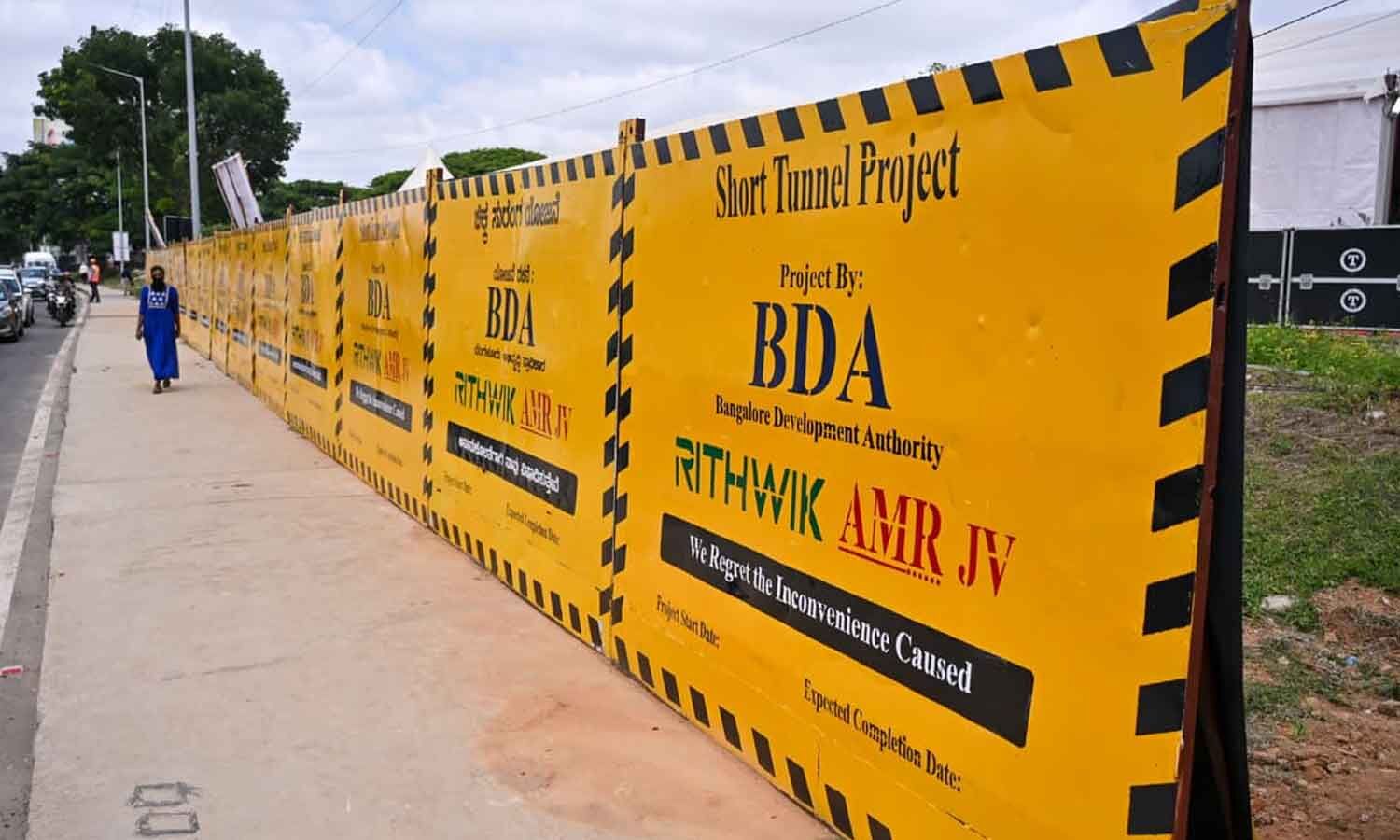
IISc Study Questions Cost and Traffic Benefits of Hebbal Tunnel
Bengaluru citizens call for pause on Hebbal short tunnel project

Karnataka High Court may stay Hebbal tunnel over lake impact

Bengaluru Plans 28-Km Tolled Elevated Corridor Under BOOT
PMC Plans Sutardara-Pashan Underground Tunnel To Ease Pune Traffic
Thane-Borivali second tunnel work begins amid 15-minute travel promise
Science Quiz Covers Vehicle Communication, Space, Medicine, Missiles and Time
GATE 2027 Registration Opens, Exam Dates and New Paper Announced
Shubhanshu Shukla Unveils B.H.E.E.M. Concept for Habitats Beyond Earth
China and US Race to Link Science, Industry
Researchers Identify Brain Circuit Behind Chemotherapy-Induced Cold Pain