1 month ago
UPSC Key: Railway Line, Disaster Drills, Pellet Guns, and More
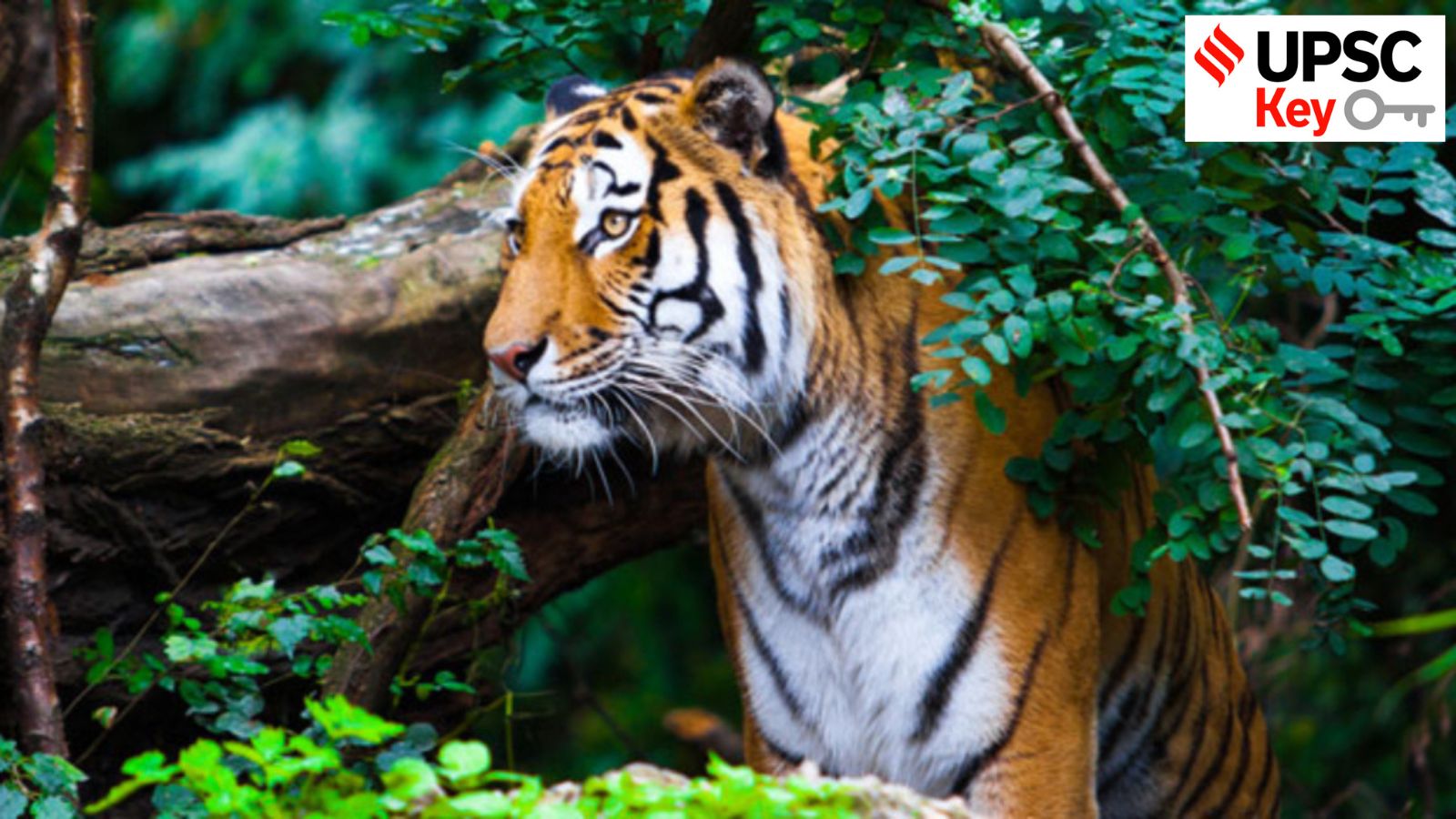
A new railway line is planned between Jujharpur and Chichonda in India, but it could cut through a tiger corridor that helps tigers move safely.
The Reserve Bank of India offered a special swap deal that let many overseas Indians put money in banks, bringing in about $40.8 billion.
After floods in Assam, India says everyone should practice safety drills for emergencies.
China made new rules to stop fishing and mining in a protected sea area.
In India, police sometimes use pellet guns to control crowds, but these guns can hurt people badly, and the United Nations says they should not be used.

Proposed third railway line between Jujharpur and Chichonda may fragment the Satpura–Melghat tiger corridor.
RBI’s concessional swap facility attracted $40.8 billion in FCNR(B) deposits by July 31 2026.
India urges a national culture of disaster drills after deadly Assam floods.
China issued new rules tightening fishing and mining in the Huangyan Dao reserve in the South China Sea.
Pellet guns used in crowd control have caused severe injuries; UN says they should not be used.
- Who
- Central Railway, National Board for Wildlife, Reserve Bank of India, Indian government
- What
- Proposed railway line, RBI swap facility, disaster drills, China reserve rules, pellet gun use
- Where
- Madhya Pradesh, Maharashtra, India, South China Sea
- When
- July 2026 for RBI inflows; July 2026 for railway clearance; ongoing for other events
- Why
- Improve connectivity, boost foreign exchange, enhance disaster preparedness, protect marine ecosystem, control crowds
Key facts
- Proposed railway line length
- 160.6 km
- Tiger corridor affected
- Satpura–Melghat
- Land area required
- 206.09 hectares
- RBI swap inflows (July 31, 2026)
- $40.816 billion
- FCNR(B) share of inflows
- $36.725 billion
Quotes
Roxy Mathew Koll
OPIS writer and author of the disaster-preparedness piece
“"Every summer, people collapse. Every monsoon, children and adults are swept away."”
 indianexpress.com

Supreme Court
Indian Supreme Court judgement
“"The court refused an outright ban, noting exceptional situations, but left the door open for an inquiry."”
indianexpress.com
Sources
Related news

UPSC Weekly Current Affairs: Environment, Diplomacy, Defence and Economy
UPSC Weekly Quiz: 10 Current Affairs Questions for Prelims 2027
UPSC Weekly Quiz Covers Glaciers, Defence, Geography and Heritage
UPSC Current Affairs: India’s Diplomacy, Economy, Law and Policy
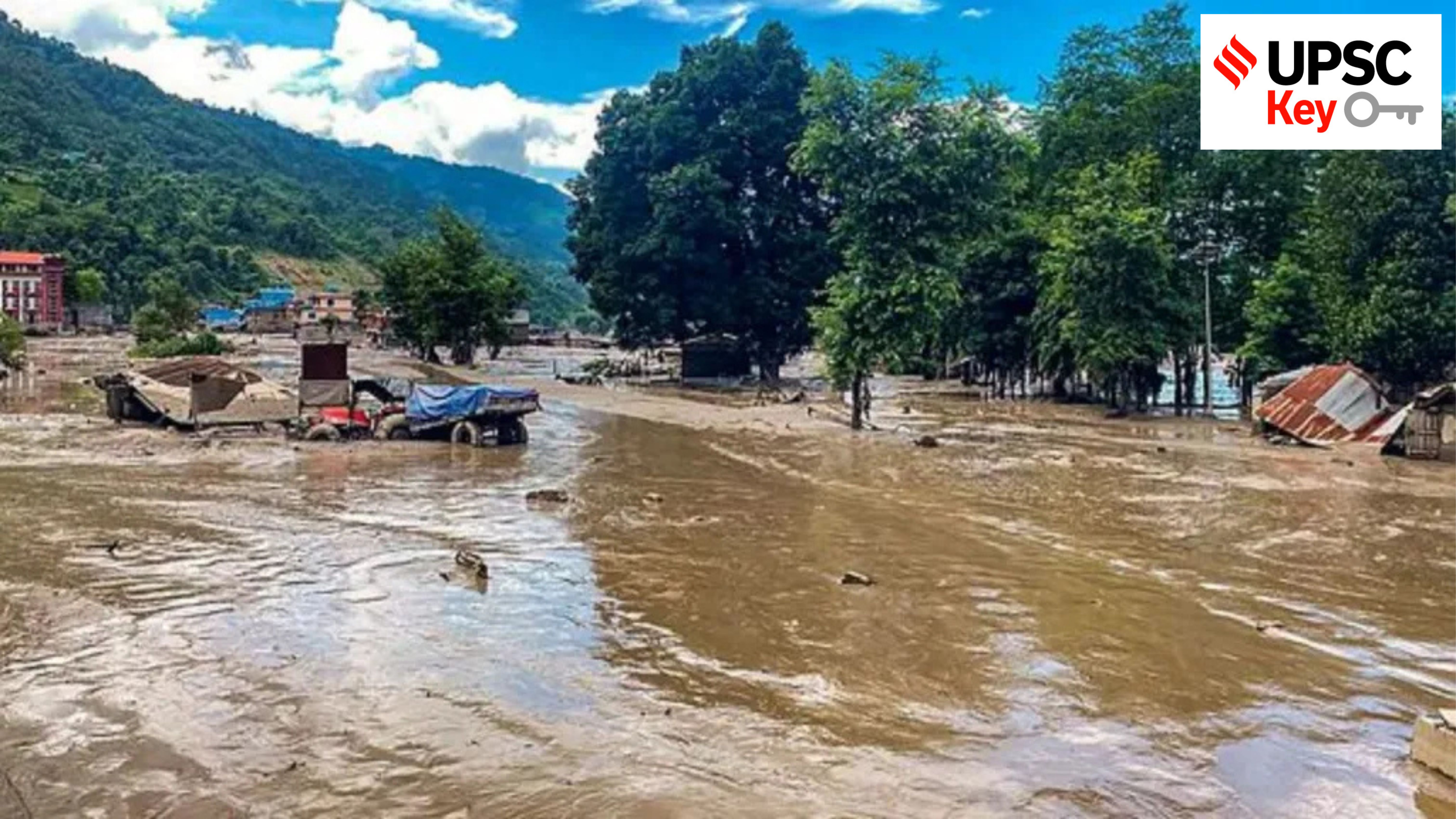
UPSC Key Highlights Nepal Floods, Rights, Defence, Nuclear Energy

Sion Railway Over Bridge Second Girder Launch Set, Opening Delayed

Railway Board's Station Mahotsav to celebrate five historic Mumbai stations
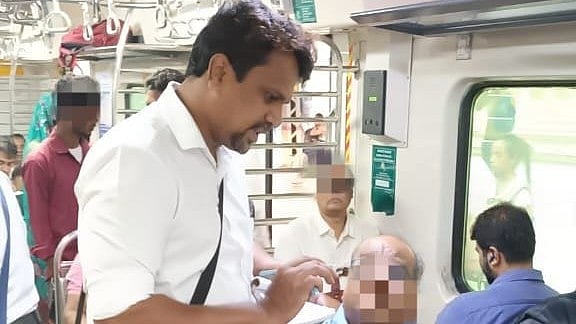
Mumbai Railways Seek More Ticket Checkers Amid AI Fake Tickets
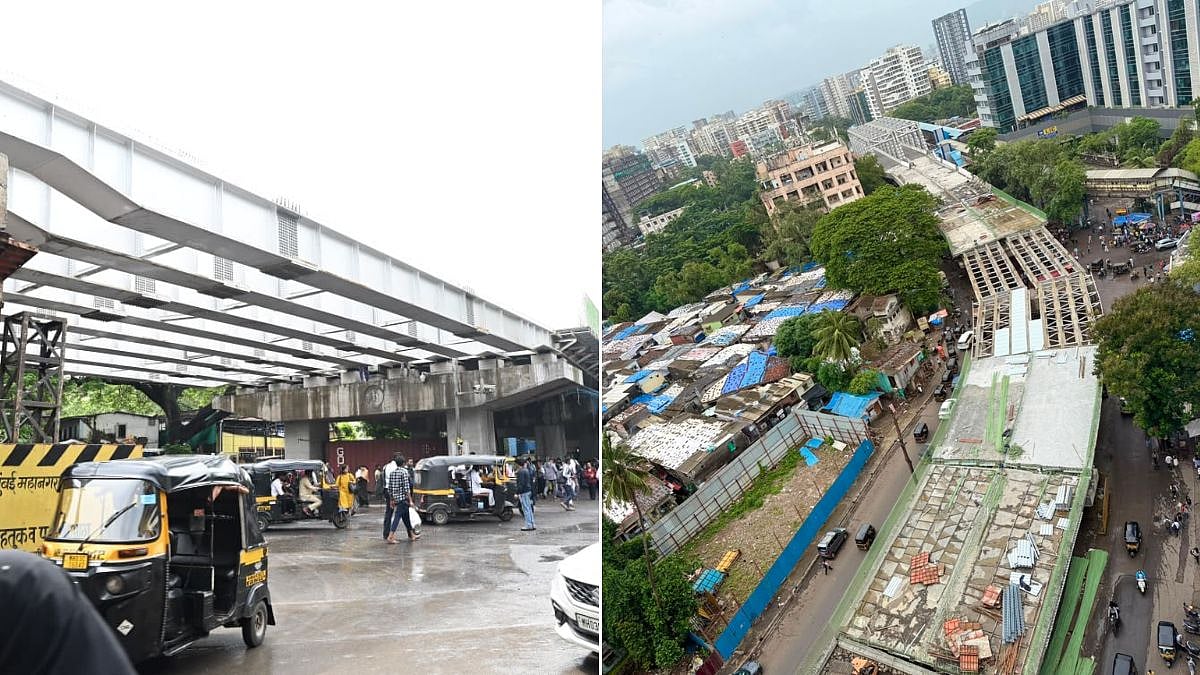
Vidyavihar Flyover Nears Completion, Set to Open After September 8
Vasai Bypass Rail Project Delayed by Pending Joint Measurement Survey