3 days ago
UPSC Weekly Quiz Covers Glaciers, Defence, Geography and Heritage
This weekly quiz helps students revise important news for a future UPSC examination.
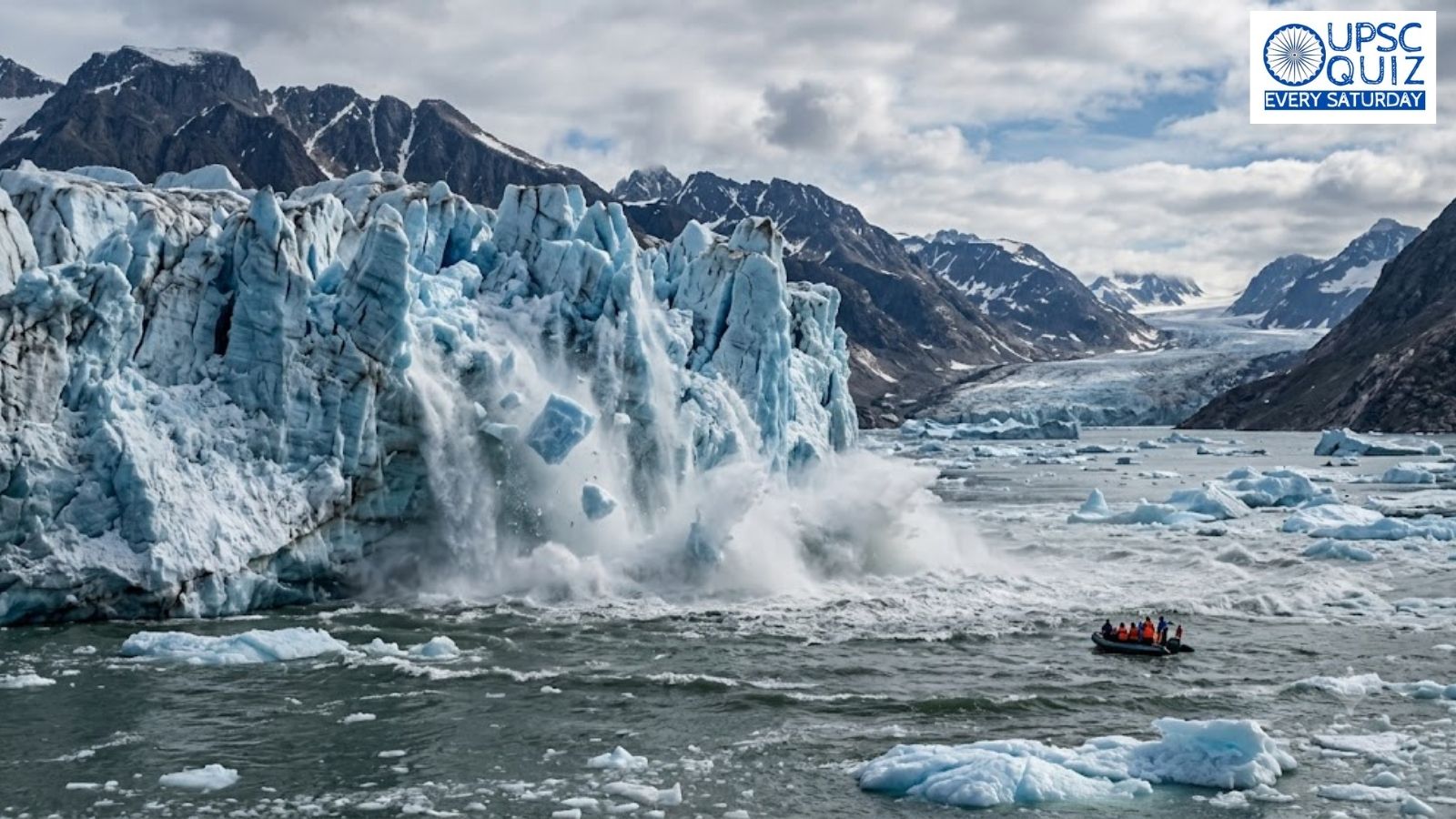
One question explains how a collapsing glacier can create a dangerous flood carrying ice, rocks and mud.
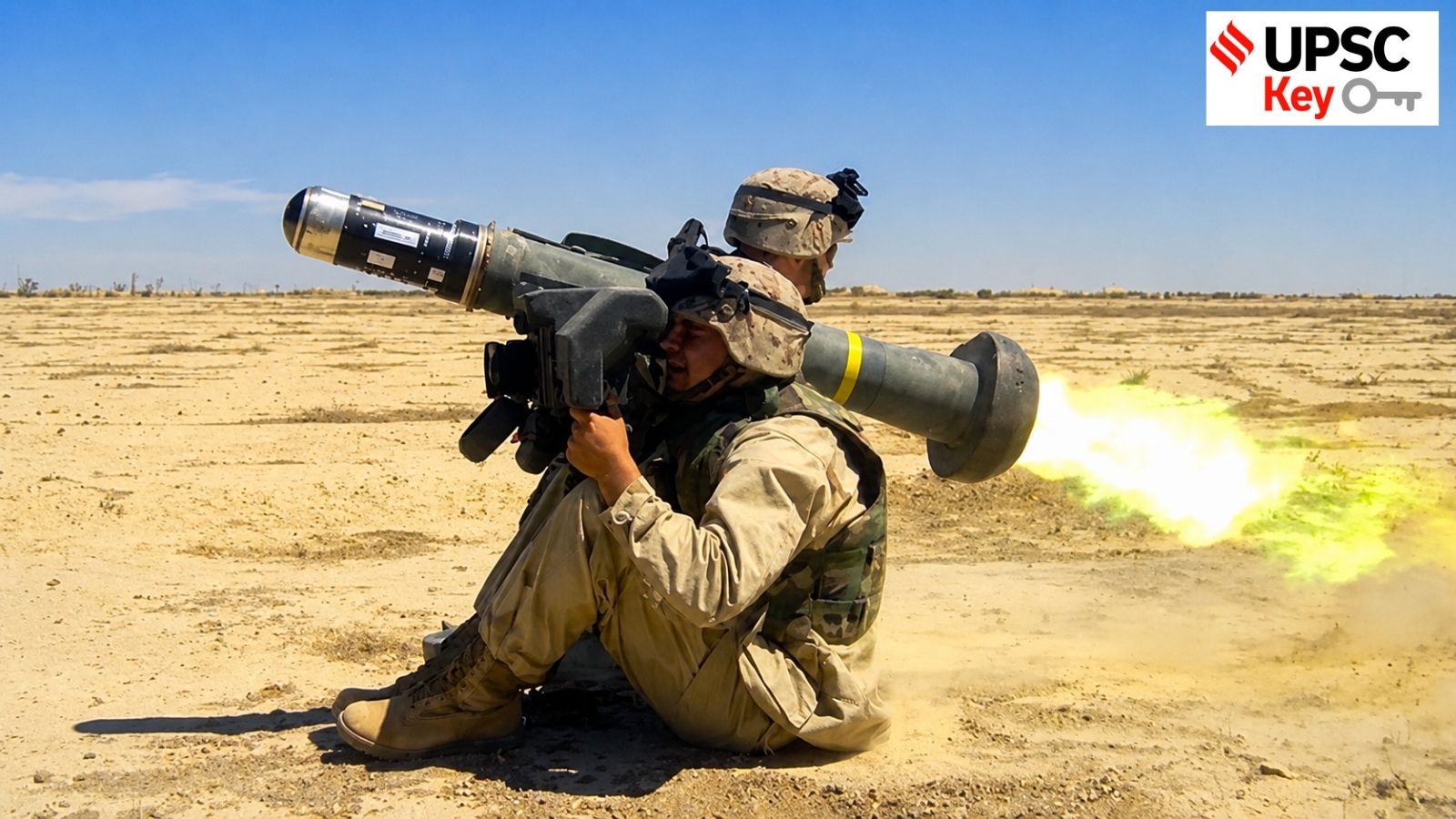
Another describes the Javelin, a missile that can guide itself toward a target after being fired.
The quiz also asks students to match Central Asian countries with important natural resources.
It explains that India’s new toll system can charge vehicles without making them stop.
Students learn that India’s maritime rescue centres are in Mumbai, Chennai and Port Blair.
The quiz also discusses India-Bangladesh river-water sharing and Indian areas bordering China.
Finally, it introduces a new helicopter engine called Aravalli and ancient objects found at Rajghat in Varanasi.

The quiz explains Himalayan glacial-collapse hazards, including debris-filled floods, temporary dams and downstream impacts; statements 1 and 2 are correct, making option (b) the answer.
It covers the US-made Javelin missile, whose infrared guidance enables fire-and-forget operation; India’s agreement is with the United States, not Russia, so option (b) is correct.
Central Asian resource mapping identifies Kazakhstan’s uranium reserves as the only correctly matched pair, making option (a) correct.
The quiz highlights India’s Multi-lane Free Flow tolling, Maritime Rescue Coordination Centres, the 1996 Ganges Water Sharing Treaty and China-border geography.
Other topics include the Aravalli helicopter engine being jointly developed by HAL and Safran, and archaeological discoveries from Rajghat near Varanasi. The respective answers are (a), (d), (c), (c) and (b).
- Who
- UPSC aspirants, with information involving Indian government agencies, the United States, France, India’s neighbours and archaeological researchers.
- What
- The Indian Express weekly current-affairs quiz presents 10 questions and explanations on geography, defence, finance, infrastructure, maritime safety, diplomacy, aerospace and archaeology.
- Where
- The subjects span the Himalayas, Central Asia, Indian highways, the Indian maritime region, India’s borders with China, Tumakuru in Karnataka and Rajghat near Varanasi.
- When
- The quiz covers August 23–29 and refers to developments and explanations reported during that week; the Ganges Water Sharing Treaty was signed on December 12, 1996.
- Why
- It is intended to build conceptual knowledge and current-affairs readiness for UPSC Civil Services Examination Prelims 2027.
Key facts
- Quiz period
- August 23–29
- Number of questions
- 10
- Glacial-collapse answer
- Only statements 1 and 2 are correct; option (b).
- Javelin answer
- Statements 1 and 2 are correct, while statement 3 is incorrect; option (b).
- Maritime rescue centres
- Mumbai, Chennai and Port Blair
- Ganges Water Sharing Treaty
- Signed by India and Bangladesh in 1996; its stated 30-year framework runs from 1996 to 2026.
- Aravalli engine
- A 3,500–4,000 shaft-horsepower helicopter engine being jointly developed by HAL and Safran through their 50:50 venture SAFHAL.
Quotes
Iqbal S Hasnain
Glaciologist quoted explaining the physical processes behind glacial collapse.
“Mountain gradients on which ice moves in a steep flow are the cause of glacial collapse. Warming temperatures cause lots of melted water to get collected in subglacial channels. These channels open up after the glacier’s lower portion collapses, leading to water gushing through in large volumes.”
 indianexpress.com

The United States government
US government source commenting on India’s Javelin missile purchase agreement.
“The United States welcomes the Indian Army’s signing of a Letter of Offer and Acceptance (LOA) for the purchase of the Javelin anti-tank guided missile system through the US Foreign Military Sales process.”
indianexpress.com
Sources
Related news
UPSC Key Highlights Defence, Disasters, Economy and Governance
UPSC Weekly Current Affairs: Environment, Diplomacy, Defence and Economy
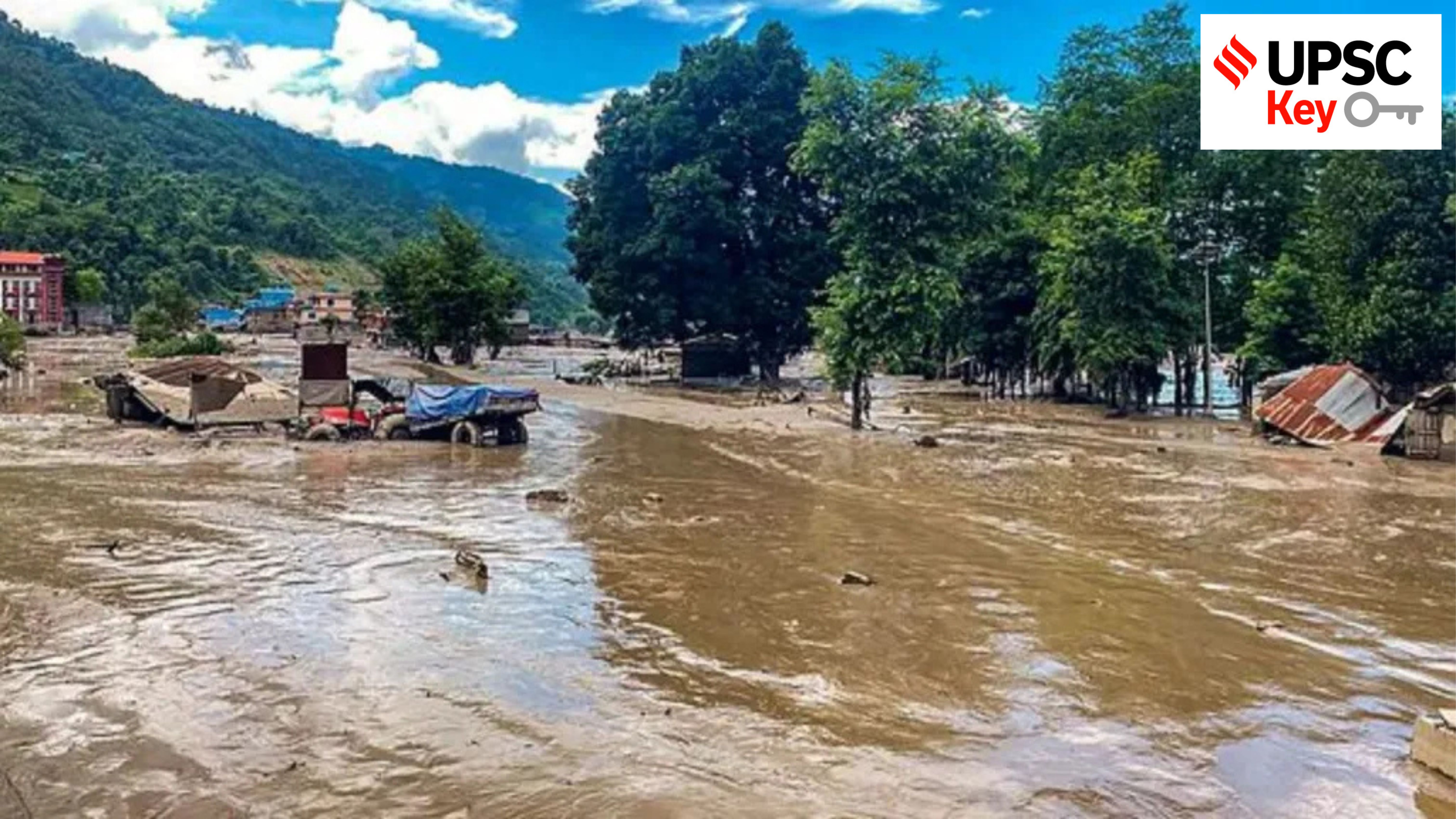
UPSC Key Highlights Nepal Floods, Rights, Defence, Nuclear Energy
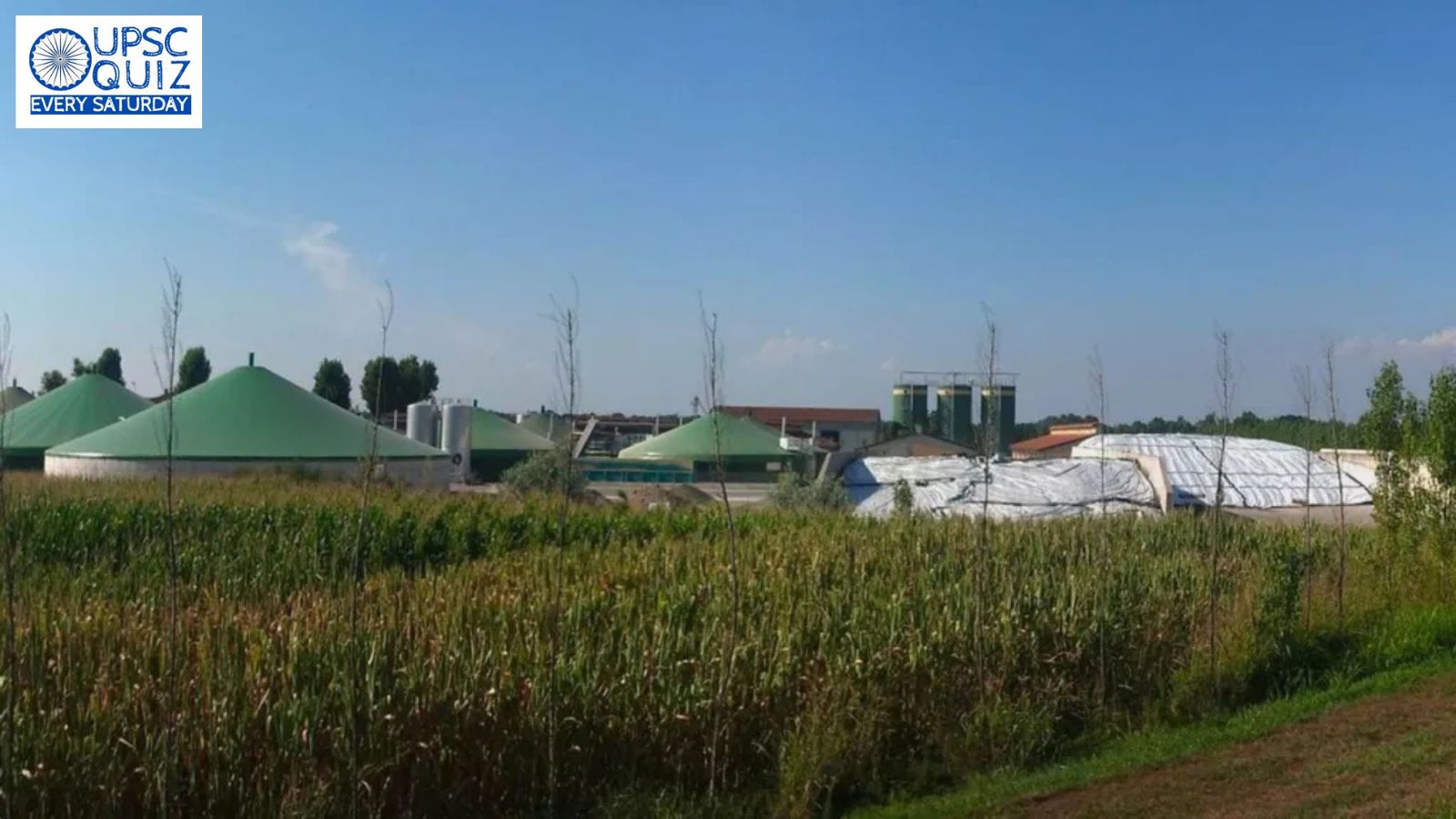
UPSC Weekly Quiz: 10 Current Affairs Questions for Prelims 2027
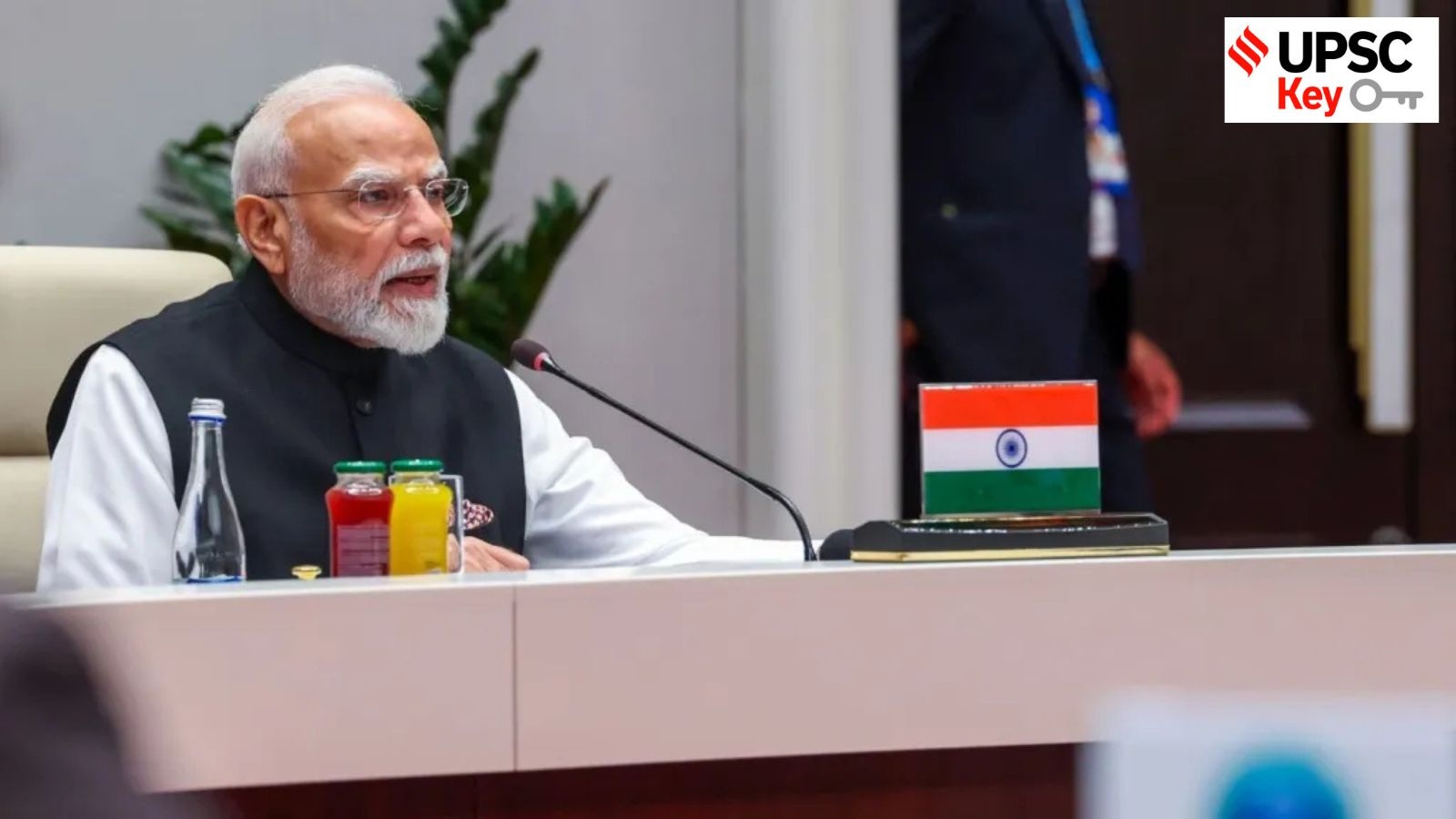
UPSC Key Covers SCO, Electoral Rolls, Economy, Defence and Climate
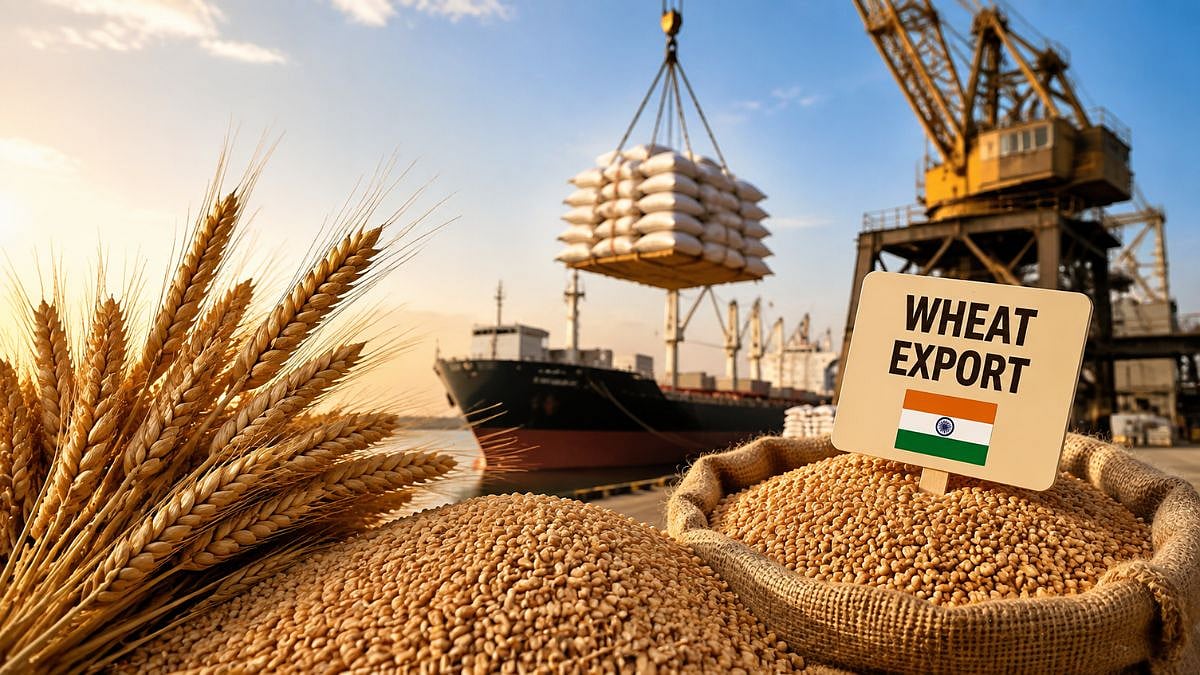
India’s Record Wheat Harvest Opens $1.5 Billion Export Window
West Bengal CM Crushes Nearly 2 Lakh Seized Syrup Bottles
India, Bangladesh Seek Deeper Parliamentary and People-to-People Ties

Bangladesh Radicalisation Raises Concerns About Security Spillover Into India

Bengaluru Police Transfer 31 Bangladeshi Nationals for Deportation