2 days ago
India’s Food Safety Rules Face Persistent Enforcement Gaps
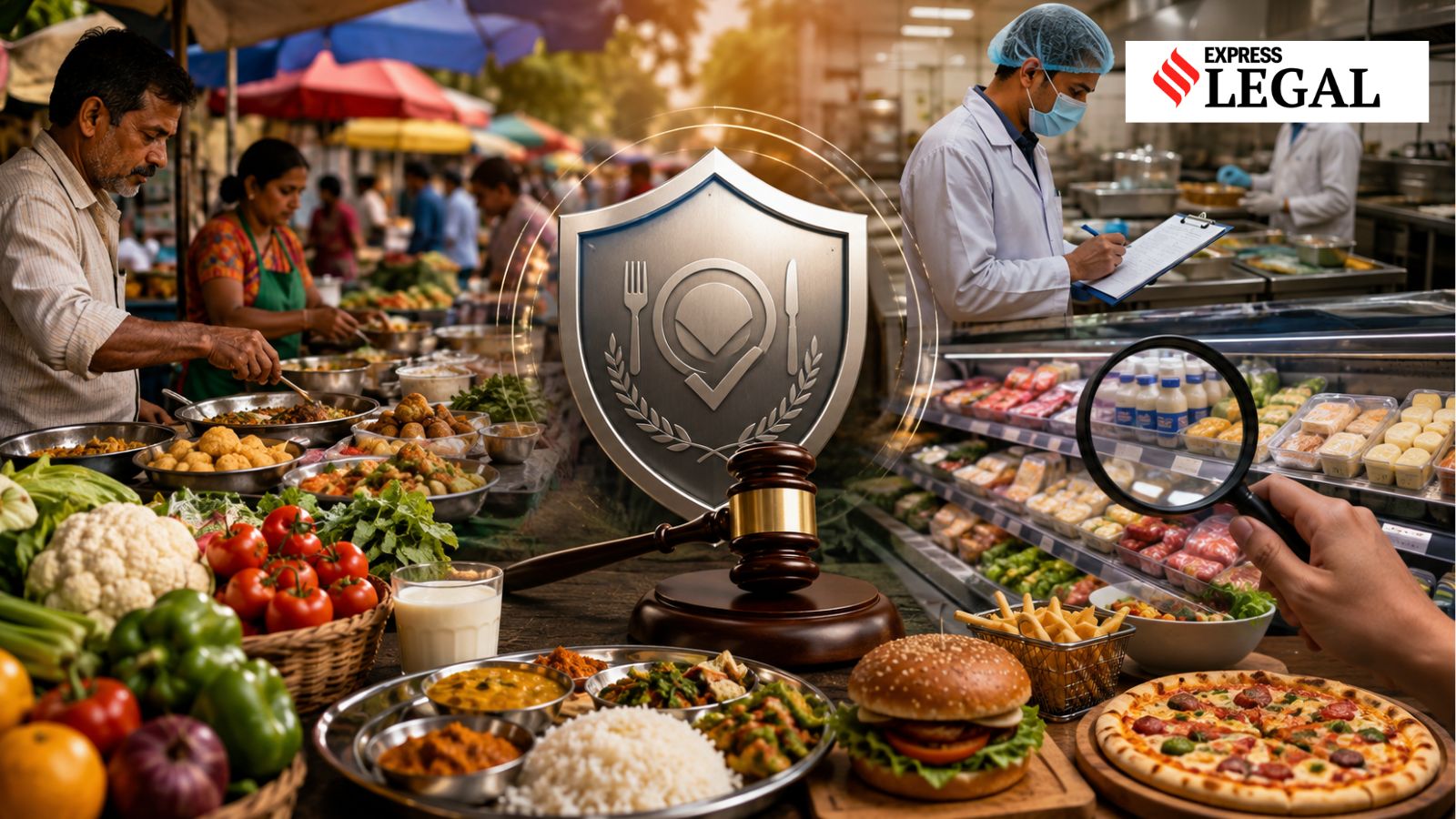
India has rules meant to make food safe to eat.
The main law tells businesses how to make, store, sell and label food.
Officials inspect food businesses and test samples, but unsafe or misleading products are still sometimes reported.
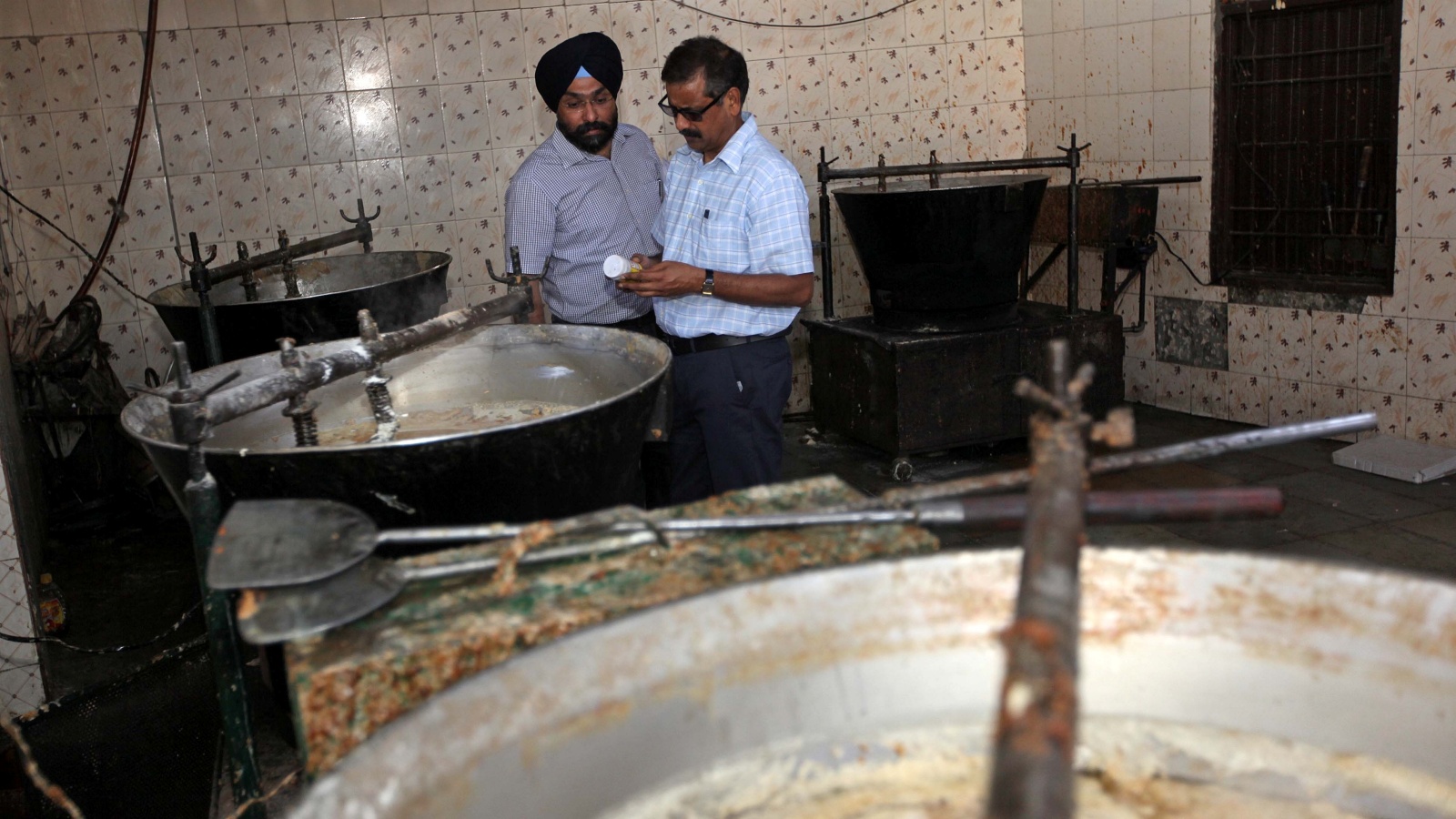
Some businesses have operated without the required licence, while other cases involved dirty kitchens or expired food being repackaged.
Courts have also questioned whether regulators followed fair and reliable procedures.
One doctor spent eight years seeking action against drinks that used the name ORS in a potentially confusing way.
Experts say fast delivery services need better tracking and more frequent checks.
The main question is whether food that looks safe according to paperwork is actually safe when it reaches people.

India’s Food Safety and Standards Act, 2006, provides the central framework for regulating food.
More than 518,000 food samples were analysed from 2022 to 2025, resulting in 88,192 penalties and 3,614 convictions.
Recent cases involving unlicensed canteens, restaurant inspections, misleading ORS labels and expired goods exposed enforcement weaknesses.
The Bombay High Court overturned Park Inn by Radisson’s licence suspension, finding two insects insufficient on their own to justify continued suspension.
Experts say licensing, testing, traceability, staffing and technology-enabled oversight must improve, especially for quick-commerce deliveries.
- Who
- The Food Safety and Standards Authority of India, state food regulators, food businesses, courts, experts and consumers.
- What
- India’s food-safety enforcement system is being scrutinised because reported violations continue despite an extensive legal framework.
- Where
- Across India, including cases in Maharashtra, Karnataka, Hyderabad and the Bombay High Court premises.
- When
- The review includes data from 2022 to 2025 and several cases discussed as recent or ongoing.
- Why
- Gaps in licensing, inspections, laboratory testing, enforcement, regulatory speed, traceability and consumer awareness may allow unsafe or misleading products to reach consumers.
Existing Framework and Proportionate Enforcement
Stronger, Faster Oversight Needed
Adequacy of the legal framework
Existing Framework and Proportionate Enforcement
The Food Safety and Standards Act and FSSAI regulations provide broad rules covering ingredients, contaminants, labelling, licensing and packaging.
Stronger, Faster Oversight Needed
Experts argue that the framework only partially monitors the informal sector and does not ensure continuous oversight across the food supply chain.
Regulatory action against businesses
Existing Framework and Proportionate Enforcement
The Bombay High Court held that finding two insects during an otherwise satisfactory inspection was not enough to justify continuing a four-star hotel’s licence suspension.
Stronger, Faster Oversight Needed
Regulators and public-health advocates stress that inspections and swift action are necessary when kitchens, licences or food-handling practices raise safety concerns.
Traditional versus technology-led monitoring
Existing Framework and Proportionate Enforcement
Officials can use existing inspections, recognised laboratories, licensing rules and enforcement actions to regulate food businesses.
Stronger, Faster Oversight Needed
Experts say periodic inspections cannot keep pace with quick-commerce and recommend risk-based monitoring, digital traceability, cold-chain checks, coordinated inspections and clearer platform accountability.
Key facts
- Core law
- The Food Safety and Standards Act, 2006, governs the manufacture, storage, distribution, sale and import of food.
- Samples analysed
- Over 5.18 lakh food samples were analysed between 2022 and 2025.
- Penalties
- The government reported 88,192 cases resulting in penalties during that period.
- Convictions
- The same data recorded 3,614 convictions.
- Maharashtra inspections
- More than 3,000 inspections between May 25 and July 31 resulted in 165 licence suspensions.
- ORS action
- In 2025, FSSAI prohibited fruit-based, non-carbonated, ready-to-drink beverages from using ORS in trademarked names.
- Quick-commerce concern
- Experts said food can reach consumers in about 10 minutes while regulatory inspections remain periodic.
Quotes
Rahul Hingmire
Managing partner at Vis Legis Law Practice discussing food-testing procedures and regulatory safeguards.
“Reliable food regulation requires both good laboratories and legally defensible processes. India now needs standardised protocols, stronger proficiency audits and faster referee-testing mechanisms nationwide”
 indianexpress.com
“The other important misconception is the overpromising claims made in marketing advertisements on ‘purity’ or ‘safety’ solely based on FSSAI approval.”
indianexpress.com
Sources
Related news
Maharashtra Food Safety Raids Expose Gaps Beyond Restaurant Compliance
India’s Food Safety Drive Highlights Regulation and Enforcement Gaps

India Expands Food-Safety Crackdown Across Kitchens, Dairies and Warehouses
Maharashtra FDA Explains When Restaurants Can Lose Licences
Bombay High Court Backs FDA Crackdown, Questions Enforcement Methods

Maharashtra FDA Suspends Four Food Licences Amid Statewide Safety Drive
India’s Proposed Food Warning Labels Face Health, Industry Backlash

FSSAI Chief Backs Mundhe’s Maharashtra Food Safety Drive

Egg prices surge 10-50% in six months, consumers concerned about adulteration

Cockroach Allegedly Spotted On Dessert Plate At Virar Restaurant

India Proposes Red Warning Labels for Unhealthy Packaged Foods